
Energy Efficient Window Replacement Options and Savings
Energy efficient window replacement options and savings can cut bills by 12 percent or more. Call 8337004293 for a free quote and expert guidance.
By Danica Leslie
Learn more about Window Installation for guides, costs, and what to expect.
Compare Window Installation Pros Near You

Enter your ZIP code to compare top-rated local professionals and request free quotes.
Your windows are supposed to frame your view and keep the weather outside, but old, single pane units quietly drain your wallet every month. If you have ever felt a cold draft near a window in January or watched your air conditioner struggle in July, you already understand the problem. The good news is that replacing those windows with energy efficient models can cut heating and cooling costs, improve comfort, and even boost your home's resale value. This guide walks through the best window replacement options, realistic savings you can expect, and how to choose the right contractor without overpaying. You can also explore Window Replacement 2026: Cost, Value, and How to Start to see current pricing and project planning tips before you commit.
Why Energy Efficient Windows Matter More Than Ever
Energy costs have climbed steadily, and homeowners are looking for every possible way to reduce monthly bills. Windows are one of the weakest points in a home's thermal envelope. According to the U.S. Department of Energy, heat gain and heat loss through windows can account for 25 to 30 percent of residential heating and cooling energy use. That means a significant portion of what you pay the utility company is literally escaping through the glass.
Modern energy efficient windows address this problem with multiple layers of technology. Double and triple glazing, low emissivity coatings, inert gas fills, and thermally broken frames all work together to slow the transfer of heat. The result is a home that stays warmer in winter and cooler in summer without relying solely on your HVAC system. Beyond comfort, these upgrades reduce the workload on your furnace and air conditioner, which can extend equipment lifespan and lower repair frequency.
There is also a resale angle. Buyers today are more energy conscious than ever, and a home with documented energy efficient window replacement options and savings is easier to market. Real estate agents often highlight new windows as a selling point because they signal lower ongoing costs and better indoor comfort. If you plan to sell within a few years, the investment can pay dividends at closing.
Top Energy Efficient Window Replacement Options
Not all replacement windows are created equal. The right choice depends on your climate, budget, and aesthetic preferences. Below are the most common and effective options available to homeowners today.
- Double pane windows with low E coating: Two panes of glass with a microscopically thin metallic oxide layer that reflects infrared heat. These are the most popular upgrade for moderate climates and offer a strong balance of cost and performance.
- Triple pane windows: Three panes with two air or gas spaces. Best for extreme cold or noisy environments, though they cost more and weigh significantly more than double pane units.
- Gas filled windows: Argon or krypton gas between panes slows heat conduction better than air alone. Argon is common and affordable; krypton performs better in thin gaps but costs more.
- Vinyl frame windows: Durable, low maintenance, and good insulators. They resist moisture and do not need painting, making them a favorite for budget conscious buyers.
- Fiberglass frame windows: Strong, stable, and excellent in temperature extremes. They expand and contract less than vinyl and can be painted to match any exterior.
- Wood clad windows: A wood interior for beauty and a low maintenance aluminum or vinyl exterior for durability. Ideal for historic homes or custom architecture.
Each option carries a different price tag and performance rating. The National Fenestration Rating Council (NFRC) label on every certified window shows U factor, solar heat gain coefficient, and visible transmittance. A lower U factor means better insulation. In hot climates, you want a lower solar heat gain coefficient to block unwanted heat. In cold climates, a higher solar heat gain coefficient can help capture free warmth from the sun. Matching these ratings to your climate zone is the single most important decision you will make.
For homeowners who want a turnkey experience, working with a professional remodeling contractor can simplify the selection process. A qualified installer will measure your openings, recommend the right glass package for your region, and handle permits and disposal. If you are still comparing service providers, you can explore remodeling contractor options to see how a full service approach works before you request quotes.
How Much Can You Really Save?
Savings from energy efficient window replacement vary based on climate, current window condition, and the efficiency of your new units. The Environmental Protection Agency estimates that replacing single pane windows with ENERGY STAR certified models can save homeowners an average of 12 percent on heating and cooling bills. In extreme climates, that number can climb higher.
Consider a homeowner in a moderate climate paying $200 per month for heating and cooling. A 12 percent reduction saves about $24 per month, or $288 per year. Over a 20 year lifespan of the windows, that adds up to more than $5,700 in avoided utility costs. In colder regions where heating dominates, savings can exceed $400 per year. These figures do not include potential federal tax credits, utility rebates, or the comfort and noise reduction benefits that are harder to quantify but very real.
It is important to set realistic expectations. Windows are not a magic bullet. If your attic is under insulated or your HVAC ducts leak, those issues will still drive up bills. The best approach is a whole home energy assessment. Many utility companies offer free or low cost audits that identify the biggest opportunities. Once you know where you stand, you can prioritize window replacement alongside insulation and air sealing for maximum impact.
Another factor is the condition of your existing windows. If they are drafty, difficult to open, or have fogged glass, replacement is a clear win. If they are relatively new but inefficient, adding storm windows or low E films may be a more cost effective first step. A reputable contractor can help you weigh repair versus replacement without pushing unnecessary work.
Understanding the Payback Period and ROI
Homeowners often ask when energy efficient windows will pay for themselves. The honest answer is that it depends. Typical payback periods range from 8 to 15 years when you factor in energy savings alone. However, when you include increased home value, reduced maintenance, and improved comfort, the effective return is much faster.
Remodeling magazine's Cost vs. Value report consistently shows window replacement as one of the top mid range projects for cost recouped at resale. Vinyl window replacement often recoups 60 to 70 percent of its cost, while wood window replacement recoups a similar percentage. That means a $12,000 project could add $7,000 to $8,000 in resale value, while you enjoy lower bills in the meantime.
Financing can also change the math. Many contractors offer zero percent or low interest financing, which lets you start saving immediately while spreading the cost over time. Some utility companies and state programs offer rebates specifically for energy efficient upgrades. Your contractor should be able to point you toward available incentives. Always verify eligibility and keep your receipts, because tax credits for qualified energy improvements can be claimed when you file your return.
Installation Quality: The Hidden Factor in Savings
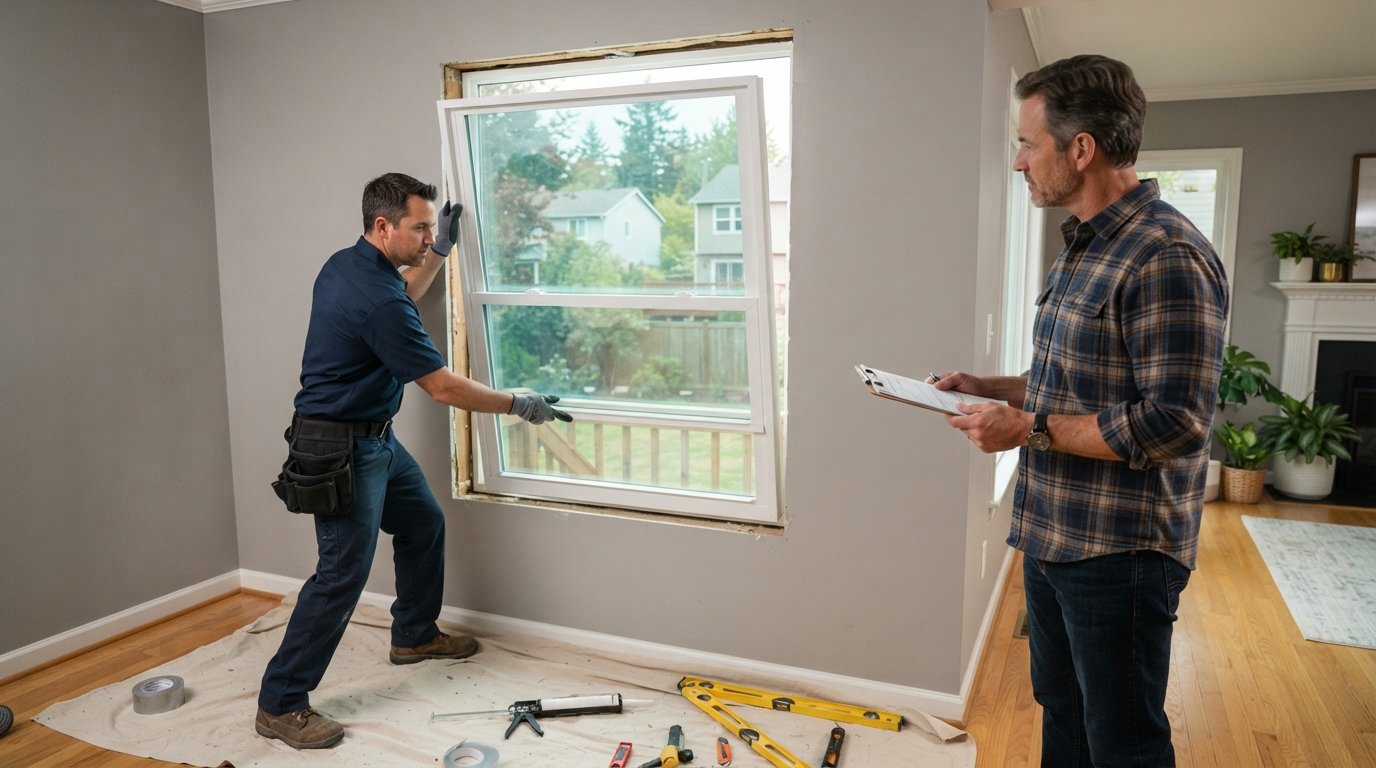
Even the best window will underperform if it is installed poorly. Air leaks around the frame can negate the benefits of triple pane glass. That is why installation quality is just as important as the product itself. Proper installation includes precise measurement, correct flashing and sealing, and insulation around the frame.When you hire a contractor, ask about their installation process. Do they use spray foam or caulk? Do they inspect for rot or water damage before installation? Do they offer a labor warranty in addition to the manufacturer warranty? These details separate a professional job from a rushed one. It is also wise to confirm licensing, insurance, and references. A contractor who hesitates to provide these may not be the right choice.
If you are comparing multiple bids, do not automatically choose the lowest price. A very low bid may indicate cut rate materials or shortcuts in labor. The best value is a fair price for quality products and proven workmanship. Ask each contractor to explain the performance ratings of the windows they propose and how those ratings match your climate. A knowledgeable contractor will welcome these questions.
Steps to Choose the Right Windows and Installer
Replacing windows is a significant investment, so a structured approach helps you avoid mistakes. Follow these steps to make a confident decision.
- Assess your current windows: Note drafts, condensation between panes, difficulty opening, and visible damage. This information helps contractors recommend the right solution.
- Determine your climate zone: Use the DOE climate zone map to identify which U factor and solar heat gain coefficient make sense for your area.
- Get at least three quotes: Compare not just price but also product specifications, warranties, and installation details. Ask for a written scope of work.
- Check credentials: Verify state licensing, liability insurance, and workers compensation. Look for manufacturer certifications such as those from the American Architectural Manufacturers Association.
- Review financing and incentives: Ask about payment options, rebates, and tax credits. A good contractor will help you navigate the paperwork.
Once you have selected a contractor, schedule the work for a time when you can be home. Installation typically takes one to two days for a whole house, depending on the number of windows and any unexpected repairs. Clear the area around each window and remove curtains or blinds beforehand. After installation, inspect each window for smooth operation and proper sealing before making final payment.
Common Mistakes to Avoid
Many homeowners regret their window replacement because they skipped important steps. One common mistake is buying on price alone. Cheap windows may have poor seals, thin frames, or low quality glass that fails within a few years. Another mistake is ignoring the NFRC label. Without it, you have no reliable way to compare performance.
Another pitfall is hiring an unlicensed contractor. This can void manufacturer warranties and leave you with no recourse if something goes wrong. Always verify credentials and never pay the full amount upfront. A reasonable deposit is typically 10 to 30 percent, with the balance due upon completion.
Finally, do not overlook the importance of proper flashing and sealing. Water intrusion around windows can cause rot, mold, and structural damage that costs far more to fix than the windows themselves. A quality installer will integrate the window with your home's weather barrier and drainage plane. If a contractor brushes off these details, consider it a red flag.
Making the Decision That Fits Your Home
Energy efficient window replacement is one of the few home improvements that pays you back month after month while making your home more comfortable and attractive. The key is to choose the right glass package for your climate, insist on quality installation, and take advantage of available incentives. With careful planning, you can lower your utility bills, reduce outside noise, and enjoy a brighter, more comfortable living space.
Start by getting a free quote from a trusted local contractor. Compare options, ask questions, and review the numbers. The savings are real, and the comfort is immediate. Your home, your wallet, and the environment will all benefit.