
Window Replacement 2026: Cost, Value, and How to Start
Discover when to replace windows, how to cut costs, and why professional installation matters for your home's value and comfort.
By Justin Blake
Learn more about Window Installation for guides, costs, and what to expect.
Compare Window Installation Pros Near You

Enter your ZIP code to compare top-rated local professionals and request free quotes.
Your windows do far more than frame the view. They control your home's temperature, protect against moisture and noise, and shape how your living spaces feel every day. When old windows start to fog, stick, or draft, the decision to replace them can feel overwhelming. You may wonder about the true cost, the return on investment, and whether the disruption is worth it. This guide walks you through the entire window replacement process, from spotting the right moment to upgrade, to choosing materials, to working with a professional contractor. By the end, you will know exactly how to approach this project with confidence and avoid costly mistakes.
Signs Your Windows Need Replacement
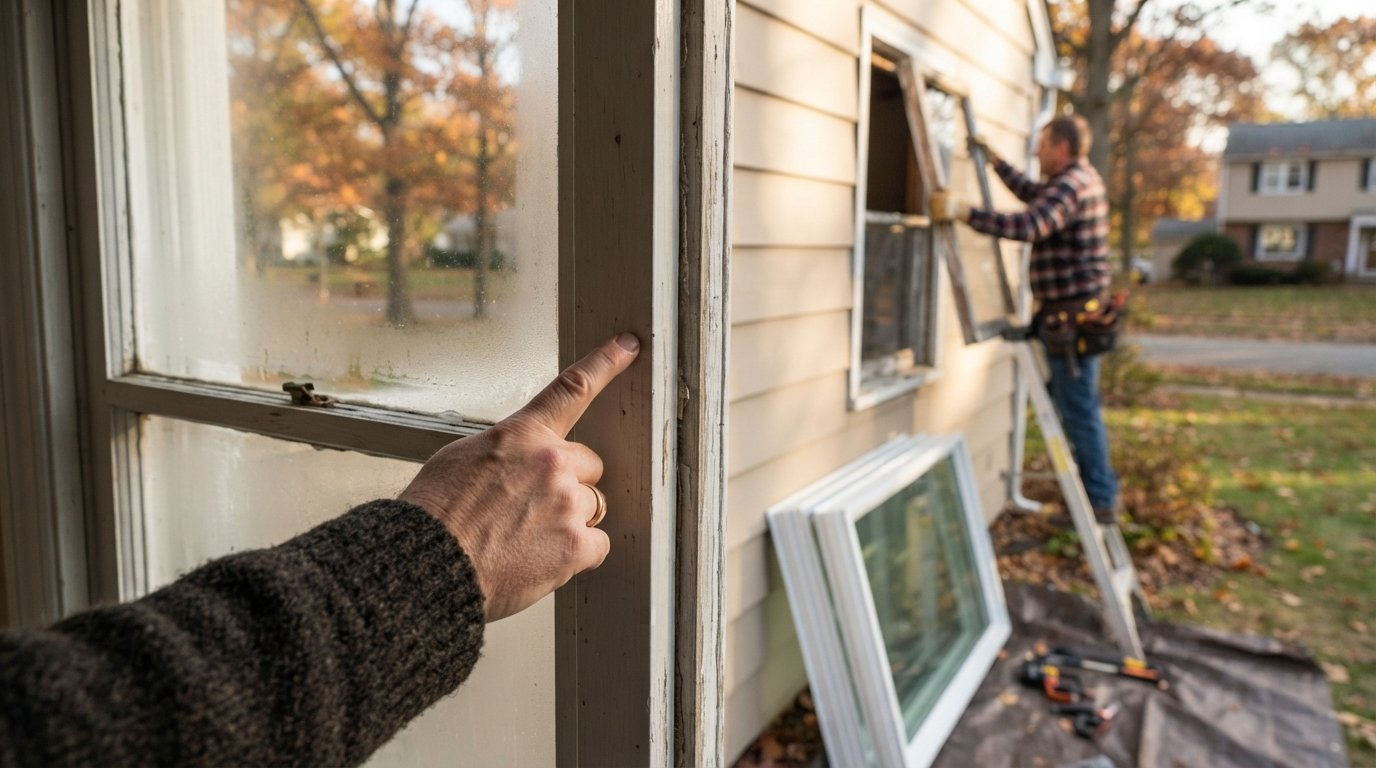
Not every window issue requires a full replacement. Some problems, like a broken seal or cracked glass, can be repaired. However, there are clear signs that replacement is the smarter, more cost-effective choice. Start by inspecting your windows on a sunny day and during a rainstorm. Look for condensation between the glass panes, which signals a failed seal. Feel for drafts around the frame and check for visible rot or water damage on the wood. If your windows are difficult to open or close, or if they are painted shut, that is another indication that the hardware and balance systems are failing.
Pay attention to your energy bills as well. A sudden spike in heating or cooling costs often points to air leakage around old windows. If your windows are more than 20 years old, they likely lack the low-E coatings and gas fills that modern windows use to reflect heat and block UV rays. Replacing them can reduce your energy consumption by 12 to 20 percent, according to the Department of Energy. That translates into tangible monthly savings, especially in extreme climates. When you notice two or more of these signs, it is time to start planning a replacement.
The True Cost of Window Replacement
Window replacement is not a one-size-fits-all expense. The total cost depends on several factors: the number of windows, the frame material, the glass type, the complexity of installation, and your geographic location. On average, homeowners in the United States pay between 500 and 1,200 dollars per window, including installation. For a standard three-bedroom home with 10 to 15 windows, that means a total project cost between 6,000 and 15,000 dollars. Luxury materials and custom shapes can push the price much higher.
Here is a breakdown of what influences the final quote:
- Frame material: Vinyl is the most affordable, followed by aluminum and wood. Fiberglass and composite frames sit at the high end but offer superior durability and insulation.
- Glass options: Double pane with low-E coating is the standard. Triple pane, tempered, or impact-resistant glass adds cost but improves energy efficiency and safety.
- Installation complexity: Replacing a window in an existing opening is less expensive than installing a new opening or dealing with structural issues. Second-story windows also require more labor and safety equipment.
- Brand and warranty: Premium brands with long warranties cost more upfront but often provide better long-term performance and easier service.
Do not be tempted to choose the lowest bid without checking the contractor's credentials and reviews. A poorly installed window can negate the benefits of even the most expensive glass. Conversely, a high quote is not always justified. The best approach is to obtain multiple itemized quotes from licensed, insured professionals. This allows you to compare apples to apples and understand exactly what you are paying for. Many homeowners also finance their window replacement, spreading the cost over several years. Some contractors and window companies offer promotional financing with zero percent interest for a set period, which can make the project more manageable.
Return on Investment and Home Value
Window replacement is one of the few home improvements that offers a strong return on investment (ROI) at resale. According to the Remodeling 2026 Cost vs. Value Report, homeowners recoup an average of 68 to 74 percent of the project cost when they sell. That means a 12,000 dollar window replacement can add roughly 8,500 to 9,000 dollars to your home's resale value. The exact number depends on your local real estate market and the quality of the windows you choose.
Beyond resale value, new windows improve your home's comfort and marketability. Buyers are drawn to energy-efficient features, and new windows are a visible, tangible upgrade. They also eliminate the need for future maintenance, which is a strong selling point. If you plan to stay in your home for several years, the energy savings plus the enhanced living comfort may justify the investment on their own. Many homeowners report that their homes feel quieter and more consistent in temperature after a window replacement, which adds to daily quality of life.
Choosing the Right Window Frame and Glass
The frame material and glass type you select determine the performance, appearance, and lifespan of your new windows. Vinyl frames dominate the market because they are affordable, low maintenance, and provide good insulation. They do not rot or corrode, and they come in a variety of colors and finishes. However, vinyl frames can expand and contract with temperature changes, which may affect the seal over time. High-quality vinyl with welded corners minimizes this risk.
Wood frames offer a classic, warm aesthetic and excellent insulation, but they require periodic painting and sealing to prevent rot. Aluminum frames are lightweight and strong, making them ideal for large openings, but they conduct heat and cold more readily, reducing energy efficiency. Fiberglass and composite frames are the premium option: they are incredibly durable, resist warping, and have the thermal performance of wood with far less maintenance. They also accept paint well, allowing for custom colors.
For glass, the industry standard is double pane with low-E coating and argon gas fill. Low-E (low emissivity) coating reflects infrared heat while allowing visible light to pass through. Argon gas is denser than air, providing better insulation between the panes. If you live in a hot climate, a solar control low-E coating can reduce cooling costs. If you live in a cold climate, a high solar gain low-E coating helps retain heat. Triple pane windows are available for extreme climates or noisy areas, but they are significantly heavier and more expensive. Impact-resistant glass is required in some coastal zones and adds security against breakage.
Full-Frame vs. Insert Replacement
When you replace a window, you have two main installation methods: full-frame replacement and insert (or pocket) replacement. Full-frame replacement involves removing the entire existing window, including the frame and sill, down to the rough opening. This allows you to address any rot, mold, or structural damage hidden beneath the old frame. It is also necessary if you are changing the size or shape of the window opening. Full-frame replacement is more labor intensive and expensive, but it ensures a clean, airtight installation and is the recommended method for older homes with damaged frames.
Insert replacement, on the other hand, installs a new window inside the existing frame. The old sashes and hardware are removed, but the original frame and jambs remain. This method is faster, less disruptive, and less expensive. It works well when the existing frame is in good condition and the window is a standard size. The downside is that the new window will be slightly smaller than the original, and you lose the opportunity to inspect or repair the surrounding structure. Insert replacement is also not suitable if you are upgrading to a different window style (for example, from double hung to casement) or if you want to increase the glass area.
Your contractor will help you decide which method is appropriate for each opening. In many cases, a mix of both may be used: full-frame for windows with visible damage, insert for those in good shape. Be wary of contractors who recommend full-frame replacement for every window, as it may be unnecessary and inflate your cost. Conversely, if a contractor suggests insert replacement for a window with rotten framing, that is a red flag. The goal is to match the method to the condition of your home.
Finding a Reliable Window Contractor
The success of your window replacement project hinges on the quality of the installation. Even the best window will underperform if it is improperly fitted. Start by asking for recommendations from friends, family, and neighbors who have recently had windows installed. Online reviews on platforms like Google and Yelp provide additional insight, but read them critically: a few negative reviews among hundreds of positive ones is normal. Verify that the contractor is licensed, bonded, and insured. A reputable contractor will be happy to provide proof of insurance and licensing.
Interview at least three contractors and request itemized quotes from each. The quote should include the cost of materials, labor, disposal of old windows, permits, and any warranty coverage. Ask about the manufacturer's warranty on the windows and the contractor's workmanship warranty. A standard workmanship warranty is one to two years, but some contractors offer longer. Clarify how they handle unexpected issues, such as discovering rot during a full-frame replacement. Will they stop and give you a new quote, or is there a contingency allowance in the contract?
When you are ready to move forward, consider using a platform like USremodel. It connects you with vetted, independent contractors in your area who specialize in window installation and replacement. You can receive multiple customized quotes for free, compare pricing and services, and choose the contractor that best fits your needs. This approach saves you the time of cold-calling and helps you avoid unlicensed or uninsured workers. It also gives you the peace of mind that comes from working with professionals who are accountable to a platform's standards.
What to Expect During Installation
A typical window replacement project for a single-family home takes one to three days, depending on the number of windows and the installation method. On the first day, the crew will set up protective coverings for your floors and furniture, then remove the old windows. For insert replacements, this process is quick and tidy. For full-frame replacements, the crew will expose the rough opening, which may reveal old insulation or framing. They will then install the new window, level it, and secure it with fasteners. After that, they will insulate around the frame with foam or fiberglass and finish the interior and exterior trim.
You should expect some noise and dust, but a professional crew will minimize disruption and clean up thoroughly each day. Make sure to ask about how they handle debris and whether they will haul away the old windows. Most contractors include disposal in their quote, but confirm it in writing. Also, ask about the exact timeline and whether weather conditions could affect the schedule. If you are having full-frame replacements, there will be a period when your home is open to the outside, so plan accordingly.
After the installation, inspect the new windows carefully. Open and close each one to ensure smooth operation. Check that the locks align and the glass is free of cracks or scratches. Look at the caulking and trim from both inside and outside. If you notice any issues, report them to the contractor immediately so they can be corrected before they finalize the job. A reputable contractor will perform a walkthrough with you and address any concerns on the spot.
Financing and Saving on Your Project
Window replacement is a significant investment, but there are ways to reduce the financial burden. First, take advantage of any federal or local energy efficiency rebates. The Inflation Reduction Act extended tax credits for energy-efficient home improvements, including windows that meet ENERGY STAR criteria. You may be eligible for a tax credit of up to 600 dollars per year for qualifying windows. Check the ENERGY STAR website and your state's energy office for current incentives.
Second, consider timing your project during the off-season. Contractors are busiest in spring and summer, so scheduling in late fall or winter may yield lower quotes or promotional discounts. Some window manufacturers also offer seasonal rebates, often 10 to 15 percent off the purchase price. Third, if you are replacing windows in phases, prioritize the areas that affect comfort and energy efficiency the most: bedrooms, living rooms, and south-facing windows. This allows you to spread the cost over time while still enjoying immediate improvements.
Finally, use a lead generation platform like USremodel to compare quotes from multiple contractors. Competition among contractors can drive prices down, and you may find that some are willing to match or beat a competitor's quote. The platform is free for homeowners, so you have nothing to lose by exploring your options. Many contractors also offer financing plans with low monthly payments, making it easier to start the project sooner rather than later.
Maintaining Your New Windows
Once your new windows are installed, proper maintenance will ensure they last for decades. Vinyl and fiberglass frames require very little upkeep: just occasional cleaning with a mild detergent and water. Wood frames need to be inspected annually for signs of peeling paint or rot, and they should be repainted or stained every few years. Clean the glass with a soft cloth and a non-abrasive cleaner to avoid scratching the surface. Check the weatherstripping and caulking annually and replace them if they show signs of wear.
Do not forget to clean the tracks and sashes on sliding or double-hung windows. Dirt and debris can cause the window to stick or the seal to degrade. Lubricate the moving parts with a silicone-based spray to keep them operating smoothly. If you have a warranty, keep the paperwork in a safe place and note the coverage details. Most warranties cover the glass and frame for 20 to 30 years, but they may require professional installation to remain valid.
By investing a little time in maintenance, you protect your investment and keep your home comfortable and energy efficient. If you notice any issues, such as condensation between the panes or a draft around the frame, contact a professional early. Addressing problems promptly can prevent them from escalating into costly repairs. And when the time comes for another upgrade, USremodel is there to connect you with trusted contractors for any home improvement project.
Replacing your windows is a decision that improves your home's comfort, efficiency, and value. By understanding the signs that replacement is needed, budgeting realistically, choosing the right materials, and working with a qualified professional, you set yourself up for success. Use the resources available to you, including free quote comparison through USremodel, to make an informed choice. Your home will thank you for years to come.
Learn more about Window Installation for guides, costs, and what to expect.
Compare Window Installation Pros Near You
Enter your ZIP code to compare top-rated local professionals and request free quotes.