
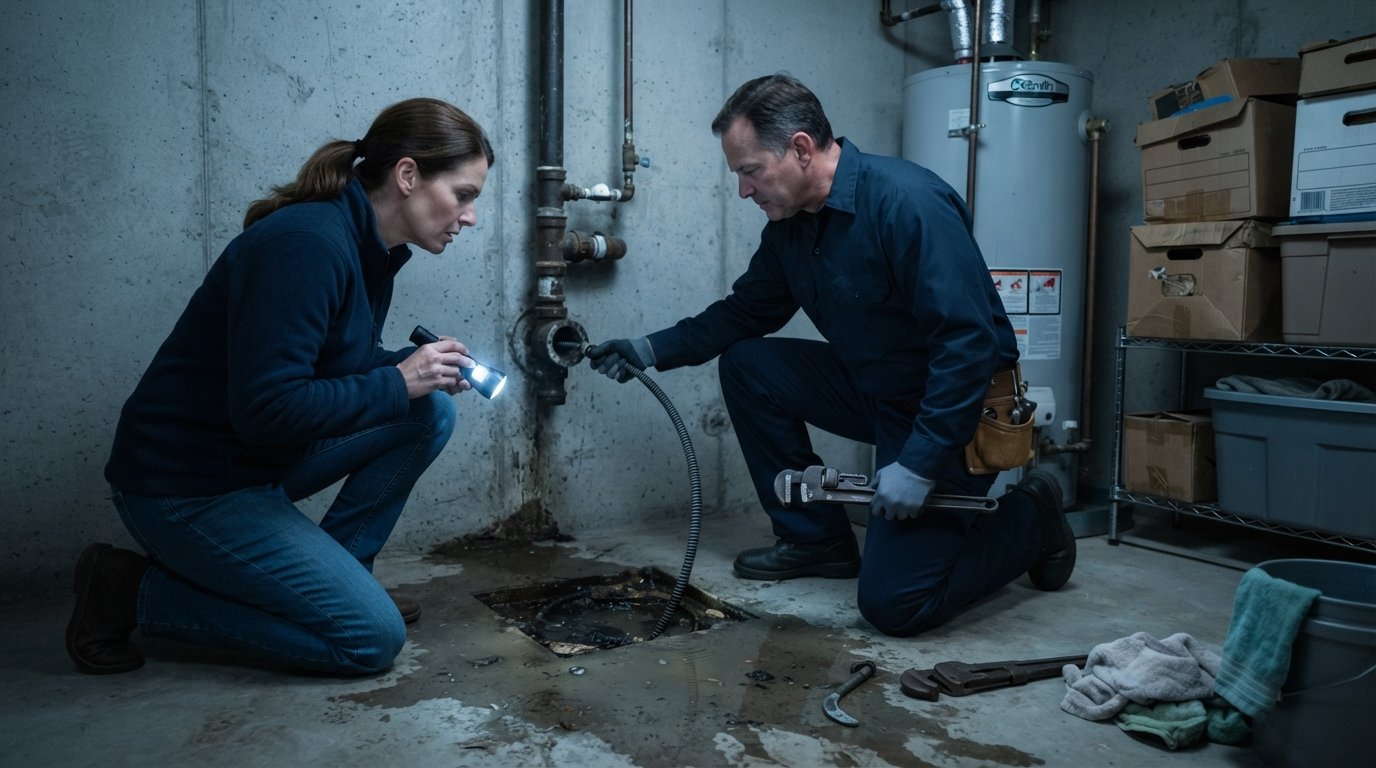
Sewer Line and Drain Backup Warning Signs to Never Ignore
Learn the sewer line and drain backup warning signs homeowners should not ignore and protect your home. Call (833)-700-4293 for expert help.

Learn more about Plumbing Drain Repair for guides, costs, and what to expect.
Compare Plumbing Drain Repair Pros Near You

Enter your ZIP code to compare top-rated local professionals and request free quotes.
Your home's plumbing system is one of those quiet workhorses you rarely think about until something goes wrong. A slow drain here or a faint gurgle there might seem harmless, but these small annoyances can be the first whispers of a failing sewer line. Ignoring them is like ignoring a check engine light: the problem will not fix itself, and the eventual cost will be far higher than an early repair. For homeowners, recognizing the sewer line and drain backup warning signs homeowners should not ignore is the difference between a routine maintenance call and a five-figure emergency excavation. This guide will walk you through the signals, causes, and practical steps so you can act before a small issue becomes a messy, expensive disaster.
Early Warning Signs That Demand Attention
Most sewer line problems do not begin with a dramatic flood. They start subtly, with symptoms that are easy to dismiss or attribute to a one-off clog. However, when these signs recur or appear together, they point to a deeper issue in the mainline rather than a simple drain blockage. Paying attention to these early indicators can save you thousands in emergency repairs and prevent damage to your home's foundation and landscaping.
Recurring clogs are one of the most common red flags. If you find yourself reaching for the plunger or snake every few weeks in the same drain, the problem is likely not just hair or soap scum. A persistent clog in a single fixture suggests a localized blockage, but when multiple drains start slowing down or backing up simultaneously, the obstruction is almost certainly in the main sewer line. This is a critical distinction: fixture-level clogs are a nuisance, but mainline clogs are a warning.
Gurgling sounds from toilets, sinks, or floor drains are another classic signal. When water drains, it needs air to flow behind it. If the venting system is compromised or the line is partially blocked, air gets trapped and forced back through other fixtures, creating that distinctive gurgle. Similarly, odors that linger around drains or in the basement are more than just unpleasant. Sewer gas contains methane and hydrogen sulfide, and a persistent smell can indicate a crack in the pipe or a dry trap that is allowing gases to escape. These are not merely comfort issues; they are health and safety concerns.
Slow drainage throughout the house is a broader indicator that the mainline is struggling. If you notice that water in the shower pools around your feet, or the kitchen sink takes minutes to empty, and this is happening in multiple rooms, the cumulative effect points to a shared blockage. Homeowners should also watch for water backing up in unusual places, such as the basement floor drain or the washing machine standpipe, especially after using a high-volume appliance like a dishwasher or washing machine. These appliances send a surge of water into the system, and if the mainline is restricted, the water has nowhere to go but back up.
- Recurring clogs in the same fixture or multiple fixtures
- Gurgling noises from drains and toilets
- Persistent sewer odors in the basement or yard
- Slow drainage across the entire home
- Water backing up in floor drains or appliances
Another often-overlooked sign is a soggy patch in the yard or a sunken area along the sewer line's path. Sewage leaking into the soil can create soft, foul-smelling spots and even attract insects or rodents. If you notice unexplained lush patches of grass or depressions in the lawn, it is worth investigating. In more severe cases, foundation cracks can develop as the soil shifts from excess moisture or from the collapse of a deteriorating pipe. While not every foundation issue is sewer-related, the two can be connected, and it is wise to consult a professional if you see structural changes alongside plumbing symptoms. For more on structural warning signs, see our guide on foundation repair warning signs homeowners should know.
Common Causes Behind Sewer Line Failures
Understanding why sewer lines fail helps homeowners assess risk and take preventative measures. The three most common culprits are tree root intrusion, pipe collapse, and grease buildup. Each has its own set of warning signs and solutions, but all benefit from early detection.
Tree root intrusion is a pervasive problem, especially in older neighborhoods with mature trees. Roots are naturally drawn to the moisture and nutrients in sewer lines, and even a tiny hairline crack or loose joint is an invitation. Once inside, roots grow into a dense mat that catches debris and gradually restricts flow. The symptoms often start as slow drains in the lowest fixtures of the home, such as basement bathrooms, and progress to complete backups. If you have large trees near your sewer line, annual inspections are a smart investment.
Pipe collapse can result from age, ground movement, or deterioration of materials like cast iron or clay. Older homes are particularly susceptible, but even newer PVC pipes can collapse if the soil beneath them erodes or if heavy equipment drives over them. Signs of collapse include sagging floors, repeated backups, and sometimes a visible depression in the yard. A camera inspection is the only reliable way to confirm a collapse, as it allows a technician to see the inside of the pipe and identify breaks, offsets, or crushed sections.
Grease buildup is a homeowner-caused issue that is entirely preventable. Fats, oils, and grease poured down the kitchen sink congeal as they cool, coating the inside of the pipe and narrowing the passage. Over time, this layer hardens and combines with soap and food particles to form a stubborn blockage. Regular use of a drain strainer and proper disposal of grease in the trash can dramatically reduce the risk. However, if grease has already caused recurring clogs, professional hydro-jetting may be needed to scour the pipe clean.
The Role of Camera Inspection Before Any Quote
Before you agree to any repair, a camera inspection is non-negotiable. This diagnostic step involves inserting a flexible camera into the sewer line through a cleanout access point. The technician can then view the interior of the pipe in real time, identifying the exact location and nature of the problem. Without this step, any quote is essentially a guess, and you risk paying for unnecessary work or missing the true cause.
A camera inspection reveals several critical details. It shows whether the issue is a localized clog, a root intrusion, a crack, a collapsed section, or a bellied pipe where the line has sagged and created a low spot that collects waste. It also helps determine the pipe's material and condition, which informs whether repair or replacement is the better option. For homeowners, this transparency is empowering: you can see the problem on the monitor and make an informed decision rather than relying solely on a contractor's verbal description.
Moreover, a camera inspection often pays for itself by preventing unnecessary excavation. If the problem is a simple clog or a small root cluster, hydro-jetting or root cutting can resolve it without digging. If the pipe is collapsed or severely deteriorated, the inspection provides the evidence needed to plan a targeted repair, such as a spot repair or a full replacement. Always ask for a copy of the inspection video or a written report; reputable contractors are happy to provide this documentation.
Repair Versus Replacement: What to Expect
When a sewer line problem is confirmed, the next decision is whether to repair or replace. This choice depends on the extent of the damage, the pipe's overall condition, and the home's long-term needs. A spot repair is often sufficient for isolated cracks or root intrusions, especially in otherwise sound pipes. It involves excavating the damaged section and replacing it with new pipe, or using trenchless methods like pipe lining or bursting that minimize digging.
Full replacement is recommended when the pipe is extensively damaged, has multiple failures, or is made of outdated materials that are prone to collapse. While the upfront cost is higher, replacement can be more cost-effective in the long run by preventing recurring repairs and the risk of a catastrophic backup. Typical cost drivers include the length of the line, the depth of burial, the material used, accessibility, and local labor rates. Trenchless methods can reduce landscaping damage and speed up the project, but they may not be suitable for all situations.
Homeowners should obtain multiple quotes and ensure each includes a detailed scope of work, the method of repair, permits, and cleanup. Be wary of quotes that seem unusually low; they may exclude essential steps like camera inspection or proper restoration. A reputable contractor will explain the options clearly and help you weigh the pros and cons based on your budget and the home's condition.
Emergency Versus Diagnostic: Knowing When to Call
Not all sewer issues are emergencies, but some demand immediate action. Knowing the difference can save you from costly water damage and health hazards. An emergency plumber should be called when raw sewage is backing up into the home, when there is a complete blockage that prevents any water from draining, or when you suspect a collapsed pipe that is causing flooding. These situations pose health risks and can damage flooring, drywall, and electrical systems if left unchecked.
For slow drains, gurgling, or recurring clogs that have not yet caused a backup, a diagnostic appointment is appropriate. This allows you to schedule a camera inspection and receive a repair quote without the premium rates of after-hours service. However, if you are unsure, err on the side of caution: a quick call to a professional can help you determine the urgency. Many plumbing companies offer emergency lines and can advise you over the phone.
Preventative maintenance is the best strategy. Regular inspections, especially for older homes or those with large trees, can catch problems early. Avoiding grease down the drain, using strainers, and being mindful of what you flush can extend the life of your sewer line. If you are planning a larger home improvement project, such as a kitchen or bathroom remodel, consider a sewer inspection as part of the planning process. And if you are exploring energy-efficient upgrades like solar panels, our partner site FreeSolarPowerQuotes offers free quotes and educational resources to help you save on energy bills while addressing home infrastructure needs.
In summary, the sewer line and drain backup warning signs homeowners should not ignore are your home's way of asking for help. From gurgling drains to soggy yards, each symptom tells a story. By acting early, scheduling a camera inspection, and choosing the right repair strategy, you protect your home, your wallet, and your peace of mind. If you notice any of these signs, do not wait for a disaster. Reach out to a qualified professional through a trusted platform like USremodel to get multiple free quotes and find the right contractor for your needs.