
Summer Home Maintenance Checklist to Prevent Costly Repairs
Use this summer home maintenance checklist to prevent costly repairs and avoid surprise bills. Call (833)-700-4293 for professional help today.

Learn more about Handyman for guides, costs, and what to expect.
Compare Handyman Pros Near You

Enter your ZIP code to compare top-rated local professionals and request free quotes.
Summer is the season of long days, backyard barbecues, and, for homeowners, a critical window to protect your biggest investment. The warm months are not just for relaxation: they are your best chance to catch small problems before they become expensive emergencies. A proactive summer home maintenance checklist to prevent costly repairs can save you thousands of dollars and a lot of stress when the weather turns cold. Think about it: a tiny crack in the caulk around a window can let in water that rots the frame and invites mold. A clogged gutter can send rainwater cascading into your foundation, leading to basement flooding and structural damage. These issues are easy to overlook when the sun is shining, but they are exactly the kind of hidden threats that a thorough summer inspection can neutralize. By dedicating a few weekends to targeted checks and tune-ups, you can avoid the panic of a mid-winter furnace failure or a spring roof leak. This guide will walk you through the essential tasks, from exterior checks to HVAC tune-ups, and help you decide which jobs are safe to DIY and which require a professional. Let us get started on protecting your home while the weather is on your side.
Why Summer Is the Ideal Time for a Maintenance Blitz
Summer offers distinct advantages for tackling home maintenance. The days are longer, the weather is generally dry and mild, and you have the time and energy to spend on outdoor projects. More importantly, completing these tasks now prevents small issues from escalating into major repairs during fall and winter, when rain, snow, and freezing temperatures can exploit any weakness. For example, sealing exterior cracks in summer ensures they are watertight before the first storm. Tuning up your air conditioning in late spring or early summer guarantees it will run efficiently during peak heat, reducing the risk of a breakdown when you need it most. A summer maintenance blitz also gives you a chance to spot problems that are easier to fix in good weather, like roof damage or drainage issues. By being proactive, you not only avoid costly repairs but also extend the lifespan of your home's systems and improve its overall value. So, before you plan your next vacation, plan a few hours for your home. It will thank you later.
Exterior Checks: Siding, Caulk, and Paint Failures
The exterior of your home takes a beating year-round, but summer is the perfect time to inspect and repair any damage. Start with a walk around your house, looking closely at the siding, trim, and paint. Look for cracks, peeling paint, warped boards, or gaps where water could enter. Pay special attention to areas around windows, doors, and utility penetrations, as these are common entry points for moisture. Caulk and sealant are your first line of defense against water intrusion, but they degrade over time. Check all caulked joints, especially around windows and doors, and remove and replace any that are cracked, peeling, or missing. This simple task can prevent water from seeping behind the siding and causing rot or mold. Paint is more than just aesthetics; it protects the underlying material. If you see peeling or blistering paint, scrape and repaint the area, and investigate the cause (often moisture). For a deeper dive into exterior protection, consider how professional assessments can catch issues you might miss. For instance, our guide on professional cabinet installation emphasizes the importance of proper sealing and alignment, principles that apply to exterior trim as well. While you are at it, inspect the foundation for cracks and fill them with a suitable sealant. These exterior checks are relatively simple but yield significant returns by preventing water damage and pest intrusion.
Roof, Gutter, and Drainage Inspections Before Storm Season
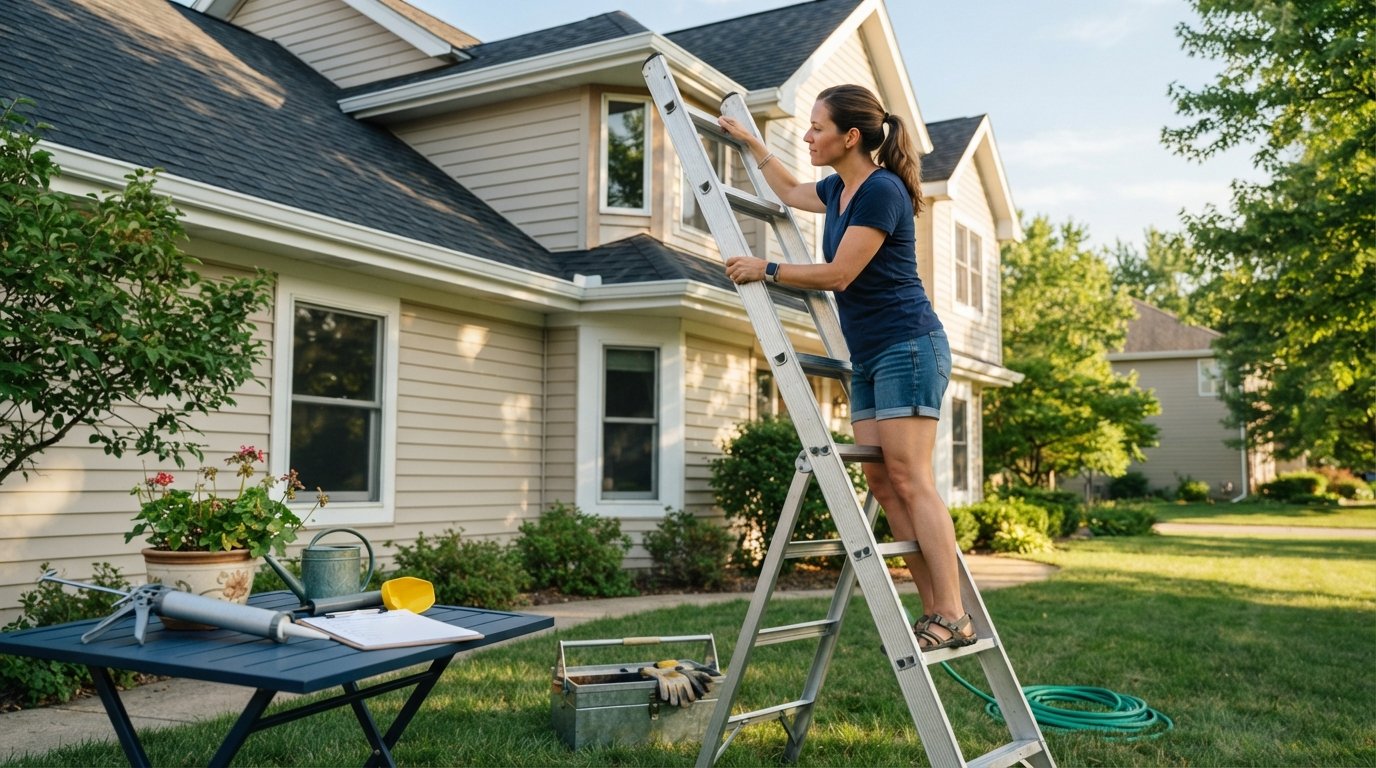
Your roof and gutters are your home's primary defense against the elements, so they deserve a thorough inspection each summer. Start by examining your roof from the ground with binoculars, looking for missing, damaged, or curling shingles, as well as any signs of wear around flashing and vents. If you are comfortable and safe, you can use a ladder to get a closer look, but never walk on a roof unless you have proper safety equipment and experience. It is often best to hire a professional for a detailed roof inspection, especially if your roof is older or you have noticed leaks. While you are up there (or having a pro check), make sure gutters and downspouts are clear of debris. Clogged gutters can cause water to back up under the roof edge, leading to rot, and can overflow, sending water into your foundation. After clearing them, check that downspouts direct water at least 4 to 6 feet away from the foundation. Consider adding extensions if needed. Also, inspect the grading around your home: the soil should slope away from the foundation to prevent pooling. These steps are crucial before the rainy season begins. If you find significant roof damage, it may be time to call in a professional for repairs or replacement. Remember, addressing these issues now can save you from costly water damage and structural repairs later.
HVAC Cooling Tune-Up: Timing and What Pros Test
Your air conditioning system works hard all summer, and a little maintenance goes a long way toward preventing breakdowns and high energy bills. The ideal time for a professional tune-up is in late spring or early summer, before the first heat wave. During a tune-up, a technician will clean the condenser coils, check refrigerant levels, test electrical connections, lubricate moving parts, and verify the system's overall performance. They will also check the air filter, which you should be changing regularly (every 1-3 months) to maintain airflow and efficiency. DIY maintenance includes cleaning or replacing filters, clearing debris from around the outdoor unit, and keeping vents unblocked. However, tasks like checking refrigerant or electrical components should be left to professionals. Regular tune-ups can extend the life of your system, improve efficiency, and reduce the risk of a mid-summer failure. While you are focusing on energy efficiency, consider whether solar energy could offset your cooling costs. Exploring free solar power quotes can help you understand options for reducing your carbon footprint and utility bills. By investing a little time and money in HVAC maintenance now, you avoid the discomfort and expense of an emergency repair when temperatures soar.
DIY vs. Professional: Which Tasks Are Safe to Tackle Yourself
Not all maintenance tasks are created equal. Some are perfectly safe for a handy homeowner, while others require the expertise and tools of a professional. Knowing the difference can save you time, money, and potential injury. As a general rule, tasks that involve working at heights, handling electrical systems, or repairing major appliances should be left to the pros. However, many routine checks and minor fixes are well within the scope of DIY. Here is a list to help you decide:
- Safe DIY tasks: Changing HVAC filters, cleaning gutters (with proper ladder safety), caulking small cracks, touching up paint, testing smoke detectors, and clearing debris from outdoor units.
- Pro-only tasks: Roof inspections and repairs, electrical work, HVAC refrigerant checks, foundation repairs, and anything involving gas lines.
When in doubt, hire a licensed professional. The cost of a professional service is often far less than the cost of fixing a DIY mistake. For projects that require a contractor, USremodel can connect you with trusted local experts. For example, if your exterior checks reveal the need for new siding or window replacement, getting multiple quotes from vetted contractors ensures you get quality work at a fair price. Remember, your safety and the integrity of your home are worth the investment in professional help. By tackling the safe tasks yourself and outsourcing the rest, you can efficiently complete your summer maintenance checklist and prevent costly repairs down the line.
Creating Your Summer Maintenance Schedule
To make the most of the season, break your summer home maintenance checklist into manageable chunks. Dedicate a weekend to exterior checks and caulking, another to roof and gutter cleaning, and schedule your HVAC tune-up early. Keep a checklist and mark off tasks as you go. This approach prevents overwhelm and ensures nothing is missed. Additionally, consider setting reminders for tasks that should be repeated, like changing filters monthly or checking gutters after heavy storms. By staying organized, you turn maintenance into a habit rather than a chore. And remember, a well-maintained home is not just about avoiding repairs; it is about creating a safe, comfortable, and valuable living environment for you and your family.
Your home is likely your largest investment, and a little proactive care goes a long way. By following this summer home maintenance checklist to prevent costly repairs, you can enjoy peace of mind knowing you have done your part to protect it. From sealing cracks to tuning up your AC, each task you complete now is a safeguard against future expenses and headaches. So, grab your tools, set aside some time, and give your home the attention it deserves this summer. Your future self will thank you.