
Foundation Repair Warning Signs Homeowners Should Know
Spot foundation repair warning signs homeowners should know before damage spreads. Call (833)-700-4293 to connect with trusted local specialists.
By Margaret Sheridan
Learn more about Foundation Repair for guides, costs, and what to expect.
Compare Foundation Repair Pros Near You

Enter your ZIP code to compare top-rated local professionals and request free quotes.
Your home's foundation is the silent workhorse that holds everything together, quite literally. When it starts to fail, the clues are often subtle at first: a hairline crack here, a door that sticks there. Ignoring these early whispers can lead to thunderous repair bills down the road. Understanding the foundation repair warning signs homeowners should know is not about becoming an alarmist; it is about becoming an informed steward of your biggest investment. This guide walks you through the red flags, the root causes, and the practical steps to take so you can act with confidence rather than panic.
The Exterior and Interior Clues You Should Never Ignore
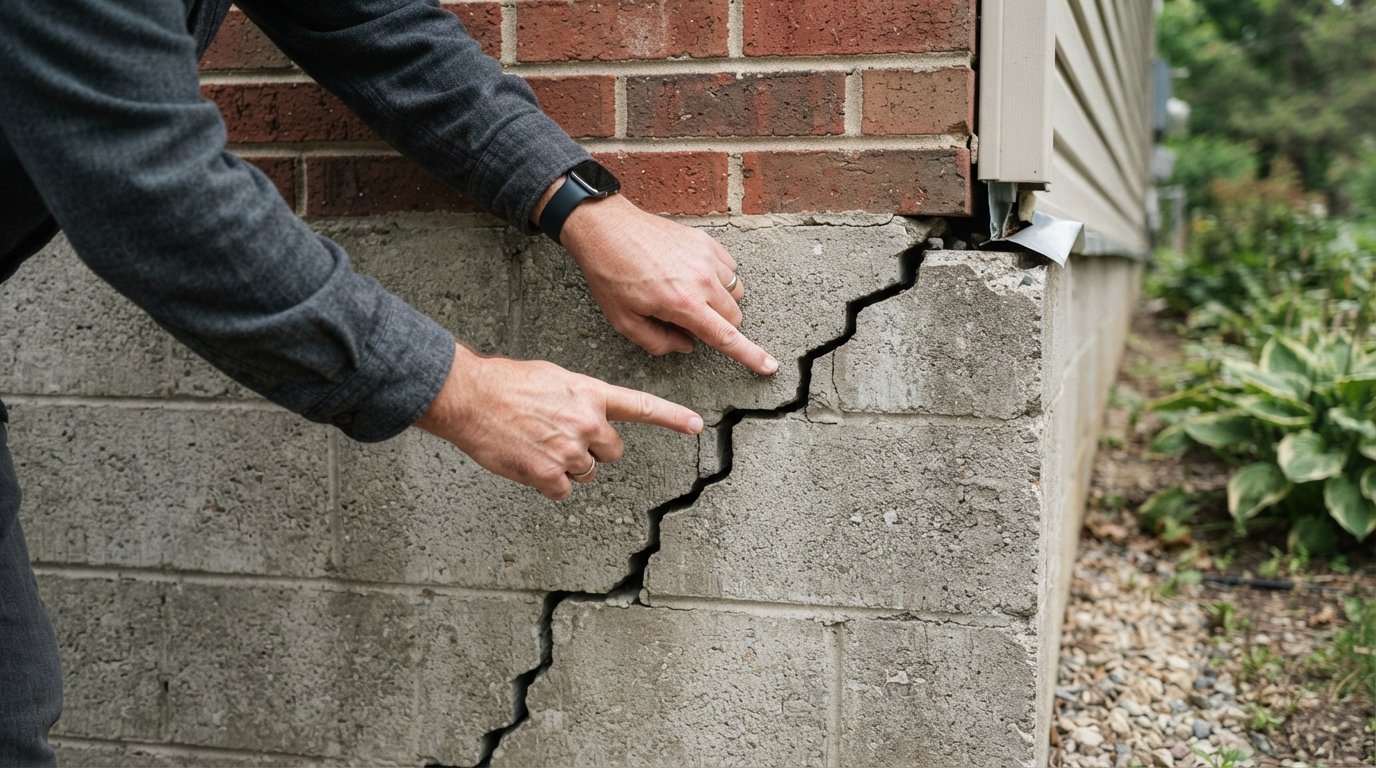
Foundation problems rarely announce themselves with a single dramatic event. Instead, they leave a trail of small, often overlooked clues across both the outside and inside of your home. Catching these signs early is the difference between a minor fix and a major structural overhaul. Start by taking a slow, deliberate walk around your property's perimeter. Look for cracks in the foundation walls themselves, particularly those that are wider than a quarter inch, diagonal, or stair-stepped. Pay attention to the brickwork or siding; gaps where the house meets the ground, or separations around windows and doors, are classic indicators that the structure is shifting.
Inside, the story continues. You might notice doors that suddenly refuse to latch or windows that stick shut, especially in rooms where they previously worked fine. This happens because the frame of the house is racking or twisting as the foundation moves. Uneven floors are another major tell. Grab a marble and set it on the floor in different rooms; if it rolls away on its own, you have a slope that should be investigated. Also, look at the walls where they meet the ceiling and floor. Cracks that appear at the corners of doorways or above windows are common as the structure flexes.
To help you organize your observations, here is a checklist of the most common warning signs to look for:
- Cracks in the foundation: Look for zigzag, stair-step patterns in brick or diagonal cracks in concrete block, especially ones that are wider than a hairline.
- Sticking doors and windows: If doors latch differently depending on the season or windows are hard to open, the frame may be out of square.
- Uneven or sloping floors: Noticeable dips or a floor that feels bouncy underfoot can indicate settlement or joist issues.
- Gaps around exterior doors and windows: Daylight visible around the frame or gaps where caulk has pulled away suggest the house is shifting.
- Mold or moisture in the crawl space: Persistent dampness or musty odors can point to poor drainage affecting the foundation.
These signs are not a guarantee of catastrophic failure, but they are your home's way of asking for a professional opinion. A qualified foundation inspector can use tools like a zip-level or laser to measure movement and determine if the issue is cosmetic or structural. Early intervention is almost always less expensive than waiting for the problem to compound.
Why Foundations Fail: Soil, Water, and the Forces of Nature
To understand the warning signs, it helps to understand the culprit. In the vast majority of cases, foundation issues stem from the soil beneath your home. Soil is not static; it expands when it absorbs water and contracts when it dries out. This cycle of swelling and shrinking, often called expansive soil behavior, exerts immense pressure on foundation walls. During a drought, the soil pulls away from the foundation, leaving a gap that allows the structure to settle unevenly. Conversely, during heavy rains, the soil can become saturated and push against the foundation with tremendous force.
Water management is the single most critical factor in foundation health. Poor drainage is the enemy. If your gutters are clogged, downspouts discharge too close to the house, or the grading of your yard slopes toward the foundation instead of away from it, water will pool around the base. This leads to soil erosion, hydrostatic pressure, and eventually cracks. In colder climates, the freeze-thaw cycle adds another layer of stress as water in the soil freezes, expands, and heaves the foundation upward. Understanding these causes reinforces why the foundation repair warning signs homeowners should know are so closely tied to water and soil conditions.
Other causes include poor initial construction, such as inadequate footing depth or a lack of proper compaction before the concrete was poured. Tree roots can also be a factor; large trees planted too close to the house can siphon moisture from the soil, causing it to shrink and settle. Recognizing these environmental and structural factors can help you have a more productive conversation with a contractor. For a deeper dive into how these issues affect your property's overall value, you can read our guide on foundation repair and protecting home value. It explains how addressing structural issues early preserves your equity and avoids the steep discounts buyers demand when problems are disclosed.
Repair Methods and What You Can Expect to Pay
Once a problem is identified, the next question is always about the solution and the cost. Foundation repair is not a one-size-fits-all industry. The method chosen depends on the type of foundation (slab, pier and beam, or basement) and the specific cause of the movement. Common solutions include underpinning with steel piers, which are driven deep into stable soil to lift and support the home; helical piers, which are screwed into the ground; and slab jacking, where a grout mixture is pumped under a concrete slab to fill voids and lift it back into place. For crawl space issues, contractors might install new support beams or encapsulate the space to control moisture.
Costs vary widely based on geography, the extent of the damage, and the repair method. Minor crack sealing might cost a few hundred dollars, while a full perimeter pier installation can run into the tens of thousands. It is crucial to get multiple quotes and to ask for a detailed explanation of the proposed work. Be wary of contractors who offer a single solution for every problem or who pressure you to sign immediately. A reputable professional will perform a thorough inspection, explain the findings, and offer options.
Here is a general breakdown of common repair approaches and their typical price ranges:
- Crack sealing and patching: Ideal for minor, non-structural cracks. Cost: $250 to $800.
- Slab jacking: Used to lift sunken concrete slabs like driveways or patios. Cost: $500 to $3,000 depending on the area.
- Steel pier installation: A permanent solution for settling foundations, involving driving piers to bedrock or stable strata. Cost: $1,000 to $3,000 per pier, with most homes requiring 5 to 15 piers.
- Crawl space encapsulation: Controls moisture and improves structural stability in pier and beam homes. Cost: $1,500 to $15,000 depending on the size and condition.
These figures are estimates, and the final price will depend on your specific situation. The key takeaway is that delaying repairs rarely saves money. Small cracks can widen, and minor settling can turn into significant structural damage. When you are ready to explore solutions, using a platform to find vetted professionals can save you time and stress. For homeowners seeking qualified contractors for this and other projects, resources like PlanRemodel's contractor directory can help you connect with local experts who specialize in foundation and structural work.
The Critical Role of Professional Inspection and Early Action
While this guide arms you with knowledge, it cannot replace a trained eye. Foundation issues are often complex, and what looks like a simple crack to a homeowner might be a symptom of a deeper structural problem. A professional inspection typically includes a visual assessment of the interior and exterior, measurements of floor elevation, and an evaluation of the drainage and soil conditions. Inspectors may also use moisture meters and crack monitors to track movement over time. This data is essential for designing an effective repair plan.
Early intervention is the best financial decision you can make. Catching a foundation problem in its infancy often means a simpler, less invasive repair. For example, a small crack that is sealed early might prevent water infiltration that would otherwise lead to soil erosion and subsequent settling. Waiting until doors no longer close or floors visibly slope can mean the difference between a few thousand dollars and a full-scale underpinning job. Moreover, unresolved foundation issues can lead to secondary problems like mold growth, plumbing leaks, and ruined finishes, which add to the overall cost.
When you are ready to take action, finding the right specialist is paramount. Look for contractors who are licensed, insured, and have a track record of successful projects in your area. Ask for references and check online reviews. The foundation repair warning signs homeowners should know are your call to action: do not ignore them. By acting promptly, you protect your home, your wallet, and your peace of mind. If you have noticed any of the signs discussed here, schedule an inspection with a qualified professional today. Your home will thank you for it.
Learn more about Foundation Repair for guides, costs, and what to expect.
Compare Foundation Repair Pros Near You
Enter your ZIP code to compare top-rated local professionals and request free quotes.