
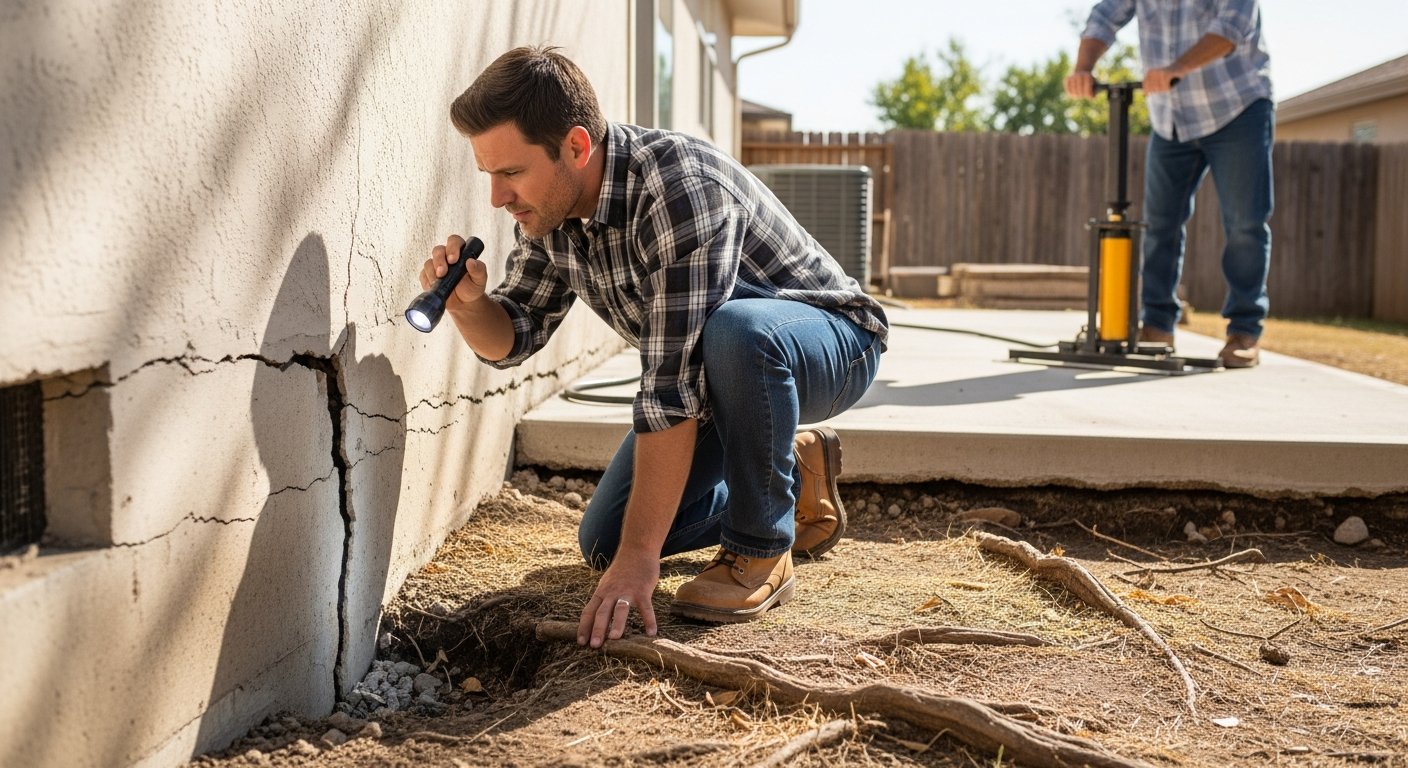
Foundation Repair: Protect Your Home's Value
Learn how foundation repair protects your home's value and what you need to know about costs, methods, and choosing a contractor.
By Justin Blake
Learn more about Foundation Repair for guides, costs, and what to expect.
Compare Foundation Repair Pros Near You

Enter your ZIP code to compare top-rated local professionals and request free quotes.
Your home's foundation is its most critical structural component, yet it is often the most overlooked. It silently supports everything above it, from the walls and roof to the windows and doors. When foundation problems arise, they can manifest in unsettling ways, such as cracked drywall, sticking doors, or uneven floors. Ignoring these signs can lead to more extensive damage and a significant decrease in your property's value. Understanding the causes, signs, and solutions for foundation issues is essential for every homeowner. This guide will walk you through what you need to know about foundation repair, helping you make informed decisions to protect your investment.
Understanding Foundation Problems and Their Causes
Foundation issues are rarely sudden events. They develop over time due to a variety of environmental and structural factors. The most common culprit is soil movement. Expansive clay soils, which are prevalent in many parts of the United States, swell when wet and shrink when dry. This constant expansion and contraction puts immense pressure on your foundation, leading to movement and cracking. Similarly, poor drainage around the home can saturate the soil near the foundation, exacerbating the problem.
Another significant cause is improper soil compaction before the foundation was poured. If the soil beneath the slab is not adequately compacted, it can settle unevenly, causing the foundation to shift. Tree roots can also be a contributing factor, as large roots can draw moisture from the soil beneath the foundation, creating voids and uneven support. Additionally, plumbing leaks under the slab can wash away soil, leading to settlement.
It is important to recognize that not all foundation movement is a cause for alarm. Minor, uniform settlement is normal and can be accommodated by the structure. However, differential settlement, where one part of the foundation sinks more than another, is a serious concern that requires professional attention. The key is to identify the type of problem and its severity. A professional foundation inspector can differentiate between minor cosmetic issues and structural deficiencies.
Recognizing the Warning Signs
Being proactive about foundation repair starts with recognizing the early warning signs. While some signs are obvious, others can be subtle and easily dismissed. Here are the most common indicators that your home may have foundation problems:
- Exterior cracks in the foundation walls or brick veneer, especially horizontal or stair-step cracks.
- Interior drywall cracks, particularly around door frames, window corners, or where walls meet the ceiling.
- Doors and windows that stick or no longer latch properly due to frames being out of square.
- Uneven or sloping floors, which can be felt when walking across a room or noticed when furniture appears tilted.
- Gaps between exterior walls and the roofline, or between the chimney and the house.
If you notice any of these signs, it is wise to consult with a foundation repair specialist. They can assess the severity of the issue and recommend an appropriate course of action. Early intervention can prevent minor problems from escalating into major, costly repairs. A professional will also be able to determine if the issue is active or if it has stabilized, which is crucial for deciding on the right treatment plan.
Foundation Repair Methods and Solutions
When foundation problems are confirmed, there are several repair methods available. The right approach depends on the type of foundation (slab, pier and beam, or crawl space), the cause of the damage, and the extent of the movement. A reputable contractor will conduct a thorough inspection before recommending a specific solution. The most common and effective methods include:
Piering (or Underpinning): This is the most common solution for foundation settlement. It involves driving steel piers deep into the soil until they reach stable load-bearing strata. Hydraulic jacks are then used to lift the foundation back to its original position, and the piers are locked into place. This method is highly effective for slab foundations and provides a permanent solution. There are two main types: push piers and helical piers. Push piers are driven into the ground, while helical piers are screwed in. Helical piers are often used for lighter structures or where soil conditions are challenging.
Slabjacking (or Mudjacking): This method is used to lift a settled concrete slab. Small holes are drilled into the slab, and a grout mixture is pumped underneath to fill voids and raise the slab to its original level. Slabjacking is effective for minor settlement and is more cost-effective than piering. However, it is not suitable for severe settlement or for foundations that are still moving, as the grout may not provide a stable long-term solution. It can be a good option for driveways, sidewalks, and smaller foundation areas.
Foundation Wall Repair: For bowing or leaning foundation walls, wall anchors or carbon fiber straps may be used. Wall anchors are steel plates installed on the exterior of the wall and connected to anchors driven deep into the soil. They are tightened to stabilize the wall and prevent further bowing. Carbon fiber straps are a less invasive option, applied to the interior of the wall to reinforce it against hydrostatic pressure. These are excellent for repairing cracks and reinforcing walls without major excavation.
In addition to these methods, addressing the underlying cause is crucial. This often involves improving drainage around the home by installing gutters, downspout extensions, and proper grading. A reputable foundation repair company will often provide recommendations for these preventative measures as part of their service.
Choosing a Foundation Repair Contractor
Selecting the right contractor is perhaps the most critical decision you will make. Foundation repair is a significant investment, and the quality of the work will impact your home's safety and value for decades. You need a company that is experienced, licensed, insured, and transparent about their methods and costs. Here are steps to guide your selection process:
- Research and Get Multiple Quotes: Contact several foundation repair companies and request a written inspection and quote. Be wary of quotes that are significantly lower than others, as they may indicate subpar materials or workmanship.
- Ask About Warranties and Guarantees: A reputable company will stand behind their work with a solid warranty. This typically includes a transferable warranty on the piers and labor, which can be a selling point if you ever decide to sell your home.
- Verify Credentials: Confirm that the contractor is licensed with the state and carries liability insurance and worker's compensation. This protects you from liability in case of an accident on your property.
- Check References and Reviews: Ask for references from past clients and read online reviews on platforms like Google and Yelp. This provides insight into their customer service and the quality of their workmanship.
- Get a Written Contract: Ensure all details are in writing, including the scope of work, materials to be used, timeline, and total cost. Do not rely on verbal promises.
Using a platform like USremodel can simplify this process significantly. Instead of scouring the internet and calling multiple contractors, you can submit one request and receive quotes from several vetted professionals in your area. This not only saves you time but also ensures you are comparing apples to apples. You can review each contractor's credentials, experience, and approach before making a decision, all while feeling confident that they have been vetted by a trusted platform.
The Cost of Foundation Repair and Return on Investment
The cost of foundation repair varies widely depending on the method used, the size of your home, and the severity of the damage. On average, homeowners can expect to pay anywhere from $2,000 for minor slabjacking to over $15,000 for extensive piering projects. It is a significant expense, but it is important to view it as an investment in your home's structural integrity and resale value. A home with a stable, well-maintained foundation is far more attractive to potential buyers and can command a higher price.
Conversely, foundation problems can be a major red flag for buyers, often leading to failed inspections and financing. By addressing the issue proactively, you not only prevent further damage but also protect your asset. Additionally, many foundation repair companies offer financing options, making the cost more manageable. With USremodel, you can receive multiple quotes that may include different financing packages, allowing you to choose an option that fits your budget. While the upfront cost can be daunting, ignoring foundation problems can lead to even more expensive repairs down the road, such as roof damage, plumbing issues, and structural failure.
Preventative Measures and Maintenance
Once your foundation has been repaired, taking preventative steps can help you avoid future problems. The primary goal is to maintain consistent moisture levels in the soil around your foundation. Here are some key maintenance tips:
- Ensure gutters and downspouts are clean and direct water at least 5 to 6 feet away from the foundation.
- Grade the soil so that it slopes away from the house, preventing water from pooling near the foundation.
- Water the soil around your foundation during dry periods to prevent it from becoming too dry and shrinking, especially in clay soil regions.
- Plant trees and large shrubs away from the foundation to prevent roots from drawing moisture from the soil underneath.
- Regularly inspect your foundation for new cracks or signs of movement, and address any drainage issues promptly.
By following these simple measures, you can significantly reduce the risk of future foundation problems. Remember that a proactive approach is always more cost-effective than a reactive one. If you do notice any new signs of trouble, don't hesitate to consult a professional. Early intervention is key to minimizing damage and expense.
Foundation repair is not just about fixing a crack; it is about preserving the safety and value of your home. Understanding the causes, recognizing the signs, and knowing your options empowers you to make informed decisions. Whether you are dealing with a current issue or simply want to be prepared, partnering with a qualified contractor is essential. By using a service like USremodel, you can easily connect with experienced professionals who can provide accurate assessments and reliable repairs. Take the first step to protect your home by requesting a free, customized quote today. Your home's future stability depends on the actions you take now.
Learn more about Foundation Repair for guides, costs, and what to expect.
Compare Foundation Repair Pros Near You
Enter your ZIP code to compare top-rated local professionals and request free quotes.