
Severe Weather Roof and Gutter Damage Inspection Checklist
Use this severe weather roof and gutter damage inspection checklist to spot issues early and document for insurance. Call (833)-700-4293 for expert help.

By Justin Blake
Learn more about Roof Inspection for guides, costs, and what to expect.
Compare Roof Inspection Pros Near You

Enter your ZIP code to compare top-rated local professionals and request free quotes.
After a severe storm rolls through, the first instinct is often to rush outside and assess the damage. But before you grab a ladder, remember that a systematic approach protects both you and your home. This severe weather roof and gutter damage inspection checklist is designed to help you identify problems safely, document what you find, and make informed decisions about repairs. Whether you are dealing with hail, high winds, or heavy rain, a thorough inspection can mean the difference between a minor fix and a major structural headache.
Start by waiting until the storm has fully passed and conditions are safe. Never inspect your roof during lightning, heavy rain, or high winds. Once it is clear, grab a notepad, a camera or smartphone, and binoculars if you have them. Begin your inspection from the ground level first, then move inside to check for interior warning signs. This methodical approach ensures you do not miss critical details and helps you build a case for insurance if needed. For a seasonal deep dive that complements this guide, see our winter roof inspection checklist: 10 vital steps.
Ground-Level Inspection: Shingles, Gutters, Downspouts, and Flashing
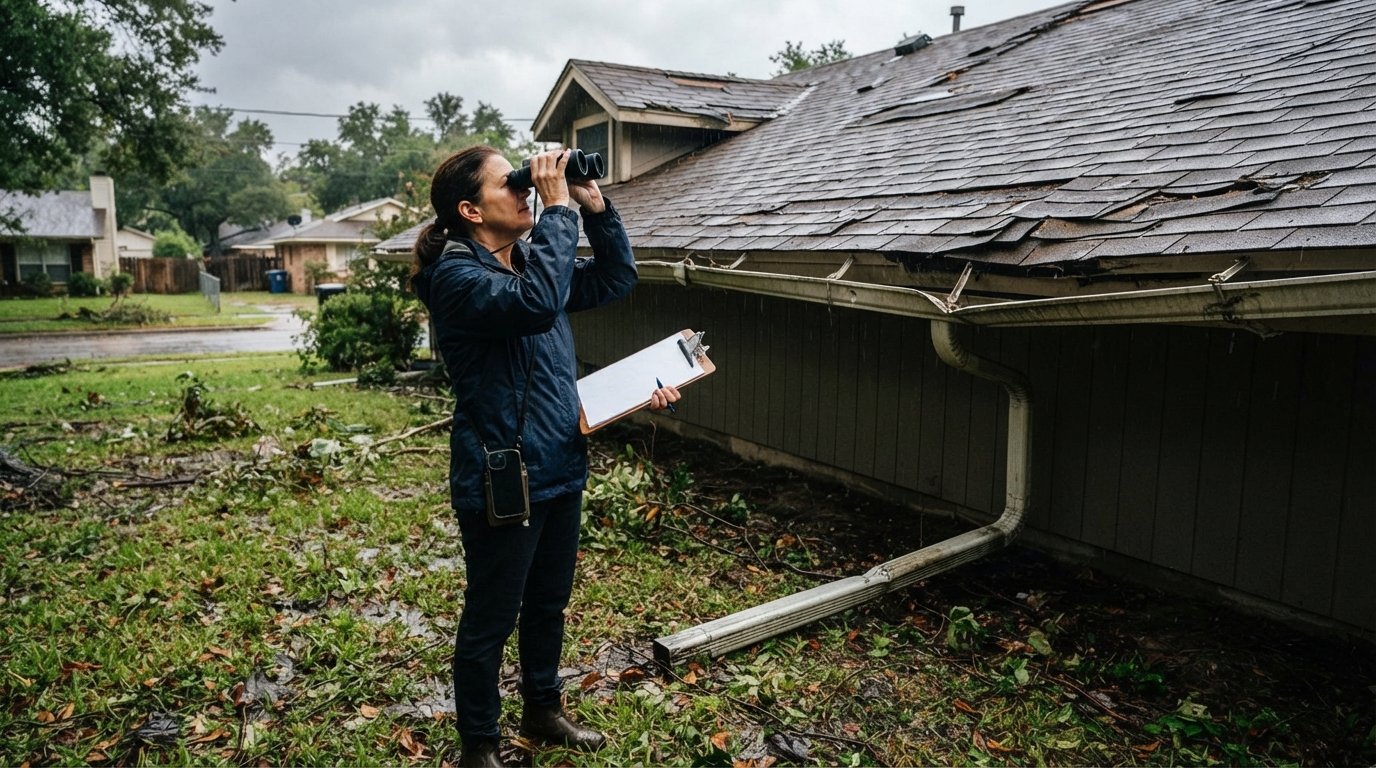
Your first pass should be from the ground. Walk the perimeter of your home and use binoculars to scan the roof surface. Look for missing, cracked, or curling shingles, as well as any areas where granules have worn away. Check the gutters and downspouts for visible sagging, detachment, or debris buildup. Flashing around chimneys, vents, and skylights is a common failure point, so inspect those areas closely for lifted edges or gaps. Also note any dents on metal surfaces, which could indicate hail damage.
While you are at ground level, pay attention to the condition of your gutters. Severe weather can clog them with leaves and debris, causing water to back up and potentially damage your roof and foundation. Look for granules from asphalt shingles in the gutters; this is a telltale sign of shingle wear. If you see granules, it may be time to call a professional for a closer look. For more on gutter issues, our guide on gutter replacement: signs you need new gutters can help you decide if repair or replacement is the right move.
Downspouts should direct water away from the foundation. Check that they are securely attached and not clogged. If water is pooling near your foundation, it could lead to basement flooding or structural issues. Also, inspect the ground for signs of erosion or standing water, which may indicate poor drainage. If you notice any of these problems, it is wise to consult a professional who can assess the full extent of the damage and recommend solutions.
Flashing is another critical area. It seals the joints around roof penetrations and prevents water from seeping into your home. Look for rust, corrosion, or loose flashing. Even a small gap can allow water to enter and cause rot or mold. If you are unsure about the condition of your flashing, a professional roof inspection can provide peace of mind. Remember, safety first: never climb onto your roof to check flashing yourself, especially after a storm when surfaces may be slippery.
Interior Warning Signs: Ceiling Stains, Attic Moisture, and Granules in Gutters
After inspecting the exterior, move inside your home. Check ceilings and walls for water stains, discoloration, or bubbling paint. These are often the first signs of a roof leak. Pay special attention to areas near chimneys, skylights, and exterior walls. If you have an attic, inspect it for moisture, mold, or damp insulation. Look for daylight coming through the roof boards, which indicates a gap. Also, check for granules in your gutters as mentioned earlier; they can also accumulate on the ground near downspouts.
Attic moisture can be a silent problem. Use a flashlight to examine the roof deck and rafters for water stains or frost (in colder months). If you see dark spots or smell a musty odor, you likely have a leak. Mold growth is a health hazard and should be addressed promptly. If you find any of these signs, document them with photos and contact a roofing professional. Do not attempt to fix a leak yourself, as improper repairs can worsen the damage.
Another interior check is your gutters' performance during the next rain. If water overflows or does not flow freely to the downspouts, there may be a blockage or improper slope. This can lead to water damage along the fascia and soffit. If you notice water dripping from the gutters or downspouts even after the rain stops, it could indicate a leak in the gutter system itself. In such cases, a professional gutter inspection is warranted.
Documenting Damage with Photos and Dates for Insurance Purposes
Proper documentation is crucial for insurance claims. Take clear photos of any damage from multiple angles, and include a ruler or coin for scale if possible. Note the date and time of the storm and your inspection. Keep a log of all findings, including descriptions and locations. This evidence can support your claim and help adjusters process it faster. If you are unsure what to document, create a checklist: missing shingles, dents, water stains, etc. Also, save receipts for any temporary repairs, as these may be reimbursable.
Video recordings can also be helpful, especially for walking through the attic or along the gutter line. Narrate what you see and mention the date. Store your documentation in a safe place, such as a cloud folder or a physical binder. If you hire a contractor, share your documentation with them; it can help them provide an accurate estimate. Remember, insurance companies often require proof of damage, so thorough records are your best ally.
When documenting, be honest and detailed. Avoid exaggerating damage, as this can backfire. If you are unsure about the extent of damage, note it as "suspected" and have a professional confirm. Also, check your insurance policy for specific requirements regarding claims and documentation. Some policies may require you to notify them within a certain timeframe, so act promptly.
When to Tarp or Board Up Versus Wait for a Professional
If you discover active leaks or missing shingles that expose your home to the elements, you may need to take temporary measures. Tarping a roof can prevent further water intrusion, but it is dangerous to do yourself. Only attempt temporary repairs if you are confident in your ability to do so safely and have the proper equipment. Otherwise, call a professional immediately. Boarding up broken windows or holes is also a temporary fix that should be followed by permanent repairs.
However, not all damage requires immediate action. If you see minor issues like a few missing shingles but no active leak, you can wait for a professional inspection. Avoid climbing on the roof yourself, as wet surfaces and damaged structures can be hazardous. A professional can assess the damage and recommend the best course of action. If you are unsure, err on the side of caution and call a pro.
When in doubt, contact a roofing contractor. Many offer emergency services after storms. They can tarp your roof, board up windows, and provide a detailed estimate for permanent repairs. Do not delay if you suspect structural damage, as it can worsen quickly. Also, check with your insurance company before authorizing any repairs, as they may have preferred vendors or require prior approval.
Getting Local Roofing and Gutter Quotes After a Storm Event
Once you have documented the damage and taken any necessary temporary measures, it is time to get quotes from local contractors. After a severe storm, demand for roofing and gutter services spikes, so act quickly but carefully. Get at least three quotes from licensed and insured contractors. Ask for references and check online reviews. Be wary of storm chasers who may offer cheap fixes but disappear when problems arise.
When requesting quotes, provide your documentation and photos to help contractors understand the scope of work. Ask for a written estimate that includes materials, labor, and timeline. Also, inquire about warranties on both materials and workmanship. A reputable contractor will be transparent about costs and potential additional issues they might find once work begins. For homeowners looking to bundle energy-efficient upgrades, consider solar panel installation; you can explore financing options and incentives through resources like FreeSolarPowerQuotes to offset costs.
To simplify the process, use a platform like USremodel to connect with vetted local contractors. By submitting your project details, you can receive multiple customized quotes from independent professionals in your area. This saves time and ensures you are comparing apples to apples. Remember to verify licenses and insurance before hiring any contractor. A little homework now can prevent headaches later.
In summary, a systematic inspection after severe weather protects your home and your wallet. Start from the ground, check inside, document everything, and know when to call a pro. With the right approach, you can navigate post-storm repairs with confidence.