
Winter Freeze Pipe Protection and Seasonal Plumbing Checklist
Protect your home from frozen pipes with our seasonal plumbing checklist. Call (833)-700-4293 to schedule a pre-winter inspection with a local pro.

By Peter Hubert
Learn more about Plumbing Inspection for guides, costs, and what to expect.
Compare Plumbing Inspection Pros Near You

Enter your ZIP code to compare top-rated local professionals and request free quotes.
Every winter, thousands of homeowners face the same nightmare: a pipe freezes, bursts, and sends water cascading through walls and floors. The average insurance claim for water damage from a burst pipe runs into the thousands, and the disruption can last for weeks. The good news is that most frozen-pipe disasters are preventable. A focused round of winter freeze pipe protection and a seasonal plumbing maintenance checklist can shield your home from the cost and chaos of cold-weather plumbing failures. This guide walks you through the exact steps to take before temperatures drop, what to do when a pipe bursts, and how to spot hidden leaks after a thaw. It also explains when to call a licensed plumber and how to find one quickly through a trusted contractor network.
Why Winter Pipe Protection Matters More Than Ever
Pipes are most vulnerable when water inside them freezes. As ice expands, it creates immense pressure that can split metal or plastic, even if the pipe does not burst immediately. The real damage often occurs when the ice melts and water escapes into the surrounding structure. Homes in northern states face obvious risks, but sudden freezes in southern states can be equally destructive because pipes there are often less insulated and homeowners are less prepared. A single overnight drop to 20 degrees Fahrenheit can be enough to freeze an exposed pipe in a crawl space or garage.
Seasonal plumbing maintenance is not just about preventing a single burst. It also extends the life of your water heater, reduces the risk of hidden leaks, and keeps your water pressure steady. A few hours of preparation in the fall can save you thousands of dollars and a lot of stress. The checklist below organizes the work into logical phases so you can tackle it without feeling overwhelmed.
Winter Freeze Pipe Protection: The Pre-Freeze Checklist
Start with the pipes that are most exposed to cold air. These are typically located in crawl spaces, garages, attics, and along exterior walls. The goal is to keep them warm and to eliminate any gaps where cold air can reach them.
Insulating Exposed Pipes in Crawl Spaces, Garages, and Exterior Walls
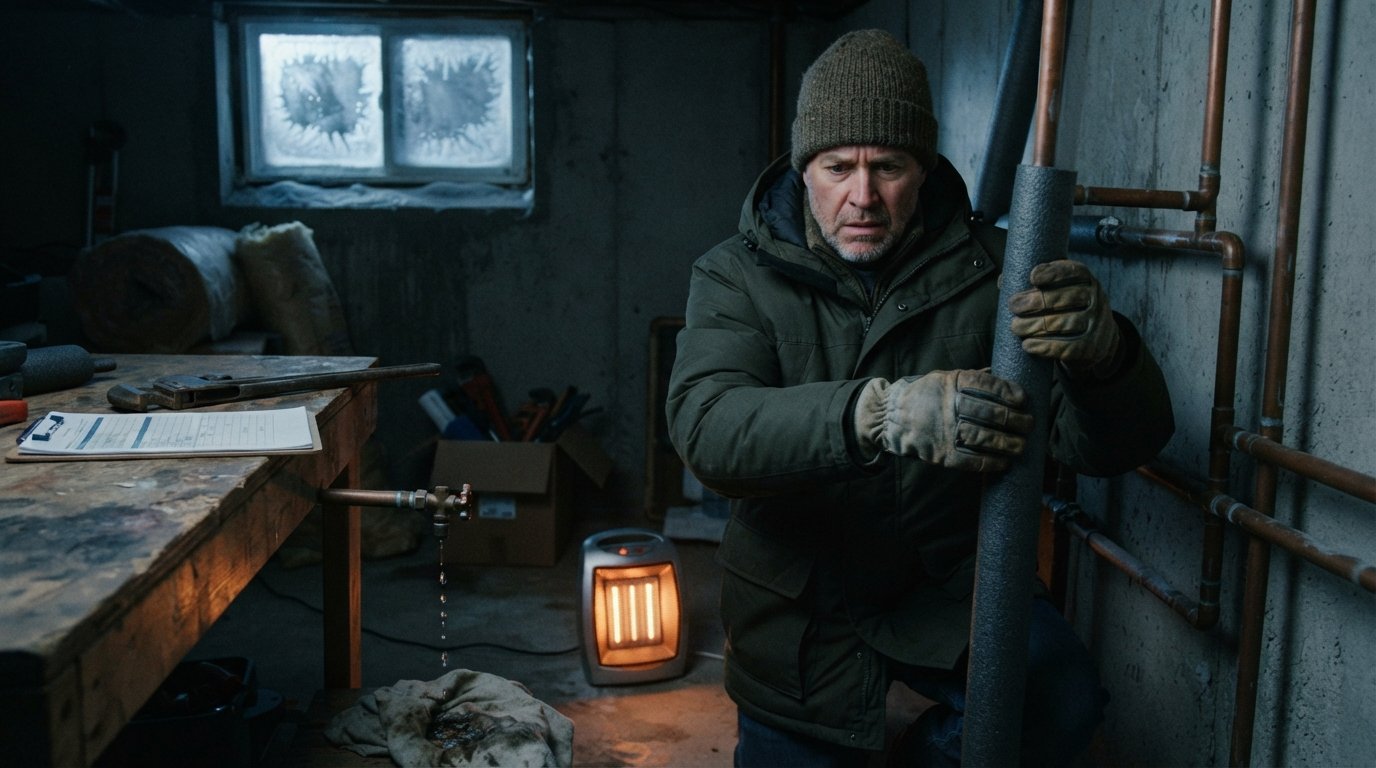
Pipe insulation is inexpensive and easy to install, but it must be done correctly. Use foam pipe sleeves or fiberglass wrap designed for plumbing. Cover every inch of exposed pipe, including elbows and joints. Pay special attention to pipes that run along exterior walls: even a small gap in insulation can allow cold air to penetrate. For crawl spaces, seal vents and add a layer of insulation to the rim joists. In garages, keep the garage door closed as much as possible during cold snaps and consider insulating the garage ceiling if it is below a heated room.
If you have pipes in an unheated attic, insulate them and also insulate the attic floor to keep heat from escaping upward. Do not block soffit vents, which are needed for proper ventilation. A professional can assess your home's specific vulnerabilities and recommend the right materials. If you are unsure where to start, a pre-winter plumbing inspection is a wise investment.
Shutoff Valves, Hose Bibs, and Vacation Settings
Before the first freeze, locate your main water shutoff valve and make sure it works. Test it by turning it off and on. If it is stiff or leaking, have it repaired or replaced. Install individual shutoff valves on outdoor hose bibs if they are not already present. Drain outdoor hoses and store them indoors. Disconnect any garden hoses from spigots; a connected hose can trap water and cause the spigot to freeze and split.
If you plan to be away during winter, set your thermostat to at least 55 degrees Fahrenheit and ask a neighbor to check on the house. For extended vacations, consider shutting off the main water supply and draining the pipes. Never leave a house completely unheated during freezing weather. A simple vacation setting on your thermostat can prevent a catastrophic freeze.
Seasonal Plumbing Maintenance Checklist for Homeowners
Beyond freeze protection, a thorough seasonal plumbing maintenance routine keeps your entire system in good shape. Use the following checklist as a guide, and adapt it to your home's specific layout and plumbing configuration.
- Inspect and insulate all exposed pipes in crawl spaces, basements, garages, and attics. Seal gaps around pipes where they penetrate exterior walls.
- Test shutoff valves for the main water supply, water heater, and outdoor spigots. Replace any that are difficult to turn or show signs of corrosion.
- Service the water heater: flush the tank to remove sediment, check the pressure relief valve, and insulate the tank and first few feet of hot and cold pipes.
- Check for leaks under sinks, around toilets, and near the washing machine. Fix drips promptly; a small leak can become a major problem when pipes freeze.
- Clean gutters and downspouts to prevent ice dams, which can force water into the roof and walls.
- Disconnect hoses and drain outdoor faucets. Install freeze-proof covers on hose bibs if they are not frost-free.
- Set your thermostat to a consistent temperature, day and night, during cold spells. A steady temperature prevents pipes from freezing.
- Schedule a professional plumbing inspection before winter to catch potential issues early.
This list is not exhaustive, but it covers the most common failure points. For a deeper dive into year-round maintenance, see our guide on preventative plumbing maintenance tips for homeowners. It explains how to spot early warning signs and extend the life of your plumbing system.
Warning Signs of a Hidden Leak After a Thaw
When temperatures rise after a freeze, frozen pipes may thaw without bursting. However, the freeze-thaw cycle can create small cracks that leak slowly. These hidden leaks can cause mold, rot, and structural damage before you notice them. Watch for these warning signs:
- Unexplained increases in your water bill.
- Damp spots on walls, ceilings, or floors, especially near exterior walls.
- Mold or mildew odors in basements or crawl spaces.
- Reduced water pressure at fixtures.
- Sounds of running water when no fixtures are on.
If you notice any of these signs, turn off the main water supply and call a licensed plumber. Do not ignore a small leak; it can quickly escalate into a major repair. A professional can use leak detection equipment to find the source without tearing into walls unnecessarily.
What to Do First When a Pipe Bursts
A burst pipe is an emergency, but panicking will only make things worse. Follow these steps to minimize damage:
- Shut off the main water valve immediately. This stops the flow of water and limits flooding.
- Turn off electricity to affected areas if it is safe to do so. Water and electricity are a dangerous combination.
- Open faucets to drain remaining water and relieve pressure.
- Call a licensed emergency plumber. Do not attempt to repair a burst pipe yourself unless you have plumbing experience.
- Document the damage with photos and videos for your insurance claim. Contact your insurer as soon as possible.
After the immediate crisis, focus on cleanup and restoration. Mold can begin to grow within 24 to 48 hours, so remove standing water and dry affected areas quickly. If the burst pipe is in a wall or ceiling, you may need to call a water damage restoration company. Your plumber can recommend one.
Scheduling a Pre-Winter Plumbing Inspection with a Local Pro
A professional inspection is the best way to ensure your winter freeze pipe protection is complete. A licensed plumber will check for vulnerable pipes, test shutoff valves, inspect the water heater, and identify any leaks or corrosion. They can also advise on insulation upgrades and provide a written report of potential issues.
To find a reliable plumber, ask for recommendations from neighbors or use a trusted contractor matching service. USremodel connects homeowners with independent, licensed plumbers across the United States. You can request a free, no-obligation quote and compare multiple offers. This saves time and helps you avoid hiring an unqualified contractor. While you are planning home improvements, consider energy-efficient upgrades that can reduce your winter heating costs. For example, adding solar panels or improving insulation can lower your bills and increase comfort. If you are curious about solar options, FreeSolarPowerQuotes offers educational resources and free quotes from reputable providers.
Schedule your inspection in early fall, before plumbers get busy with emergency calls. A small investment now can prevent a major headache later. Many plumbers offer seasonal maintenance packages that include a full inspection and minor repairs.
Additional Tips for Cold-Weather Plumbing Care
During a deep freeze, take extra precautions. Keep cabinet doors open under sinks on exterior walls to allow warm air to circulate. Let faucets drip slightly; even a trickle of water can prevent freezing. If you have a basement, keep the thermostat set to at least 55 degrees. Never use an open flame to thaw a frozen pipe; use a hair dryer, heat lamp, or space heater with caution.
If you suspect a pipe is frozen but not burst, try thawing it gently with a hair dryer. Start at the end closest to the faucet and work toward the frozen section. If you cannot locate the freeze or thaw it safely, call a plumber. Do not pour boiling water directly on a frozen pipe; it can cause cracking.
Finally, review your homeowners insurance policy to understand what is covered for water damage from frozen pipes. Some policies require you to maintain heat in the home or take reasonable steps to prevent freezing. Document your winterization efforts in case you need to file a claim.
Winter freeze pipe protection and seasonal plumbing maintenance are not glamorous tasks, but they are among the most important things you can do as a homeowner. A few hours of preparation now will protect your home, your wallet, and your peace of mind all season long.
Learn more about Plumbing Inspection for guides, costs, and what to expect.
Compare Plumbing Inspection Pros Near You
Enter your ZIP code to compare top-rated local professionals and request free quotes.