
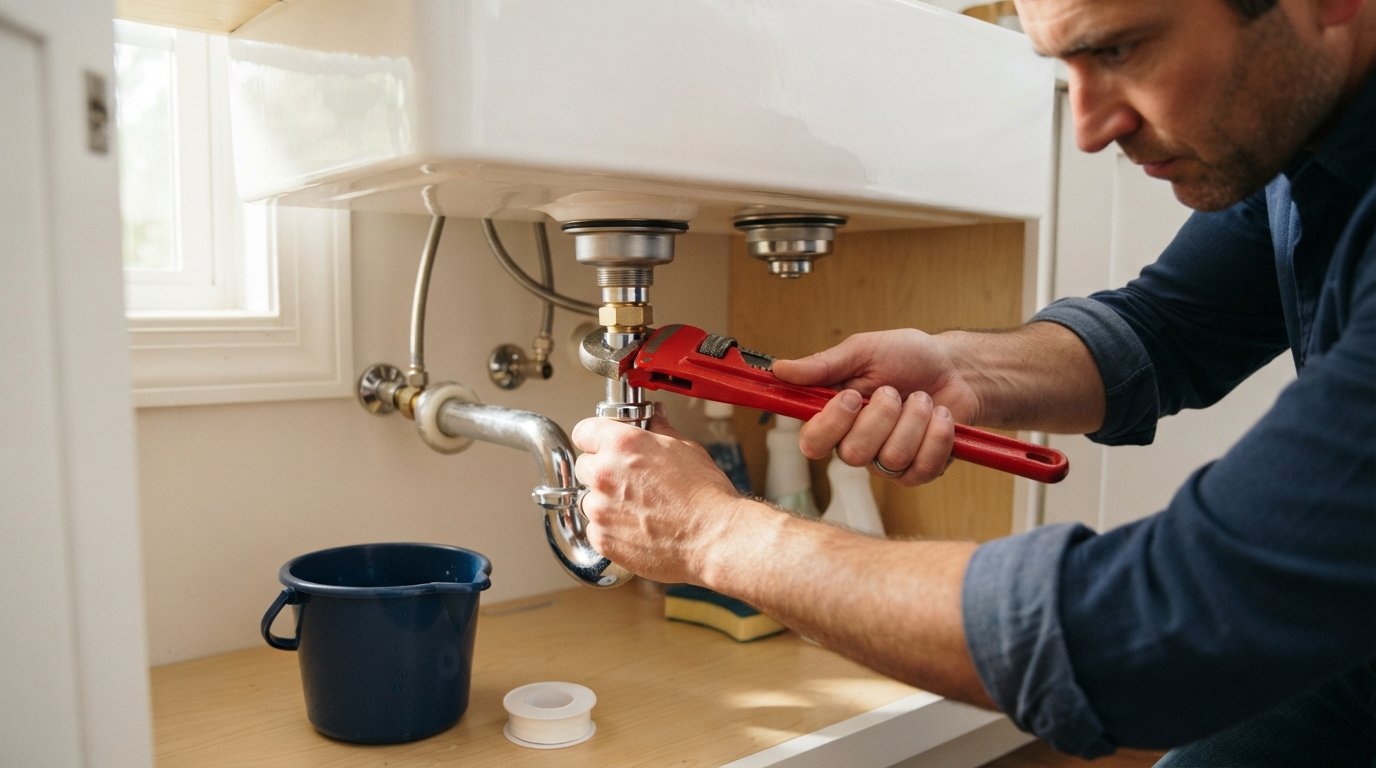
Preventative Plumbing Maintenance Tips for Homeowners
Protect your home from costly water damage with these practical preventative plumbing maintenance tips, including simple daily habits and seasonal checks.
By Jackson Sawyer
Learn more about Plumbing Inspection for guides, costs, and what to expect.
Compare Plumbing Inspection Pros Near You

Enter your ZIP code to compare top-rated local professionals and request free quotes.
Plumbing problems rarely announce themselves with a warning. They tend to surface at the worst possible moment, like a burst pipe on a holiday weekend or a water heater that fails right before guests arrive. The good news is that most major plumbing disasters are avoidable with a consistent, proactive approach. By adopting a routine of preventative plumbing maintenance tips, you can protect your home from water damage, extend the lifespan of your fixtures, and avoid the stress and expense of emergency repairs. This guide walks you through practical steps that every homeowner can take to keep their plumbing system running smoothly for years to come.
Why Preventative Plumbing Maintenance Matters
Your home's plumbing system works behind the scenes every single day. It delivers clean water for drinking, cooking, and bathing, and it whisks away wastewater without a second thought. Yet, most homeowners ignore this critical infrastructure until something goes wrong. A small leak can waste thousands of gallons of water annually, and hidden moisture can lead to mold growth, structural damage, and even health issues. By investing a little time each season in preventative care, you can catch minor issues before they escalate into costly repairs.
Consider this: a single dripping faucet can waste up to 3,000 gallons of water per year, while a running toilet can waste up to 200 gallons a day. These seemingly small problems not only inflate your utility bills but also put unnecessary strain on your plumbing system. Preventative maintenance is not just about fixing what is broken; it is about optimizing performance and efficiency. It also gives you peace of mind, knowing that your home is protected from the unpredictable nature of water.
For homeowners who want to be extra prepared, having a reliable professional on call is essential. Whether you need routine inspections or emergency repairs, connecting with a qualified contractor through a platform like 180Remodel can simplify the process and ensure you get the help you need when you need it.
Seasonal Plumbing Checks You Should Never Skip
Your plumbing system experiences different stressors throughout the year. Seasonal changes affect water temperature, usage patterns, and even the condition of your pipes. By aligning your maintenance routine with the calendar, you can address potential issues before they become major problems.
Spring and Summer Checks
When winter thaws, it is time to inspect for any damage caused by freezing temperatures. Check your outdoor spigots and irrigation systems for cracks or leaks. Run water through them slowly to ensure proper flow. Also, inspect the visible pipes in your basement, crawl space, or garage for signs of condensation, corrosion, or leaks. Summer is also a great time to check your water heater's temperature and pressure relief valve. This simple test can prevent dangerous pressure buildup.
Fall and Winter Preparation
Before the first freeze, disconnect and drain all outdoor hoses. Shut off the water supply to exterior faucets and install insulated covers. If you have a sprinkler system, be sure to have it professionally winterized to prevent frozen underground pipes. Inside your home, insulate any exposed pipes in unheated areas, such as the garage or attic. This is also a good time to have your water heater flushed to remove sediment buildup, which can reduce efficiency and shorten its lifespan.
Five Simple Habits to Protect Your Pipes Daily
Beyond seasonal tasks, there are everyday habits that can significantly reduce your risk of plumbing issues. These simple actions take little time but offer substantial protection.
- Never pour grease, oil, or fat down the drain. Instead, collect it in a container and dispose of it in the trash.
- Use a drain strainer in your kitchen and bathroom sinks to catch hair, food particles, and other debris.
- Run hot water through your kitchen sink for a few seconds after each use to help prevent grease from solidifying in the pipes.
- Avoid using chemical drain cleaners, as they can damage your pipes over time. Instead, use a plunger or a plumber's snake.
- Know where your main water shut-off valve is located and test it regularly to ensure it works in case of an emergency.
Adopting these habits can dramatically reduce the likelihood of clogged drains and pipe damage. When you do encounter a stubborn clog, professional drain cleaning may be necessary, and contacting a licensed plumber through USremodel can ensure the job is done safely and effectively.
Protecting Your Home's Most Vulnerable Areas
While your entire plumbing system requires attention, certain areas are more prone to issues than others. The kitchen and bathrooms are the most frequent sources of water damage, so they deserve extra vigilance.
Kitchen Plumbing Care
The kitchen sink handles a lot: food scraps, dish soap, and occasionally, items that should never go down the drain. The garbage disposal is a source of many clogs and jams. Always run cold water while using the disposal and continue for 30 seconds after to flush waste completely. Never put fibrous foods like celery or potato peels into the disposal, as they can wrap around the blades. Periodically, grind ice cubes and a bit of rock salt to clean the disposal blades and remove odor.
Also, check under your sink for any signs of moisture or corrosion. A slow leak can go unnoticed for weeks, leading to cabinet damage and mold. The dishwasher is another potential culprit. Inspect its door gasket for cracks and clean the filter regularly. If you notice water on the floor near the dishwasher, it is often a sign of a leak that needs immediate attention.
Bathroom Plumbing Care
Bathrooms experience high humidity and frequent water usage. Check the caulking around your tub, shower, and sink. Over time, caulk can crack or peel, allowing water to seep behind tiles and cause rot and mold. Replace any damaged caulking promptly. Also, inspect the grout between tiles and reseal it if it appears stained or brittle. Regularly clean your showerhead by soaking it in vinegar to remove mineral deposits that can reduce water pressure and affect spray patterns.
Toilets are another common source of problems. Listen for running water, which often indicates a faulty flapper. A simple test involves adding a few drops of food coloring to the tank. If the color appears in the bowl without flushing, you have a leak. This is usually an easy DIY fix, but if you are unsure, a professional plumber can handle it quickly.
Maintaining Your Water Heater for Longevity
Your water heater works hard year-round, providing hot water for showers, laundry, and dishwashing. Without regular maintenance, it can become less efficient and eventually fail prematurely. Most water heaters have a lifespan of 8 to 12 years, but proper care can extend that significantly.
One of the most important maintenance tasks is flushing the tank annually. Over time, sediment and minerals settle at the bottom of the tank, which can cause corrosion and reduce heating efficiency. To flush the tank, turn off the power or gas supply, attach a hose to the drain valve, and let the water run until it is clear. This simple procedure can add years to your water heater's life.
Another critical component is the anode rod. This sacrificial rod attracts corrosive elements, protecting the tank's interior. You should inspect it every few years and replace it if it is heavily corroded. Also, test the temperature and pressure relief valve by lifting the lever and letting it snap back. This ensures that the valve is not stuck and can release pressure if needed. If you are not comfortable performing these tasks, a professional can include them in an annual plumbing inspection.
Detecting Leaks Early and Responding Quickly
Water damage is one of the most expensive and stressful issues a homeowner can face. The key to minimizing damage is early detection. While some leaks are obvious, like a burst pipe, many are silent and hidden. A small leak in a wall or under a concrete slab can go undetected for months, causing significant structural damage and mold growth.
One of the easiest ways to monitor for leaks is to check your water meter. Turn off all water appliances and fixtures, then note the meter reading. Wait for an hour without using water, then check again. If the reading has changed, you likely have a leak. You can also listen for the sound of running water when everything is off, particularly near toilets or in the walls.
If you do discover a leak, it is crucial to shut off the water supply immediately. Then, call a professional plumber to assess the situation. Do not attempt to repair a significant leak yourself, as improper repairs can lead to even more damage. Platforms like USremodel can connect you with experienced plumbers who can locate the source of the leak and provide a lasting solution.
When to Call a Professional Plumber
While many preventative maintenance tasks are do-it-yourself projects, some issues require the expertise of a licensed plumber. If you notice any of the following signs, it is time to call a professional:
- Persistent slow drains despite your best efforts to clear them
- Gurgling sounds coming from your drains or toilet
- Low water pressure throughout your home
- Water stains on ceilings, walls, or floors
- Sudden increases in your water bill without a known reason
- The water from your taps has a strange color, odor, or taste
These symptoms can indicate deeper issues like tree root intrusion, a broken sewer line, or a failing water heater. Attempting to fix these problems without proper training can be dangerous and expensive. Professional plumbers have the tools and knowledge to diagnose issues accurately and perform lasting repairs.
Regular professional inspections are also a wise investment. A plumber can identify potential problems before they become emergencies, saving you money in the long run. Many plumbing companies offer maintenance plans that include annual inspections and priority service, which is a convenient option for busy homeowners.
Final Thoughts on Protecting Your Home
Preventative plumbing maintenance is one of the most cost-effective ways to protect your home. It is far cheaper to spend a few minutes each month on simple checks than to pay for extensive water damage restoration or emergency plumbing repairs. By following the preventative plumbing maintenance tips outlined above, you can enjoy a reliable plumbing system for years to come.
Remember, your plumbing system is an interconnected network. A problem in one area can affect the entire house. Taking a proactive approach not only saves you money but also preserves the comfort and safety of your living space. If you ever feel overwhelmed or need professional assistance, do not hesitate to reach out to a qualified contractor. Visit USremodel to get free quotes from vetted plumbers in your area and ensure your home remains in top condition.
Learn more about Plumbing Inspection for guides, costs, and what to expect.
Compare Plumbing Inspection Pros Near You
Enter your ZIP code to compare top-rated local professionals and request free quotes.