
Roofing Inspection Report: What Each Section Means for Homeowners
Decode your roofing inspection report section by section. Call (833)-700-4293 for expert help interpreting findings and prioritizing repairs.

Learn more about Roof Inspection for guides, costs, and what to expect.
Compare Roof Inspection Pros Near You

Enter your ZIP code to compare top-rated local professionals and request free quotes.
You just received a roofing inspection report, and it reads like a foreign language. Words like "flashing," "decking," and "granule loss" are scattered across pages of checkboxes and photos. The report may recommend repairs, or it may suggest a full replacement. Either way, you need to understand what you are reading before you make a decision that could cost thousands of dollars. This guide breaks down each section of a typical roofing inspection report so you can interpret the findings, prioritize the work, and ask the right questions.
The Anatomy of a Roofing Inspection Report
Most roofing inspection reports follow a similar structure, whether they come from an independent inspector or a roofing contractor. The report typically begins with a summary page that lists the overall condition of the roof and any urgent issues. From there, it dives into specific components: shingles, flashing, ventilation, decking, and attic signs. Each section includes observations, photos, and often a recommendation (repair, replace, or monitor). Understanding this layout helps you navigate the document without feeling overwhelmed.
If you want a broader overview of what to expect from the report itself, including how inspectors gather information and what qualifications to look for, see our guide on what to expect from a roofing inspection report. That article explains the inspection process, while this one focuses on interpreting the findings section by section.
Shingles: Reading the Surface Layer
The shingle section is usually the most detailed, because shingles are your roof's first line of defense against the elements. Inspectors look for signs of wear such as granule loss, curling, cracking, and missing shingles. Granule loss is often noted as "moderate" or "severe," and it indicates that the shingles are aging and may no longer reflect UV rays effectively. Curling and cracking suggest that the shingles are drying out or that the roof has experienced thermal shock. Missing shingles are an obvious red flag for wind damage or improper installation.
What does this mean for you? If the report notes scattered granule loss but no missing shingles, it may be a cosmetic issue or a sign that the roof is nearing the end of its service life. However, if you see multiple missing shingles or widespread cracking, you likely need repairs or a replacement. The key is to look at the quantity and distribution of the damage. A few damaged shingles in one area can often be replaced individually, while damage across the entire roof suggests a systemic problem.
Flashing: The Hidden Leak Points
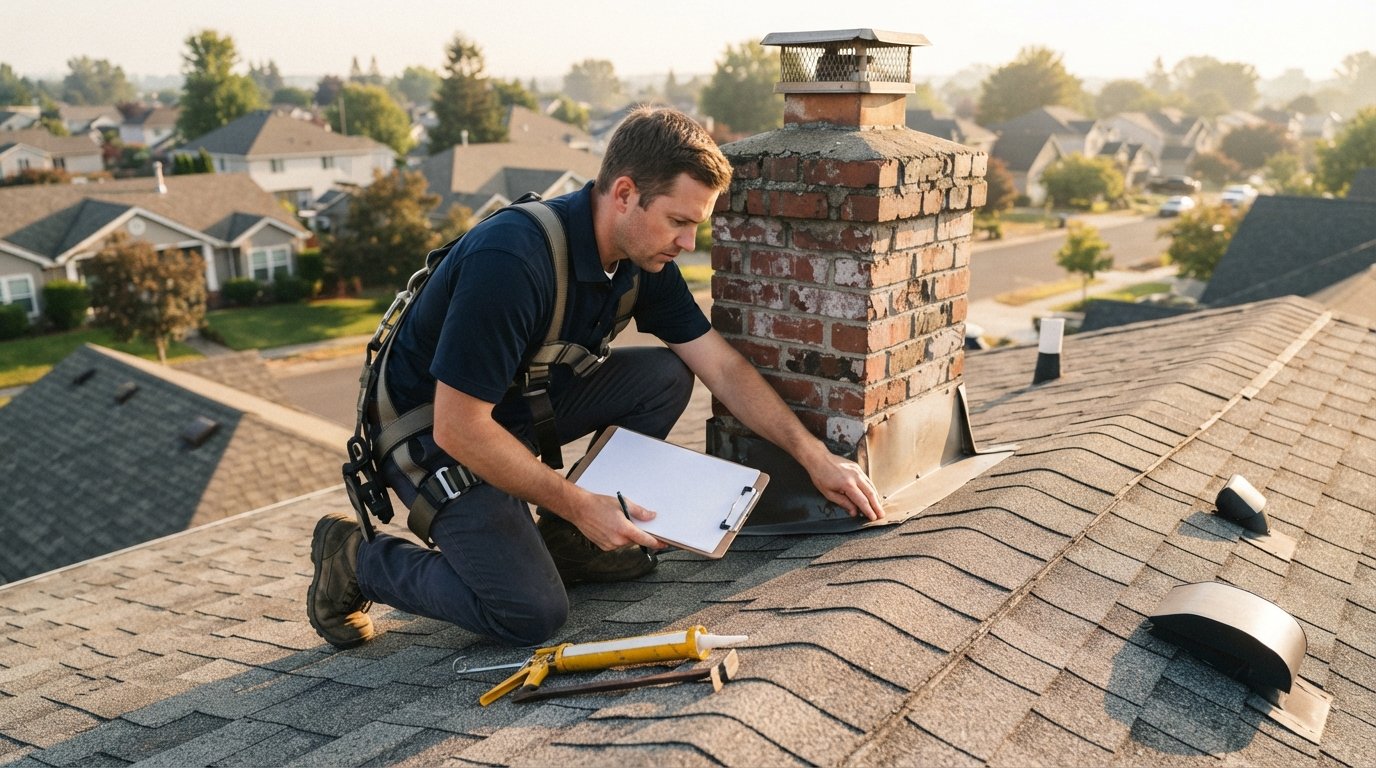
Flashing is the metal material used to seal joints and edges around chimneys, skylights, vents, and where roof planes meet walls. It is a common source of leaks, and inspectors pay close attention to it. The report may note "lifted flashing," "rusted flashing," or "improper flashing installation." Lifted flashing means the metal has pulled away from the surface, creating a gap where water can enter. Rusted flashing is weakened and may fail soon. Improper installation (such as flashing that is nailed rather than sealed) is a defect that can lead to persistent leaks.
Flashing issues are often urgent because they can cause water damage to your home's interior before you notice any signs on the ceiling. If the report flags flashing problems, ask the inspector or contractor to show you photos and explain the severity. In many cases, flashing repairs are relatively inexpensive compared to a full roof replacement, but they must be addressed promptly to prevent mold and structural damage.
Ventilation: The Invisible Contributor to Roof Health
Proper attic ventilation is critical for regulating temperature and moisture. Without adequate ventilation, heat and moisture build up in the attic, which can cause shingles to deteriorate from the inside out, lead to ice dams in winter, and increase energy bills. Inspectors check for balanced intake and exhaust vents, blocked soffits, and signs of condensation or mold in the attic.
The report might state "ventilation appears adequate" or "insufficient ventilation observed." If ventilation is inadequate, you may need to add vents or clear blockages. This is often a maintenance-level fix, but neglecting it can shorten the life of your roof. Pay attention to whether the inspector recommends additional ventilation as part of a larger roofing project; sometimes it is more cost-effective to address ventilation during a replacement.
Decking and Attic Signs: What Lies Beneath
The decking (the wooden boards beneath the shingles) and the attic are where inspectors look for structural damage and water intrusion. In the decking section, the report may note "soft spots," "delamination," or "water stains." Soft spots indicate rotted wood that must be replaced before new shingles can be installed. Delamination means the layers of plywood or OSB are separating, which compromises strength. Water stains suggest past or current leaks.
Attic signs include staining on the rafters or insulation, mold growth, and daylight showing through the roof boards. These are often the most telling indicators of hidden problems. If the report mentions attic signs, it is worth asking for a closer look. Sometimes what appears to be a minor stain is actually an active leak that has been going on for months. Addressing decking and attic issues during a roofing project is essential; otherwise, new shingles will simply cover up a deteriorating structure.
Prioritizing Findings: Urgent, Maintenance, or Cosmetic
Not every item in the report requires immediate action. Inspectors typically categorize findings implicitly through language: "urgent," "recommend repair," "monitor," or "cosmetic." Your job is to translate those terms into a priority list. Urgent items are those that could lead to further damage if ignored, such as active leaks, missing shingles in critical areas, or compromised flashing. Maintenance-level items are things like minor granule loss, small cracks, or ventilation improvements that should be addressed within a year. Cosmetic items are aesthetic issues that do not affect performance, such as algae stains or minor discoloration.
To help you decide, here is a simple framework based on common report findings:
- Urgent (address within days to weeks): Active leaks, missing shingles over living spaces, rusted or lifted flashing, soft decking, and attic mold.
- Maintenance (address within 6-12 months): Granule loss in isolated areas, minor cracking, inadequate ventilation, and small areas of worn sealant.
- Cosmetic (monitor or ignore): Algae stains, minor fading, and small dents that do not affect function.
Keep in mind that your risk tolerance and budget play a role. If you plan to sell your home soon, you may need to address cosmetic issues to improve curb appeal. If you are staying long-term, focusing on urgent and maintenance items will protect your investment.
How Contractors Price Line Items and Where Scope Gets Padded
When you request quotes based on the inspection report, you may notice that contractors price items differently. Some provide a lump sum for the entire project, while others break down costs by line item (e.g., tear-off, underlayment, shingles, flashing, labor). Understanding these line items helps you compare bids fairly. Common line items include tear-off and disposal, decking replacement (priced per sheet), underlayment, ice and water shield, shingles (per square), flashing, vents, and labor.
Watch for signs of scope padding, where contractors include unnecessary services or inflate quantities. For example, a contractor might quote for a full decking replacement when the report only notes a few soft spots. Or they might include high-end shingles when you selected a mid-grade option. Ask for clarification on any line item that seems excessive. A reputable contractor will explain why they included each item and provide photos or measurements to justify the quantity.
When to Get a Second Opinion on a Full Replacement Recommendation
If the inspection report recommends a full roof replacement, do not rush. While some roofs are indeed beyond repair, others can be extended with targeted repairs. Get at least two additional opinions from licensed roofing contractors. Ask them to review the inspection report and perform their own inspection. A second opinion can reveal whether the first recommendation was based on actual damage or simply on the age of the roof. It can also give you leverage to negotiate a better price or to choose a repair over a replacement if appropriate.
Pay attention to the reasoning behind the recommendation. If the contractor says "the roof is 20 years old, so it needs replacement," that is not sufficient. They should point to specific findings such as widespread shingle failure, multiple leaks, or structural damage. If they cannot, seek another opinion.
Using Inspection Findings to Request Accurate Replacement Quotes
Armed with a clear understanding of the report, you can request quotes that are tailored to your roof's actual condition. When you contact contractors, provide them with a copy of the inspection report and highlight the key findings. Ask them to address each item in their quote. This ensures that you are comparing apples to apples and reduces the chance of surprise costs later.
If you are looking for a reliable contractor to help you interpret the report and provide a quote, consider using a platform like 180 Remodel to connect with vetted professionals in your area. They can help you navigate the repair or replacement process and ensure that the work matches the report's recommendations.
Remember to ask about warranties, timelines, and payment schedules. A detailed quote should include a scope of work, materials specifications, and a clear breakdown of costs. With the inspection report as your guide, you can confidently discuss options with contractors and make an informed decision that protects your home and your wallet.
Understanding your roofing inspection report empowers you to take control of your roof's maintenance and repair decisions. By knowing what each section means, you can prioritize urgent issues, avoid unnecessary upgrades, and communicate effectively with contractors. Whether you need a minor repair or a full replacement, the report is your roadmap to a safer, more durable roof.