
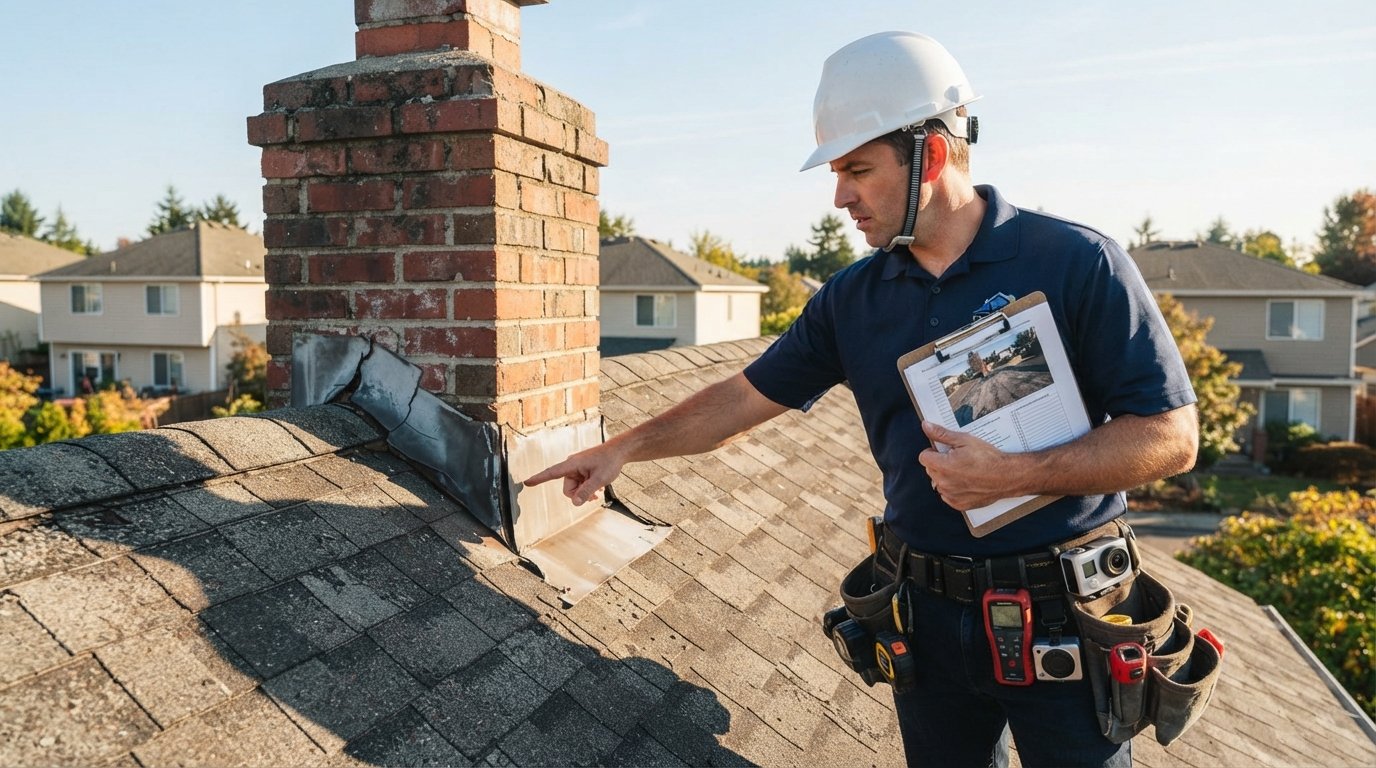
What to Expect From a Roofing Inspection Report
A roofing inspection report reveals severity ratings, photos, and repair vs replace calls. Call (833)-700-4293 to connect with local roofing pros.
By Chelsea Kris
Learn more about Roof Inspection for guides, costs, and what to expect.
Compare Roof Inspection Pros Near You

Enter your ZIP code to compare top-rated local professionals and request free quotes.
A roofing inspection report is more than a clipboard checklist. It is a detailed, photo-backed document that tells you exactly what condition your roof is in, what needs fixing, and what it will cost. Whether you are buying a home, filing an insurance claim, or simply overdue for maintenance, knowing what to expect from a roofing inspection report helps you ask better questions, spot red flags, and turn findings into accurate contractor quotes. This guide walks you through every section of a typical report so you can read it with confidence and act on it without guesswork.
Why a Roofing Inspection Report Matters for Homeowners
A roof is one of the most expensive systems in a home, yet most homeowners only think about it when something leaks. A professional inspection report changes that dynamic. It gives you a written record of your roof's condition at a specific point in time, which is valuable for planning repairs, negotiating a home sale, or supporting an insurance claim. Without a report, you are relying on memory, vague impressions, or a contractor's verbal summary, none of which hold up when you need documentation.
Reports also protect you from surprise bills. When an inspector documents cracked flashing or granule loss with photos and severity ratings, you can budget for repairs before they become emergencies. If you are selling your home, a clean report can reassure buyers; if you are buying, a report can justify a price reduction or a repair credit. And if a storm damages your roof, a pre-storm inspection report is powerful evidence for your insurer. In short, the report is the foundation for every smart roofing decision you will make.
What Inspectors Evaluate: The Core Checklist
Every reputable roofing inspection covers the same core areas, even if the formatting varies by company. The inspector will examine the roof surface, the edges, the penetrations, and the attic. Understanding what they look at helps you interpret their findings and spot anything they may have missed.
Here is what a thorough inspection typically evaluates:
- Shingles and roofing material: Check for cracked, curling, missing, or blistered shingles, as well as granule loss that signals aging.
- Flashing: Inspect the metal or membrane around chimneys, skylights, valleys, and walls, where leaks most often begin.
- Ventilation: Confirm that intake and exhaust vents are balanced and unobstructed, since poor ventilation shortens roof life.
- Decking and structure: Look for sagging, soft spots, or water stains that suggest rot or structural stress beneath the surface.
- Gutters and drainage: Verify that water flows away from the roof and foundation, and note any clogs, loose hangers, or improper slope.
Beyond these basics, a good inspector will also check pipe boots, drip edges, ridge caps, and any roof-mounted equipment. They may use a drone for steep or fragile roofs, and they should always inspect the attic from the inside, where water stains and daylight often reveal problems that are invisible from above. If your report skips the attic or lacks photos of these areas, ask why.
How to Read Severity Ratings and Repair-Versus-Replace Recommendations
Most reports use a severity scale to prioritize findings. The exact labels vary, but you will usually see something like minor, moderate, and major, or a numeric scale from one to five. Minor issues are cosmetic or early-stage problems that can be monitored or repaired cheaply. Moderate issues need attention within a season or two and often involve localized repairs. Major issues are active threats, such as widespread shingle failure, significant rot, or repeated leaks, and they usually point toward replacement.
The repair-versus-replace call is the heart of the report. A reputable inspector will not push replacement unless the evidence supports it. Look for specific language: remaining service life estimates, the percentage of the roof affected, and whether the damage is isolated or systemic. If your shingles are ten years old and one flashing detail failed, repair is likely. If your roof is twenty-five years old, granule loss is widespread, and multiple penetrations are leaking, replacement is the honest recommendation. Be wary of a report that recommends full replacement without photos, measurements, or a clear explanation of why repair will not work.
Severity ratings also drive your budget. A report that lists five moderate items helps you plan phased repairs instead of one lump sum. Ask the inspector to rank findings by urgency and to separate must-fix items from monitor-only items. That ranking becomes the backbone of your contractor conversations.
Documentation and Photos That Support Insurance Claims
If you are filing an insurance claim, the report's documentation matters as much as its conclusions. Insurers want evidence: clear photos of damage, dates, measurements, and a narrative that ties the damage to a covered event such as hail or wind. A strong report includes wide shots that show the roof in context, close-ups of damaged areas, and photos of any interior staining that confirms water intrusion.
Check that the report notes the type of damage (impact marks, lifted shingles, torn flashing) and distinguishes storm damage from normal wear and tear. Insurers routinely deny claims that look like maintenance issues, so the inspector's wording matters. If your report is thin on photos or vague about causes, ask for a supplemental report before you submit the claim. Many roofing contractors will provide a claim-ready inspection summary at no cost, and some will meet your adjuster on site. That coordination can make the difference between a full approval and a prolonged dispute.
Keep the report, photos, and any receipts together in one file. If you later sell the home, that file proves the roof was maintained and documented, which buyers appreciate.
Red Flags That Suggest a Second Opinion Is Warranted
Not every report is trustworthy. Some inspectors work for companies that profit from replacement, which creates a bias toward worst-case recommendations. Others rush the job and miss attic evidence. Knowing the red flags helps you decide when to get a second opinion before spending thousands.
Watch for these warning signs:
- No photos, or photos that do not match the written findings.
- A replacement recommendation with no explanation of remaining service life or repair options.
- Pressure to sign a contract on the spot or to file an insurance claim you did not initiate.
- Findings that contradict what you can see, such as a claim of widespread damage on a roof you know is recent.
- No attic inspection and no mention of ventilation or decking.
If any of these appear, hire an independent inspector or a different contractor for a second look. A second inspection usually costs little or nothing and can save you from an unnecessary replacement. It also gives you a second data point for comparing quotes. When you are ready to gather competitive bids, platforms like Contractor.Homes connect homeowners with pre-vetted local contractors, which makes side-by-side comparison easier.
Turning Inspection Findings Into Accurate Contractor Quotes
A report is only useful if it translates into action. The best way to use your findings is to hand the report to multiple contractors and ask each one to bid on the same scope. That keeps quotes comparable and prevents a contractor from padding the job with items you do not need. Ask each bidder to address every finding in the report, state whether they recommend repair or replacement for each, and explain any disagreement with the inspector.
When you request quotes, include the report, photos, and your priorities. If you are planning a larger project, our guide on roof replacement in Gilroy explains when replacement is the right call and what the process involves. For most homeowners, the smart sequence is: inspect, review the report, get two or three itemized quotes, and compare line by line. Look for quotes that separate labor and materials, specify warranty terms, and include cleanup and permit responsibilities.
Finally, keep the report as a baseline. When you complete repairs, ask the contractor for a closing report or photos of the finished work. That record, paired with the original inspection, gives you a complete maintenance history and makes future inspections faster and cheaper.
What a Good Report Looks Like in Practice
To make this concrete, imagine a report on a fifteen-year-old asphalt shingle roof. The summary page lists three moderate findings: lifted flashing at the chimney, two cracked pipe boots, and minor granule loss on the south slope. Photos show each issue with a tape measure for scale. The inspector rates the roof's remaining life at eight to ten years and recommends localized repairs rather than replacement. The attic section notes no active leaks and adequate ventilation.
That report tells you exactly what to do: repair the flashing and boots now, monitor the south slope, and budget for replacement in the next decade. You can hand it to three contractors and expect three comparable repair quotes. You can also use it to justify a repair credit if you are selling. That is the practical value of a well-built report: it turns a vague worry into a clear plan.
If your report looks different, thinner, or more alarming, do not panic. Read the findings, check the photos, and ask questions. A good inspector welcomes them. And if you need help finding qualified professionals to act on the findings, start by requesting free quotes from local roofing contractors in your area.
Learn more about Roof Inspection for guides, costs, and what to expect.
Compare Roof Inspection Pros Near You
Enter your ZIP code to compare top-rated local professionals and request free quotes.