What to Expect During Remodeling: A Homeowner’s Guide
You’ve finally decided to take the plunge and remodel your kitchen, update your bathroom, or finish your basement. You’re excited about the new space, but a nagging question lingers: what will daily life actually be like while the work is happening? The idea of dust, noise, and strangers in your home can be daunting, and without a clear picture, it’s easy to put off a project that could significantly improve your home’s comfort and value. Understanding what to expect during remodeling is the first step to managing the process smoothly, protecting your investment, and ensuring the final result is everything you dreamed of.
Understanding What to Expect During Remodeling
Remodeling is more than just the beautiful “after” photos. It’s a process of transformation that happens in phases, from demolition to final touches. Each stage brings its own set of disruptions, decisions, and details that need your attention.
This process happens in every home undergoing renovation, whether it’s a small powder room update or a major addition. The scale and timeline will vary, but the core sequence of events,planning, disruption, and rebuilding,remains consistent. Being prepared for this journey is the key to maintaining your sanity and ensuring a successful outcome.
The Phases of a Typical Project
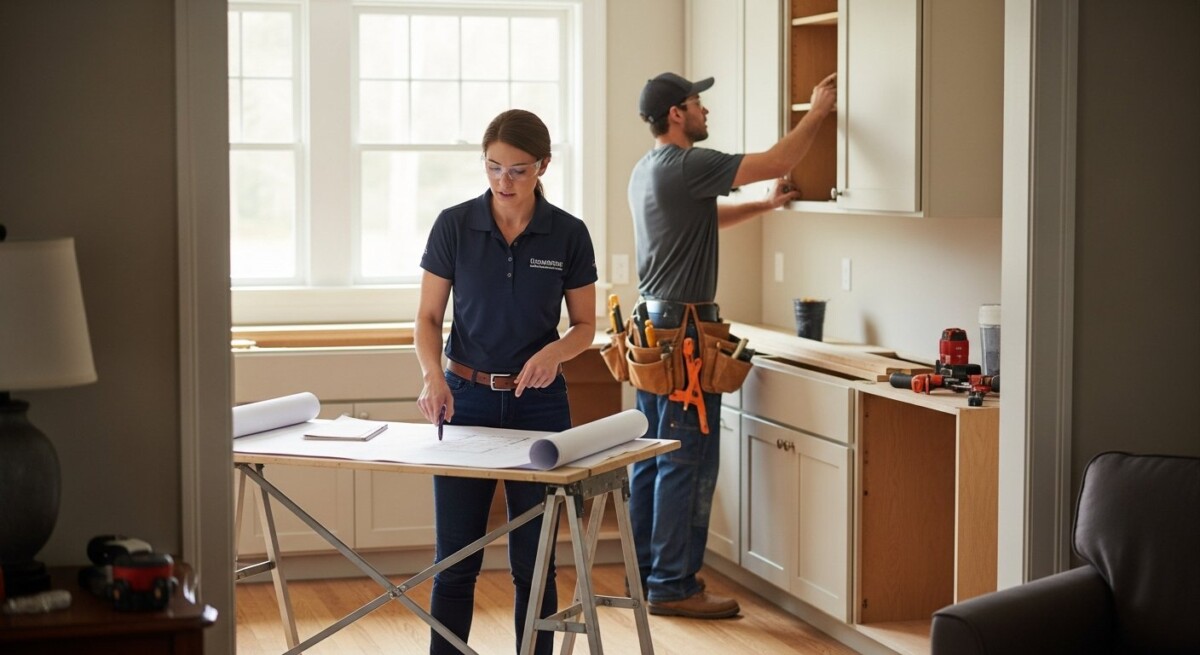
Most professional remodeling projects follow a logical flow. It starts with detailed planning and design, moves into the messy work of demolition and rough construction, then progresses to installing finishes like cabinets and flooring, and finally concludes with cleaning and final inspections. Knowing these phases helps you anticipate what’s coming next.
Why This Matters for Your Home
Going into a remodel blind can lead to unnecessary stress, costly misunderstandings, and even project delays. When you don’t know what to expect, a simple two-week bathroom update can feel like it’s taking over your life. More importantly, a lack of preparation can compromise the quality of the work.
Understanding the process allows you to plan your household’s routine around the chaos. It helps you ask the right questions, make timely decisions, and protect your belongings and your family’s safety. A well-managed remodel minimizes surprises and maximizes the return on your investment, both in your daily enjoyment and your home’s market value.
If you notice signs that your home needs updating or repair, it may help to speak with a qualified contractor. Request a free quote or call to explore your repair or remodeling options.
Common Problems Homeowners Experience
Even with the best planning, remodeling is an invasive process. The most common challenges aren’t usually about the construction itself, but about how it impacts your living space. Dust has a miraculous ability to travel anywhere, and noise can disrupt work calls and relaxation.
You might also face temporary loss of utilities, like water or electricity, in the work area. Access to parts of your home may be blocked, and your daily routines for cooking, bathing, or relaxing will need to adapt. These are normal parts of the process, but forewarned is forearmed.
- Persistent dust and debris throughout the home
- Loud noise from tools and demolition during work hours
- Limited or no access to the room being remodeled
- Temporary disconnection of water, power, or gas lines
- Delays due to material backorders or unforeseen structural issues
- Decision fatigue from selecting countless finishes and fixtures
How Professionals Solve the Problem
A reputable contractor doesn’t just execute the construction; they manage the entire experience. Their expertise turns a potentially chaotic process into an organized, predictable timeline. They handle the complexities of permits, inspections, material ordering, and skilled labor coordination so you don’t have to.
Professionals also implement systems to contain the mess and maintain safety. They use plastic barriers, dust collectors, and designated pathways to limit the remodel’s footprint in your home. Their knowledge helps anticipate problems before they arise, saving you time, money, and frustration compared to a DIY approach where surprises often mean costly mistakes.
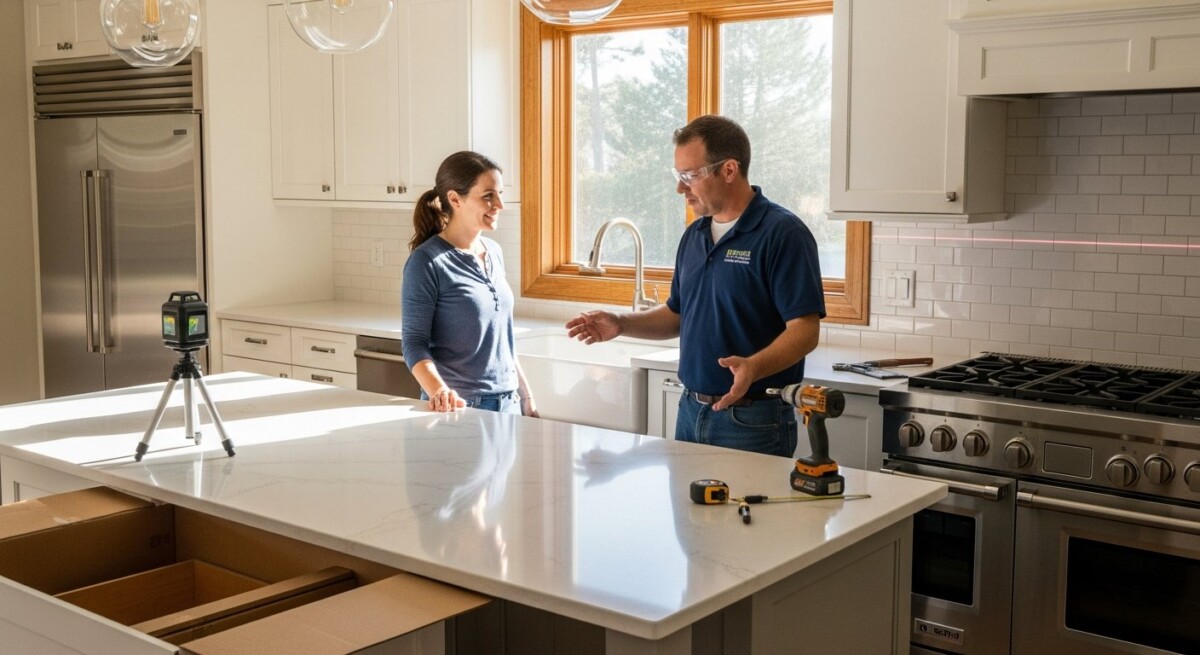
- Pre-Construction Meeting: They walk you through the schedule, establish rules for your home, and set clear communication protocols.
- Site Protection: They seal off work areas with zip walls, lay down floor protection, and may set up a portable toilet for crews.
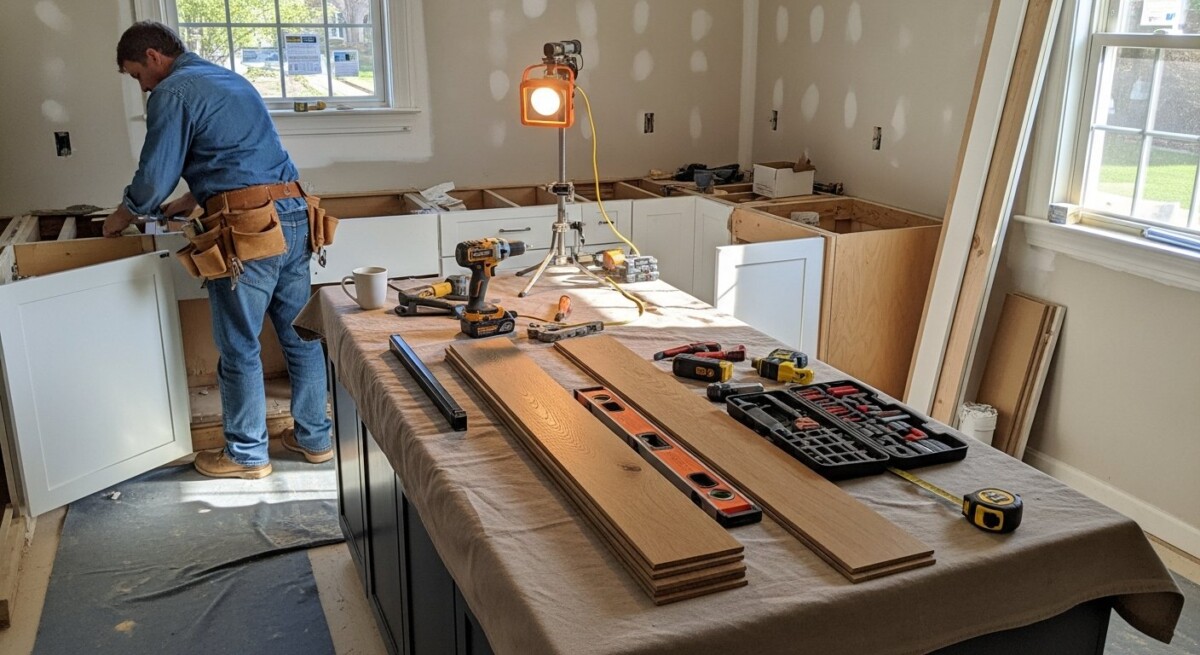
- Phased Demolition & Construction: Work is completed in a logical order,framing, plumbing/electrical rough-ins, insulation, drywall, then finishes.
- Daily Cleanup: A good crew tidies the work area at the end of each day, hauling away debris to a designated dumpster.
- Final Walkthrough & Punch List: You review the completed work together to identify any minor items needing correction before final payment.
A professional inspection can reveal hidden issues before they become expensive repairs. Compare contractor quotes here or call to discuss your project.
Warning Signs You Should Not Ignore
Sometimes, the decision to remodel isn’t purely cosmetic. Your home itself may be telling you it’s time for an update. Ignoring these signs can lead to more extensive damage, higher repair costs down the road, and even safety hazards. Acting early is always more economical and less disruptive.
Pay attention to how your home functions and feels. Problems that start small often worsen over time, and a proactive remodel can address the root cause instead of just applying a temporary fix. For a deeper look at assessing your home’s needs, our guide on before and after remodeling considerations can be very helpful.
- Water stains, peeling paint, or soft spots around sinks, tubs, or windows
- Outdated electrical systems that can’t handle modern appliance loads
- Persistent drafts, difficulty heating or cooling rooms, or very high energy bills
- Cabinets and layouts that no longer suit your family’s lifestyle
- Cracked tiles, worn-out flooring, or surfaces that are impossible to keep clean
- A general feeling that your home is inefficient, uncomfortable, or doesn’t work for you
What Affects the Cost of Repairs or Installation
The price of a remodel isn’t a single number; it’s a sum of many variables. Understanding these factors helps you interpret quotes and make informed choices that align with your budget. The scope of work is the biggest driver,are you moving walls and plumbing, or just updating surfaces?
Material selections cause significant cost variation. The difference between stock cabinets and custom built-ins, or between laminate and natural stone countertops, is substantial. Labor, which includes skilled tradespeople like plumbers and electricians, is another major component. Finally, the age and condition of your home can reveal hidden costs, like outdated wiring that needs upgrading to meet code.
Costs can vary depending on the condition of your home. The best way to know the price is to get a personalized estimate. Request free quotes from contractors or call today.
How to Choose the Right Contractor
Your contractor is your partner in this journey, so choosing the right one is the most critical decision you’ll make. Look for a proven track record of completed projects similar to yours. They should be transparent, communicative, and willing to explain every part of the process in terms you understand.
Always verify their credentials. A legitimate contractor will have the proper licensing, insurance, and bonding required in your area. This protects you from liability and ensures they meet professional standards. Don’t just go with the lowest bid; go with the most thorough, trustworthy, and communicative proposal.
- Check for a valid state license and verify it online.
- Ask for proof of general liability insurance and workers’ compensation.
- Read recent reviews and ask for references from past clients.
- Get detailed, written estimates that break down costs for materials, labor, and profit.
- Compare at least three quotes to understand market rates and scope differences.
- Ensure their proposed timeline includes milestones and cleanup procedures.
Long-Term Benefits of Professional Work
While the immediate benefit of a remodel is a beautiful new space, the long-term advantages are where the true value lies. Professional work is built to last, using correct techniques and materials that stand up to daily use. This durability means you won’t face repeated repairs or premature replacements.
A well-executed remodel also enhances your home’s efficiency and safety. Upgraded insulation, windows, and appliances lower utility bills. Modern electrical systems and proper ventilation reduce hazards. Ultimately, these improvements compound to increase your property’s resale value, often yielding a strong return on investment. For ideas on creating lasting value, consider reading about sustainable home remodeling practices that benefit both your wallet and the environment.
How Long Will a Typical Kitchen Remodel Take?
A mid-range kitchen remodel with professional contractors typically takes 6 to 12 weeks from start to finish. This includes design, ordering materials, demolition, construction, installation, and final touches. Complex layouts or custom cabinet orders can extend the timeline.
Where Should We Live During the Remodel?
For most interior remodels, you can often stay in your home. Plan to set up a temporary kitchenette if remodeling the kitchen, and ensure you have access to at least one full bathroom. For large, whole-house projects or if you have young children, moving out temporarily may reduce stress.
How Do We Handle Dust and Debris?
Your contractor should seal the work area with plastic sheeting and use negative air machines to contain dust. You can add protection by covering furniture in adjacent rooms, changing HVAC filters frequently, and planning a professional deep clean after construction concludes.
What If We Find a Problem Like Mold or Bad Wiring?
This is common, especially in older homes. A professional contract should include an allowance for unforeseen conditions. Your contractor will halt work, inform you of the issue and the cost to fix it, and get your approval before proceeding with the necessary repairs.
How Much Disruption Is Normal?
Expect noise during standard work hours (usually 8 AM to 5 PM), some dust despite containment efforts, and periods without water or power in the work zone. A good crew will minimize disruption, communicate schedule changes, and keep pathways clear for your safety.
Who Is Responsible for Permits and Inspections?
Your licensed contractor should typically pull all required permits and schedule the necessary inspections. This is a key reason to hire a pro,they ensure the work meets local building codes, which is crucial for your safety and home’s resale value.
How Can We Stay on Budget?
Start with a detailed plan and a contingency fund of 10-20% for unexpected issues. Make all material selections before work begins to avoid change orders. Communicate regularly with your contractor and review invoices against your estimate to track spending. For more strategies, our insights on affordable home remodeling approaches offer practical budgeting tips.
What Happens at the End of the Project?
You’ll do a final walkthrough with your contractor to create a “punch list” of any minor items needing correction. Once those are completed, you’ll make final payment, receive product warranties and care instructions, and get guidance on how to maintain your new space.
Remodeling your home is a significant undertaking, but knowing what to expect transforms it from a source of anxiety into an exciting journey. By understanding the process, recognizing when your home needs attention, and partnering with a skilled professional, you can navigate the temporary disruptions with confidence. The result is a home that functions better, reflects your style, and provides lasting value for years to come. If you’re considering a project, the best first step is to gather information,starting with detailed quotes from trusted local contractors to understand your options and investment.