Understanding Labor vs Material Cost in Home Remodeling

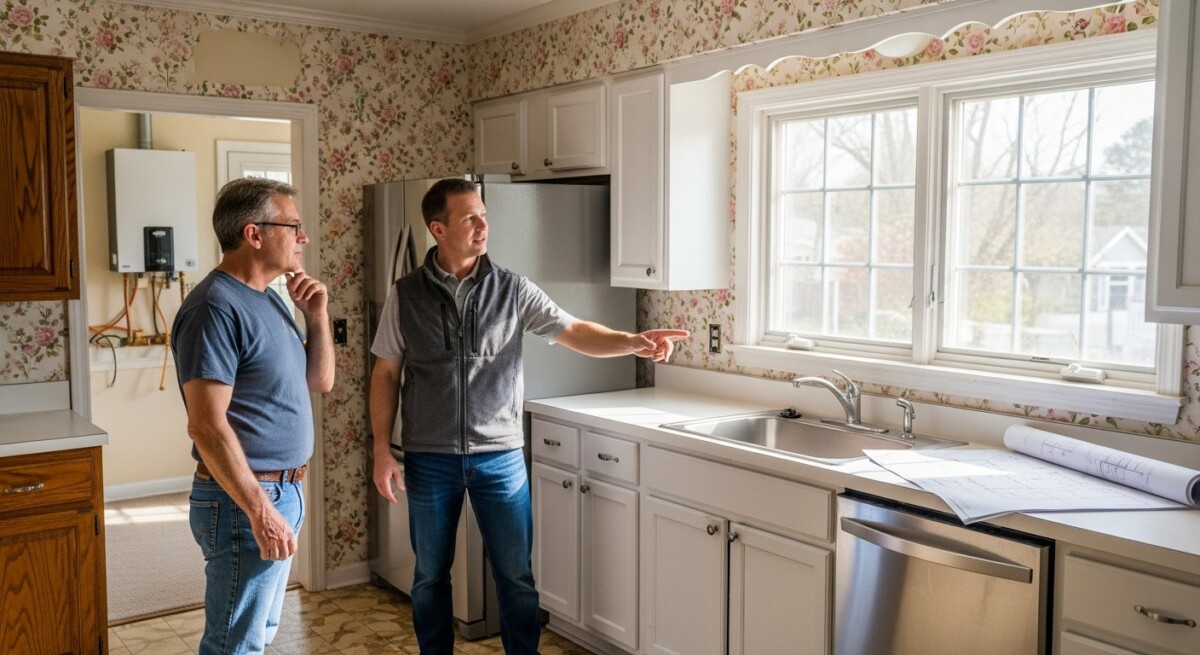
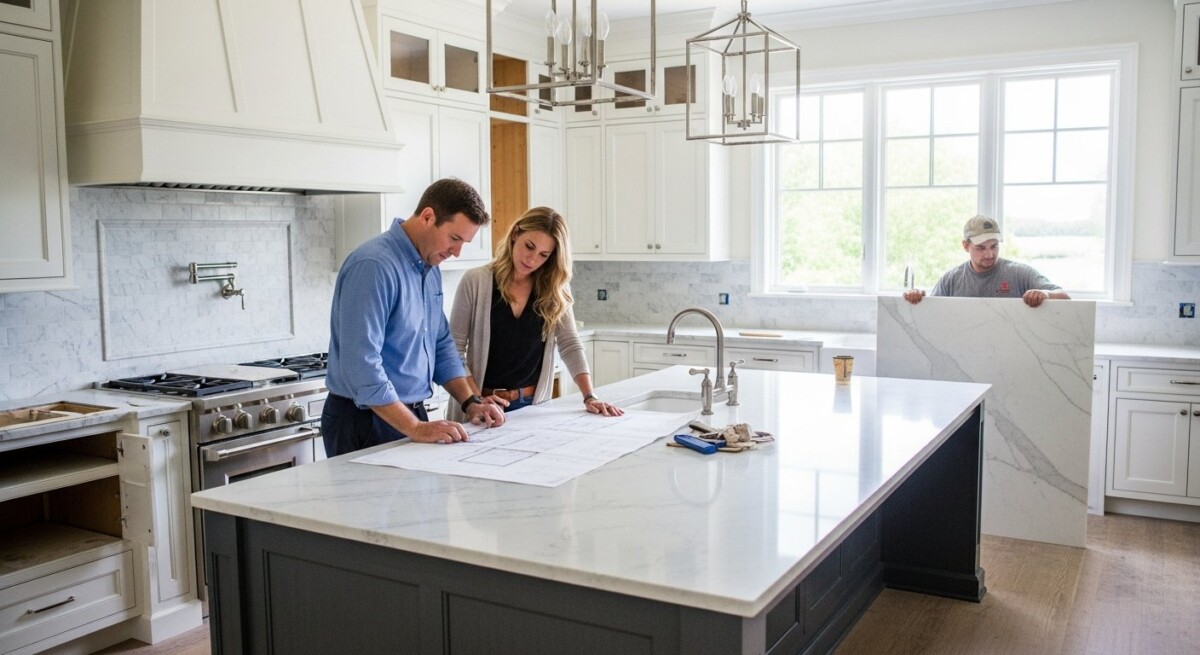
You’ve finally saved up for that kitchen renovation and start shopping for cabinets and countertops. The initial excitement fades when you get the first contractor quote and see a line item simply labeled “Labor” that’s nearly as much as all the beautiful materials you picked out. This surprise is a common homeowner experience, where the balance between labor and material costs isn’t what you expected. Understanding this split is crucial for setting a realistic budget and avoiding project stalls or costly compromises down the line.
Understanding Labor vs Material Cost Remodeling
In any remodeling project, your total cost breaks down into two main parts: materials and labor. Materials are the physical products,lumber, tiles, fixtures, paint, and appliances. Labor is the cost of the skilled professionals who design, install, and manage the project.
This balance isn’t fixed. It shifts based on the project’s complexity and your choices. A simple flooring replacement might lean heavily on material costs. A complex bathroom redesign with custom plumbing and electrical work will have a much higher labor proportion.
Every home is affected, but older homes often see higher labor costs. This is due to unforeseen issues like outdated wiring, plumbing that needs updating to meet code, or structural adjustments that aren’t visible until walls are opened.
Why This Matters for Your Home
Misjudging the labor vs. material cost split is the number one reason remodeling budgets blow up. Homeowners often research material prices online and build a budget around that, only to be shocked when labor estimates arrive. This can lead to cutting corners, choosing less experienced contractors to save money, or abandoning the project altogether.
Getting this balance right protects your investment. Properly budgeted labor ensures work is done to code, safely, and with craftsmanship that makes your new materials last. Skimping on labor to afford premium materials is like putting a luxury paint job on a car with a faulty engine,it might look great initially, but underlying problems will surface quickly.
If you notice signs of this issue in your home, it may help to speak with a qualified contractor. Request a free quote or call to explore your repair or remodeling options.
Common Problems Homeowners Experience
The disconnect between expected and actual costs creates real-world headaches. You might plan for a full basement finish based on drywall and flooring prices, only to discover that the labor for framing, electrical, and plumbing consumes most of your budget, forcing you to scale back.
Another frequent issue is the “while we’re at it” problem. Once walls are open, a contractor may find wiring that needs replacement or plumbing that isn’t to current code. These are essential labor-intensive fixes that weren’t in the original material-focused budget, causing stress and delays.
- Running out of funds mid-project because labor was underestimated.
- Choosing lower-quality installation to afford higher-end finishes, leading to premature failure.
- Facing unexpected costs when hidden problems are discovered during demolition.
- Delaying projects indefinitely because the total cost (materials + labor) is overwhelming.
- Hiring an unqualified handyman for complex work, resulting in unsafe or non-compliant results.
- Over-investing in materials for a simple project, leaving little budget for quality installation.
How Professionals Solve the Problem
A reputable contractor brings clarity to the labor vs. material equation from the start. They don’t guess; they assess. Their experience allows them to accurately estimate the hours and skill level required for your specific project, preventing nasty financial surprises.
Professionals manage the entire cost ecosystem. They have trade relationships for fair material pricing and know exactly how long tasks take. This efficiency often saves money compared to a DIY approach where mistakes and time overruns are costly. Their work also comes with warranties, protecting your investment in both materials and labor.
- Detailed Assessment: They evaluate your space, discuss your goals, and identify potential hidden challenges.
- Transparent Estimating: A good quote clearly breaks down material costs (often with allowances) and labor costs per phase of the project.
- Value Engineering: They can suggest where to invest in labor (e.g., proper waterproofing) and where to save on materials without sacrificing quality.
- Professional Execution: Skilled crews work efficiently, correctly the first time, adhering to building codes for safety and longevity.
- Project Management: They coordinate deliveries, schedules, and tradespeople, ensuring labor hours are used effectively and your material investments are protected.
A professional inspection can reveal hidden issues before they become expensive repairs. Compare contractor quotes here or call to discuss your project.
Warning Signs You Should Not Ignore
If you’re planning a remodel, be wary of estimates that seem too good to be true. Often, an extremely low bid means a contractor is underestimating labor, planning to use subpar materials, or will hit you with change orders later. A realistic bid respects the true cost of skilled work.
Listen to your conversations with potential contractors. If they only want to talk about the cabinets and countertops you like without detailing the installation process, plumbing hookups, or electrical requirements, they may not be factoring in the full labor scope. A trustworthy pro will discuss both sides of the cost equation openly.
- A quote that is significantly lower than others without a clear, detailed rationale.
- An estimate that is just one total number with no breakdown between labor and materials.
- A contractor who dismisses your concerns about permits or building codes.
- Pressure to purchase all materials yourself before a labor plan is established.
- Vague descriptions of the work process or timeline.
- No discussion of potential unforeseen conditions, especially in older homes.
What Affects the Cost of Repairs or Installation
Several key factors influence where your remodeling dollar goes. The project’s complexity is a major driver of labor cost. Moving a kitchen sink six feet involves extensive plumbing and possibly floor joist work, making it far more labor-intensive than a simple cosmetic update.
Your home’s age and condition play a huge role. Remodeling a 1920s craftsman involves more labor for leveling floors, updating knob-and-tube wiring, and matching historic craftsmanship than a project in a 1990s home. The accessibility of the work area also matters,a third-floor bathroom remodel costs more in labor than one on the ground floor due to the challenge of moving materials.
Costs can vary depending on the condition of your home. The best way to know the price is to get a personalized estimate. Request free quotes from contractors or call today.
How to Choose the Right Contractor
The right contractor is your partner in navigating labor and material costs. They should be a source of education, not just a service provider. Look for someone who explains the “why” behind costs, not just the “what.”
Your goal is to find a balance of quality, reliability, and fair value. The cheapest option often becomes the most expensive when you factor in rework and repairs. Investing time in selection pays dividends in project smoothness and final outcome. For a deeper look at this critical decision, our guide on DIY vs. hiring a contractor breaks down the pros and cons of each approach.
- Verify Credentials: Always check for a current state license, liability insurance, and workers’ compensation coverage.
- Read Reviews and See Past Work: Look at online reviews and ask for references for projects similar in scope and budget to yours.
- Get Detailed, Written Estimates: Compare quotes that itemize labor and material costs line-by-line. Beware of vague proposals.
- Compare Multiple Quotes: Get at least three detailed estimates. This gives you a realistic market range for both labor and materials.
- Assess Communication: Choose someone who listens, answers questions clearly, and provides a solid contract outlining payment schedules, timelines, and change order procedures.
Long-Term Benefits of Professional Work
Properly balancing and investing in labor yields returns for years. Quality installation extends the life of your materials. Well-installed tile won’t crack, properly wired lighting is safe, and correctly flashed windows won’t leak. This durability saves you money on premature repairs and replacements.
Professional work also protects and increases your home’s value. Appraisers and future buyers can spot shoddy craftsmanship. A remodel with documented permits and professional execution is a strong selling point. Furthermore, a well-planned project that considers both cost elements from the start avoids the common pitfall of overspending, which is key for a good return on investment. To visualize the potential, browsing before and after remodeling examples can show the transformative power of a well-executed plan.
Efficiency is another lasting benefit. An energy-efficient HVAC installation or proper insulation requires skilled labor but pays back through lower utility bills every month. This makes the labor cost an investment in ongoing savings, not just an expense.
What is a typical labor vs material cost split?
There’s no single rule, as it varies by project. Generally, labor can range from 40% to 60% of the total cost. For complex projects like full kitchen or bathroom remodels, labor often accounts for 50% or more. Simpler projects like painting or flooring may have a higher material percentage.
Why is remodeling labor so expensive?
Skilled labor is expensive because it encompasses expertise, insurance, tools, licensing, and overhead. A good contractor pays fair wages to trained carpenters, plumbers, and electricians. Their work also includes project management, securing permits, and guaranteeing the job meets building codes for your safety.
Can I save money by buying my own materials?
Sometimes, but it can be risky. Contractors often get trade discounts you can’t access. If materials you purchase are wrong, damaged, or delayed, you are responsible. Most importantly, many contractors won’t warranty labor on homeowner-supplied materials. It’s best to discuss this option upfront.
How can I reduce labor costs on a remodel?
The best way is through smart planning, not by hiring cheap labor. Keep plumbing and electrical fixtures in their current locations. Choose standard-sized cabinets and materials that are easier to install. Act as your own project manager only if you have significant experience, as coordination mistakes cost more.
Should I choose the lowest bid?
Not necessarily. The lowest bid may cut corners on labor quality, use inferior materials, or have underestimated the scope. Compare the details of each quote. A mid-range bid with a clear breakdown, good communication, and solid references often provides the best long-term value.
What questions should I ask about labor in an estimate?
Ask for a daily crew size and estimated project duration. Inquire about who performs specific tasks (e.g., licensed plumber vs. general helper). Ask how they handle unforeseen issues and what their change order process and costs are. Get clarity on what the labor line items specifically include.
How do I budget for hidden labor costs?
A reputable contractor will include a contingency line in the estimate (typically 10-20% for older homes) for unforeseen labor. This is not a slush fund but a planned reserve for issues discovered after opening walls. Ensure your overall budget has this flexibility. For more on staying on budget, our resource on affordable home remodeling strategies offers practical tips.
Does a higher labor cost mean better quality?
Not always, but extremely low labor costs are a red flag. Higher labor costs should correlate with demonstrable quality: detailed proposals, strong portfolios, good references, proper credentials, and clear warranties. You are paying for expertise, efficiency, and risk mitigation.
Understanding the dance between labor and material costs is the key to a successful, stress-free remodel. It allows you to budget realistically, choose the right professional partner, and make informed decisions that protect your home and your investment. By addressing this balance early and seeking detailed quotes, you can move forward with confidence, knowing your project is built on a solid financial foundation, not guesswork.