How to Increase Property Value With Remodeling
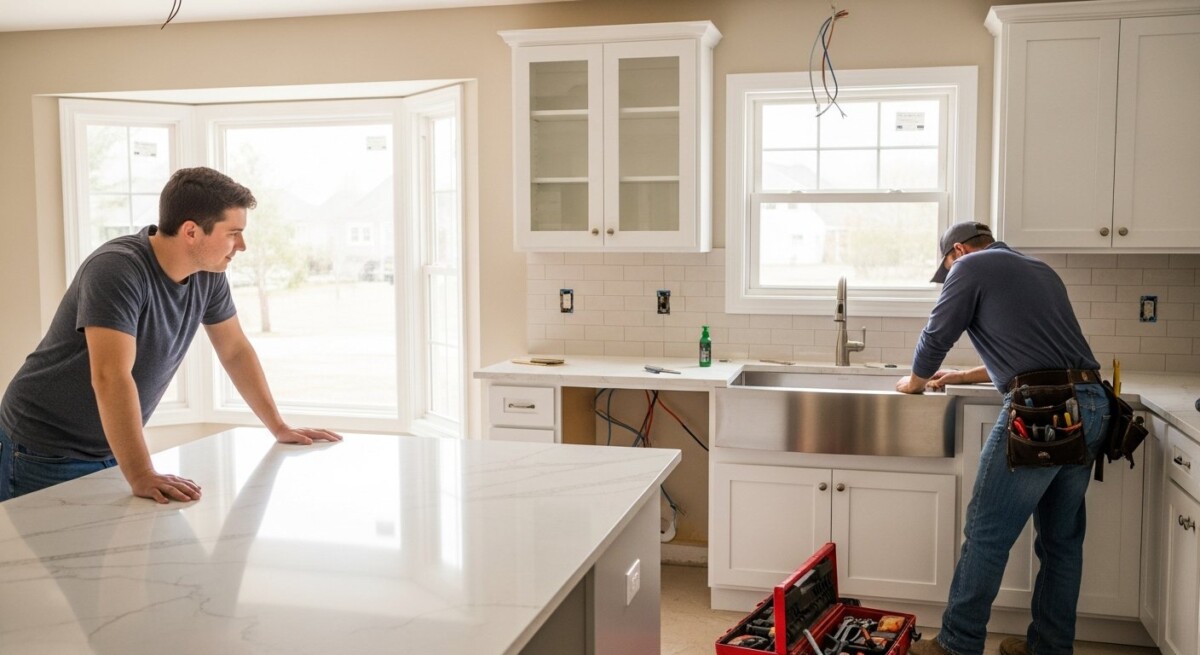
You walk into your kitchen and notice the countertops are stained. The cabinet doors don’t close right anymore. Maybe the bathroom tile is cracked, or the basement just feels dark and unused. These small problems may seem manageable at first, but they can quietly lower your home’s value and make daily life less comfortable. If you’ve been wondering how to increase property value with remodeling, you are not alone. Many homeowners face the same question: which updates actually pay off? Understanding how to increase property value with remodeling starts with knowing where your home is losing value and what changes can reverse that trend.
Understanding how to increase property value with remodeling
Remodeling to boost property value means making targeted improvements that raise your home’s market price while also improving how you live in it. Some projects add significant value, while others are purely cosmetic. The key is focusing on updates that buyers want and that solve real problems in your home.
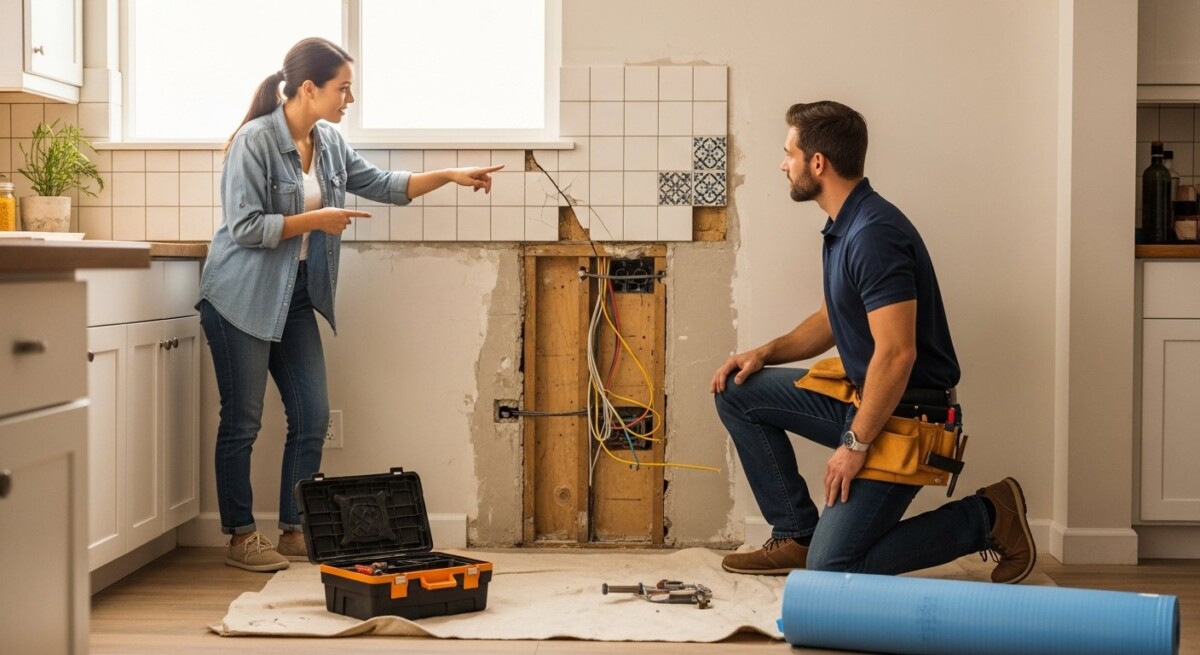
Homes that are outdated, poorly maintained, or inefficient often sell for less than comparable properties. Kitchens and bathrooms tend to offer the highest return on investment, followed by energy-efficient upgrades and finished basements. Older homes, in particular, benefit from remodeling because they often have hidden issues like old wiring, poor insulation, or outdated plumbing that drag down value.
Which homes benefit most from remodeling?
Homes built before 2000 often need updates to meet modern standards. If your home has original fixtures, single-pane windows, or an unfinished basement, you have strong potential to increase its value. Even newer homes can benefit from remodeling if the finishes were builder-grade or if the layout feels cramped.
Why this matters for your home
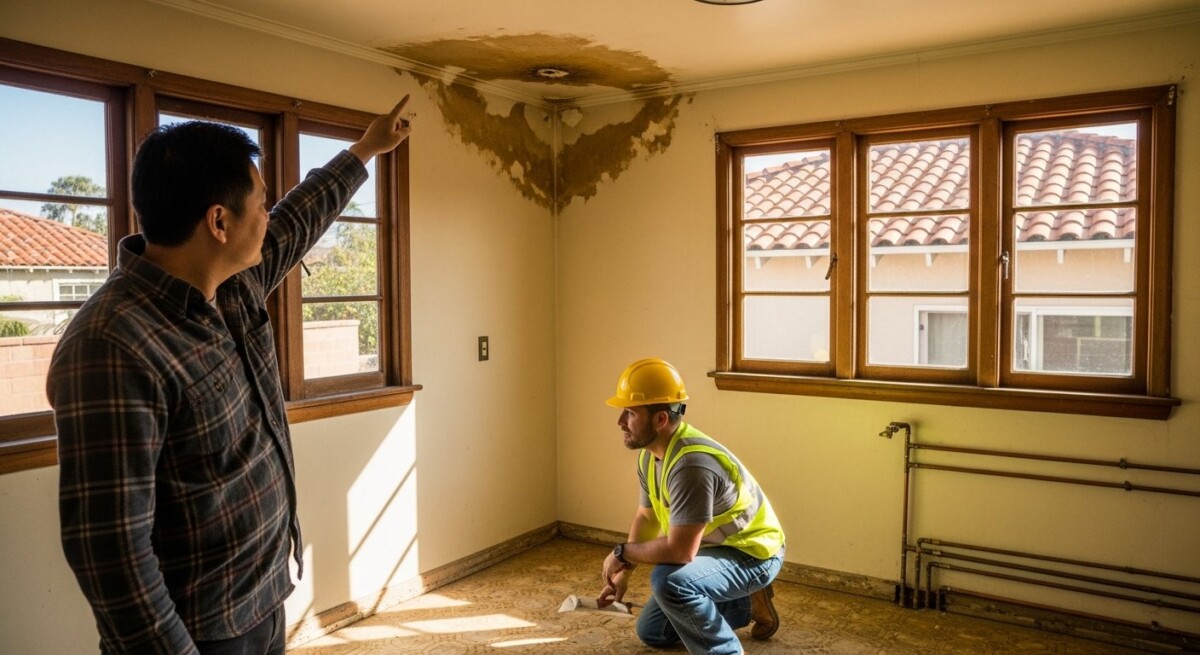
Ignoring needed updates does more than make your home feel tired. It can lead to property damage, safety risks, and rising repair costs. A small leak behind an old sink can rot the subfloor. Outdated wiring can create a fire hazard. An inefficient HVAC system can cost you hundreds in extra energy bills each year.
Comfort also suffers. Dark rooms, cramped layouts, and worn surfaces make your home less enjoyable to live in. When you decide to sell, these issues will come up during inspections and appraisals, lowering your asking price. Addressing problems early protects your investment and keeps your home safe and comfortable.
If you notice signs of this issue in your home, it may help to speak with a qualified contractor. Request a free quote or call to explore your repair or remodeling options.
Common problems homeowners experience
Many homeowners face similar issues that reduce property value. You might have a kitchen that feels cramped and outdated, with laminate counters and worn floors. The bathroom may have a shower that doesn’t drain well or tiles that are cracked. Basements are often underutilized, becoming storage dumps instead of livable space.
Energy efficiency is another common problem. Drafty windows, poor insulation, and old appliances increase utility bills and make your home less attractive to buyers. Curb appeal matters too,peeling paint, an old front door, or an overgrown yard can lower perceived value before anyone steps inside.
- Outdated kitchens with worn cabinets and countertops
- Bathrooms with old fixtures, poor lighting, or water damage
- Unfinished basements that waste valuable square footage
- Drafty windows and doors that increase energy costs
- Old flooring that is stained, scratched, or worn
- Lack of modern amenities like smart thermostats or energy-efficient appliances
How professionals solve the problem
Experienced contractors approach remodeling with a clear plan. They start by inspecting your home to identify both visible issues and hidden problems. Then they recommend updates that fit your budget and goals. Professional work is often safer and more reliable than DIY because contractors have the training, tools, and permits to meet building codes.
Here is the typical process a professional follows for a value-boosting remodel:
- Inspection and consultation , The contractor evaluates your home’s condition and discusses your needs and budget.
- Design and material selection , You choose finishes, fixtures, and layouts that add value without overspending.
- Permitting and scheduling , The contractor handles permits and coordinates trades like electricians and plumbers.
- Demolition and preparation , Old materials are removed safely, and the space is prepared for new work.
- Installation and construction , New cabinets, flooring, fixtures, and systems are installed to code.
- Final inspection and cleanup , The work is inspected for quality, and the space is cleaned and ready for use.
A professional inspection can reveal hidden issues before they become expensive repairs. Compare contractor quotes here or call to discuss your project.
Warning signs you should not ignore
Some problems are easy to overlook, but catching them early can save you thousands. Pay attention to how your home feels and functions. If rooms feel too hot or too cold, your insulation or HVAC may be failing. If water pools around sinks or tubs, you may have a slow leak that will worsen over time.
Listen for squeaky floors, sticking doors, or windows that won’t open easily. These can signal foundation shifts or moisture damage. If your energy bills keep rising despite normal usage, your home may be losing heat or cool air through poor windows or gaps in the envelope.
- Cracks in walls or ceilings near doors and windows
- Musty odors or visible mold in bathrooms or basements
- Drafty rooms that are hard to heat or cool
- Water stains on ceilings, walls, or around plumbing fixtures
- Outdated electrical panels or frequently tripped breakers
- Doors and windows that stick or don’t seal properly
What affects the cost of repairs or installation
Remodeling costs vary widely based on several factors. The size of the project matters most,a full kitchen remodel costs more than a countertop replacement. Materials also drive price: granite and quartz cost more than laminate, and hardwood flooring is pricier than vinyl. Labor rates depend on your location and the complexity of the work.
Accessibility can increase costs too. A bathroom on the second floor may require more labor and care than a first-floor remodel. Older homes may need additional work to bring wiring, plumbing, or insulation up to modern standards. Getting multiple quotes helps you understand the range of costs for your specific project.
Costs can vary depending on the condition of your home. The best way to know the price is to get a personalized estimate. Request free quotes from contractors or call today.
How to choose the right contractor
Finding a reliable contractor is critical to a successful remodel. The cheapest bid is not always the best choice. Look for contractors who are licensed, insured, and have experience with projects like yours. Ask for references and read online reviews to learn about their reputation.
Get detailed written estimates from at least three contractors. Compare not just the price but the scope of work, materials, and timeline. A good contractor will explain their process and answer your questions clearly. They should also provide a contract that outlines payment terms, warranties, and what happens if delays occur.
- Verify licensing and insurance for your state
- Read recent customer reviews on Google or Yelp
- Ask for a detailed written estimate with material and labor breakdowns
- Compare quotes from at least three contractors
- Confirm experience with similar remodeling projects
Long-term benefits of professional work
Professional remodeling pays off in many ways beyond just a higher selling price. Your home becomes safer, more comfortable, and more efficient. New windows, insulation, and HVAC systems lower monthly utility bills. Updated kitchens and bathrooms make daily life easier and more enjoyable.
Quality work also lasts longer. Professional installations come with warranties and are less likely to need repairs soon. This reduces future maintenance costs and stress. When you do decide to sell, a well-maintained, updated home attracts more buyers and commands a higher price. In our guide on how much remodel can increase home value, we explain the typical returns for different projects. A finished basement, for example, can add significant livable square footage,check out our basement remodeling services for more details.
FAQs
What remodeling projects add the most value to a home?
Kitchen and bathroom remodels typically offer the highest return on investment. Finishing a basement, adding energy-efficient windows, and updating the front door also add significant value. Focus on projects that improve function and appeal to buyers.
How much does a kitchen remodel increase home value?
A minor kitchen remodel can recoup 70,80% of its cost at resale. Major remodels may recoup 50,60%, but they can still increase your home’s overall value. The exact amount depends on your market and the quality of the work.
Is it worth remodeling before selling a house?
Yes, in many cases. Homes that are updated and move-in ready often sell faster and for higher prices. Focus on high-ROI projects like kitchen updates, bathroom remodels, and curb appeal improvements. Avoid over-customizing for your personal taste.
How can I increase my home value on a budget?
Start with small updates like fresh paint, new hardware, and improved lighting. Replace old faucets and cabinet pulls. Improve landscaping and clean up clutter. Energy-efficient upgrades like smart thermostats or LED lighting are low-cost and appealing to buyers.
Does finishing a basement increase home value?
Yes, finishing a basement adds livable square footage, which can significantly increase home value. It also provides extra space for a family room, home office, or guest suite. Professional finishing ensures proper insulation, moisture control, and code compliance.
How do I know if a remodel is worth the cost?
Compare the cost of the remodel to the potential increase in home value in your area. Talk to a real estate agent or appraiser for local data. Focus on projects that solve problems or add features buyers want, like an updated kitchen or energy-efficient windows.
Should I DIY or hire a contractor for remodeling?
Simple cosmetic updates like painting or changing hardware can be DIY. For structural work, plumbing, electrical, or major installations, hire a licensed contractor. Mistakes in these areas can be costly and dangerous. Professional work also adds to your home’s value because it meets building codes.
How long does a typical remodel take?
A minor kitchen remodel can take 3,6 weeks. A full bathroom remodel may take 2,4 weeks. Basement finishing can take 4,8 weeks depending on size and complexity. Your contractor should provide a timeline before work begins.
Making smart updates to your home is one of the best ways to protect your investment and improve your quality of life. Whether you need a minor refresh or a major renovation, addressing problems early saves money and stress. Before you start any project, compare quotes from multiple contractors to find the right fit for your budget and goals. For more ideas on exterior updates, read our article on exterior home remodeling to protect your home and boost its value.