How to Estimate Remodeling Costs: A Homeowner’s Guide

You walk into your kitchen and notice the cabinet door is hanging by one hinge. Or maybe you’ve been ignoring that drafty window because you’re not sure what a replacement would cost. Every homeowner faces this moment: the sudden realization that a repair or remodel is necessary, but the price tag is a complete mystery. Without a clear estimate, it’s easy to put off the project, hoping the problem will fix itself,but it rarely does. Delaying can turn a small repair into a major renovation, costing you thousands more in the long run. That’s why learning how to estimate remodeling costs is one of the most valuable skills you can develop as a homeowner.
Understanding How to Estimate Remodeling Costs
Estimating remodeling costs means breaking down a project into its core parts: materials, labor, permits, and unexpected surprises. It’s not about guessing a number,it’s about understanding what drives the final price so you can plan realistically. Most homeowners discover that costs vary widely based on the scope of work, the quality of materials, and local labor rates. In our guide on understanding average home remodeling costs, we explain how to get a ballpark figure before you ever pick up a hammer.
Why do costs fluctuate so much? Older homes often hide issues like outdated wiring, asbestos, or water damage that only surface once walls are opened. Newer homes may need less structural work but still require premium finishes to match current trends. Homes in high-cost-of-living areas will naturally see higher labor rates, while a DIY-friendly project can save you money on labor but adds risk if you lack experience.
Why This Matters for Your Home
Ignoring remodeling cost estimates doesn’t just hurt your wallet,it affects your safety and comfort. A leaky pipe behind a wall can lead to mold, weakened drywall, and even structural damage if left unchecked. The longer you wait, the more expensive the repair becomes. What starts as a $500 plumbing fix can balloon into a $5,000 water damage restoration project.
Your home’s value also takes a hit when visible problems aren’t addressed. A cracked foundation or outdated bathroom can lower your property’s resale value by thousands. On the flip side, investing in well-planned remodeling can boost your home’s appeal and energy efficiency, reducing monthly utility bills. Knowing the costs upfront helps you prioritize which projects to tackle first,and which to save for later.
If you notice signs of this issue in your home, it may help to speak with a qualified contractor. Request a free quote or call to explore your repair or remodeling options.
Common Problems Homeowners Experience
Many homeowners struggle with vague estimates that don’t match the final bill. A contractor might give you a verbal price, but without a written breakdown, you’re left guessing what’s included. This often leads to budget overruns and frustration. Another common problem is underestimating the cost of materials,especially if you choose custom cabinets, high-end flooring, or specialty fixtures.
Real-world examples make this clearer. A homeowner in Denver wanted to remodel a small bathroom. They budgeted $8,000 based on online calculators, but after removing the old tile, they discovered mold behind the shower wall. The final cost reached $12,000 because they hadn’t accounted for waterproofing and drywall replacement. Stories like this are common because hidden issues are the norm, not the exception.
- Visible damage like cracked tiles, peeling paint, or sagging ceilings that indicate deeper problems
- Performance issues such as poor water pressure, uneven heating, or drafty rooms
- Structural concerns like sloping floors, sticking doors, or cracks in foundation walls
- Aging materials that are outdated, worn out, or no longer meet building codes
- Unexpected discoveries during demolition, such as asbestos, knob-and-tube wiring, or termite damage
- Inaccurate initial quotes that miss permit fees, disposal costs, or delivery charges
How Professionals Solve the Problem
Experienced contractors approach remodeling cost estimates with a systematic process. They start with an on-site inspection to identify visible and hidden issues. Then they measure the space, review your wish list, and factor in local material costs and labor rates. This level of detail ensures you get a realistic estimate,not a lowball number that changes later. For a deeper look at the methodology, check out how contractors estimate remodeling cost for homeowners.
- Inspection and measurement , The contractor visits your home, takes precise measurements, and notes any existing damage or special conditions.
- Scope definition , You discuss your goals, preferred materials, and timeline. The contractor clarifies what’s included and what’s not.
- Material and labor pricing , They get quotes from suppliers and subcontractors, then calculate labor hours based on complexity.
- Permit and contingency planning , They add costs for required permits and a 10,20% contingency fund for unexpected issues.
- Written estimate , You receive a detailed, itemized quote that spells out every charge, so there are no surprises later.
Professional work is safer and more reliable than DIY because contractors carry insurance, know local building codes, and have experience with tricky installations. They also coordinate multiple trades,plumbers, electricians, carpenters,so the project flows smoothly. Trying to manage this yourself can lead to costly mistakes and project delays.
A professional inspection can reveal hidden issues before they become expensive repairs. Compare contractor quotes here or call to discuss your project.
Warning Signs You Should Not Ignore
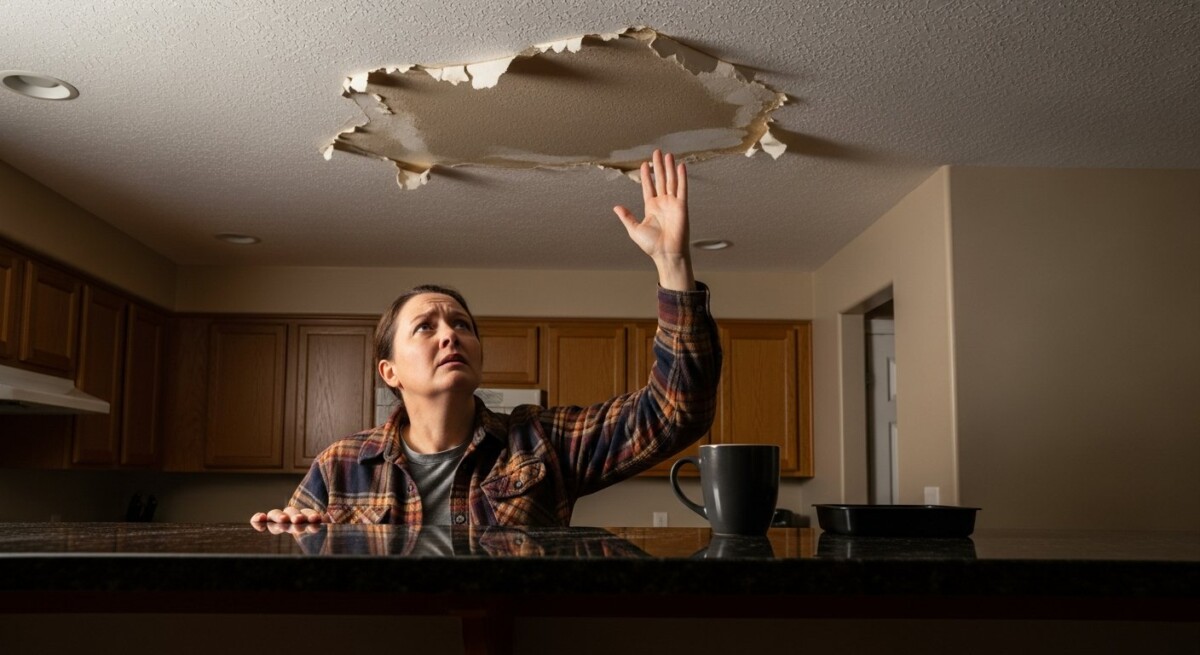
Your home often sends signals that a repair or remodel is needed. Pay attention to small changes, because they usually point to bigger problems. For example, a water stain on the ceiling might mean a slow roof leak that will eventually rot the rafters. A door that sticks in summer could indicate foundation movement.
Early action is your best defense against escalating costs. When you catch an issue early, the repair is simpler and cheaper. Waiting until the problem becomes an emergency,like a burst pipe or a collapsed ceiling,forces you into a reactive, expensive fix. Recognizing warning signs now can save you thousands.
- Unexplained increases in your water or energy bills, which may indicate leaks or poor insulation
- Musty odors or visible mold growth, especially in basements, bathrooms, or around windows
- Warped or buckling flooring, which can signal moisture damage or subfloor issues
- Frequent circuit breaker trips or flickering lights, pointing to outdated or overloaded electrical systems
- Peeling exterior paint or rotted wood trim, which often precedes water intrusion and structural decay
- Difficulty opening or closing windows and doors, suggesting foundation settling or frame damage
What Affects the Cost of Repairs or Installation
The size of your project is the biggest cost driver. A full kitchen remodel costs significantly more than a bathroom refresh because of the larger footprint, more cabinets, and extensive plumbing and electrical work. Materials also play a huge role: solid hardwood flooring costs two to three times more than laminate, and custom cabinetry can double your budget compared to stock options.
Labor requirements vary by trade and location. Electricians and plumbers charge higher hourly rates than general laborers, and urban areas command higher wages than rural ones. Accessibility matters too,if your work area is on the third floor with no elevator, or if the space is cramped, expect higher labor costs. Finally, the age of your home can affect pricing: older homes often require specialized materials to match historical styles or meet modern codes.
Costs can vary depending on the condition of your home. The best way to know the price is to get a personalized estimate. Request free quotes from contractors or call today.
How to Choose the Right Contractor
Selecting the right contractor is just as important as getting an accurate estimate. A good contractor will be transparent about costs, communicate clearly, and deliver quality work on time. Don’t hire the first person you find,take the time to vet your options thoroughly. A little research upfront can prevent headaches and budget overruns later.
Start by asking for recommendations from neighbors or friends who’ve had similar work done. Then verify each candidate’s credentials and reputation. A reliable contractor should have a physical business address, a professional website, and a portfolio of past projects. They should also be willing to provide references you can call.
- Check licenses and insurance , Confirm the contractor is licensed in your state and carries general liability and workers’ compensation insurance.
- Read customer reviews , Look for patterns in online reviews on sites like Google, Yelp, or the Better Business Bureau.
- Ask for detailed estimates , Insist on a written, itemized quote that lists materials, labor, permits, and payment schedule.
- Compare multiple quotes , Get at least three estimates to understand the market range and avoid overpaying.
- Confirm experience with similar projects , Ask how many projects like yours they’ve completed in the last year.
Long-Term Benefits of Professional Work
Hiring a professional for your remodeling project pays off over time. Proper installation means fewer callbacks for repairs, saving you money and frustration. For example, a professionally installed roof lasts 20,30 years, while a DIY job might fail in half that time. Quality workmanship also improves your home’s energy efficiency, lowering heating and cooling costs year after year.
Your home’s resale value gets a boost too. Potential buyers are willing to pay more for a home with updated kitchens, bathrooms, and energy-efficient features that were installed by licensed contractors. Professional work comes with warranties that transfer to the new owner, adding peace of mind. And because the work is done to code, you won’t face fines or issues when you sell.
Finally, professional remodeling reduces your future maintenance burden. Properly sealed windows, correctly graded drainage, and well-installed flooring resist wear and tear better than DIY alternatives. You’ll spend less time fixing problems and more time enjoying your home.
What is the average cost of a kitchen remodel?
A minor kitchen remodel averages $10,000 to $25,000, while a major renovation can run $30,000 to $60,000 or more. Costs depend on cabinet quality, countertop materials, appliance upgrades, and whether you change the layout. Getting multiple quotes helps you find a price that fits your budget.
How do I estimate remodeling costs for a bathroom?
Start by measuring the space and listing everything you want to change,tub, toilet, vanity, tile, lighting. A basic bathroom remodel averages $7,000 to $15,000, while a luxury renovation can exceed $25,000. Always add a 15,20% contingency for hidden issues like plumbing or mold.
What is the most expensive part of a home remodel?
Labor is typically the largest expense, accounting for 40,60% of total costs. For kitchens and bathrooms, cabinetry and countertops are also major cost drivers. Structural changes, like moving walls or adding windows, increase costs significantly due to engineering and permitting fees.
How can I save money on remodeling costs?
You can save by keeping the same layout, choosing stock materials instead of custom, and doing some demolition or painting yourself. However, never DIY electrical, plumbing, or structural work,mistakes can be dangerous and expensive to fix. Get multiple quotes to find competitive pricing.
Do I need a permit for my remodeling project?
Most major projects require permits, including structural changes, electrical work, plumbing, and additions. Permits ensure the work meets safety codes, which protects you and future buyers. Your contractor should handle the permit process as part of their service.
How long does a typical remodel take?
A bathroom remodel usually takes 2,4 weeks, while a kitchen remodel can take 6,12 weeks. Larger projects like a home addition may take 3,6 months. Delays often occur due to material shortages, permit approvals, or unexpected discoveries during demolition.
What should I look for in a remodeling contract?
Your contract should include a detailed scope of work, material specifications, payment schedule, start and completion dates, and a warranty clause. Make sure it lists who is responsible for obtaining permits and disposing of debris. Never sign without reading every line.
Is it cheaper to remodel or move?
Remodeling is often cheaper than moving, especially if you love your neighborhood and the home’s layout. Moving costs include real estate commissions, closing costs, and higher mortgage rates. However, if your remodel would cost more than 70% of the home’s value, moving might be the better choice.
Estimating remodeling costs doesn’t have to be overwhelming. Start by understanding the key factors,size, materials, labor, and hidden issues,and then get multiple written quotes from licensed contractors. Acting early on repairs and upgrades protects your home’s value, safety, and comfort. Compare contractor quotes online or call today to get started on your next project with confidence.