Renovation Denver Colorado: A Homeowner’s Practical Guide
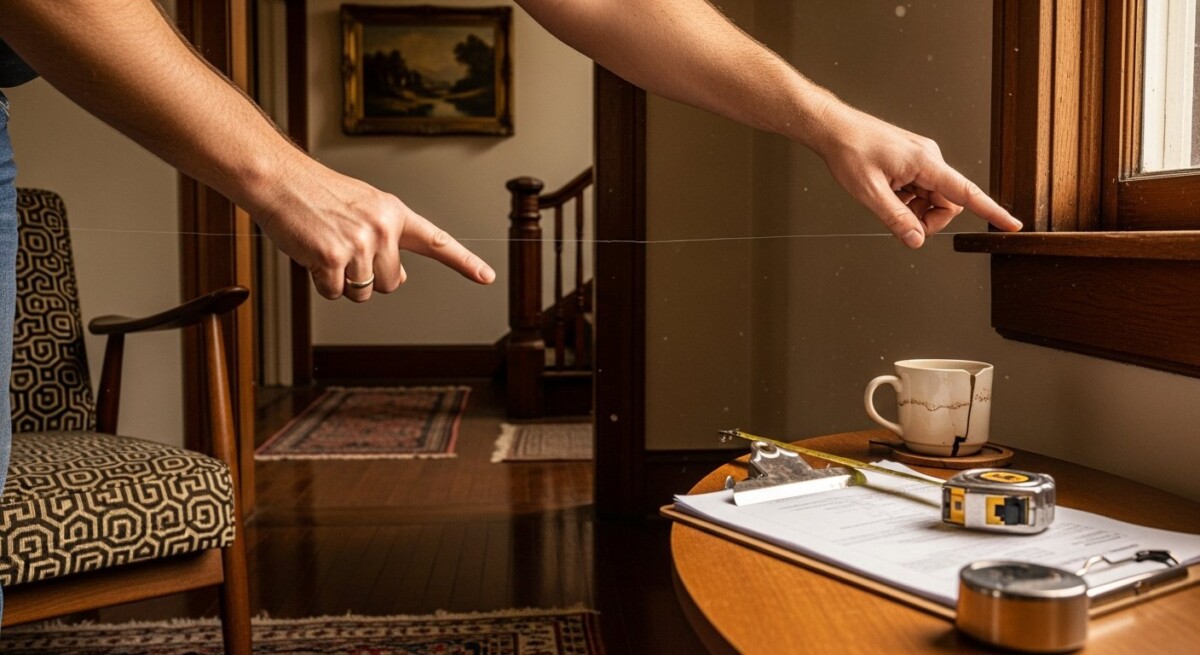
You walk into your Denver living room and notice a hairline crack snaking up the wall near the window. The hardwood floor in the hallway creaks louder than it did last winter, and the kitchen cabinets,original to the 1970s,refuse to close evenly. These small annoyances might seem harmless, but for many homeowners in Denver, Colorado, they are early signals that a renovation is overdue. Ignoring them can turn a weekend fix into a major project that disrupts your life and drains your savings.
Whether you own a classic brick bungalow in Capitol Hill, a mid-century ranch in Wheat Ridge, or a newer build in Stapleton, renovation Denver Colorado is a topic that touches nearly every homeowner eventually. The unique climate here,dry summers, freeze-thaw winters, and expansive clay soil,puts constant stress on your home’s structure and systems. Understanding what renovation means for your specific situation is the first step toward protecting your investment and keeping your home comfortable for years to come.
Understanding Renovation Denver Colorado
Renovation in Denver, Colorado, covers everything from updating a single bathroom to gutting and rebuilding an entire floor. At its core, renovation means improving, repairing, or modernizing your home to meet current standards, your personal taste, or both. Unlike simple maintenance, renovation often involves structural changes, new materials, and professional expertise to ensure the work lasts in Denver’s challenging environment.
Why does location matter so much? Denver’s high altitude, intense UV exposure, and dramatic temperature swings cause materials to expand, contract, and degrade faster than in milder climates. Additionally, many Denver homes were built during boom periods,the 1950s, 1970s, and early 2000s,using construction methods that may not meet today’s energy codes or seismic standards. Home renovation Denver Colorado is not just about aesthetics; it is about adapting your house to withstand local conditions while increasing its functionality and value.
Homes most affected by the need for renovation tend to be those over 20 years old, especially if they still have original windows, roofs, plumbing, or electrical systems. However, even newer homes can benefit from renovation projects that improve energy efficiency, add living space, or correct builder-grade finishes that wear out quickly.
Why This Matters for Your Home
Delaying renovation in Denver can lead to serious consequences that go far beyond cosmetic frustration. The most immediate risk is property damage. Small roof leaks, for example, can rot wooden beams and attic insulation within a single rainy season. Foundation cracks,common in Denver’s clay soil,can widen over winter freezes, leading to uneven floors, stuck doors, and costly structural repairs.
Safety is another critical concern. Outdated electrical panels and wiring are a leading cause of house fires, especially in older Denver homes where aluminum wiring or knob-and-tube systems remain. Similarly, an aging HVAC system may struggle to heat your home during a polar vortex, creating dangerous indoor temperatures for your family. Comfort also suffers: drafty windows, poor insulation, and outdated layouts make rooms feel too hot in summer and too cold in winter, driving up your energy bills month after month.
Perhaps the most compelling reason to act is cost escalation. A small renovation today,fixing a leaky pipe, replacing worn shingles, or resealing a basement wall,may cost a few hundred dollars. If ignored, that same issue can become a $10,000 mold remediation or a $20,000 foundation repair. Home renovation Denver Colorado projects that are handled early almost always cost less and cause less disruption than emergency repairs.
If you notice signs of this issue in your home, it may help to speak with a qualified contractor. Request a free quote or call to explore your repair or remodeling options.
Common Problems Homeowners Experience
Denver homeowners encounter a distinct set of renovation challenges thanks to the local climate and building history. One of the most frequent issues is basement moisture. Many Denver basements were built before modern waterproofing techniques, and the expansive clay soil surrounding them expands when wet, pushing against foundation walls. This leads to cracks, seepage, and occasionally, standing water after heavy rain or snowmelt.
Another widespread problem is window and door failure. Original single-pane windows in older Denver homes leak air constantly, making it difficult to maintain a comfortable indoor temperature. Wooden window frames rot from snow accumulation, and aluminum frames corrode from road salt used on nearby streets. Exterior doors often warp in the dry summer heat, leaving gaps that invite pests and drafts.
Kitchen and bathroom renovations are also common, as these rooms take the most daily abuse. Outdated plumbing fixtures, worn countertops, and inefficient appliances not only look tired but can also waste water and increase your utility bills. In many Denver homes, these rooms still have original linoleum flooring, laminate counters, and particleboard cabinets that swell and fall apart after a few years of use.
- Foundation cracks and uneven floors caused by expansive clay soil
- Drafty, single-pane windows that drive up heating and cooling costs
- Outdated electrical systems that cannot handle modern appliance loads
- Leaky roofs from hail damage or aging asphalt shingles
- Basement moisture or flooding due to poor drainage and waterproofing
- Worn-out kitchen and bathroom finishes that lower home resale value
How Professionals Solve the Problem
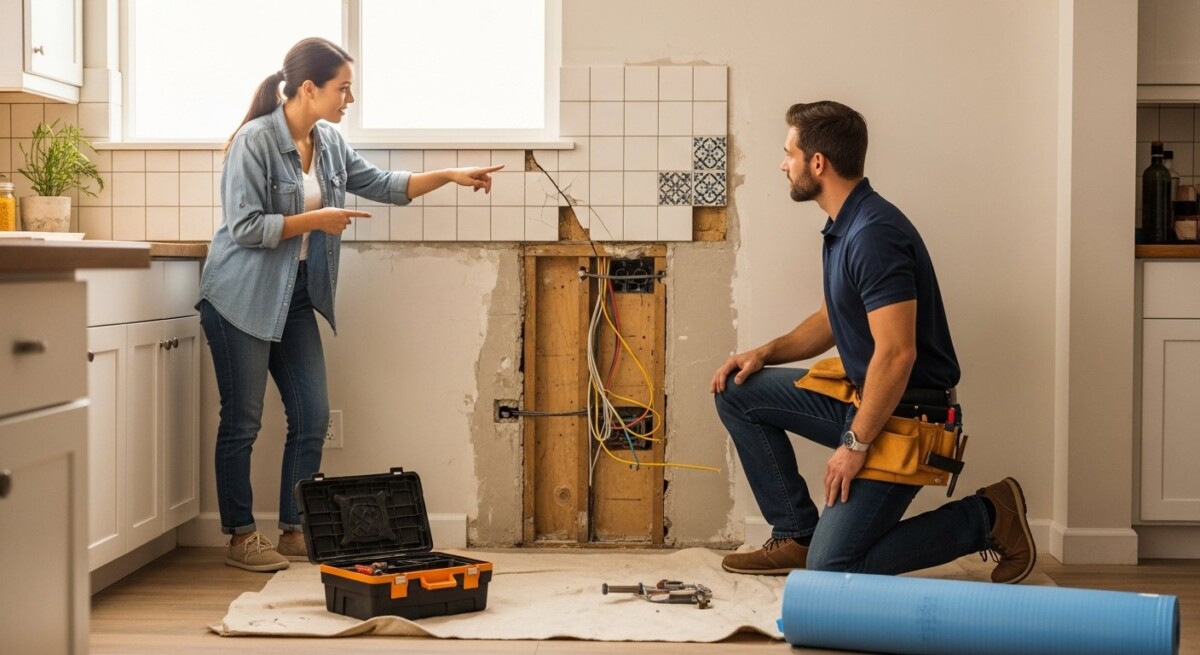
Experienced contractors in Denver approach renovation with a systematic, site-specific plan. They begin with a thorough inspection to identify all issues,visible and hidden,using tools like moisture meters, thermal cameras, and level measurements. This diagnostic step is critical because many problems, such as hidden mold or subfloor rot, are not obvious until walls are opened.
Once the scope is clear, professionals develop a step-by-step renovation plan that includes permits, material selection, and a realistic timeline. For example, a kitchen renovation might start with demolition, followed by rough-in plumbing and electrical work, then insulation, drywall, cabinetry, countertops, and finally flooring and finishing. Contractors coordinate with specialized trades,plumbers, electricians, tilers,to ensure each phase is completed correctly before the next begins.
- Inspection and assessment , Identifying all problems and determining the best repair approach.
- Permitting and planning , Securing necessary permits from Denver or your local municipality.
- Demolition and site preparation , Removing old materials safely and protecting adjacent areas.
- Structural and systems work , Repairing framing, replacing plumbing, updating electrical, and improving insulation.
- Installation of new materials , Drywall, flooring, cabinetry, fixtures, and finishes.
- Final inspection and cleanup , Ensuring everything meets code and your satisfaction.
Professional work is almost always safer and more reliable than DIY renovation. Denver’s building codes are strict, especially regarding seismic bracing, electrical safety, and energy efficiency. A licensed contractor knows these requirements and can avoid costly mistakes that could jeopardize your home’s safety or resale value. Plus, professionals have access to better materials and tools, and they carry insurance that protects you if something goes wrong.
A professional inspection can reveal hidden issues before they become expensive repairs. Compare contractor quotes here or call to discuss your project.
Warning Signs You Should Not Ignore
Your home often gives you clear signals that renovation is needed. The key is recognizing these signs early and taking action before they worsen. Many Denver homeowners dismiss small cracks, occasional squeaks, or a single drafty window as normal wear and tear, but these symptoms frequently point to larger underlying issues.
Pay attention to changes that happen gradually, like doors that start sticking in summer or windows that become harder to open. These shifts often indicate foundation movement or moisture damage that requires professional evaluation. Similarly, if you notice a sudden increase in your energy bills without changing your habits, your home’s envelope,windows, insulation, doors,may be failing.
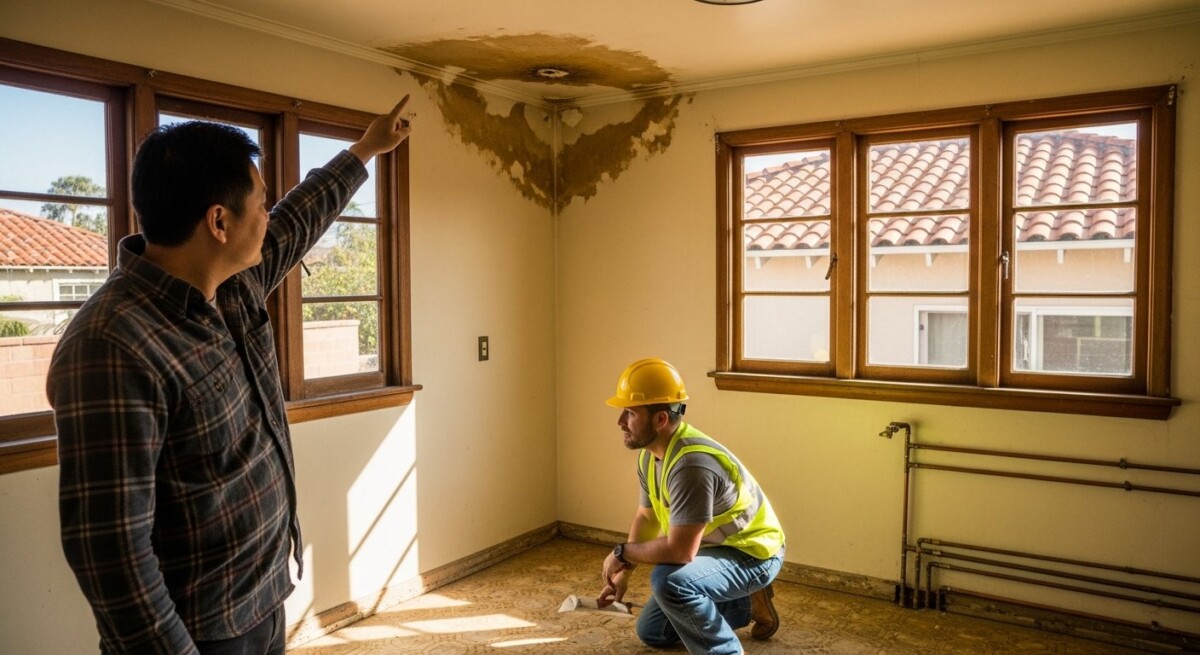
- Visible water stains on ceilings or walls, especially after rain or snowmelt
- Persistent musty odors in basements or crawl spaces, signaling mold or mildew
- Cracks wider than 1/8 inch in foundation walls or interior drywall
- Windows that are difficult to open or close, or that show condensation between panes
- Electrical issues like flickering lights, warm outlets, or frequently tripped breakers
- Flooring that feels spongy, uneven, or shows signs of water damage near fixtures
What Affects the Cost of Repairs or Installation
Renovation costs in Denver vary widely depending on several factors. The size and scope of the project are the biggest drivers: a full kitchen remodel in a 2,500-square-foot home will cost significantly more than updating a half-bathroom. Materials also play a major role,custom cabinetry, quartz countertops, and premium flooring can double or triple the price compared to builder-grade options.
Labor costs in Denver are higher than in many parts of the country, reflecting the area’s strong economy and skilled labor shortage. Complex projects that require multiple trades,plumbing, electrical, drywall, painting,will have higher labor costs than simpler jobs like replacing flooring. Accessibility matters too: a second-story bathroom renovation may require scaffolding or special equipment, adding to the total.
The age of your home influences cost as well. Older Denver homes often contain hazardous materials like lead paint or asbestos that must be professionally abated before work can proceed. Additionally, original plumbing and electrical systems may need to be upgraded to meet current codes, which can add thousands to your renovation budget. Home renovation Denver Colorado costs are best understood through personalized quotes that account for your specific home’s condition.
Costs can vary depending on the condition of your home. The best way to know the price is to get a personalized estimate. Request free quotes from contractors or call today.
How to Choose the Right Contractor
Finding a reliable contractor for your Denver renovation is one of the most important decisions you will make. Start by asking for recommendations from neighbors, friends, or local homeowner groups. Denver has a strong sense of community, and word-of-mouth referrals often lead to trustworthy professionals who have proven themselves on similar projects in your area.
Once you have a few candidates, verify their credentials. Every contractor working in Denver must be licensed by the city or county where the work is performed. They should also carry general liability insurance and workers’ compensation coverage to protect you if an accident happens on your property. Do not skip this step,unlicensed or uninsured contractors can leave you financially responsible for damages or injuries.
- Check for a valid Colorado contractor license and any required local permits
- Read recent online reviews on Google, Yelp, and the Better Business Bureau
- Request detailed written estimates that break down materials, labor, and timelines
- Get at least three quotes to compare pricing and approach
- Ask for references from past clients who had similar renovation work done
Long-Term Benefits of Professional Work
Investing in professional renovation delivers benefits that last for decades. The most immediate gain is improved safety,updated wiring, secure railings, and proper ventilation reduce the risk of fire, falls, and indoor air quality problems. Your home becomes a safer place for your family, and you gain peace of mind knowing critical systems are up to code.
Durability is another major advantage. Professional contractors use high-quality materials and proven installation techniques that withstand Denver’s climate. A properly installed roof, for example, can last 30 years instead of 15. Energy-efficient windows and insulation lower your monthly utility bills by reducing heat loss in winter and heat gain in summer, often paying for themselves within a few years.
Finally, professional renovation increases your home’s resale value. Kitchens, bathrooms, and finished basements consistently offer the highest return on investment when it’s time to sell. Even if you plan to stay in your home for many years, knowing that your renovation adds long-term value makes the investment worthwhile. You get to enjoy a more comfortable, beautiful home today while building equity for tomorrow.
What is the average cost of a home renovation in Denver Colorado?
The average cost varies widely based on project scope. Minor updates like painting and new fixtures can cost $5,000,$15,000, while a full kitchen remodel in Denver typically ranges from $25,000 to $60,000. Whole-home renovations often start at $50,000 and can exceed $150,000 depending on square footage and material choices. Getting multiple quotes is the best way to understand pricing for your specific project.
Do I need a permit for my Denver renovation project?
Yes, most renovations in Denver require permits, especially those involving structural changes, electrical work, plumbing, or HVAC modifications. Permits ensure the work meets safety and building codes. Your contractor should handle the permitting process, but you can verify requirements by contacting Denver’s Community Planning and Development department.
How long does a typical renovation take in Denver?
Timelines depend on project size and complexity. A bathroom remodel usually takes 2,4 weeks, a kitchen renovation 4,8 weeks, and a whole-home renovation 3,6 months. Delays can occur due to material shortages, permit approvals, or weather, so it is wise to build extra time into your schedule.
Can I live in my home during a renovation?
It depends on the scope of work. For small projects like a single bathroom or room update, you can often remain in your home. For major renovations involving kitchen, HVAC, or structural work, living on-site may be uncomfortable or unsafe. Many Denver homeowners choose to stay with family or rent a short-term apartment during extensive renovations.
What is the best time of year for renovation in Denver?
Spring and fall are ideal because temperatures are mild and weather is more predictable. Summer is busy for contractors, which can lead to longer wait times and higher prices. Winter renovations are possible but may face delays from snow or frozen ground, especially for exterior work. Plan ahead and book your contractor 2,3 months in advance.
How do I finance a home renovation in Denver?
Common options include home equity loans, HELOCs (home equity lines of credit), personal loans, or cash savings. Some contractors offer financing through third-party lenders. Compare interest rates and terms carefully before choosing. The USremodel platform does not provide financing but can connect you with contractors who accept various payment methods.
Your Denver home is one of your biggest investments, and renovation is the key to protecting and enhancing its value. Whether you are fixing a nagging issue or planning a full transformation, acting early saves money, reduces stress, and ensures your home remains safe and comfortable. The most effective way to start is by gathering information from trusted professionals. Compare contractor quotes to understand your options, and choose a team that fits your budget and vision.