
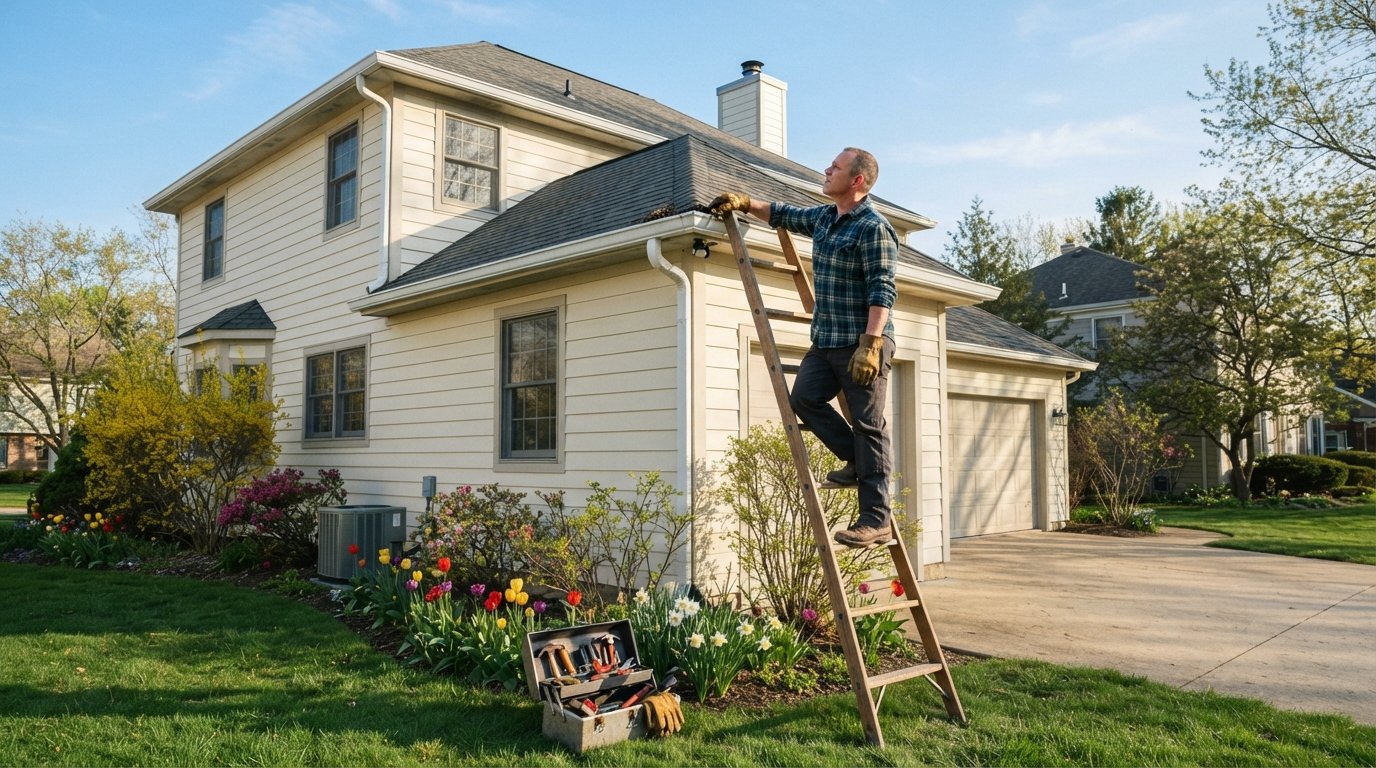
Spring Home Maintenance Checklist for a Fresh Start
Kick off spring with a comprehensive seasonal home maintenance checklist spring guide to prevent costly repairs and boost your home's efficiency.
By Danica Leslie
Learn more about Home Inspection for guides, costs, and what to expect.
Compare Home Inspection Pros Near You

Enter your ZIP code to compare top-rated local professionals and request free quotes.
As the last traces of winter melt away and the first buds of spring appear, your home is sending you a clear signal: it is time for a seasonal reset. Winter can be brutal on a house, from freezing temperatures and ice dams to heavy snow and gusty winds. The arrival of warmer weather offers the perfect window to assess the damage, prevent future problems, and prepare your living space for the sun-soaked months ahead. A proactive approach to spring upkeep not only protects your investment but also saves you from costly emergency repairs down the line. This is where a well-structured seasonal home maintenance checklist spring becomes your most valuable tool, turning an overwhelming task list into a manageable, step-by-step plan.
Think of this checklist as your home's annual physical exam. Just as you would visit a doctor to catch potential health issues early, a thorough spring inspection of your property helps identify minor issues before they escalate into major headaches. This guide will walk you through the essential tasks, from the roof down to the foundation, ensuring you do not miss a single critical component. By investing a few weekends now, you can enjoy a more comfortable, efficient, and worry-free home all summer long, and you will be better prepared to handle any surprises that come your way.
Why a Spring Maintenance Routine Matters
Many homeowners view spring maintenance as a chore, but it is more accurately an investment. The primary goal is to extend the lifespan of your home's major systems and components. For instance, a small, unnoticed roof leak can lead to rot, mold, and significant structural damage if left unaddressed through the humid summer months. Similarly, a clogged gutter can cause water to back up under your shingles or into your foundation, creating problems that are far more expensive to fix than a simple cleaning. A proactive seasonal home maintenance checklist spring helps you catch these issues early, when they are still inexpensive and easy to remedy.
Beyond preventing major repairs, spring maintenance also enhances your home's energy efficiency. After a long heating season, your HVAC system needs attention to function at its peak. Replacing filters and cleaning coils can lower your energy bills and improve indoor air quality. Sealing gaps around windows and doors prevents cool air from escaping in the summer, reducing the load on your air conditioner. These small, consistent efforts not only save you money but also contribute to a more sustainable household. Moreover, regular upkeep preserves your home's value, which is crucial if you ever decide to sell. A well-maintained home appraises higher and attracts more serious buyers, making your spring efforts a smart financial move.
Exterior Inspection: The First Line of Defense
Your home's exterior is its first line of defense against the elements, and it takes the brunt of winter's punishment. Begin your seasonal home maintenance checklist spring by walking around your property and examining every exterior surface. Look for cracked or missing siding, peeling paint, and any signs of water damage. Pay close attention to the areas where different materials meet, such as where the chimney meets the roof or where the porch attaches to the house, as these are common entry points for water and pests. Make a note of any issues you find and prioritize repairs based on their severity.
Roof and Gutter Care
The roof is your home's most critical shield, so a thorough inspection is non-negotiable. You can use a pair of binoculars from the ground to spot missing, cracked, or curling shingles. Look for any dark spots or stains that could indicate moisture buildup. Also, check the flashing around chimneys, vents, and skylights for gaps or rust. If you are uncomfortable working at heights or are unsure what to look for, it is wise to hire a professional roofing contractor to perform a detailed assessment. They can identify subtle problems that an untrained eye might miss, saving you from a potential roof replacement.
Clogged gutters are a leading cause of spring water damage. During the fall and winter, leaves, twigs, and other debris accumulate, preventing rainwater from flowing freely away from your home. When gutters are blocked, water overflows and can seep into your basement, erode your landscaping, or damage your foundation. Once the last frost has passed, don a pair of gloves and clear out all the debris from your gutters and downspouts. Use a garden hose to flush the system and ensure water is flowing correctly. While you are up there, check for any loose seams or brackets and tighten them as needed. This simple task can prevent thousands of dollars in potential water damage.
Windows, Doors, and Screens
After months of being sealed shut, your windows and doors deserve some attention. Inspect the caulking and weatherstripping around all exterior doors and operable windows. Over time, this sealant can crack, dry out, or peel away, allowing drafts and moisture to enter your home. Replace any damaged weatherstripping and re-caulk where necessary. This not only improves comfort but also boosts your home's energy efficiency. Also, check the condition of your window screens. Look for tears, holes, or bent frames, and repair or replace them before the mosquitoes and other insects become a nuisance.
If your windows are older or have sustained damage, consider whether it is time for an upgrade. Modern, energy-efficient windows can significantly reduce your heating and cooling costs. If you are thinking about replacement, it is a good idea to consult with a professional to understand your options and get a free quote. Similarly, if your exterior doors are warped or have gaps around the frame, replacing them can improve both security and insulation. Taking care of these small items now will make your home more comfortable and welcoming for the season ahead.
Yard and Landscaping Revival
Spring is the season of renewal, and your yard is no exception. After the snow melts, you will likely be greeted by a messy landscape filled with dead leaves, fallen branches, and matted-down grass. Begin by raking the lawn thoroughly to remove debris and allow sunlight to reach the new grass. This is also the perfect time to test your soil's pH level and add any necessary amendments, such as lime or fertilizer, to promote healthy growth. Look for bare patches in the lawn and overseed them to encourage thick, lush coverage.
Your landscaping beds also need attention. Cut back any dead growth from perennials and ornamental grasses, and prune overgrown shrubs and trees. Be careful not to prune spring-blooming shrubs like lilacs or azaleas until after they have flowered, as you could accidentally remove this year's buds. Apply a fresh layer of mulch to your beds to suppress weeds, retain moisture, and give your yard a polished look. This is also an excellent time to inspect your irrigation system. Turn it on manually and check each zone for leaks, broken heads, or poor coverage. Fixing these issues now will ensure a healthy, vibrant landscape all summer.
For larger landscaping projects or if you simply do not have the time or physical ability to tackle the work yourself, hiring a professional landscaping service can be a worthwhile investment. They have the expertise and equipment to handle everything from tree trimming to complete garden overhauls, ensuring your outdoor space is ready for enjoyment. Many homeowners find that professional help not only saves them time but also yields better results, especially for complex tasks like foundation grading or installing new plantings.
Interior Systems Check: HVAC, Plumbing, and Electrical
While the exterior takes the brunt of winter, your home's interior systems also need attention as the seasons change. The goal of your seasonal home maintenance checklist spring is to ensure these systems are operating safely and efficiently before the summer heat arrives. Start with your HVAC system, which has been working hard all winter. Replace the air filters, as a clogged filter reduces airflow and forces your system to work harder, increasing energy consumption and potentially leading to breakdowns. If you have central air conditioning, schedule a professional tune-up to clean the coils, check refrigerant levels, and ensure the system is ready for summer.
Your plumbing system also deserves a check-up. Walk around your home and look for any signs of leaks under sinks, around toilets, or near appliances like the water heater. Check for damp spots on ceilings or walls, which could indicate a hidden pipe leak. Test your sump pump by pouring water into the pit to ensure it turns on and drains properly. A failed sump pump can lead to basement flooding during heavy spring rains. Also, consider flushing your water heater to remove sediment buildup, which can reduce its efficiency and lifespan.
Finally, do not neglect the electrical system. Test all your ground fault circuit interrupter (GFCI) outlets in the kitchen, bathrooms, and exterior by pressing the test and reset buttons. These outlets are designed to protect you from electric shock, and they do wear out over time. If they fail the test, replace them. Check your electrical panel for any signs of rust, corrosion, or burning smells, which can indicate serious issues. If you notice anything unusual, contact a licensed electrician immediately. Addressing these small but critical checks on your seasonal home maintenance checklist spring will give you peace of mind and prevent potential hazards.
The Foundation and Crawl Space
Your home's foundation is literally what holds everything up, so it requires careful inspection during spring. Walk the perimeter of your house and look for new cracks in the foundation walls or slab. While hairline cracks are often cosmetic, larger cracks, especially those that are horizontal or expanding, can be signs of structural problems. Also, check for any signs of water intrusion, such as white mineral deposits on the walls, which indicate that water has been seeping through. If you have a basement or crawl space, inspect it for mold, mildew, or standing water. A dehumidifier can help keep these areas dry and prevent mold growth.
Proper drainage around your foundation is crucial. Ensure that the ground slopes away from your house on all sides so that rainwater flows away and does not pool near the foundation. If necessary, add soil to low spots to improve grading. Check your downspout extensions to make sure they are directing water at least 5 to 10 feet away from your home's base. This simple measure can significantly reduce the risk of foundation damage and basement flooding. If you find significant foundation issues, do not delay in consulting a structural engineer or a specialized foundation repair company. Early intervention is far less costly than major structural repairs later.
Exterior Finishes: Paint, Siding, and Decks
Winter can be incredibly hard on your home's exterior finishes. Peeling paint, cracked siding, and weathered decks are not only unsightly but also vulnerable to further damage. During your spring walk-around, pay special attention to painted surfaces. Look for blistering, peeling, or fading paint on window trim, doors, and siding. If you find any, scrape away the loose paint, sand the area, and apply a fresh coat of primer and paint. This not only improves curb appeal but also protects the wood from moisture and rot.
Wooden decks and porches require particular attention after a harsh winter. Inspect all the boards for signs of rot, warping, or splintering. Check the railings and stairs to ensure they are sturdy and secure. Use a screwdriver to probe any suspicious areas; if it sinks in easily, the wood may be rotten and needs to be replaced. After a thorough inspection, clean the deck with a power washer to remove dirt, mildew, and old stain. Once it is dry, apply a fresh coat of water-repellent sealer or stain to protect it from the summer sun and rain. If your deck is in poor condition, a professional can help with repairs or even a full replacement, which is a major project but one that significantly enhances your home's value.
If your home's exterior is looking drab, consider a fresh coat of paint to transform its appearance. Professional exterior painting can dramatically boost your home's curb appeal and provide a protective barrier against the elements. As part of your seasonal home maintenance checklist spring, evaluating the condition of your exterior finishes is key. Whether you tackle it yourself or hire a pro, addressing these issues now will prevent costly repairs later. You can also explore our detailed guide on professional interior painting to refresh your home's interior spaces for the new season.
Preparing for Summer: The Final Steps
As you work through your seasonal home maintenance checklist spring, keep the upcoming summer months in mind. This is the time to prepare your outdoor living spaces for enjoyment. Clean your patio furniture, grill, and outdoor kitchen area. Check your deck or patio for loose boards or uneven pavers and repair them. It is also a great time to service your lawnmower, trimmer, and other outdoor power equipment. Change the oil, sharpen the blades, and ensure everything is in good working order for the mowing season.
Finally, consider a whole-home approach to maintenance. Walk through your house and check for any operational issues. Test the smoke detectors and carbon monoxide detectors, replacing batteries as needed. Also, check the seals on your refrigerator and freezer doors to ensure they are airtight. These small checks are part of a comprehensive maintenance routine. If you encounter any major issues during your inspection, remember that you do not have to handle them alone. Professional contractors, like those connected through 180Remodel, can provide expert assistance with everything from roofing and siding to HVAC and plumbing, ensuring that your home is in top shape for the summer.
Completing a thorough spring maintenance routine is one of the best things you can do for your home. It protects your investment, saves you money, and gives you peace of mind. By following this seasonal home maintenance checklist spring, you are not just fixing problems; you are preventing them. You are also positioning your home to be a more comfortable, efficient, and enjoyable place to live. So, take the time this season to walk your property, check your systems, and make the necessary repairs. Your home will thank you with years of reliable service, and you will be able to relax and enjoy the summer months ahead, knowing your biggest asset is well-cared-for.
Learn more about Home Inspection for guides, costs, and what to expect.
Compare Home Inspection Pros Near You
Enter your ZIP code to compare top-rated local professionals and request free quotes.