Home Addition Cost Guide: What Homeowners Need to Know
You’ve probably looked around your house and wished for just one more room,a larger kitchen, a home office, or an extra bedroom for a growing family. The idea of a home addition feels perfect, but then the question hits: “How much will this actually cost?” You start searching online, find conflicting numbers, and feel no closer to a real answer. That uncertainty can stall your project for months or even years. Meanwhile, your family keeps squeezing into the same cramped spaces, and the value of your home stays locked in its current layout. This guide is designed to cut through the confusion and give you a clear, practical home addition cost guide that helps you plan with confidence.
Understanding Home Addition Cost Guide
A home addition cost guide is simply a breakdown of the expenses involved in adding square footage to your home. It covers everything from materials and labor to permits, design fees, and unexpected surprises. Think of it as a roadmap that helps you set a realistic budget before you ever break ground.
Costs vary widely because every home is different. The size of the addition, the quality of finishes, local labor rates, and the complexity of the project all play a role. For example, adding a 200-square-foot bedroom costs far less than a two-story family room with a vaulted ceiling and custom windows. Homes with older foundations or limited yard access also tend to cost more because contractors must work around existing challenges.
Most homeowners discover these cost factors only after they start talking to contractors. That’s why getting a personalized estimate is essential. A general number from the internet can’t account for your specific home’s layout, your local building codes, or your personal taste in materials.
Why This Matters for Your Home
Ignoring the true cost of a home addition can lead to serious financial stress. If you underestimate, you might run out of money halfway through construction. That leaves you with an unfinished space, a disrupted home, and no easy way to finish the job.
There are also safety and comfort risks. Poorly planned additions can create structural issues, such as sagging roofs or cracked foundations. They can also strain your HVAC system, making some rooms too hot or too cold. Over time, these problems reduce your home’s value and make it harder to sell.
On the other hand, a well-planned addition done by professionals can transform your home. It increases living space, improves daily comfort, and adds significant resale value. According to industry data, a quality addition can recoup 50 to 70 percent of its cost when you sell,making it a smart long-term investment.
If you’re considering adding space to your home, it may help to speak with a qualified contractor. Request a free quote or call 1-800-555-0199 to explore your remodeling options.
Common Problems Homeowners Experience
Many homeowners jump into a home addition without a full understanding of the process. They focus on the dream space and forget about the practical hurdles. This often leads to budget overruns, timeline delays, and frustration.
One of the most common problems is discovering hidden issues after demolition begins. An older home might have outdated wiring, termite damage, or a foundation that needs reinforcement. These surprises can add thousands of dollars to the project and force you to make tough decisions on the spot.
Another frequent issue is underestimating the time required. Permits can take weeks, materials may be back-ordered, and weather can delay exterior work. Homeowners who don’t plan for these delays often feel stuck and stressed.
- Budget blowouts: Unexpected structural or code issues push costs higher than planned.
- Permit delays: Local approvals take longer than expected, stalling construction.
- Design changes mid-project: Changing your mind about layout or finishes adds time and money.
- Poor contractor communication: Lack of updates leaves you in the dark about progress and costs.
- Inconsistent quality: Cutting corners on materials or labor leads to a finished space that doesn’t meet your expectations.
- Zoning restrictions: Your property may have setback rules or height limits that prevent your planned addition.
How Professionals Solve the Problem
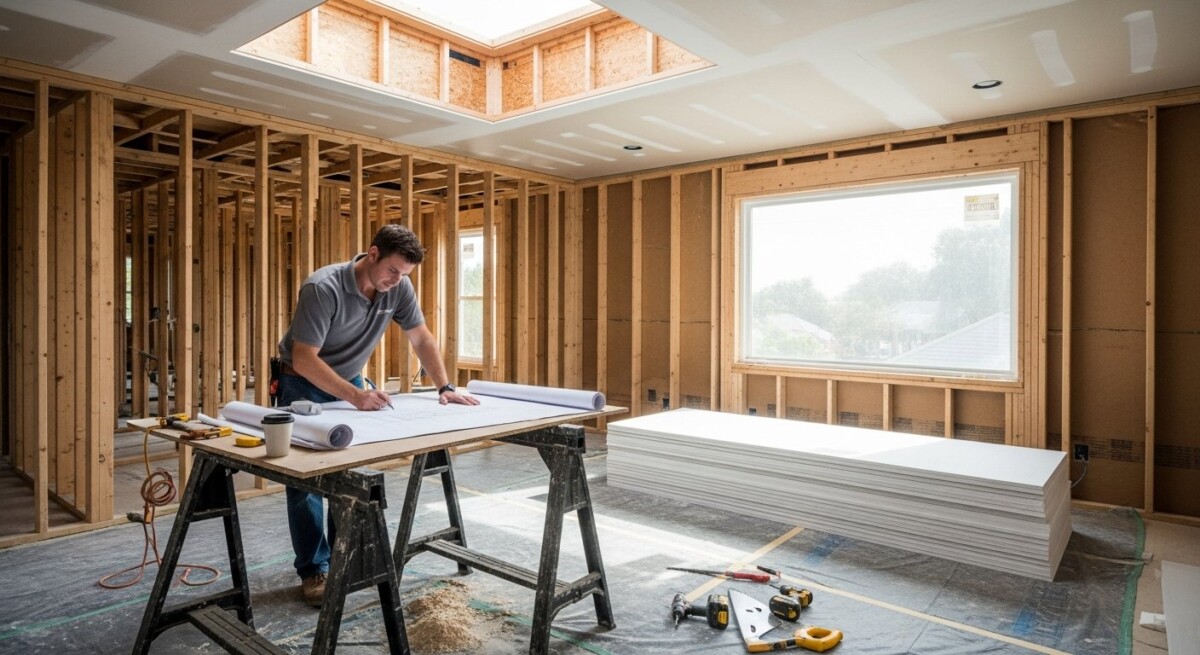
Experienced contractors bring order to what can feel like a chaotic process. They start with a thorough site evaluation, checking your home’s structure, electrical system, plumbing, and foundation. This upfront assessment helps identify potential problems before they become expensive surprises.
Once the evaluation is complete, a professional team creates a detailed project plan. This includes a timeline, material list, permit applications, and a clear cost breakdown. They also coordinate with local building inspectors to ensure everything meets code.
- Initial consultation and measurement: The contractor visits your home to discuss your goals and take precise measurements.
- Design and engineering: A designer or architect creates plans that match your vision and comply with local codes.
- Permit submission: The contractor handles all paperwork and approvals with your city or county.
- Site preparation: The team clears the work area, protects existing structures, and sets up temporary utilities if needed.
- Construction: Skilled tradespeople complete framing, roofing, siding, windows, electrical, plumbing, and finishing work.
- Final inspection and cleanup: The contractor ensures everything passes inspection and leaves your home clean and safe.
Professional work is safer and more reliable than a DIY approach, especially for structural changes. Licensed contractors carry insurance, which protects you if something goes wrong. They also have relationships with suppliers, so they can source quality materials at better prices.
A professional inspection can reveal hidden issues before they become expensive repairs. Compare contractor quotes here or call 1-800-555-0199 to discuss your project.
Warning Signs You Should Not Ignore
Your home often gives clues that it’s ready for an addition,or that your current addition plans need rethinking. Pay attention to these signs so you can act early and avoid bigger problems.
If you notice cracks in your foundation, doors that stick, or floors that slope, your home may have structural issues that need fixing before you add more weight. Ignoring these signs can turn a simple addition into a major structural repair.
Similarly, if your electrical panel is outdated or your plumbing is old, an addition will put extra strain on these systems. A professional can upgrade them as part of the project, saving you from future emergencies.
- Cracks in walls or ceilings near the planned addition area
- Doors or windows that stick or won’t close properly
- Uneven or sloping floors
- Frequent circuit breaker trips
- Water stains or signs of leaks near the foundation
- Mold or musty odors in the basement or crawlspace
What Affects the Cost of Repairs or Installation
Several factors influence the final price of a home addition. Understanding these can help you make informed decisions and avoid surprises.
The size of the addition is the biggest cost driver. Larger spaces require more materials, more labor, and more time. But the complexity matters too. A simple rectangular room costs less per square foot than a space with bump-outs, skylights, or custom built-ins.
Materials also play a major role. Standard finishes like laminate flooring and builder-grade cabinets keep costs down, while hardwood, quartz countertops, and custom cabinetry push them up. Labor rates vary by region, with urban areas typically costing more than rural ones. Accessibility matters as well,if your addition requires heavy equipment to reach the back of your property, that adds expense.
Costs can vary depending on the condition of your home. The best way to know the price is to get a personalized estimate. Request free quotes from contractors or call 1-800-555-0199 today.
How to Choose the Right Contractor
Selecting the right contractor is one of the most important decisions you’ll make. A good contractor keeps your project on time, on budget, and stress-free. A poor choice can lead to delays, cost overruns, and shoddy work.
Start by asking for recommendations from friends, family, or neighbors who have completed similar projects. Then, check online reviews on platforms like Google, Yelp, and the Better Business Bureau. Look for contractors with a strong track record of home additions specifically,not just general remodeling.
- Verify licenses and insurance: Ensure the contractor is licensed in your state and carries liability and workers’ compensation insurance.
- Read customer reviews: Look for feedback about communication, timeliness, and quality of work.
- Ask for detailed written estimates: A good estimate breaks down materials, labor, permits, and timeline.
- Compare at least three quotes: This gives you a sense of fair pricing and helps you spot outliers.
- Confirm experience with similar projects: A contractor who builds custom homes may not be the best fit for a small addition.
Long-Term Benefits of Professional Work
Investing in professional home addition services pays off for years to come. The most obvious benefit is more usable space,a home that fits your family’s needs without the hassle of moving. But the advantages go beyond square footage.
Professionally built additions are safer and more durable. They meet building codes, which means your family is protected from electrical fires, structural failures, and other hazards. Quality materials and proper installation also reduce maintenance costs over time. You won’t have to fix leaks, patch cracks, or replace cheap fixtures every few years.
Energy efficiency is another major benefit. A well-insulated addition with energy-efficient windows and doors lowers your heating and cooling bills. This saves you money every month and makes your home more comfortable in all seasons. And when it’s time to sell, a professionally designed addition boosts curb appeal and resale value. Buyers are willing to pay more for a home that offers extra space they don’t have to build themselves.
How long does a typical home addition take?
A typical home addition takes 3 to 6 months from start to finish. This includes design, permitting, and construction. The timeline depends on the size and complexity of the project, as well as local permit approval times.
Do I need a permit for a home addition?
Yes, almost all home additions require permits from your local building department. Permits ensure the work meets safety codes and zoning regulations. A professional contractor will handle the permit process for you.
Can I finance a home addition?
Yes, many homeowners finance additions using home equity loans, HELOCs, or personal loans. Some contractors also offer payment plans. Compare interest rates and terms to find the best option for your budget.
What is the average cost per square foot for a home addition?
The average cost ranges from $80 to $200 per square foot, depending on your location, materials, and project complexity. A basic room addition costs less than a kitchen or bathroom addition with plumbing and high-end finishes.
Will a home addition increase my property taxes?
Yes, adding square footage to your home can increase its assessed value, which may raise your property taxes. The amount varies by location. Check with your local tax assessor’s office for an estimate.
Should I hire an architect or a contractor first?
It’s best to start with a contractor who can assess your home and budget. They may recommend an architect if the project requires detailed design work. Many contractors have designers on staff or work with trusted architects.
What should I look for in a home addition contract?
Look for a detailed scope of work, a clear payment schedule, a timeline with milestones, and a list of materials and brands. The contract should also specify who obtains permits and how change orders are handled.
Can I live in my home during construction?
In most cases, yes, but you’ll need to plan for noise, dust, and limited access to certain areas. For large additions that require structural work, you may need to stay elsewhere for a few weeks. Discuss this with your contractor during planning.
Adding space to your home is one of the most rewarding improvements you can make. It gives your family room to grow, improves your daily comfort, and adds lasting value to your property. The key is to start with a clear understanding of costs,and to work with professionals who can turn your vision into reality. Before you commit to any plan, take the time to compare quotes from multiple contractors. That simple step can save you thousands of dollars and help you avoid costly mistakes.