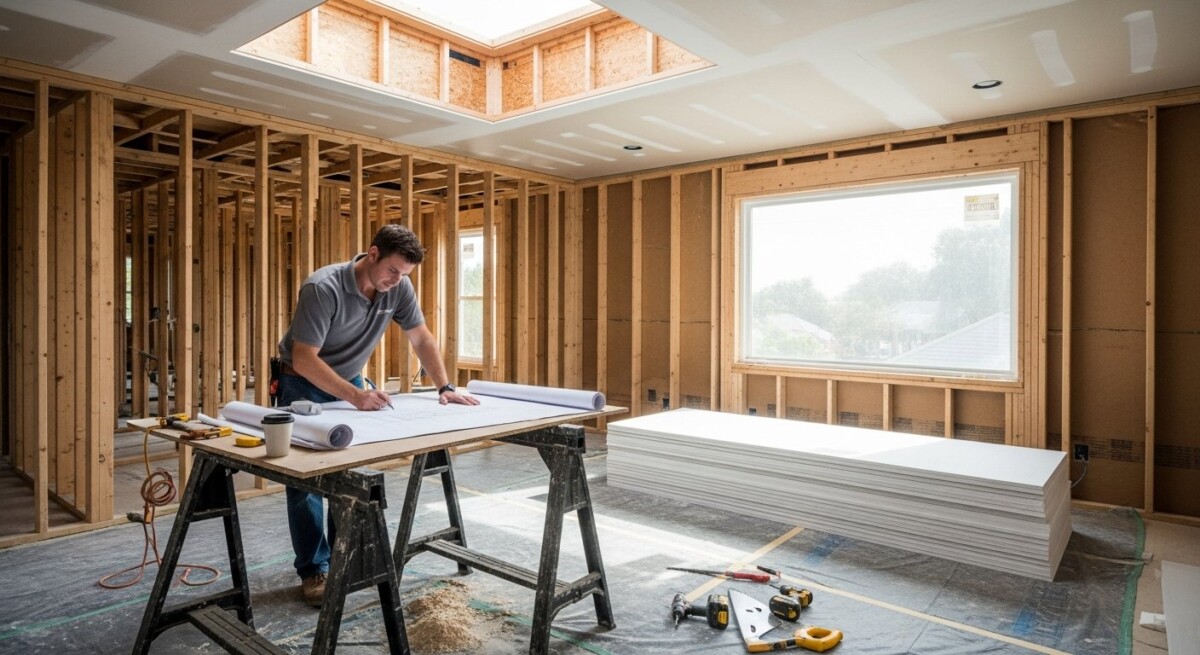
What Is Whole Home Remodeling: A Complete Homeowner Guide
You walk through your front door and see it all at once,the outdated kitchen with peeling laminate, the bathroom tile that has seen better decades, the creaky floors, and the drafty windows you keep meaning to replace. Maybe you have been living with these problems one room at a time, patching things here and there, but the house never quite feels right. That is exactly when most homeowners start asking themselves: what is whole home remodeling and would it solve everything at once?
Whole home remodeling is not just a bigger renovation. It is a coordinated, top-to-bottom transformation of your entire living space. Many homeowners discover they need it when piecemeal fixes stop working,the new kitchen feels out of place next to the old flooring, or hidden problems like outdated wiring or plumbing turn a simple bathroom update into a much bigger project. Ignoring these interconnected issues can lead to escalating costs, safety hazards, and a home that never reaches its full potential in comfort or value.
Understanding What Is Whole Home Remodeling
Whole home remodeling means renovating every major area of your house in a single, planned project. Instead of tackling one room this year and another next year, you work with a contractor to update the entire interior,and sometimes the exterior,at once. This approach ensures that everything from the foundation to the roof, from the plumbing to the paint colors, works together seamlessly.
Homeowners typically choose whole home remodeling for several reasons. Some buy an older house that needs a complete refresh. Others have lived in their home for decades and want to modernize the layout, improve energy efficiency, or fix structural problems that have accumulated over time. Homes built before the 1980s are especially common candidates, as they often have outdated electrical systems, inefficient windows, and floor plans that do not match how families live today.
How It Differs From Room-by-Room Renovation
A room-by-room approach might seem easier, but it often creates new problems. A new bathroom might require rerouting pipes that then affect the kitchen next door. A finished basement can add square footage, but if the HVAC system cannot handle the extra load, you end up with uneven temperatures. Whole home remodeling coordinates all these systems at once, saving you from redoing work and avoiding the domino effect of unplanned repairs.
Why This Matters for Your Home
Your home is likely your largest investment, and neglecting its overall condition can cost you significantly. When you only address visible issues,like a cracked countertop or a leaky faucet,you miss the hidden problems that cause real damage. Outdated wiring, for instance, increases the risk of electrical fires. Old pipes can burst without warning, flooding your basement and ruining everything you have stored there.
Safety risks are only part of the picture. An inefficient home with poor insulation, single-pane windows, and an aging HVAC system wastes energy every month. Your utility bills stay high, and your home never feels comfortable,drafty in winter, stuffy in summer. Over time, these small discomforts add up to major frustration and expense.
Delaying a whole home remodel also means repair costs will rise. A small roof leak can turn into rotted rafters and mold inside your walls. A cracked foundation can worsen over several winters, requiring expensive structural repairs. The earlier you address these issues, the more you save in both money and stress.
If you notice signs of this issue in your home, it may help to speak with a qualified contractor. Request a free quote or call to explore your repair or remodeling options.
Common Problems Homeowners Experience
When homeowners start looking into whole home remodeling, they usually have a list of frustrations that have built up over years. The kitchen feels cramped and outdated, the master bathroom has no storage, and the living room layout does not work for family gatherings. These are not just cosmetic complaints,they reflect real problems with how the home functions.
Many homes also have structural or mechanical issues that homeowners only discover when they start planning a remodel. For example, you might want to open up a wall between the kitchen and dining room, only to find it is load-bearing. Or you plan to add a new bathroom upstairs, but the existing water heater cannot supply enough hot water. A whole home remodel uncovers and resolves these hidden challenges before they become emergencies.
- Outdated kitchens with inefficient layouts and worn-out appliances
- Bathrooms with cracked tile, poor ventilation, and insufficient lighting
- Drafty windows and doors that drive up energy bills
- Flooring that is worn, stained, or mismatched between rooms
- Inadequate electrical systems that cannot support modern electronics
- Aging plumbing that causes low water pressure or frequent clogs
How Professionals Solve the Problem
Experienced contractors approach whole home remodeling as a systematic process. They begin with a thorough inspection of your property, identifying both visible issues and hidden problems in the foundation, framing, electrical, plumbing, and HVAC systems. This assessment becomes the blueprint for the entire project, ensuring nothing is overlooked.
The typical process follows these steps:
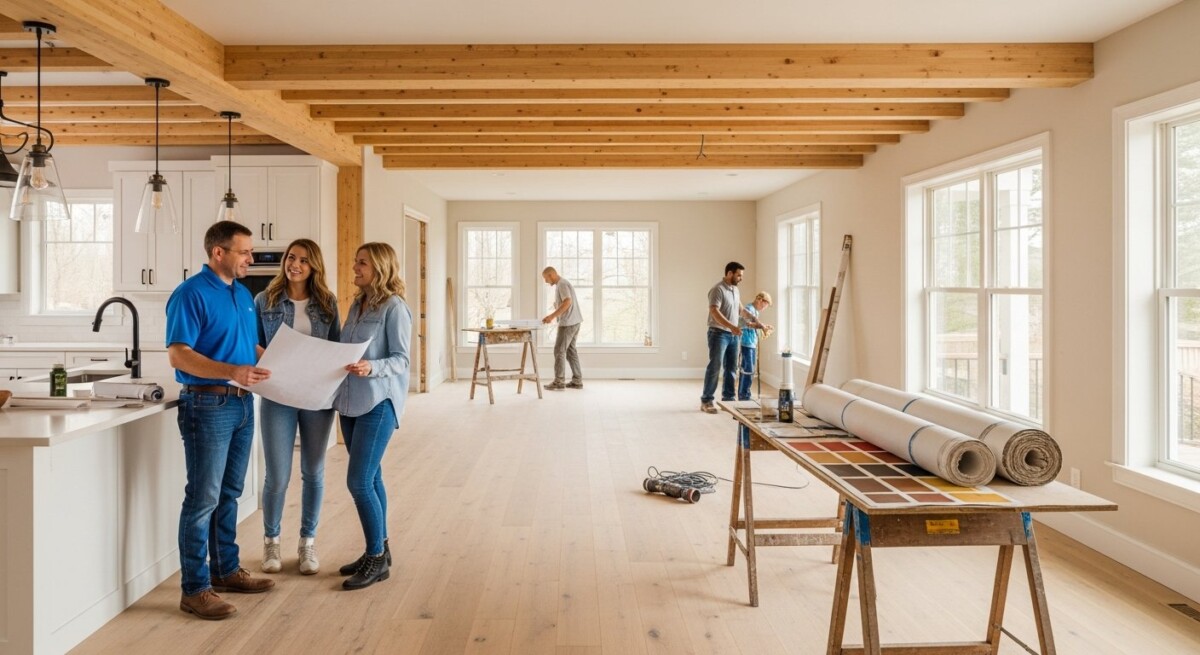
- Initial consultation and design. You discuss your goals, budget, and timeline. The contractor measures your home and helps you prioritize what matters most.
- Detailed planning and permits. Professionals create a comprehensive plan, secure the necessary building permits, and order materials. This phase prevents delays and ensures compliance with local codes.
- Demolition and structural work. The team safely removes old materials, addresses any structural repairs, and updates framing if needed.
- Mechanical system upgrades. Electricians, plumbers, and HVAC technicians install new wiring, pipes, and ductwork to meet modern standards and your family’s needs.
- Interior finishing. Drywall, flooring, cabinetry, countertops, trim, and paint are installed. This is where your vision truly comes to life.
- Final inspection and walk-through. The contractor checks every detail, makes adjustments, and walks you through your newly remodeled home, explaining how everything works.
Professional work is almost always safer and more reliable than a DIY approach. Licensed contractors carry insurance, understand building codes, and have the experience to handle unexpected issues,like finding asbestos in old flooring or discovering termite damage behind a wall. They also complete the work faster and with fewer mistakes, saving you time and frustration.
A professional inspection can reveal hidden issues before they become expensive repairs. Compare contractor quotes here or call to discuss your project.
Warning Signs You Should Not Ignore
Whole home remodeling is a major decision, but waiting too long can turn manageable repairs into costly disasters. Your home often gives you clear signals that it needs attention. Recognizing these warning signs early gives you more options and control over the project scope and budget.
If you notice any of the following issues, it is wise to have a professional evaluate your home. Sometimes these problems seem small on their own, but together they indicate that your home’s systems are failing or outdated.
- Frequent tripped circuit breakers or blown fuses, which may indicate overloaded or outdated wiring
- Persistent musty odors or visible mold, often caused by hidden leaks or poor ventilation
- Uneven floors or doors that stick, which can signal foundation movement or structural settling
- High energy bills that keep rising despite thermostat adjustments
- Visible cracks in walls, ceilings, or the foundation
- Water stains on ceilings or walls, even if they appear dry now
What Affects the Cost of Repairs or Installation
The cost of a whole home remodel varies widely depending on several factors. The size of your home is the most obvious,a 1,500-square-foot ranch costs less to renovate than a 4,000-square-foot two-story house. But square footage is only part of the equation. The condition of your existing systems matters even more.
If your home needs new electrical wiring, plumbing, or HVAC, those costs add up quickly. The age of your home also plays a role; older homes often have lead paint, asbestos, or outdated construction methods that require special handling. Accessibility is another factor,homes with tight crawl spaces, steep roofs, or limited driveway access can increase labor time and costs.
Materials and finishes give you the most control over your budget. Choosing stock cabinets instead of custom, or laminate instead of hardwood, can significantly reduce expenses. A professional contractor helps you make informed trade-offs so you get the most value for your investment.
Costs can vary depending on the condition of your home. The best way to know the price is to get a personalized estimate. Request free quotes from contractors or call today.
How to Choose the Right Contractor
Choosing the right contractor for a whole home remodel is one of the most important decisions you will make. This project affects every part of your home and your daily life for months. A good contractor communicates clearly, stays on schedule, and delivers quality work. A bad one can turn your dream renovation into a nightmare.
Start by getting at least three detailed quotes from licensed contractors who specialize in whole home remodeling. Do not automatically choose the lowest bid,compare what each quote includes in terms of materials, labor, timeline, and warranty. Ask for references and visit completed projects if possible.
- Verify that the contractor is licensed, bonded, and insured in your state
- Read online reviews on Google, Yelp, and the Better Business Bureau
- Ask for a detailed written estimate that breaks down materials, labor, and permits
- Compare quotes from at least three contractors to understand pricing and scope
- Confirm the contractor has experience with projects similar to yours in size and complexity
Long-Term Benefits of Professional Work
Investing in a professional whole home remodel pays off for years to come. Your home becomes safer, more comfortable, and more efficient. Updated electrical systems reduce fire risk, new plumbing prevents water damage, and modern HVAC systems keep temperatures consistent room to room. These improvements protect your family and your property.
Energy efficiency is another major benefit. New windows, insulation, and appliances lower your monthly utility bills. Many homeowners see a 20,30 percent reduction in energy costs after a whole home remodel. Over time, those savings help offset the initial investment.
Finally, a well-executed remodel significantly increases your home’s resale value. Buyers pay a premium for move-in-ready homes with modern kitchens, updated bathrooms, and efficient systems. Even if you are not planning to sell soon, knowing your home is in excellent condition gives you peace of mind and financial security.
Frequently Asked Questions
How long does a whole home remodel usually take?
A whole home remodel typically takes 4 to 8 months, depending on the size of the home, the scope of work, and permitting timelines. Smaller homes or projects with limited structural changes can be completed in 3 to 4 months. Larger homes with extensive renovations may take 10 months or longer.
Can I live in my home during a whole home remodel?
In many cases, homeowners can stay in their home during the remodel, but it depends on the scope of work. If the project involves the kitchen, bathrooms, or major systems like HVAC, living on-site can be challenging. Your contractor can help you decide whether to stay or find temporary housing.
Do I need permits for a whole home remodel?
Yes, most whole home remodels require building permits from your local municipality. Permits ensure that electrical, plumbing, structural, and other work meets safety codes. A reputable contractor handles the permitting process as part of their service.
How much does a whole home remodel cost per square foot?
The cost typically ranges from $100 to $250 per square foot, depending on your location, the quality of materials, and the complexity of the work. A basic remodel with standard finishes costs less, while a high-end renovation with custom cabinetry and premium materials costs more.
Should I remodel or move to a new home?
This depends on your budget, your attachment to your current location, and the condition of your home. If you love your neighborhood and the home has good bones, remodeling is often more cost-effective than buying and moving. Compare the cost of remodeling to the price of a comparable move-in-ready home in your area.
What is the difference between a whole home remodel and a home addition?
A whole home remodel updates existing spaces without changing the home’s footprint. A home addition adds new square footage, such as a second story, a room extension, or an attached garage. Some projects combine both approaches.
How do I finance a whole home remodel?
Homeowners commonly use cash savings, home equity loans, home equity lines of credit (HELOCs), or renovation loans like FHA 203(k) or Fannie Mae HomeStyle loans. Your contractor may also offer financing options through third-party lenders.
What should I look for in a whole home remodeling contract?
A good contract includes a detailed scope of work, a payment schedule, a timeline with milestones, material specifications, warranty information, and a process for handling changes or unexpected issues. Review it carefully and ask questions before signing.
Your home deserves attention before small issues become big problems. Whether you are planning a full transformation or just starting to explore your options, understanding what is whole home remodeling helps you make informed decisions. The best first step is to compare quotes from trusted contractors who can assess your home and provide a clear path forward.