Premium Home Upgrades That Boost Value and Comfort
You walk into your living room and notice the paint is starting to peel near the ceiling. The kitchen cabinets feel flimsy when you close them, and the bathroom tiles have a hairline crack you keep meaning to fix. These small signs of wear are easy to ignore, but they often point to deeper issues that affect your home’s comfort and value. When homeowners think about premium home upgrades, they usually imagine luxury finishes or expensive renovations. In reality, premium upgrades are about making smart, lasting improvements that protect your property and enhance daily life.
Understanding Premium Home Upgrades
Premium home upgrades go beyond basic repairs. They involve replacing outdated materials, improving energy efficiency, and installing higher-quality fixtures that last longer and perform better. These upgrades often address common problems like drafty windows, worn flooring, or inefficient heating and cooling systems.
Many homes, especially those built more than 20 years ago, benefit from premium upgrades. Older construction methods used materials that are now considered below standard. Even newer homes can have builder-grade components that wear out faster than homeowners expect. A premium upgrade replaces these with durable, modern alternatives that add real value.
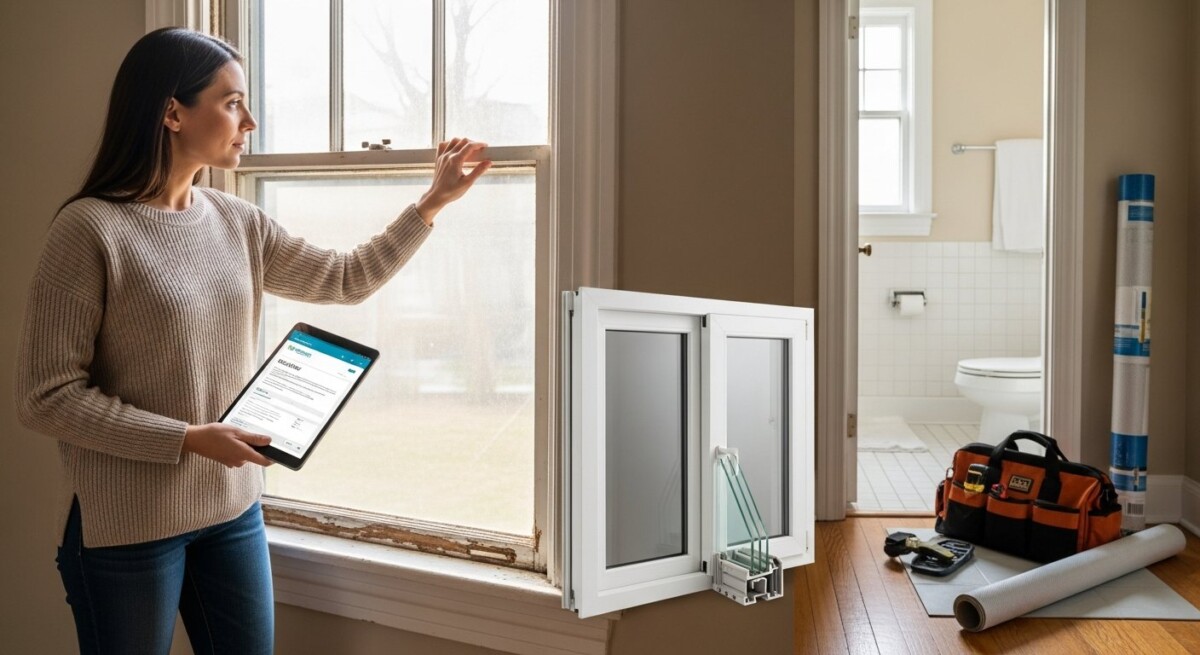
For example, swapping standard vinyl windows for double-pane, energy-efficient models reduces energy bills and noise. Upgrading a bathroom with waterproof materials and quality fixtures prevents moisture damage and mold. These changes improve comfort today and reduce costly repairs tomorrow.
Why This Matters for Your Home
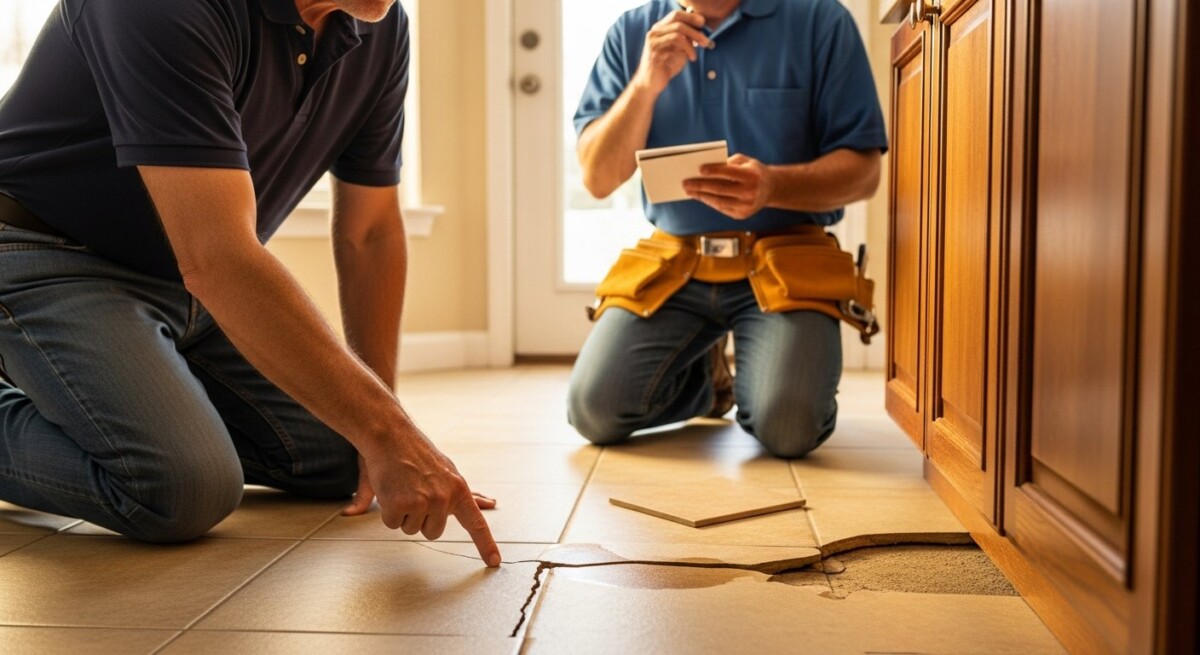
Ignoring the need for quality upgrades can lead to serious problems. A small crack in a tile might allow water to seep into the subfloor, causing rot and structural damage over time. Drafty windows force your HVAC system to work harder, driving up utility bills and shortening equipment life. What starts as a minor annoyance can become a thousand-dollar emergency.
Safety is another concern. Outdated electrical systems, worn flooring, and poor ventilation create hazards for your family. Premium upgrades address these risks by bringing your home up to current safety standards. They also improve comfort,no more cold drafts in winter or stuffy rooms in summer.
Finally, premium upgrades protect your home’s resale value. Buyers today expect modern, efficient homes. If your property has old windows, dated kitchen appliances, or worn-out roofing, it will sit on the market longer or sell for less. Investing in quality upgrades now pays off when you decide to sell.
If you notice signs of this issue in your home, it may help to speak with a qualified contractor. Request a free quote or call to explore your repair or remodeling options.
Common Problems Homeowners Experience
Homeowners often discover the need for premium upgrades through everyday frustrations. Maybe the bathroom fan doesn’t clear steam, leaving walls damp and prone to mold. Perhaps the kitchen countertops stain easily, or the front door sticks during humid weather. These issues signal that older materials have reached the end of their useful life.
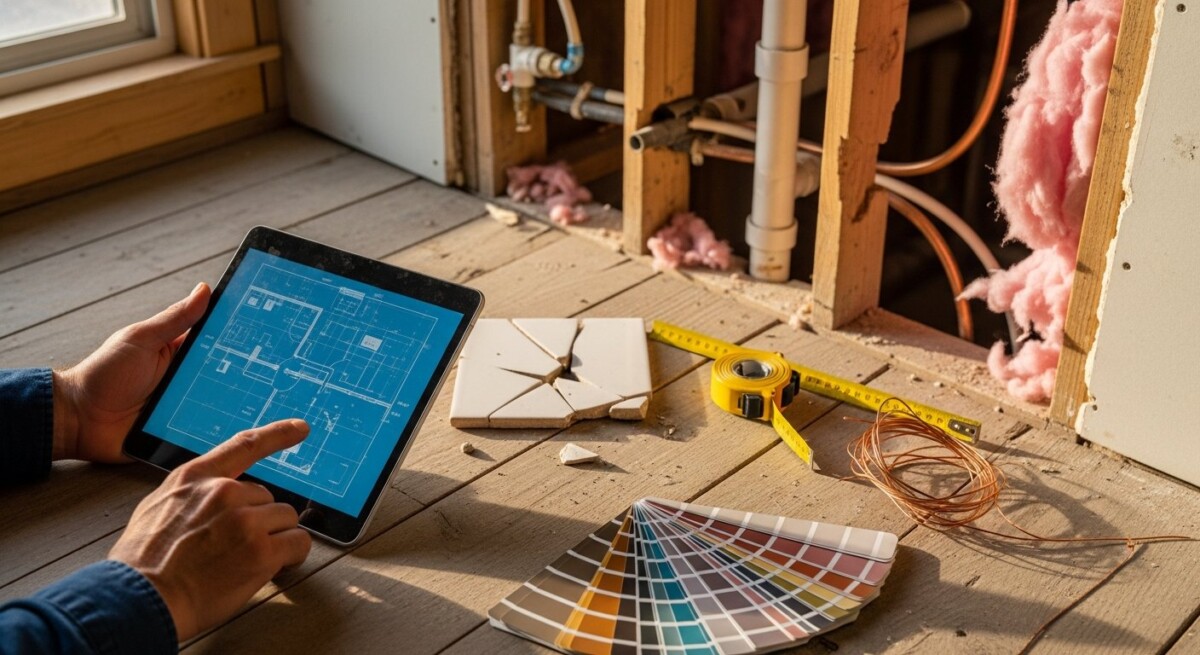
In many cases, the problems are invisible until a contractor inspects the home. Hidden water damage, inadequate insulation, or outdated wiring can go unnoticed for years. That’s why proactive upgrades are smarter than waiting for a crisis.
- Drafty windows and doors that increase energy costs
- Outdated kitchen or bathroom fixtures that leak or malfunction
- Worn flooring that shows stains, scratches, or warping
- Poor insulation that makes rooms uncomfortable year-round
- Aging roofing that leaks or shows visible damage
- Old electrical panels that can’t handle modern appliances
How Professionals Solve the Problem
Professional contractors bring expertise, tools, and materials that most homeowners don’t have. They start with a thorough inspection to identify all issues, not just the obvious ones. Then they create a plan that addresses root causes and delivers lasting results.
Here is a typical process for a premium upgrade project:
- Assessment: The contractor evaluates your home’s current condition and discusses your goals.
- Design and material selection: They help you choose high-quality materials that fit your budget and style.
- Preparation: The work area is cleared and protected to minimize disruption.
- Installation or replacement: Old materials are removed, and new premium components are installed correctly.
- Finishing and cleanup: The contractor ensures everything is sealed, tested, and clean before you use the space.
Professional work is safer and more reliable than DIY fixes. Contractors carry insurance, follow building codes, and guarantee their work. They also complete projects faster, so you can enjoy your upgraded home sooner. In our guide on energy efficient home upgrades that save money and add comfort, we explain how professional installation maximizes performance and savings.
A professional inspection can reveal hidden issues before they become expensive repairs. Compare contractor quotes here or call to discuss your project.
Warning Signs You Should Not Ignore
Your home gives you clues when it needs premium upgrades. Pay attention to subtle changes like higher energy bills, unusual odors, or rooms that never feel comfortable. These signs often mean your home’s systems are struggling to keep up.
Early action prevents minor issues from turning into major expenses. For example, catching a small roof leak early can save you from replacing an entire roof deck. Addressing drafty windows before winter reduces heating costs and prevents moisture damage around frames.
- Unexplained spikes in heating or cooling bills
- Visible water stains on ceilings or walls
- Peeling paint or wallpaper, especially near windows
- Doors or windows that stick, rattle, or won’t close properly
- Musty smells that suggest hidden moisture
- Outdated fixtures that look worn or operate poorly
What Affects the Cost of Repairs or Installation
The cost of premium home upgrades varies widely based on several factors. Understanding these can help you budget realistically and avoid surprises.
The size of the project matters most. A full kitchen remodel costs more than replacing countertops. Materials also play a big role,quartz countertops cost more than laminate, but they last longer and add more value. Labor costs depend on your location and the complexity of the work. Projects that require specialized skills, like electrical or plumbing, tend to be more expensive. Accessibility also affects price; a bathroom on the second floor may cost more to renovate than one on the main level. Older homes often require additional work to bring wiring, plumbing, or framing up to code, which adds to the total cost.
Costs can vary depending on the condition of your home. The best way to know the price is to get a personalized estimate. Request free quotes from contractors or call today.
How to Choose the Right Contractor
Finding the right contractor is as important as choosing the right materials. A skilled professional ensures the job is done correctly, on time, and within budget. Take your time to research and compare options before committing.
Start by asking for recommendations from neighbors or friends who have completed similar upgrades. Online reviews on trusted platforms can also give you insight into a contractor’s reputation. Once you have a shortlist, interview each candidate and ask for detailed written estimates.
- Verify licenses and insurance to protect yourself from liability.
- Read customer reviews on Google, Yelp, or the Better Business Bureau.
- Ask for detailed estimates that list materials, labor, and timeline.
- Compare at least three quotes to understand fair pricing.
- Confirm the contractor has experience with similar premium upgrade projects.
For more guidance on choosing professionals, see our article on smart home upgrades that boost your resale value, which includes tips on vetting contractors for technology-related improvements.
Long-Term Benefits of Professional Work
Hiring a professional for premium home upgrades delivers benefits that last for years. First, you gain peace of mind knowing the work meets building codes and safety standards. That’s especially important for electrical, plumbing, and structural projects where mistakes can be dangerous.
Durability is another major advantage. Professional contractors use high-quality materials and proper installation techniques. This means your new windows, flooring, or kitchen will perform well for decades without needing frequent repairs. Many premium materials also come with warranties that protect your investment.
Energy efficiency is a key benefit of many premium upgrades. Better insulation, modern windows, and efficient appliances reduce your monthly utility bills. Over time, these savings can offset the initial cost of the upgrade. Additionally, a well-maintained, upgraded home commands a higher resale price when you decide to move.
What is the difference between premium home upgrades and standard repairs?
Standard repairs fix a specific problem, like patching a hole in the wall. Premium upgrades replace old or low-quality materials with better alternatives that improve performance, durability, and aesthetics. For example, instead of patching damaged drywall, a premium upgrade might involve replacing it with moisture-resistant board in a bathroom.
How much do premium home upgrades typically cost?
Costs vary widely depending on the project scope, materials, and location. A small bathroom upgrade might cost $5,000 to $15,000, while a full kitchen renovation can range from $20,000 to $50,000 or more. The best way to get an accurate estimate is to request quotes from multiple contractors.
Are premium home upgrades worth the investment?
Yes, especially if you plan to stay in your home for several years. Premium upgrades improve daily comfort, reduce energy bills, and increase your home’s resale value. They also prevent costly emergency repairs down the road.
How long does a premium upgrade project take?
Timelines depend on the project. A simple window replacement might take one to two days. A full kitchen remodel could take four to eight weeks. Your contractor should provide a clear timeline during the planning phase.
Can I finance premium home upgrades?
Many homeowners use home equity loans, personal loans, or credit cards to fund upgrades. Some contractors also offer financing options. It is important to compare interest rates and terms before borrowing.
What should I look for in a contractor for premium upgrades?
Look for contractors who are licensed, insured, and have positive reviews from past clients. Ask for references and check their portfolio of completed projects similar to yours. Detailed written estimates help you compare bids fairly.
Do premium home upgrades require permits?
Many upgrades, especially those involving structural changes, electrical work, or plumbing, require permits from your local building department. A reputable contractor will handle the permitting process as part of the project.
How do I know if a contractor is trustworthy?
Check their license and insurance status, read online reviews, and ask for references. A trustworthy contractor will provide a clear contract, answer your questions, and give you a realistic timeline and budget.
Investing in premium home upgrades is one of the smartest decisions you can make as a homeowner. It protects your property, improves your quality of life, and adds long-term value. The key is to act early, choose quality materials, and work with experienced professionals. Before starting any project, take the time to compare contractor quotes and find the team that best fits your needs.