Energy Efficient Home Upgrades That Save Money and Add Comfort
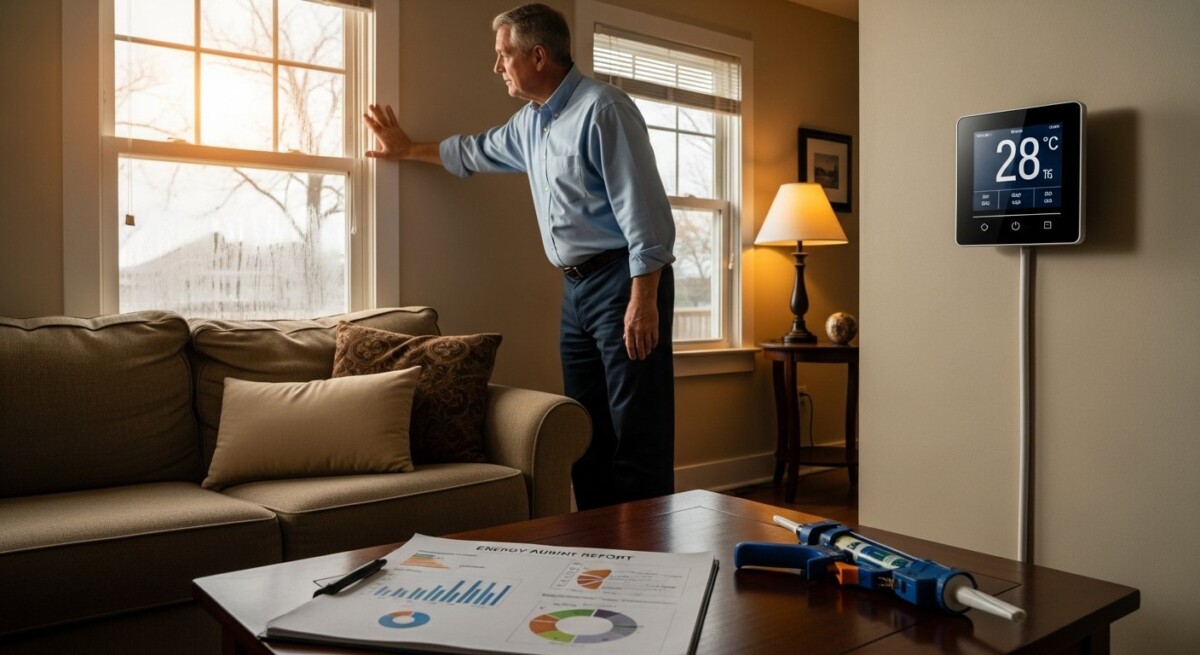
You walk into your living room on a hot summer afternoon, and the air feels stuffy despite the air conditioner running for hours. Your monthly utility bills keep creeping up, and some rooms never seem to reach a comfortable temperature. This scenario is all too familiar for many homeowners, and it often points to a home that is not operating efficiently. The problem is that many homes lose energy through poor insulation, outdated windows, or aging HVAC systems, and ignoring these issues can lead to skyrocketing energy costs, uncomfortable living spaces, and even structural damage. This is where energy efficient home upgrades come into play,they address the root causes of energy loss and put your home back in balance.
Understanding Energy Efficient Home Upgrades
Energy efficient home upgrades are improvements made to your home that reduce the amount of energy needed to heat, cool, and power it. These upgrades can range from simple fixes like sealing air leaks and adding insulation to larger projects such as installing solar panels or replacing old windows. The goal is simple: use less energy while maintaining or improving your comfort.
Why do homes lose energy in the first place? Over time, building materials settle, seals wear out, and older systems become less effective. Homes built before modern energy codes were established often lack proper insulation, have single-pane windows, and use inefficient heating and cooling equipment. The result is that conditioned air escapes, and outside air sneaks in, forcing your HVAC system to work harder than it should.
Homes most affected by energy inefficiency include older houses, those with poor attic insulation, and homes with drafty windows or doors. Even newer homes can benefit from upgrades if they were built quickly with lower-grade materials. If you have noticed uneven temperatures between rooms or ice dams forming on your roof in winter, your home is likely a good candidate for improvements.
Why This Matters for Your Home
Ignoring energy inefficiency does not just hurt your wallet,it can damage your property and compromise your family’s safety. When your home struggles to maintain a steady temperature, moisture can build up in walls and attics. This trapped moisture leads to mold growth, wood rot, and even structural damage that costs thousands to repair. In winter, ice dams can form, causing water to back up under your shingles and leak into your home.
Safety is another critical concern. An overworked HVAC system is more likely to break down during extreme weather, leaving you without heat in winter or air conditioning during a heat wave. Older furnaces and water heaters that run inefficiently also produce more carbon monoxide, posing a serious health risk to your family. By upgrading to energy-efficient systems, you reduce these risks and create a safer home environment.
Comfort is also at stake. A home with poor energy efficiency feels drafty in winter and stuffy in summer. You may find yourself adjusting the thermostat constantly or wearing sweaters indoors. These upgrades not only lower your bills but also make every room feel more comfortable year-round. And when it comes time to sell, an energy-efficient home commands a higher resale value because buyers know they will save on utilities.
If you notice signs of this issue in your home, it may help to speak with a qualified contractor. Request a free quote or call to explore your repair or remodeling options.
Common Problems Homeowners Experience
Homeowners often first notice energy inefficiency through their utility bills. If your heating and cooling costs are higher than your neighbors’ for a similar-sized home, something is likely wrong. Another common sign is drafts near windows, doors, or electrical outlets. You might also find that certain rooms are always too hot or too cold, no matter how you adjust the thermostat.
Beyond comfort and cost, visible damage can appear over time. Peeling paint or wallpaper near windows may indicate moisture problems. Frost buildup on attic rafters in winter suggests poor ventilation and insulation. In summer, an attic that feels like an oven means your home is absorbing heat, making your air conditioner work overtime.
Here are some of the most common issues homeowners face:
- High energy bills that keep rising despite normal usage
- Drafty rooms near windows, doors, or basement walls
- Uneven temperatures from room to room or floor to floor
- Old or single-pane windows that feel cold to the touch in winter
- Inadequate attic insulation that allows heat to escape or enter
- Aging HVAC equipment that runs constantly but never quite keeps up
How Professionals Solve the Problem
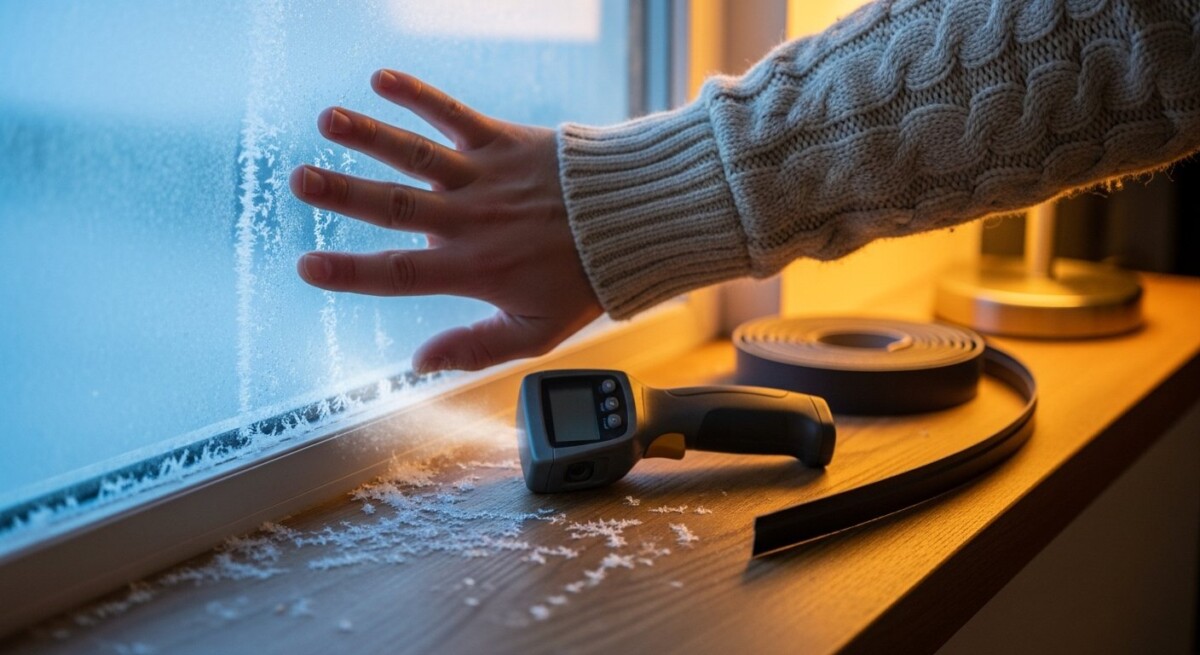
Experienced contractors approach energy efficiency upgrades with a systematic plan. They start with a thorough home energy audit to identify exactly where your home is losing energy. This audit might include a blower door test to measure air leakage, a thermal imaging scan to find hidden gaps in insulation, and an inspection of your HVAC system. Once the problems are identified, they create a customized upgrade plan that addresses the most impactful issues first.
The typical process for a professional upgrade follows these steps:
- Home energy assessment: A contractor evaluates your home’s current energy performance using specialized tools.
- Air sealing: Cracks and gaps around windows, doors, pipes, and attic hatches are sealed to prevent drafts.
- Insulation upgrade: Attic, wall, and basement insulation is added or replaced to meet current energy standards.
- Window or door replacement: Old, drafty windows are swapped for double- or triple-pane energy-efficient models.
- HVAC system optimization: Your heating and cooling equipment is serviced, upgraded, or replaced with a high-efficiency unit.
- Smart thermostat installation: A programmable thermostat helps you manage energy use automatically.
Professional work is safer and more reliable than DIY fixes because contractors have the training, tools, and experience to do the job right. They also know local building codes and can ensure your upgrades qualify for energy efficiency rebates or tax credits. Attempting major upgrades yourself can lead to improper installation, voided warranties, and even fire hazards if electrical or gas systems are involved.
A professional inspection can reveal hidden issues before they become expensive repairs. Compare contractor quotes here or call to discuss your project.
Warning Signs You Should Not Ignore
Many homeowners wait until a system breaks down before taking action, but by then, the damage is already done. Recognizing early warning signs can save you thousands of dollars in emergency repairs and prevent discomfort during extreme weather. Pay attention to changes in your home’s performance, and don’t dismiss small issues as normal.
Here are warning signs that indicate your home may benefit from energy efficient upgrades:
- Unexplained spikes in your monthly energy bills
- Drafts or cold spots near windows, doors, or exterior walls
- Frequent HVAC cycling (turning on and off too often)
- Ice dams forming on your roof in winter
- Mold or mildew in bathrooms, basements, or attics
- High humidity indoors during summer months
If you notice any of these signs, do not wait. Small problems like a minor air leak can worsen over time as materials expand and contract with temperature changes. Addressing them early with professional help is often the most cost-effective approach.
What Affects the Cost of Repairs or Installation
The cost of energy efficient home upgrades varies widely depending on several factors. One of the biggest is the size of your home,a larger house requires more insulation, more windows, and a bigger HVAC system. The scope of the project also matters: replacing all your windows costs more than sealing air leaks and adding attic insulation.
Materials play a major role in pricing. For example, fiberglass insulation is budget-friendly, while spray foam offers superior performance at a higher cost. Similarly, standard double-pane windows are more affordable than triple-pane models with low-emissivity coatings. Labor costs depend on your location and the complexity of the installation. If your home has hard-to-reach attic spaces or unusual window sizes, expect higher labor charges.
The age and condition of your home also affect the final price. Older homes may require structural repairs before upgrades can be installed, adding to the total cost. However, many utility companies and government programs offer rebates or tax credits for energy-efficient improvements, which can offset a significant portion of the expense. Getting multiple quotes from qualified contractors is the best way to understand your options and budget.
Costs can vary depending on the condition of your home. The best way to know the price is to get a personalized estimate. Request free quotes from contractors or call today.
How to Choose the Right Contractor
Finding a trustworthy contractor is essential for a successful upgrade project. Start by asking for recommendations from friends, neighbors, or local hardware stores. Online review sites can give you a sense of a contractor’s reputation, but always verify their credentials directly. A good contractor will be happy to provide proof of licensing and insurance.
Before hiring, get detailed written estimates from at least three contractors. The estimate should break down the cost of materials, labor, and any permits. Avoid contractors who give vague quotes or pressure you to sign immediately. Take time to compare not just prices, but also the scope of work each contractor proposes. Sometimes a higher quote includes better materials or a longer warranty.
Here are some practical tips for selecting the right professional:
- Check licenses and insurance to confirm they are qualified to work in your area.
- Read customer reviews on independent sites to learn about their reliability and quality.
- Ask for detailed estimates in writing that list all costs and timelines.
- Compare multiple quotes to ensure you are getting fair pricing.
- Confirm experience with similar energy efficiency projects, such as insulation or window replacement.
Long-Term Benefits of Professional Work
Investing in professional energy efficient home upgrades pays off for years to come. The most immediate benefit is lower utility bills,many homeowners see a 20% to 30% reduction in heating and cooling costs after sealing air leaks and adding insulation. Over time, these savings can cover the cost of the upgrades themselves.
Increased home value is another major advantage. Energy-efficient homes are attractive to buyers because they promise lower monthly expenses and a smaller environmental footprint. Real estate studies show that homes with Energy Star certifications or documented efficiency upgrades sell faster and for higher prices than comparable homes without them.
Beyond finances, professional upgrades improve your daily life. Your home will feel more comfortable, with consistent temperatures and fewer drafts. You will also enjoy better indoor air quality because air sealing prevents dust, pollen, and outdoor pollutants from entering. And with a modern, efficient HVAC system, you will experience fewer breakdowns and lower maintenance costs over the long run. To learn more about how specific systems can improve your home, read our guide on energy efficient HVAC systems for your home.
What is the first step to making my home more energy efficient?
The first step is to schedule a professional home energy audit. An auditor will use tools like a blower door and thermal camera to find exactly where your home is losing energy. This assessment gives you a clear roadmap of which upgrades will have the biggest impact.
How much money can I save with energy efficient home upgrades?
Savings vary based on your home’s current condition and the upgrades you choose. On average, homeowners save 20% to 30% on heating and cooling costs after air sealing and adding insulation. Replacing old windows and upgrading to an efficient HVAC system can increase those savings further.
Are there tax credits or rebates available for energy efficient upgrades?
Yes, many federal, state, and local programs offer tax credits, rebates, or incentives for energy efficient improvements. The federal government currently offers tax credits for insulation, windows, doors, and heat pumps. Check with your utility company and local energy office for additional programs.
How long do energy efficient upgrades typically last?
Quality insulation can last 20 to 30 years or more if properly installed. Energy-efficient windows typically last 15 to 20 years, while modern HVAC systems have a lifespan of 15 to 25 years with regular maintenance. Professional installation is key to maximizing longevity.
Can I do energy efficient upgrades myself?
Some small projects like caulking windows and adding weatherstripping are DIY-friendly. However, major upgrades such as installing insulation, replacing windows, or upgrading HVAC systems require professional skills and tools. Improper installation can lead to moisture problems, reduced efficiency, and safety hazards.
Will energy efficient upgrades make my home more comfortable?
Absolutely. By eliminating drafts and improving insulation, you will enjoy more consistent indoor temperatures. Rooms that were once too hot or too cold will become comfortable. You may also notice less noise from outside because energy-efficient windows and insulation dampen sound.
How do I know if my attic insulation is adequate?
A simple check is to look at the insulation level in your attic. If you can see the floor joists, you likely need more insulation. The recommended R-value for attics in most climates is R-38 to R-60. A professional energy audit can give you a precise assessment.
What is the best type of insulation for my home?
The best insulation depends on your home’s structure and climate. Fiberglass batts are affordable and effective for attics, while spray foam offers superior air sealing and moisture control. Blown-in cellulose is a good option for filling gaps in walls. A contractor can recommend the best solution for your specific situation.
Energy efficient home upgrades are one of the smartest investments you can make as a homeowner. They lower your utility bills, improve comfort, protect your property, and increase your home’s value. The key is to act early,before small issues become costly problems. Start by scheduling a professional energy assessment, then compare quotes from qualified contractors to find the best approach for your home. With the right upgrades, you can enjoy a more comfortable, affordable, and sustainable home for years to come. And if you are interested in modernizing your home’s functionality, check out our article on smart home upgrades that boost your resale value.