
Home Remodel Chicago Illinois: A Practical Guide for Homeowners
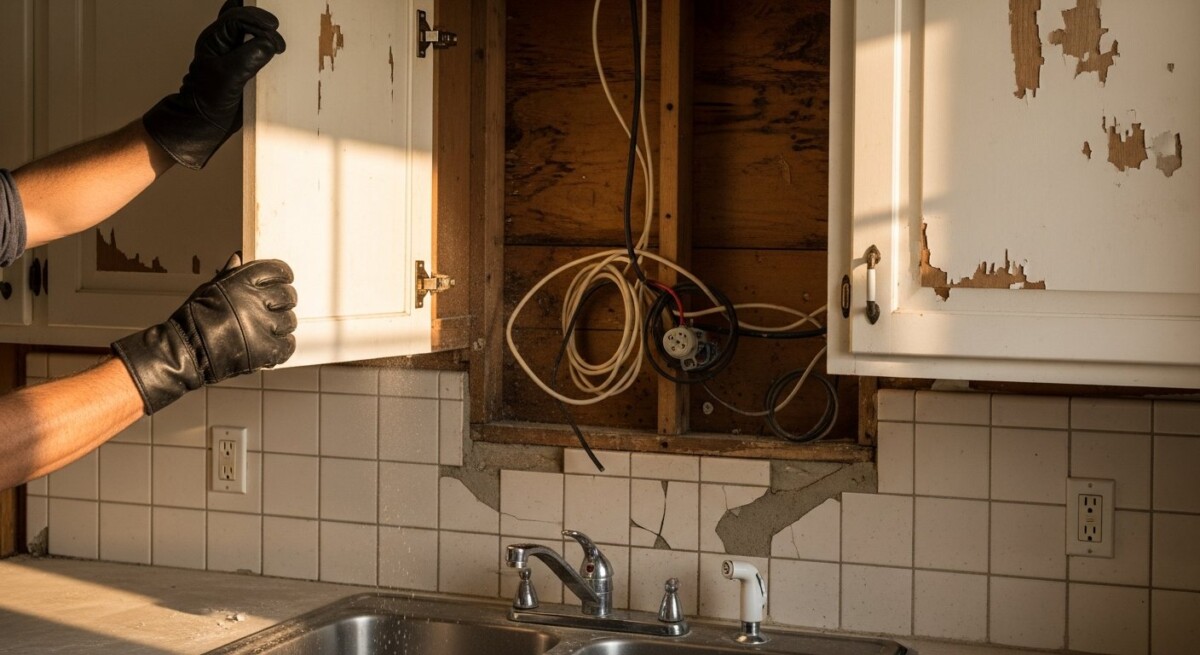
You walk into your kitchen one morning and notice the cabinet door is hanging slightly crooked. The paint on the trim is chipping. The faucet drips a little more than it used to. Small issues, right? Maybe. But in many Chicago homes, these small signs are often the first hint of bigger problems hidden behind walls or under floors. Whether you own a classic brick bungalow in Jefferson Park or a vintage condo in Lincoln Park, the reality is that homes in the Chicago area face unique challenges,aging infrastructure, harsh winters, and shifting foundations. Ignoring these subtle warnings can turn a simple home remodel Chicago Illinois project into an expensive emergency repair. If you are starting to feel like your home is working against you instead of for you, it might be time to take a closer look.
Understanding Home Remodel Chicago Illinois
A home remodel in Chicago Illinois is more than just updating paint colors or swapping out light fixtures. It involves making meaningful changes to your home’s structure, systems, or layout to improve safety, comfort, and function. This can range from a single-room renovation,like a bathroom or kitchen,to a whole-house transformation.
Chicago homes are built differently depending on their age. Many homes in the city were constructed before 1950, which means they often have outdated wiring, galvanized plumbing, and inefficient insulation. These older systems were not designed to handle modern electrical loads or energy efficiency standards. That is why a remodel in Chicago is rarely just cosmetic,it is often about bringing the home up to current code while making it more livable.
Neighborhoods like Logan Square, Hyde Park, and Rogers Park each have their own architectural styles, from Victorian greystones to post-war ranches. Each style presents different remodeling challenges. Understanding what makes your home unique is the first step toward a successful project.
Why This Matters for Your Home
When you put off a remodel, you are not just living with an outdated look. You are risking real damage to your property. Water leaks from old pipes can rot subfloors and attract pests. Outdated electrical panels can become a fire hazard. And a drafty attic or basement can make your heating bills skyrocket during a Chicago winter.
Safety is another major concern. An uneven floor or a stairway with loose railings might seem minor, but they can cause serious falls. Mold from hidden moisture can affect your family’s breathing. In our full home remodeling services guide, we explain how a well-planned remodel addresses these hidden risks before they become emergencies.
Beyond safety, there is the issue of home value. In Chicago’s competitive real estate market, homes that look tired or have known issues sit longer and sell for less. A strategic remodel can raise your property’s value significantly,often recovering 60,80% of the cost at resale.
If you notice signs of this issue in your home, it may help to speak with a qualified contractor. Request a free quote or call to explore your repair or remodeling options.
Common Problems Homeowners Experience
Chicago homeowners often face a familiar set of problems that signal it is time for a remodel. These issues are not random,they are usually connected to the age of the home, the local climate, or previous DIY repairs that did not hold up.
For example, many homeowners in older neighborhoods discover that their plumbing is still original galvanized steel. Over time, these pipes corrode from the inside, reducing water pressure and sometimes leaking behind walls. Similarly, knob-and-tube wiring in pre-war homes cannot safely handle modern appliances, leading to frequent breaker trips or worse.
Here are some of the most common issues that drive homeowners to start a remodel in Chicago Illinois:
- Outdated kitchens and bathrooms , Cabinets that won’t close, cracked tile, and fixtures that leak or look worn.
- Poor energy efficiency , Drafty windows, insufficient attic insulation, and old furnaces that drive up utility bills.
- Structural settling , Sloping floors, cracks in plaster or drywall, and doors that stick,common in homes with clay soil foundations.
- Water damage and mold , Stains on ceilings or walls, musty smells in basements, and peeling paint from hidden leaks.
- Lack of functional space , Rooms that feel cramped, poor traffic flow, or a layout that no longer fits your lifestyle.
- Aging electrical systems , Frequent blown fuses, two-prong outlets, and insufficient outlets for modern electronics.
How Professionals Solve the Problem
Experienced contractors approach a home remodel in Chicago Illinois methodically. They start with a thorough inspection, not just of the area you want to change, but of the entire home. This helps them identify hidden problems that could affect the new work,like a small roof leak that has been slowly damaging the wall where you plan to install new cabinets.
Once the assessment is complete, professionals create a detailed plan and timeline. This includes pulling the necessary permits, which is especially important in Chicago where building codes are strict. A licensed contractor knows how to navigate the city’s permitting process, saving you time and preventing legal headaches.
Here is a typical step-by-step process for a professional home remodel:
- Initial consultation and inspection , The contractor visits your home, takes measurements, and discusses your goals and budget.
- Design and material selection , You choose finishes, fixtures, and layouts. The contractor advises on what works best for Chicago homes.
- Permit application , The contractor files the necessary paperwork with the City of Chicago or your suburb.
- Demolition and preparation , Old materials are removed safely, and the work area is protected.
- Rough-in work , Plumbing, electrical, and HVAC changes are made before walls are closed up.
- Finishing work , Drywall, flooring, cabinets, trim, and paint are installed.
- Final inspection and walk-through , You review the completed work, and any small adjustments are made.
Professional work is safer and more reliable than DIY because contractors carry insurance, know the building code, and have the tools to do the job correctly the first time. A mistake in wiring or plumbing can cost thousands to fix later.
A professional inspection can reveal hidden issues before they become expensive repairs. Compare contractor quotes here or call to discuss your project.
Warning Signs You Should Not Ignore
Many homeowners wait until something breaks completely before calling for help. But by then, the damage is often worse,and more expensive to fix. Learning to spot early warning signs can save you thousands of dollars and a lot of stress.
Pay attention to changes in your home’s behavior. Does the basement smell damp even after a dry week? Do you hear water running when no faucet is on? Do certain rooms feel noticeably colder in winter? These are not just annoyances. They are clues that something needs attention.
Here are warning signs that suggest your home may need a remodel or repair:
- Cracks in walls or ceilings , Especially if they are widening or appear near door frames.
- Water stains or discoloration , On ceilings, walls, or near the base of toilets and sinks.
- High utility bills , A sudden increase without a change in usage often means poor insulation or an inefficient HVAC system.
- Persistent musty odors , Usually a sign of mold or mildew growing in a hidden area.
- Windows that stick or won’t close properly , This can indicate foundation movement or rotting frames.
- Outdated electrical outlets , Two-prong outlets or outlets that feel warm to the touch are a fire risk.
What Affects the Cost of Repairs or Installation
The cost of a home remodel in Chicago Illinois varies widely depending on several factors. Understanding these can help you budget realistically and avoid surprises.
The size of your project matters most. A full kitchen remodel will cost more than a bathroom refresh simply because of the square footage and number of trades involved. Materials also play a big role,custom cabinetry and natural stone countertops cost more than stock cabinets and laminate. Labor rates in Chicago are higher than in many other parts of the Midwest, reflecting the cost of living and the skill level of local tradespeople.
Accessibility is another factor. If your home is a walk-up with narrow stairways, moving materials and debris takes more time. Older homes may also contain hazardous materials like lead paint or asbestos, which require special handling and increase costs. In our home remodeling cost guide, we break down typical price ranges for different types of projects.
Costs can vary depending on the condition of your home. The best way to know the price is to get a personalized estimate. Request free quotes from contractors or call today.
How to Choose the Right Contractor
Finding the right contractor for your home remodel in Chicago Illinois can feel overwhelming, but it does not have to be. The key is to do a little homework before you sign anything. A good contractor will be transparent, communicative, and willing to answer your questions.
Start by asking for recommendations from neighbors or friends who have had work done recently. Online reviews on sites like Google, Yelp, and the Better Business Bureau can give you a sense of a contractor’s reputation. But do not stop there,always verify that the contractor is licensed and insured in Illinois. Chicago requires a city license for most remodeling work, and suburban municipalities have their own requirements.
Here are practical tips for choosing a contractor you can trust:
- Check licenses and insurance , Ask for proof of general liability and workers’ compensation coverage.
- Read customer reviews , Look for recent reviews that mention similar projects to yours.
- Ask for detailed estimates , A good estimate breaks down materials, labor, permits, and timeline.
- Compare multiple quotes , Get at least three bids to understand the market rate and avoid overpaying.
- Confirm experience with similar projects , A contractor who specializes in kitchens may not be the best fit for a foundation repair.
Long-Term Benefits of Professional Work
Investing in a professional home remodel pays off in ways that go beyond appearance. The most immediate benefit is peace of mind. When work is done correctly, you do not have to worry about leaks behind the wall or electrical shorts. Everything functions as it should.
Durability is another major advantage. Professional-grade materials and proper installation mean your remodel will last for decades, not just a few years. This is especially important in Chicago’s climate, where freeze-thaw cycles and humidity can take a toll on poorly done work. Additionally, many professional remodelers offer warranties on their labor, giving you added protection.
Energy efficiency is a growing concern for homeowners. A remodel that includes better insulation, energy-efficient windows, and modern HVAC equipment can lower your monthly bills significantly. And when it comes time to sell, a well-documented, permitted remodel adds real value to your home. Buyers are willing to pay more for a home that has been updated properly. For a realistic look at how long different phases of work take, see our home remodeling timeline guide.
How long does a typical home remodel take in Chicago?
A small bathroom remodel usually takes 3,5 weeks. A full kitchen remodel can take 6,10 weeks. Whole-home remodels vary widely but often take 3,6 months, depending on the scope and whether structural changes are involved.
Do I need a permit for a home remodel in Chicago Illinois?
Yes, most remodeling projects in Chicago require a permit. This includes kitchen and bathroom remodels, electrical work, plumbing changes, and structural alterations. A licensed contractor will handle the permit process for you.
What is the average cost of a kitchen remodel in Chicago?
For a mid-range kitchen remodel in Chicago, homeowners typically spend between $25,000 and $50,000. High-end remodels with custom cabinetry and premium appliances can exceed $80,000. Costs depend on the size of the kitchen and the materials selected.
Should I remodel my Chicago home before selling?
If your home has major issues like an outdated kitchen, old bathrooms, or visible damage, remodeling can help you sell faster and at a higher price. Focus on projects that offer the best return on investment, such as kitchen updates, bathroom refreshes, and improving curb appeal.
How do I find a reliable contractor for my home remodel in Chicago Illinois?
Start by asking for referrals from people you trust. Then check online reviews and verify that the contractor is licensed and insured. Getting at least three written estimates will help you compare pricing and approach.
What is the best way to finance a home remodel in Chicago?
Many homeowners use home equity loans, personal loans, or credit cards. Some contractors offer financing plans. Compare interest rates and terms before committing. A clear budget helps you avoid overspending.
Can I live in my home during a remodel?
It depends on the scope of work. For a single-room remodel like a bathroom, most people stay in their home. For a whole-house renovation, you may need to temporarily relocate, especially if the kitchen or HVAC system is out of service.
What should I look for in a remodeling contract?
A good contract includes a detailed scope of work, payment schedule, start and completion dates, material specifications, and warranty information. Read it carefully and ask questions before signing.
Your home is one of your biggest investments. Taking care of it with a thoughtful remodel protects that investment and improves your daily life. Whether you are fixing a small problem or planning a full renovation, the smartest first step is to understand your options. Compare quotes from a few qualified contractors, ask questions, and choose a plan that fits your budget and your needs. You do not have to do it all at once,but starting with a professional assessment can save you time, money, and stress in the long run.