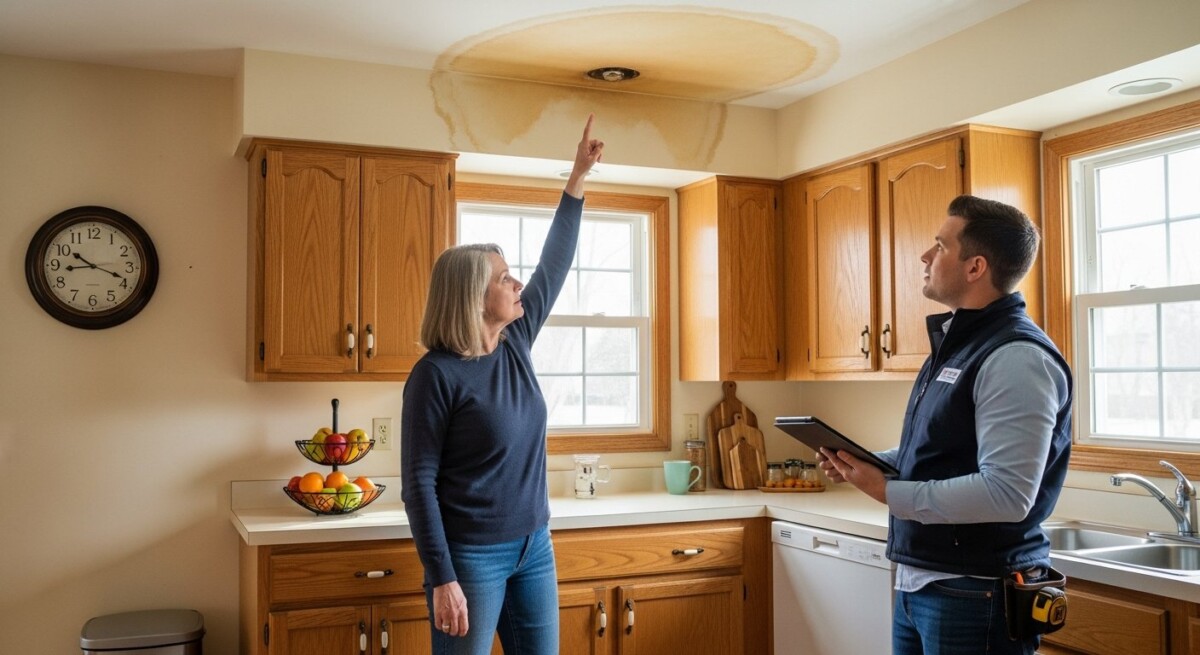
How To Remodel Without Overspending: A Practical Guide
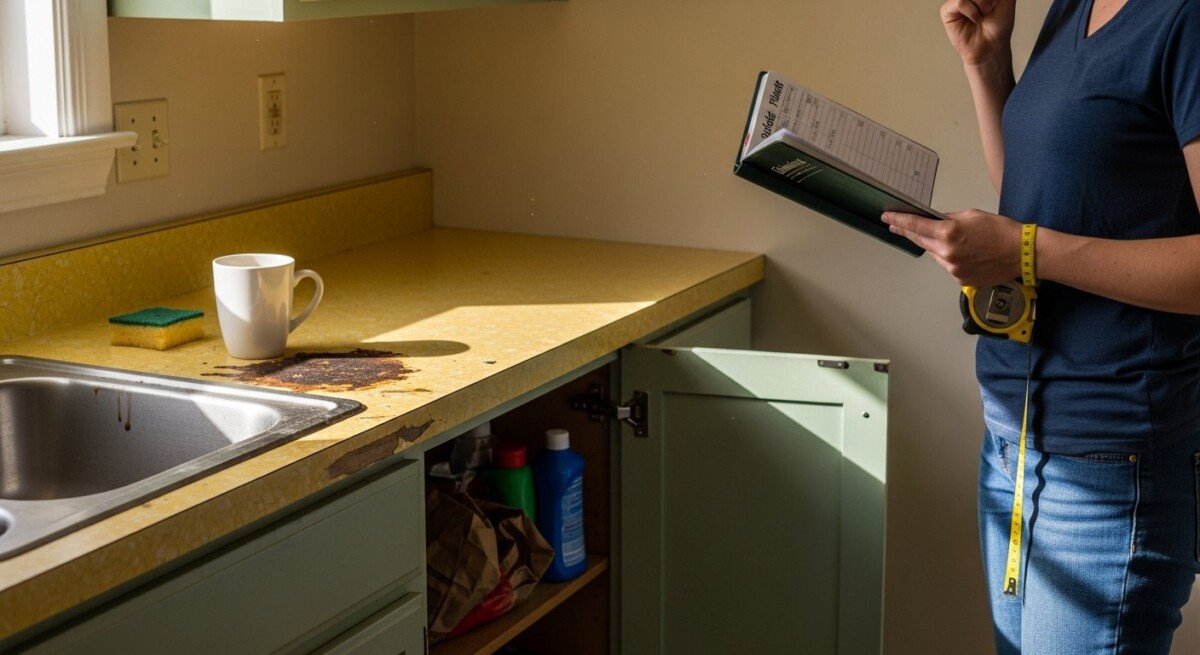
You walk into your kitchen and notice the cabinet door is hanging by one hinge. The countertop is chipped. The paint is peeling near the sink. You know the room needs an update, but you also know how quickly remodeling costs can spiral out of control. You are not alone , most homeowners face this exact dilemma. The good news is that learning how to remodel without overspending is not about cutting corners; it is about making smart choices at the right time. Ignoring small problems can turn a minor repair into a major expense, but with a clear plan, you can protect your home and your budget.
Understanding How To Remodel Without Overspending
Remodeling without overspending means prioritizing what matters most: safety, function, and long-term value. It does not mean buying the cheapest materials or skipping professional help. Instead, it involves understanding where your money goes and avoiding common pitfalls that drive up costs.
Cost overruns happen for several reasons. Homeowners often discover hidden damage after demolition begins. They change their minds mid-project. Or they try to do everything at once without a clear budget. Homes that are older or have outdated systems are especially prone to surprises, but any project can exceed its budget without careful planning.
In our guide on How To Finance a Home Remodel Without Using Home Equity, we explain how to plan your budget before you start. That kind of upfront thinking is the foundation of remodeling without overspending.
Why This Matters for Your Home
Ignoring the need for a remodel , or rushing into one without a plan , can lead to serious consequences. Delaying necessary repairs often turns a simple fix into a full replacement. A small plumbing leak behind a vanity, for example, can rot the subfloor and attract mold, turning a $200 repair into a $3,000 bathroom renovation.
Safety is another concern. Outdated wiring, weak flooring, or faulty fixtures can put your family at risk. And from a comfort standpoint, a poorly designed or damaged space makes daily life more stressful. The longer you wait, the more your home’s value and livability decline.
If you notice signs of this issue in your home, it may help to speak with a qualified contractor. Request a free quote or call to explore your repair or remodeling options.
Common Problems Homeowners Experience
Most homeowners run into the same set of problems when planning a remodel. The biggest issue is underestimating the total cost , not just materials and labor, but also permits, disposal fees, and unexpected repairs. Another common mistake is choosing the lowest bid without checking the contractor’s credentials, which often leads to poor workmanship and costly rework.
Here are some of the most frequent issues homeowners face:
- Visible damage such as cracked tiles, peeling paint, or warped flooring
- Performance problems like poor water pressure, uneven heating, or drafty windows
- Structural concerns such as sagging ceilings, sloping floors, or sticking doors
- Aging materials that no longer meet building codes or energy standards
- Layout inefficiencies that waste space and reduce functionality
- Budget overruns caused by scope creep or lack of professional guidance
How Professionals Solve the Problem
Experienced contractors bring two things that save you money: knowledge and efficiency. They know how to spot hidden issues before they become problems. They also have established relationships with suppliers, which often means better material pricing than you can get as a homeowner.
Here is a typical process a professional follows to keep your remodel on budget:
- Assessment: The contractor inspects the space, identifies existing damage, and checks for code compliance.
- Planning: They create a detailed scope of work with specific materials, timelines, and costs.
- Permitting: They handle all required permits, ensuring the work meets local regulations.
- Execution: The crew completes the work in a logical sequence, reducing downtime and preventing rework.
- Cleanup and Inspection: They clean the site and walk through the finished project with you to confirm satisfaction.
Professional work is safer and more reliable than DIY fixes, especially when plumbing, electrical, or structural changes are involved. A small mistake in these areas can lead to water damage, fire hazards, or costly repairs later.
A professional inspection can reveal hidden issues before they become expensive repairs. Compare contractor quotes here or call to discuss your project.
Warning Signs You Should Not Ignore
Your home often gives you subtle signals that a remodel is needed. Paying attention early can help you plan a project that stays within your budget. Ignoring these signs usually leads to bigger , and more expensive , problems down the road.
Here are warning signs that suggest you may need a professional remodel or repair:
- Water stains on ceilings or walls near bathrooms, kitchens, or basements
- Musty odors that suggest hidden mold or mildew growth
- Difficulty opening or closing windows, doors, or cabinets
- Higher than normal utility bills due to poor insulation or old appliances
- Cracks in drywall, tile grout, or foundation walls
- Outdated fixtures that are hard to operate or repair
What Affects the Cost of Repairs or Installation
Several factors influence how much a remodel will cost. Understanding these can help you make decisions that keep your project affordable without sacrificing quality.
The size of the project is the most obvious factor. A full kitchen remodel costs more than a countertop replacement. Materials also play a major role , custom cabinetry and natural stone cost more than stock cabinets and laminate. Labor rates vary by region and by the complexity of the work. And if your home is older, you may need to upgrade wiring, plumbing, or structural supports to meet current codes, which adds to the total cost.
Costs can vary depending on the condition of your home. The best way to know the price is to get a personalized estimate. Request free quotes from contractors or call today.
How to Choose the Right Contractor
Selecting the right contractor is one of the most important decisions you will make. A good contractor helps you stay on budget, avoid delays, and get the result you want. A bad one can drain your savings and leave you with unfinished work.
Here are practical tips for choosing a contractor you can trust:
- Check licenses and insurance , verify they are current and adequate for your project
- Read customer reviews on multiple platforms, and look for patterns in feedback
- Ask for detailed, written estimates that break down materials, labor, and timeline
- Compare at least three quotes before making a decision
- Confirm they have experience with projects similar to yours, especially if you need specialized work
Long-Term Benefits of Professional Work
Investing in professional remodeling pays off in many ways beyond the first few months. A well-executed project improves your home’s safety, especially when electrical, plumbing, or structural work is involved. Durable materials and proper installation mean fewer repairs and replacements over time.
Energy efficiency is another major benefit. New windows, insulation, and appliances lower your utility bills year after year. And a thoughtfully remodeled home almost always increases in value, making it easier to sell or refinance in the future. In our article on How To Finance a Home Remodel Without Using Home Equity, we explore how to fund these upgrades wisely so you can enjoy those long-term benefits without financial strain.
Ultimately, professional work reduces the stress of homeownership. You can trust that the job was done right, and you can focus on enjoying your home instead of worrying about the next repair. For more insights on planning your project, read our guide on How To Finance a Home Remodel Without Using Home Equity.
What is the best way to start planning a remodel on a tight budget?
Begin by listing your priorities , what needs to be fixed versus what you want to change. Get at least three quotes from licensed contractors and compare them side by side. A detailed estimate helps you see where your money is going so you can make informed trade-offs.
Can I remodel a room myself to save money?
You can handle cosmetic updates like painting or installing new hardware. But for plumbing, electrical, or structural work, hiring a professional is safer and often cheaper in the long run. Mistakes in those areas can lead to expensive damage or safety hazards.
How do I avoid unexpected costs during a remodel?
Set aside a contingency fund of 10 to 20 percent of your total budget. Also, ask your contractor to include a clause in the contract that outlines how change orders are handled. This prevents surprise charges if you decide to make changes mid-project.
What is the most cost-effective room to remodel?
Bathrooms and kitchens typically offer the highest return on investment. Even a minor bathroom remodel , replacing the vanity, toilet, and lighting , can recoup over 60 percent of its cost at resale. Focus on updates that improve function and appearance without moving plumbing or walls.
How long does a typical remodel take?
A small bathroom remodel can take two to three weeks. A kitchen remodel usually takes six to eight weeks. Timelines can vary based on material availability, the scope of work, and contractor scheduling. Ask for a written timeline before you sign a contract.
Should I remodel before selling my home?
Only if the repairs will increase the sale price more than they cost. Focus on high-impact, low-cost updates like fresh paint, new flooring, and modern light fixtures. A professional consultation can help you decide which improvements are worth the investment.
What should I look for in a contractor’s estimate?
A good estimate includes a detailed breakdown of materials, labor, permits, and disposal fees. It should also specify the timeline, payment schedule, and warranty information. Avoid contractors who give vague verbal estimates or ask for large upfront payments.
How can I compare quotes fairly?
Make sure each contractor bids on the same scope of work. Provide them with the same list of materials and finishes. If one quote is significantly lower, ask why , it may indicate lower-quality materials or incomplete work.
Remodeling your home does not have to empty your savings. By understanding the process, watching for warning signs, and working with qualified professionals, you can create a space you love without overspending. The key is to start with a clear plan and compare contractor quotes before committing to any work. Take the first step today and protect your home , and your wallet.