How to Find Trusted Renovation Contractors Near Me
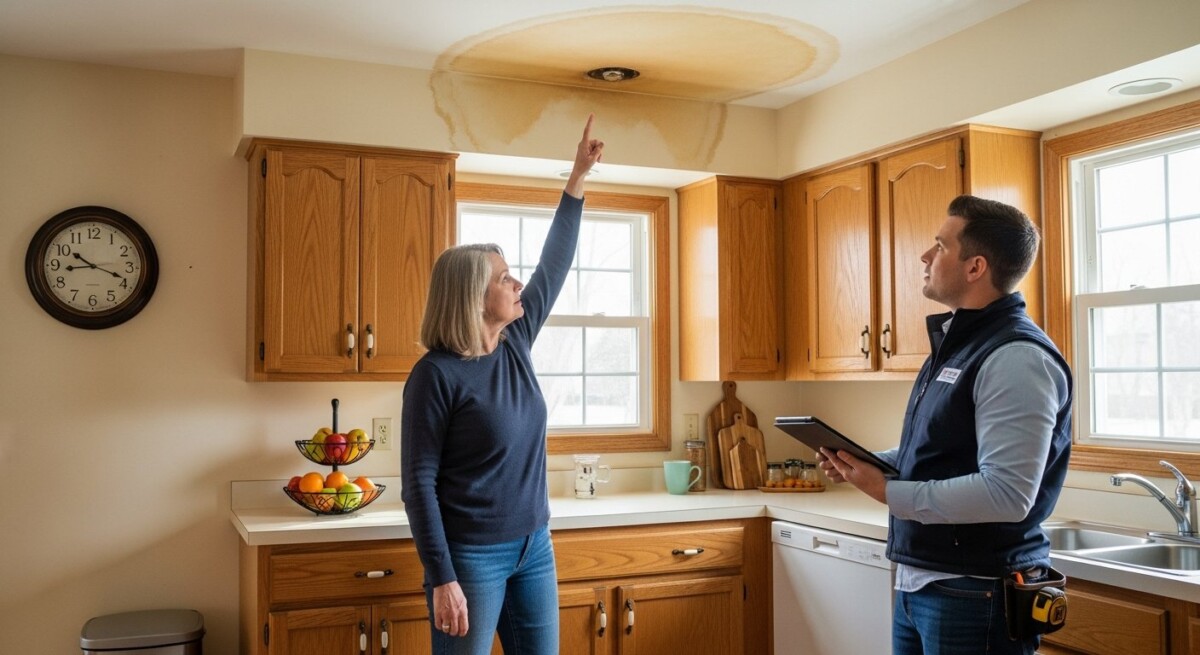
You walk into your kitchen one morning and notice a small water stain on the ceiling. Or maybe the bathroom tile has started to crack, or the basement feels damp and musty for no clear reason. These small signs are easy to ignore,until they turn into bigger problems. Many homeowners discover the need for a renovation contractor only after a minor issue becomes a costly emergency. Searching for “renovation contractors near me” is often the first step toward protecting your home and your peace of mind. But knowing what to look for and when to call can make all the difference.
Understanding renovation contractors near me
A renovation contractor is a professional who manages and completes home improvement projects,from small bathroom updates to full kitchen remodels or basement finishing. These contractors coordinate the work, hire skilled tradespeople, pull permits, and ensure the job meets local building codes. Not every project requires a contractor, but many do. When the work involves plumbing, electrical systems, structural changes, or significant drywall and flooring, a licensed professional is often the safest choice.
Projects typically start because a homeowner notices something wrong: a leaky roof, outdated wiring, or simply a room that no longer works for the family. Over time, wear and tear, moisture, and age take their toll. Older homes, in particular, are more likely to need updates to meet modern safety standards and energy-efficiency expectations. Even newer homes can benefit from professional remodeling to improve layout or functionality.
Why homeowners search for local contractors
Searching for a contractor near you is about finding someone who understands local building codes, climate challenges, and regional construction styles. A local contractor can also respond faster to urgent issues and often has relationships with trusted suppliers and subcontractors in your area. This local knowledge can save you time, money, and stress.
Why This Matters for Your Home
Delaying necessary renovations can lead to more than just an outdated look. Small problems like a dripping pipe behind a wall can cause mold, rot, and structural damage over time. A cracked foundation might let in moisture that ruins flooring and promotes pest infestations. What starts as a $500 repair can turn into a $5,000 restoration project if ignored.
Safety is another major concern. Faulty wiring, worn-out roofing, or an unstable deck can put your family at risk. Professional contractors can identify these hazards and address them before they cause injuries or property damage. Comfort also matters,a poorly insulated room or an inefficient HVAC system makes your home less enjoyable and drives up utility bills.
Finally, your home is likely your biggest investment. Regular updates and timely repairs help maintain,and often increase,its market value. If you plan to sell in the future, a well-maintained home with modern finishes will attract more buyers and a higher price.
If you notice signs of this issue in your home, it may help to speak with a qualified contractor. Request a free quote or call to explore your repair or remodeling options.
Common Problems Homeowners Experience
Every home has its weak spots, and certain problems show up again and again. Leaky roofs, drafty windows, cracked tiles, and outdated bathrooms are among the most frequent complaints. Many homeowners also struggle with poor layout,a kitchen that feels cramped or a basement that can’t be used for storage or living space.
These problems often appear gradually. A faucet drips a little more each month. A floorboard starts to squeak. The paint on the ceiling begins to bubble. By the time the issue is obvious, the underlying damage may already be significant. That’s why early attention matters.
- Water stains on ceilings or walls
- Peeling paint or wallpaper near plumbing fixtures
- Musty odors in basements or bathrooms
- Cracked, loose, or missing tiles
- Drafty windows or doors that stick
- Outdated electrical outlets or flickering lights
How Professionals Solve the Problem
Experienced renovation contractors follow a systematic approach to ensure quality and safety. They start with a thorough inspection to identify all issues,not just the visible ones. Then they create a detailed plan that includes materials, timeline, and budget. This planning phase is crucial because it prevents surprises during construction.
Once the plan is set, the contractor handles permits, schedules subcontractors, and manages the work day by day. They coordinate plumbers, electricians, carpenters, and painters so everything happens in the right order. This level of coordination is difficult for most homeowners to manage on their own, especially if they have a full-time job or family obligations.
- Inspection and assessment , The contractor evaluates the area, identifies hidden damage, and checks for code compliance.
- Design and planning , Together, you and the contractor finalize materials, layout, and timeline.
- Permitting and preparation , The contractor pulls necessary permits and prepares the work area.
- Demolition and removal , Old materials are safely removed, and the space is prepped for new installation.
- Installation and construction , New plumbing, electrical, drywall, flooring, and fixtures are installed.
- Final inspection and cleanup , The contractor ensures everything works properly and cleans up the site.
Professional work is safer and more reliable than DIY fixes because contractors carry insurance, follow building codes, and have years of hands-on experience. They also have access to better tools and materials, which leads to a longer-lasting result.
A professional inspection can reveal hidden issues before they become expensive repairs. Compare contractor quotes here or call to discuss your project.
Warning Signs You Should Not Ignore
Some problems are easy to spot, while others hide behind walls or under floors. Learning to recognize early warning signs can save you thousands of dollars. If you see any of the following, it’s time to call a professional:
- Water spots or discoloration on ceilings, walls, or floors
- Persistent musty or moldy smells, especially after rain
- Windows or doors that stick, won’t close, or let in drafts
- Loose, cracked, or uneven flooring
- Frequent circuit breaker trips or flickering lights
- Visible cracks in foundation walls or exterior brickwork
Ignoring these signs can lead to structural damage, mold growth, electrical fires, or costly emergency repairs. Early action is almost always cheaper and less disruptive than waiting until the problem forces a renovation.
What Affects the Cost of Repairs or Installation
Renovation costs vary widely depending on several factors. The size of the project is the most obvious,a full kitchen remodel costs more than a bathroom refresh. But other variables matter too. The quality of materials you choose, from budget laminate to premium hardwood, directly impacts the price. Labor costs also depend on your location and the complexity of the work.
Accessibility can influence the final bill. A contractor working in a tight attic crawlspace will charge more than one replacing flooring in a wide-open living room. The age of your home also plays a role; older houses often have outdated wiring, plumbing, or insulation that must be brought up to code before new finishes can be installed.
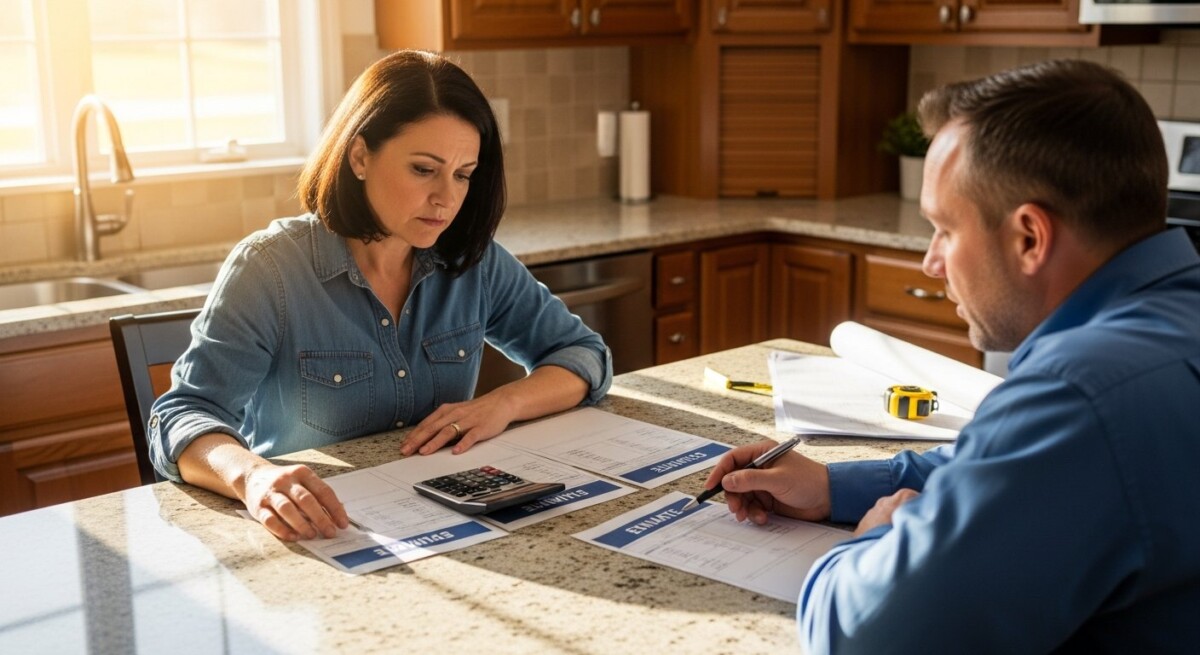
Getting multiple quotes is the best way to understand the range of costs for your specific project. Each contractor will assess the work differently, and comparing estimates helps you see what’s reasonable,and what might be a red flag.
Costs can vary depending on the condition of your home. The best way to know the price is to get a personalized estimate. Request free quotes from contractors or call today.
How to Choose the Right Contractor
Finding a trustworthy contractor takes a little research, but it’s time well spent. Start by asking for recommendations from neighbors, friends, or family members who have had similar work done. Online reviews and ratings on platforms like Google, Yelp, and the Better Business Bureau can also give you a sense of a contractor’s reputation.
Once you have a few names, verify their credentials. A legitimate contractor should have a valid license for your state, general liability insurance, and workers’ compensation coverage. Ask for proof and don’t be shy about checking it. Also request references from recent projects similar to yours.
- Verify the contractor’s license and insurance coverage
- Read recent customer reviews on multiple platforms
- Ask for a detailed written estimate before work begins
- Compare at least three quotes to understand market pricing
- Confirm the contractor has experience with your type of project
Trust your instincts. If a contractor pressures you to sign quickly, demands full payment upfront, or refuses to put terms in writing, consider it a red flag. A good contractor communicates clearly, answers your questions, and respects your timeline and budget.
For more guidance on the process, read our detailed guide on how to find home renovation contractors near me.
Long-Term Benefits of Professional Work
Investing in professional renovation pays off in many ways. Safety is the most important benefit,licensed contractors ensure that electrical, plumbing, and structural work meets modern codes. This reduces the risk of fires, leaks, and collapses. Durability is another advantage; professional installations last longer because they use proper techniques and high-quality materials.
Energy efficiency is a growing concern for many homeowners. A professional remodel can include better insulation, energy-efficient windows, and modern appliances that lower your monthly utility bills. Over time, these savings can offset the cost of the renovation itself.
Finally, professional work adds real value to your home. Updated kitchens and bathrooms are among the top features buyers look for. A finished basement or a well-designed home office can also increase your home’s resale value. Even if you’re not planning to sell, living in a comfortable, attractive home improves your quality of life every day.
If you’re considering a bathroom upgrade, check out our article on bathroom renovation contractors near me for specific tips and insights.
How do I find renovation contractors near me?
Start by searching online for local contractors and reading reviews. Ask neighbors for recommendations, and always verify licenses and insurance before hiring. Comparing quotes from multiple contractors helps you find fair pricing and a good fit for your project.
How much does a home renovation cost?
Costs vary widely based on project size, materials, labor, and location. A minor bathroom update might cost $3,000 to $7,000, while a full kitchen remodel can range from $15,000 to $40,000. Getting personalized quotes is the most accurate way to estimate your project.
Do I need a permit for my renovation?
Most significant renovations require permits,especially those involving plumbing, electrical, or structural changes. Your contractor should handle the permit process as part of the project. Skipping permits can lead to fines and problems when selling your home.
How long does a typical renovation take?
Timelines depend on the scope of work. A bathroom remodel might take 2 to 4 weeks, while a kitchen renovation can take 6 to 12 weeks. Delays can occur due to material availability or unforeseen issues, so ask your contractor for a realistic schedule.
What should I look for in a contractor’s estimate?
A good estimate breaks down costs for materials, labor, permits, and cleanup. It should include a timeline and payment schedule. Avoid vague estimates that lack detail,they often lead to unexpected charges later.
Can I stay in my home during a renovation?
It depends on the project. Minor updates like flooring or painting are usually manageable. Major remodels involving kitchens, bathrooms, or structural work may make it difficult to live in the home during construction. Ask your contractor for advice based on your specific plan.
What is the difference between a contractor and a handyman?
A contractor is licensed and insured for larger projects that require permits and multiple trades. A handyman is best for small, non-structural repairs like fixing a leaky faucet or patching drywall. For significant renovations, a licensed contractor is the safer choice.
How do I avoid renovation scams?
Never pay the full amount upfront. Get everything in writing, including the scope of work and payment schedule. Verify licenses and insurance, and check references. If a deal seems too good to be true, it probably is.
Taking care of your home doesn’t have to be overwhelming. The key is to act early, ask questions, and work with professionals who have the skills and experience to do the job right. Whether you’re fixing a small leak or planning a full remodel, comparing quotes from local contractors gives you the information you need to make a confident decision. Start with a simple search for “renovation contractors near me” and take the first step toward a safer, more comfortable home.
For homeowners considering basement upgrades, our resource on finding reliable basement finishing contractors near me offers practical advice and next steps.