Find Reliable Basement Finishing Contractors Near Me
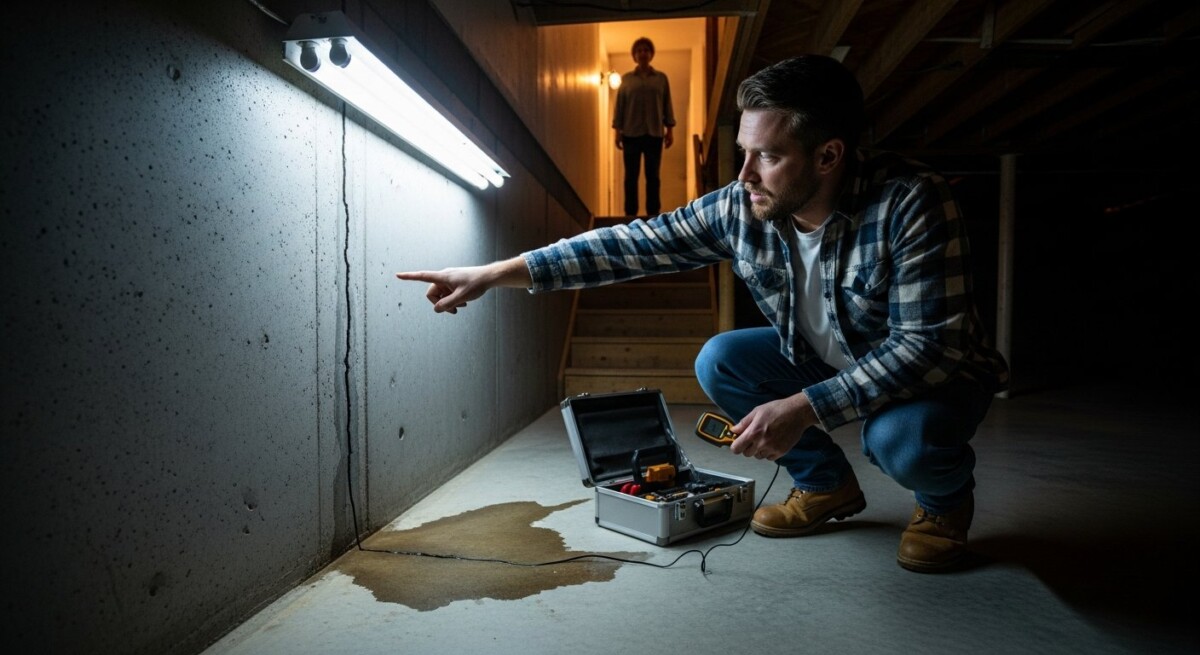
You walk down into your basement to grab a box from storage, and you stop. The air feels damp. You notice a musty smell that wasn’t there last month. Maybe you see a small crack in the foundation wall or a water stain near the floor. For many homeowners, this is the moment they realize their unfinished or partially finished basement needs professional attention. What starts as a small concern can quickly turn into mold growth, structural damage, or a space that feels unusable. If you have been searching for basement finishing contractors near me, you are already one step ahead of the problem. This article will help you understand what to look for, why professional help matters, and how to get the job done right.
Understanding Basement Finishing Contractors Near Me
A basement finishing contractor is a professional who transforms your raw, unfinished basement into a livable, comfortable space. This can include adding insulation, drywall, flooring, lighting, and sometimes plumbing for a bathroom or wet bar. The goal is to create a room that feels like the rest of your home instead of a dark, damp storage area.
Why do homeowners need these contractors? Basements have unique challenges. They are below ground level, which means they are prone to moisture, temperature swings, and even radon gas. A general contractor may not have the specific expertise to handle these issues. A specialist in basement finishing understands how to waterproof, insulate, and ventilate the space so it stays dry and comfortable year-round. Homes with older foundations, clay soil, or poor drainage are most likely to benefit from professional finishing work.
Why This Matters for Your Home
Ignoring your basement is a missed opportunity. An unfinished basement is wasted square footage that could become a home theater, a guest suite, a home gym, or a playroom for the kids. But beyond convenience, there are serious reasons to act. Moisture problems can damage your foundation, warp floor joists, and create an environment where mold thrives. Mold remediation can cost thousands of dollars and may affect your family’s health.
Safety is another concern. Unfinished basements often have exposed wiring, low-hanging pipes, and uneven floors. These are hazards for children, elderly family members, and even pets. A professional finish eliminates these risks by enclosing utilities, adding proper lighting, and creating safe walkways. Finally, a finished basement adds significant resale value. Real estate experts estimate that finishing a basement can return 70,75% of the investment when you sell your home.
If you notice signs of this issue in your home, it may help to speak with a qualified contractor. Request a free quote or call to explore your repair or remodeling options.
Common Problems Homeowners Experience
Many homeowners discover problems only after they start planning their basement remodel. Water seepage is the most common complaint. It shows up as damp spots on the walls, puddles on the floor, or peeling paint on existing finishes. Another frequent issue is uneven floors, which make it hard to lay tile, carpet, or laminate. Cracks in the foundation walls can also appear, often due to settling or hydrostatic pressure from groundwater outside.
Poor insulation is another hidden problem. An uninsulated basement is cold in winter and humid in summer, making it uncomfortable and expensive to heat or cool. Older homes may also have outdated electrical panels or knob-and-tube wiring that can’t handle modern loads. These are not just annoyances,they are safety hazards that require professional attention.
- Water stains or efflorescence (white powdery residue) on walls
- Musty odors that linger even after cleaning
- Cracks in the foundation floor or walls
- Uneven or sloping concrete floors
- Peeling paint or crumbling drywall on existing finishes
- High humidity levels that feel sticky or damp
How Professionals Solve the Problem
Experienced basement finishing contractors follow a systematic process to ensure the space is safe, dry, and livable. They begin with a thorough inspection, checking for moisture sources, foundation cracks, and structural issues. They may use a moisture meter or even a thermal camera to find hidden leaks. Once the assessment is complete, they create a plan that addresses every problem before any finishing work begins.
- Waterproofing: Seal cracks, install interior drainage systems, or add a sump pump to keep water out.
- Insulation: Install rigid foam or spray foam insulation on walls and under the floor to control temperature and moisture.
- Framing and Drywall: Build walls using treated lumber and moisture-resistant drywall to prevent mold.
- Electrical and Plumbing: Run new wiring and pipes according to local codes, with GFCI outlets near water sources.
- Flooring and Finishes: Install vinyl plank, tile, or engineered wood that can handle below-grade moisture.
Professional work is almost always safer and more reliable than a DIY approach. Contractors have the tools and training to identify hidden issues like radon gas or sewer line backups. They also pull permits and pass inspections, which protects you if you ever sell your home. A DIY finish might look good at first, but if moisture gets trapped behind the walls, you could face expensive repairs later.
A professional inspection can reveal hidden issues before they become expensive repairs. Compare contractor quotes here or call to discuss your project.
Warning Signs You Should Not Ignore
Your basement often gives you clues that something is wrong long before a major failure occurs. Pay attention to changes in smell, appearance, or feel. If you notice condensation on pipes or walls, that is a sign of high humidity. If you see tiny black spots on surfaces, mold may already be growing. Even small cracks should be monitored, because they can widen over time as the ground shifts.
Another warning sign is an increase in your energy bills. A leaky, uninsulated basement forces your HVAC system to work harder, especially in extreme weather. If your basement feels noticeably colder or hotter than the rest of your home, it is losing energy. Addressing these issues early can save you hundreds of dollars in utility costs each year.
- Visible mold or mildew on walls, floors, or stored items
- Condensation on windows, pipes, or concrete surfaces
- Cracks that grow wider or longer over time
- Standing water after heavy rain or snowmelt
- Drafts or cold spots that make the basement uncomfortable
- An increase in allergy symptoms or respiratory issues among family members
What Affects the Cost of Repairs or Installation
The cost of finishing a basement varies widely based on your home’s condition and the scope of the project. A simple finish that adds drywall, flooring, and lighting may cost $15,000 to $30,000 for a typical 1,000-square-foot basement. If you need extensive waterproofing, new electrical panels, or a bathroom addition, the price can climb to $50,000 or more. The size of the basement is the biggest factor, but the age of your home matters too. Older homes often have outdated systems that must be brought up to code.
Materials also play a role. Luxury vinyl plank flooring is more affordable than tile or hardwood, and paint-grade drywall costs less than custom wood paneling. Accessibility is another variable. If your basement has a low ceiling, narrow stairs, or limited access for equipment, labor costs may increase. Permits and inspections add a few hundred dollars but are non-negotiable for a safe, legal finish.
Costs can vary depending on the condition of your home. The best way to know the price is to get a personalized estimate. Request free quotes from contractors or call today.
How to Choose the Right Contractor
Selecting the right contractor is just as important as the design of your basement. Start by asking for recommendations from neighbors, friends, or your local hardware store. Online reviews on Google, Yelp, and the Better Business Bureau can also give you a sense of a contractor’s reputation. Look for companies that specialize in basement finishing rather than general handyman services.
Once you have a shortlist, request detailed written estimates from at least three contractors. The estimate should break down the cost of materials, labor, permits, and any subcontractor fees. Avoid contractors who give vague quotes or ask for a large upfront payment. A good contractor will also show you proof of insurance and a valid license for your state. Finally, ask for references from recent basement projects. A quick phone call with a past client can tell you a lot about the contractor’s reliability and quality of work.
- Verify state licensing and general liability insurance
- Read recent online reviews, focusing on basement-specific projects
- Request itemized written estimates from multiple contractors
- Ask for photos or a walkthrough of a completed basement finish
- Check that the contractor pulls permits and schedules inspections
In our guide on finding remodeling contractors near you, we explain how to vet professionals and avoid common pitfalls.
Long-Term Benefits of Professional Work
Investing in a professional basement finish pays off in many ways over the years. First, you gain a functional living space that your family can enjoy every day. Whether you use it as a home office, a media room, or an extra bedroom, it adds flexibility to your home. Second, professional work is built to last. Proper waterproofing and insulation prevent the mold and rot that plague many DIY basements. You will spend less time and money on maintenance down the road.
Energy efficiency is another long-term benefit. A well-insulated basement reduces the load on your heating and cooling system, lowering your monthly utility bills. Over time, those savings can offset a significant portion of your remodeling costs. Finally, a finished basement boosts your home’s resale value. Buyers today expect usable square footage, and a professionally finished basement is a major selling point. It sets your home apart from others on the market and can help you sell faster and at a higher price.
If you are considering a larger project, our article on finding home addition contractors near you offers practical advice for expanding your living space.
How long does it take to finish a basement?
A typical basement finish takes 4 to 8 weeks from start to finish, depending on the size and complexity of the project. Simple finishes with basic flooring and paint can be done in a month, while projects that include a bathroom, wet bar, or custom built-ins may take 8 to 12 weeks. Delays can occur if you need extensive waterproofing or if permits take longer than expected.
Do I need a permit to finish my basement?
Yes, most cities and counties require permits for basement finishing work. Permits ensure that electrical, plumbing, and structural work meets local safety codes. A professional contractor will handle the permit process for you. Skipping permits can lead to fines, difficulty selling your home, and safety hazards that insurance may not cover.
Can I finish my basement myself to save money?
You can, but it is risky. Basements have unique challenges like moisture, radon, and low ceilings that require specialized knowledge. A DIY mistake can lead to mold growth, structural damage, or electrical fires. Many homeowners end up hiring a contractor to fix problems they created. Professional work often costs more upfront but saves money in the long run.
What is the best flooring for a basement?
Luxury vinyl plank (LVP) and ceramic tile are the best choices for basements. Both are waterproof, durable, and easy to clean. Carpet is not recommended because it traps moisture and can develop mold. Engineered wood is another option but requires a moisture barrier. Always choose flooring rated for below-grade installation.
How much value does a finished basement add to a home?
Finishing a basement typically adds 70,75% of the project cost to your home’s resale value. For example, a $30,000 finish could increase your home’s value by $21,000 to $22,500. The return is higher if the basement includes a bedroom, bathroom, or separate entrance. Real estate agents often say that finished basements are one of the best remodeling investments you can make.
What should I look for in a basement finishing contractor?
Look for contractors with specific experience in basement work, proper licensing, and insurance. Ask for references and photos of past projects. A good contractor will offer a detailed written estimate and explain their process for waterproofing and insulation. Avoid contractors who give vague answers or pressure you to sign a contract immediately.
Will a finished basement make my home warmer in winter?
Yes, a properly finished basement with insulation and sealed walls helps maintain a consistent temperature throughout your home. It reduces drafts and heat loss through the floor of the main level. Many homeowners notice that their upstairs rooms feel more comfortable after finishing the basement.
How do I know if my basement is dry enough to finish?
A professional contractor can test moisture levels using a moisture meter or perform a simple plastic sheet test. Tape a 2-by-2-foot sheet of plastic to the concrete floor for 24 hours. If moisture collects under the plastic, the basement is too damp and needs waterproofing before finishing. Contractors can also check for radon gas, which is common in basements.
Your basement is one of the most valuable rooms in your home, but only if it is finished properly. Ignoring moisture issues, cracks, or outdated systems can lead to expensive repairs and health risks. By working with a qualified basement finishing contractor, you can create a safe, comfortable, and functional space that adds value to your home for years to come. The best way to start is to compare quotes from several contractors so you understand your options and budget.