How Long Home Remodeling Takes: A Realistic Timeline for Homeowners

You’ve finally decided to update your kitchen, finish the basement, or add a new bathroom. You’re excited about the fresh look and added comfort. But then reality hits: your cousin’s renovation stretched on for eight months, and your neighbor’s “quick” bathroom update took twelve weeks. Suddenly, you’re wondering, how long home remodeling takes , and whether your own project will turn into a never-ending saga.
This uncertainty is one of the biggest stressors for homeowners. Without a clear timeline, it’s hard to plan your life, budget your money, or even decide whether to start. The good news? Most remodeling projects follow a predictable schedule once you understand the key phases. The bad news? Delays often happen when homeowners try to manage everything alone or choose the lowest bid without vetting the contractor.
In this guide, we’ll break down realistic timelines for common projects, explain what causes delays, and show you how working with experienced professionals can keep your remodel on track. If you’re ready to stop guessing and start planning, learn how Dallas-area homeowners get accurate timelines here.
Understanding How Long Home Remodeling Takes
At its simplest, how long home remodeling takes depends on three things: the scope of the project, the availability of materials, and the contractor’s schedule. A minor bathroom refresh might take two to three weeks, while a full gut renovation of a kitchen often runs six to twelve weeks. Whole-home remodels can span three to six months or longer.
Why do timelines vary so much? Because remodeling isn’t just about demo and installation. It involves design, permitting, ordering materials (which may be backordered), structural work, mechanical upgrades, and finishing touches. Each phase depends on the one before it. If the electrical rough-in is delayed, the drywall can’t go up, and your timeline slips.
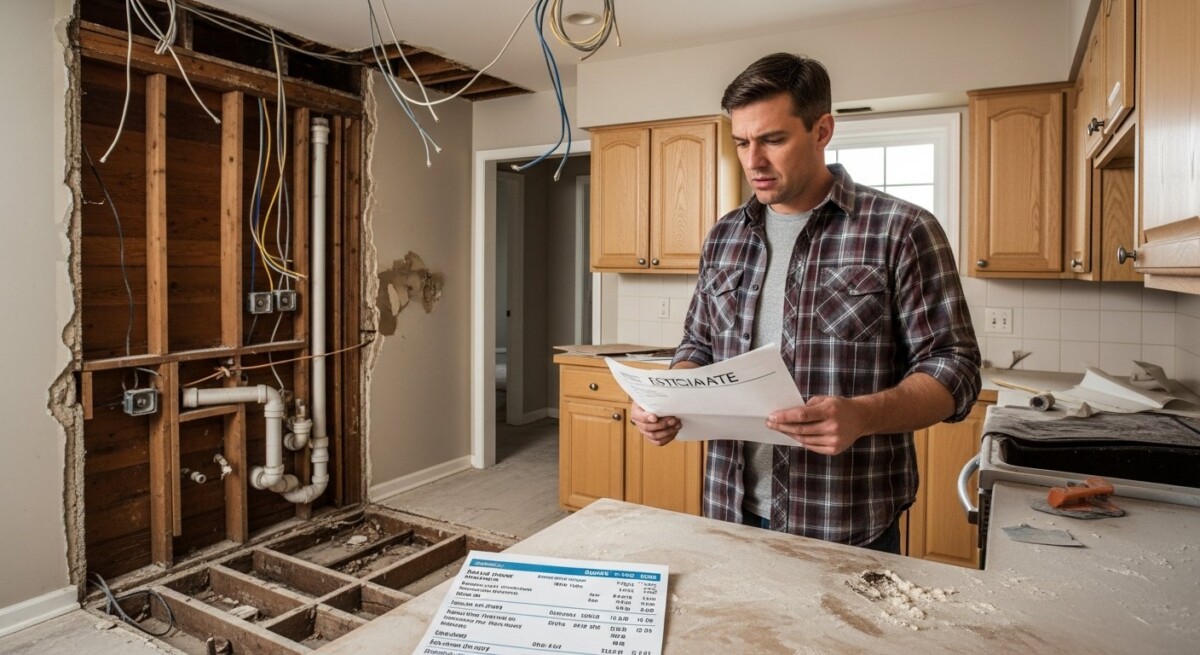
Homes built before 1980 often take longer because hidden issues , outdated wiring, asbestos, mold, or unlevel floors , are discovered during demolition. Older homes and large custom projects are the most likely to exceed initial estimates.
Typical Timelines by Project Type
To give you a clearer picture, here’s what most homeowners can expect for common projects when working with a professional contractor:
- Bathroom remodel (standard): 3,6 weeks
- Kitchen remodel (minor): 4,8 weeks
- Basement finishing: 6,12 weeks
- Room addition (single room): 10,16 weeks
- Whole-home renovation: 4,8 months
Kitchen remodel (full gut): 8,14 weeks
These are averages. Actual time depends on your home’s condition, the complexity of the design, and how quickly decisions are made.
Why This Matters for Your Home
Understanding how long home remodeling takes isn’t just about scheduling. It directly affects your budget, your stress level, and the safety of your home. A rushed project often leads to shoddy workmanship, missed details, or code violations that cost thousands to fix later.
Delays also carry hidden costs. Every extra week your kitchen is unusable means more money spent on takeout. Every month your basement is torn apart means lost living space and potential moisture issues if the subfloor is left exposed. And if you’re living in the home during the remodel, prolonged disruption can affect your family’s comfort and even your health if dust or debris isn’t managed properly.
Perhaps most importantly, a realistic timeline helps you avoid the trap of hiring an unlicensed handyman who promises a two-week turnaround but disappears halfway through. When you know what’s reasonable, you can spot red flags early.
If you’re already seeing signs that your remodel might be delayed , or if you’re still in the planning stage , it pays to talk to a professional. Request a free quote or call (855) 900-2020 to explore your repair or remodeling options.
Common Problems Homeowners Experience
Even with a solid plan, many homeowners run into the same frustrating issues that stretch out their timeline. One of the most common is underestimating the time needed for permits and inspections. In many cities, pulling a permit for structural work can take two to four weeks , and that’s before the first hammer swings.
Another frequent problem is material selection and availability. You fall in love with a specific tile or cabinet, only to learn it’s backordered for six weeks. Or you order custom windows without realizing the lead time is ten weeks. These delays stack up fast.
Hidden damage is the third major culprit. Once walls are opened, contractors often find rotted wood, outdated plumbing, or insufficient insulation. Fixing those issues is essential for safety and longevity, but it adds time and cost to the project.
- Permit delays due to incomplete drawings or city backlogs
- Material backorders or discontinued products mid-project
- Hidden water damage, mold, or pest infestations found during demo
- Outdated electrical or plumbing that must be brought to code
- Poor communication between homeowner and contractor
- Unrealistic DIY expectations or trying to act as your own general contractor
How Professionals Solve the Problem
Experienced contractors have built relationships with suppliers, inspectors, and subcontractors that help them navigate delays. They know which materials are in stock and which are risky to specify. They also have a realistic sense of how long home remodeling takes because they’ve done it hundreds of times.
Here’s how a typical professional remodel unfolds:
- Initial consultation and design: 1,2 weeks. The contractor visits your home, measures, discusses your goals, and provides a detailed scope of work. You also review material options and order long-lead items early.
- Permitting and planning: 2,4 weeks. The contractor pulls permits, finalizes drawings, and orders materials. This phase is critical and often overlooked by DIYers.
- Demo and rough-in: 1,3 weeks. Walls come down, and trades (plumbing, electrical, HVAC) complete the rough work. Inspections happen before anything is covered.
- Insulation, drywall, and finishes: 2,4 weeks. Walls are insulated, drywall is hung and taped, and painting begins.
- Final installation and trim: 1,3 weeks. Cabinets, countertops, flooring, fixtures, and trim are installed. Final inspections and punch list items are completed.
Professional work is safer and more reliable because contractors carry insurance, follow building codes, and warranty their work. If something goes wrong, you have recourse. With DIY, you’re on your own.
A professional inspection can reveal hidden issues before they become expensive repairs. Compare contractor quotes here or call (855) 900-2020 to discuss your project.
Warning Signs You Should Not Ignore
Your home often gives you clues that a remodel is needed , or that an existing project is heading off track. Recognizing these signs early can save you time, money, and frustration.
For example, if you’re planning a kitchen remodel and you notice water stains on the ceiling below, that’s a red flag. It could mean a slow leak that will only get worse once cabinets are removed. Similarly, if your contractor is vague about timelines or avoids giving you a written schedule, consider that a warning.
Pay attention to these signs that your remodel timeline may be at risk:
- Your contractor is difficult to reach or doesn’t return calls within 24 hours
- Materials you selected are suddenly “out of stock” and no replacement was discussed
- You’re asked to pay large sums upfront before any work begins
- Permits haven’t been pulled, or the contractor says permits aren’t needed (they usually are)
- You notice cracks in walls, uneven floors, or doors that stick , signs of structural movement
- Your project is already two weeks behind schedule with no clear explanation
What Affects the Cost of Repairs or Installation
Timeline and cost are closely linked. The longer a project takes, the more you may pay in labor, temporary housing, or storage fees. Understanding what drives costs helps you budget realistically and avoid surprises.
The size of the project is the biggest factor. A half-bath refresh costs far less than a full master suite addition. But within the same project type, the cost can vary widely based on material choices. Custom cabinetry, premium countertops, and high-end fixtures all add to both the price and the lead time.
Labor rates also vary by region and trade. In areas with high demand, skilled contractors charge more , but they also tend to finish faster because they have reliable crews. Accessibility matters too: a second-story addition requires scaffolding and more complex logistics than a ground-floor remodel.
- Project size and scope (square footage, number of rooms)
- Quality and availability of materials
- Labor rates in your area
- Accessibility of the work area (e.g., tight crawl spaces, upper floors)
- Age of the home and condition of existing systems
- Permit fees and inspection costs
Costs can vary depending on the condition of your home. The best way to know the price is to get a personalized estimate. Request free quotes from contractors or call (855) 900-2020 today.
How to Choose the Right Contractor
Your choice of contractor is the single biggest factor in whether your remodel finishes on time and on budget. A great contractor communicates clearly, manages the schedule proactively, and handles problems without drama. A bad one can turn a six-week project into a six-month nightmare.
Start by asking friends and neighbors for referrals. Then check online reviews on Google, Yelp, and the Better Business Bureau. Look for contractors who have experience with projects similar to yours and who are licensed and insured in your state.
Always get at least three written estimates. The lowest bid isn’t always the best , it may mean the contractor is cutting corners or doesn’t fully understand the scope. Compare not just the price but the timeline, materials specified, and warranty offered.
- Verify license and insurance (general liability and workers’ compensation)
- Read recent customer reviews and ask for references
- Request a detailed written estimate that breaks down labor, materials, and timeline
- Get at least three quotes and compare them side by side
- Ask about their experience with your specific project type (e.g., historic homes, kitchen remodels)
Long-Term Benefits of Professional Work
Investing in a professional remodel isn’t just about getting the job done , it’s about getting it done right, so you can enjoy your home for years to come. A well-executed remodel improves safety, especially if outdated wiring, plumbing, or structural issues are addressed.
Quality work also enhances energy efficiency. New windows, better insulation, and modern HVAC systems reduce your utility bills and make your home more comfortable year-round. And when it’s time to sell, a professionally remodeled home typically commands a higher resale price.
Finally, professional work reduces future maintenance. Cheap materials and rushed installation lead to callbacks, repairs, and eventually a full redo. Spending a little more upfront on skilled labor and quality materials saves you money and hassle in the long run.
Frequently Asked Questions
How long does a kitchen remodel take on average?
A minor kitchen remodel (refacing cabinets, new countertops, painting) typically takes 4 to 6 weeks. A full gut renovation with new cabinets, appliances, flooring, and layout changes usually takes 8 to 14 weeks. Factors like custom cabinetry, structural changes, and permit delays can extend that timeline.
How long does a bathroom remodel take?
A standard bathroom remodel , replacing the vanity, toilet, tub, tile, and fixtures , takes about 3 to 6 weeks. If you’re moving plumbing or adding a shower where there wasn’t one, expect 6 to 8 weeks. A simple powder room refresh can be done in 2 to 3 weeks.
Why is my remodeling project taking longer than expected?
The most common reasons are material delays, hidden damage found during demolition, slow permit approvals, and miscommunication between the homeowner and contractor. Weather can also affect exterior projects. A good contractor will update you weekly and explain any schedule changes.
Can I live in my home during a remodel?
Yes, but it depends on the scope. For a single-room remodel like a bathroom, you can usually stay in the home. For a whole-house renovation or a kitchen remodel, living on-site can be challenging due to dust, noise, and lack of kitchen access. Many homeowners choose to stay elsewhere for the duration of major projects.
How can I speed up my remodeling timeline?
Make decisions early and stick to them. Order long-lead items like windows, cabinets, and fixtures before demolition begins. Choose materials that are in stock. Communicate clearly with your contractor and respond quickly to questions. And most importantly, hire an experienced professional who can manage the schedule effectively.
Do I need a permit for a home remodel?
In most municipalities, permits are required for structural changes, electrical work, plumbing, HVAC modifications, and additions. Even cosmetic remodels may require permits if you’re changing the layout. A licensed contractor will handle the permit process for you. Skipping permits can lead to fines and problems when selling your home.
How much does it cost to remodel a kitchen?
Costs vary widely by location, materials, and scope. A minor kitchen remodel averages $15,000,$25,000, while a full gut renovation often ranges from $30,000 to $60,000 or more. High-end kitchens with custom cabinetry and premium appliances can exceed $100,000. The best way to know is to get multiple quotes.
What should I look for in a remodeling contract?
A good contract includes a detailed scope of work, a payment schedule tied to milestones, a start and completion date, a materials list with brands and models, and a warranty on labor. It should also outline how change orders (additions or changes to the original plan) will be handled. Never sign a contract that leaves major details blank.
Every home has its own story and its own timeline. The key to a successful remodel is understanding how long home remodeling takes for your specific project , and then working with professionals who can deliver on that promise. Don’t let uncertainty keep you from creating the home you deserve. Start by comparing contractor quotes today so you can move forward with confidence.