How to Plan a Home Remodeling Project: A Step-by-Step Guide

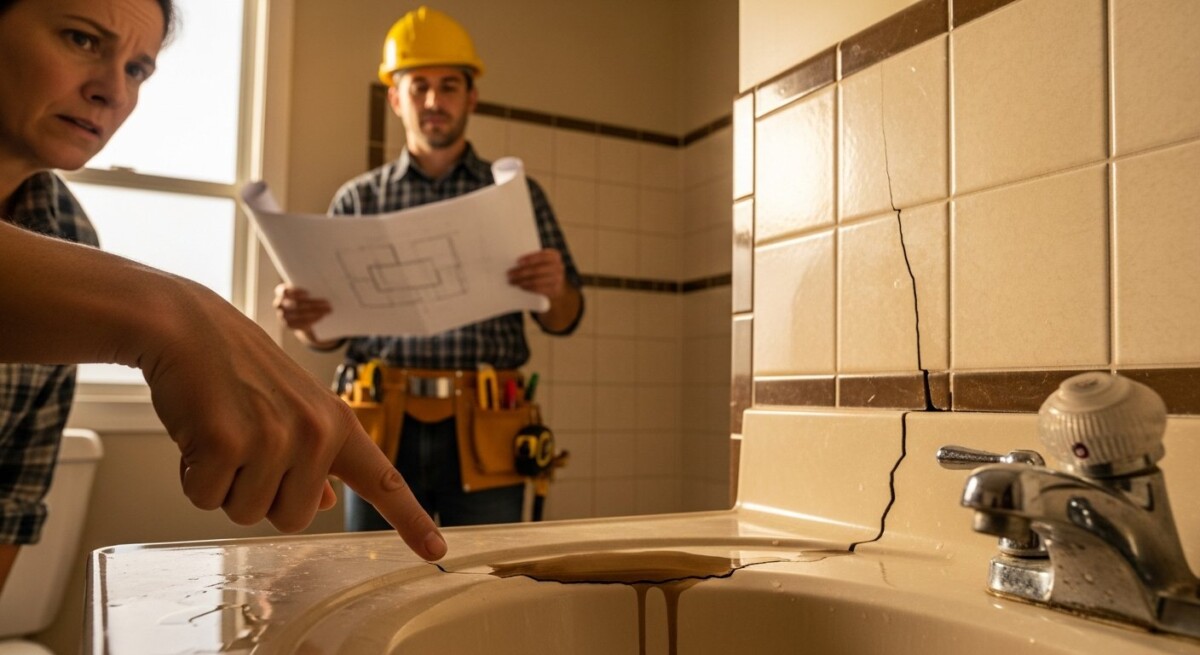
You walk into your kitchen one morning and notice a small crack in the tile. A few weeks later, the cabinet door won’t close properly. Then the faucet starts leaking. Before you know it, that one small issue has turned into a list of repairs that feels overwhelming. This is how most homeowners discover the need for a remodeling project,not all at once, but piece by piece. If you are wondering how to plan a home remodeling project, you are not alone. Many homeowners struggle to know where to start, what to prioritize, and how to avoid costly mistakes. The good news is that with a clear plan, you can turn a stressful renovation into a rewarding upgrade that improves your home’s comfort, safety, and value.
Understanding How to Plan a Home Remodeling Project
Planning a home remodeling project means breaking down a large job into manageable steps. It involves setting a budget, deciding on the scope of work, choosing materials, hiring the right professionals, and creating a realistic timeline. Without a plan, homeowners often face delays, budget overruns, and unfinished work.
Most remodeling projects start because a room feels outdated, a system fails, or the family needs more space. Older homes, especially those built before 2000, often require updates to meet modern standards for energy efficiency and safety. Even newer homes can benefit from remodeling when layouts no longer fit how you live.
The key is to start with a clear vision and a realistic budget. In our guide on home remodeling cost, we explain how to estimate expenses and avoid common financial pitfalls.
Why This Matters for Your Home
Ignoring the need for a remodel can lead to serious problems. A small roof leak can rot the wood underneath, causing structural damage that costs thousands to repair. Outdated electrical systems can create fire hazards. An inefficient HVAC system can double your energy bills month after month.
Your home is likely your largest investment. Regular updates and thoughtful remodeling protect that investment. They keep your home safe, comfortable, and functional. They also make your home more attractive to future buyers if you ever decide to sell.
If you notice signs of this issue in your home, it may help to speak with a qualified contractor. Request a free quote or call to explore your repair or remodeling options.
Common Problems Homeowners Experience
Homeowners face a wide range of challenges when planning a remodel. Some struggle with outdated layouts that waste space. Others deal with worn-out finishes that make their home feel tired and uninviting. Many discover hidden problems like mold, termites, or faulty wiring once walls are opened.
These issues often appear in homes that have not been updated in ten years or more. But even newer homes can have problems if the original construction was rushed or materials were cheap.
- Outdated kitchens and bathrooms that reduce home value
- Poor floor plans that make daily living difficult
- Worn flooring, countertops, or cabinets
- Inefficient windows and doors that cause drafts
- Old plumbing or electrical systems that need replacement
- Lack of storage or functional living space
How Professionals Solve the Problem
Experienced contractors bring knowledge, tools, and efficiency to any remodeling project. They know how to spot hidden problems early, order the right materials, and coordinate different trades like plumbers and electricians. Professional work often comes with warranties that protect you if something goes wrong.
Here is how a typical remodeling project is handled by a professional team:
- Consultation and assessment: The contractor visits your home, listens to your goals, and inspects the area to identify any underlying issues.
- Design and planning: Together, you create a detailed plan that includes layout, materials, and finishes. The contractor provides a written estimate and timeline.
- Permits and approvals: The contractor handles the necessary permits so your project meets local building codes.
- Demolition and preparation: The old materials are removed safely, and the space is prepared for new work.
- Installation and construction: Skilled trades complete the work in the correct order, from rough-in plumbing and electrical to final finishes.
- Final inspection and cleanup: The job site is cleaned, and you walk through the completed space to ensure everything meets your expectations.
A professional inspection can reveal hidden issues before they become expensive repairs. Compare contractor quotes here or call to discuss your project.
Warning Signs You Should Not Ignore
Some problems are obvious, like a leaking roof or a cracked foundation. Others are subtle. Paying attention to early warning signs can save you thousands of dollars and prevent major disruptions to your daily life.
If you notice any of the following, it is time to start planning a remodel:
- Water stains on ceilings or walls
- Peeling paint or wallpaper
- Musty odors that suggest mold or mildew
- Drafty rooms or high energy bills
- Doors or windows that stick or won’t close
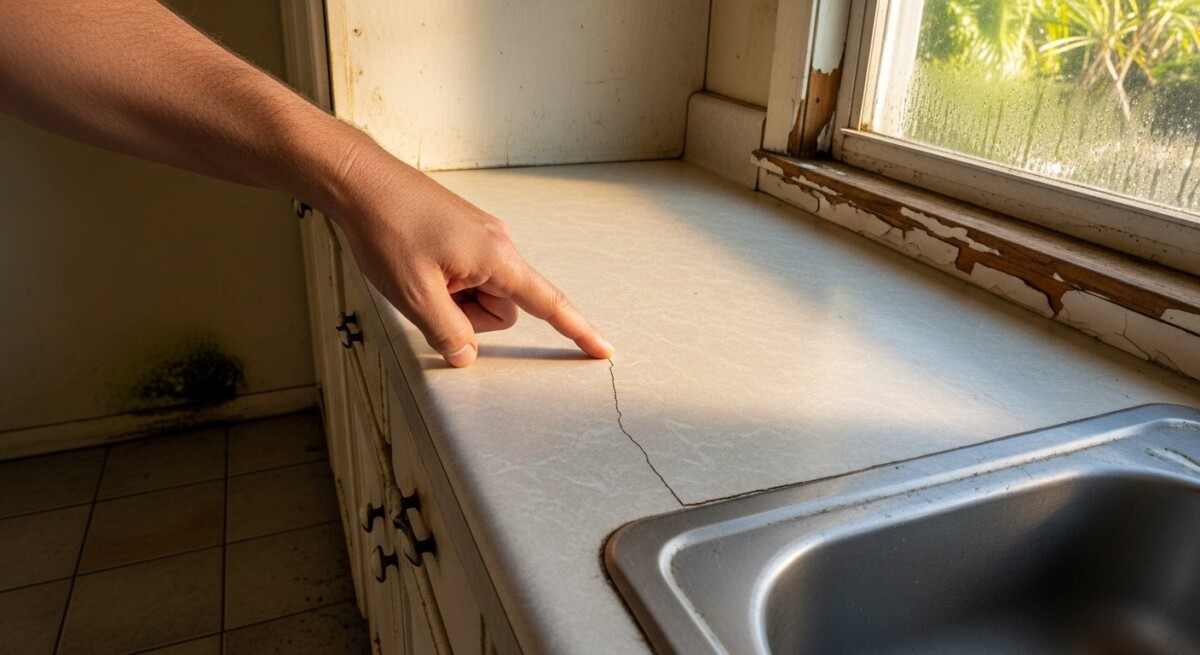
- Cracks in tile, drywall, or foundation
Taking action early gives you more control over the project. You can plan around your schedule and budget instead of rushing into an emergency repair.
What Affects the Cost of Repairs or Installation
Several factors influence the final cost of a remodeling project. The size of the space matters most,a full kitchen remodel costs more than a bathroom update. The materials you choose also affect the price. Custom cabinets, natural stone countertops, and premium flooring cost more than stock options.
Labor costs depend on the complexity of the work and your location. Projects that require structural changes, moving plumbing or electrical lines, or removing old materials like asbestos will cost more. The age of your home can also add to the expense, as older homes often have outdated systems that need upgrading to meet current codes.
Costs can vary depending on the condition of your home. The best way to know the price is to get a personalized estimate. Request free quotes from contractors or call today.
How to Choose the Right Contractor
Selecting the right contractor is one of the most important decisions you will make during your remodeling project. A good contractor communicates clearly, shows up on time, and delivers quality work. A bad one can turn your dream renovation into a nightmare.
Take your time when choosing. Do not hire the first contractor you meet. Instead, interview at least three candidates and compare their proposals. Look for someone who listens to your concerns and offers practical solutions.
- Verify that the contractor is licensed and insured in your state
- Read online reviews and ask for references from recent clients
- Request detailed written estimates that break down materials, labor, and timeline
- Compare at least three quotes to understand the market rate for your project
- Confirm the contractor has experience with projects similar to yours
For a complete overview of what to expect, read our guide on full home remodeling services.
Long-Term Benefits of Professional Work
Professional remodeling is an investment that pays off in many ways. Your home becomes safer when old wiring, plumbing, and structural issues are addressed. It becomes more comfortable with better insulation, efficient windows, and updated HVAC systems.
Energy-efficient upgrades reduce your monthly utility bills. Smart design choices make daily tasks easier and more enjoyable. And when it comes time to sell, a well-planned remodel can increase your home’s resale value by a significant amount.
Perhaps the greatest benefit is peace of mind. Knowing that the work was done correctly, with proper permits and quality materials, means fewer surprises down the road. Understanding your home remodeling timeline can help you set realistic expectations and reduce stress.
How long does a typical home remodel take?
A small bathroom remodel usually takes two to three weeks. A kitchen remodel can take four to eight weeks. A whole-home renovation may take three to six months or more, depending on the scope of work.
Can I live in my home during a remodel?
It depends on the project. Minor updates like painting or flooring can be done while you stay home. Major renovations that affect the kitchen, bathroom, or HVAC system may require you to relocate temporarily.
Do I need a permit for my remodel?
Most structural, electrical, plumbing, and mechanical work requires a permit. Your contractor should handle the permit process. Skipping permits can lead to fines and problems when selling your home.
How do I create a remodeling budget?
Start by listing every item you want to change. Research average costs for materials and labor in your area. Add a 10 to 20 percent contingency fund for unexpected issues. Then get quotes from contractors to refine your numbers.
What is the best way to finance a home remodel?
Options include home equity loans, personal loans, credit cards, or cash savings. Some contractors offer financing plans. Compare interest rates and terms before choosing.
Should I remodel before selling my home?
Often yes, but focus on high-return projects like kitchen updates, bathroom remodels, and curb appeal improvements. Avoid over-personalizing finishes. A real estate agent can advise you on the best upgrades for your market.
How do I avoid remodeling mistakes?
Plan thoroughly, set a realistic budget, hire licensed professionals, and get everything in writing. Do not start construction without a clear contract that includes scope, timeline, and payment schedule.
What should I look for in a remodeling contract?
A good contract includes a detailed description of the work, material specifications, start and completion dates, payment terms, warranty information, and a process for handling changes.
Remodeling your home is a big decision, but with the right plan and the right team, it can be a smooth and rewarding experience. Start by defining your goals and your budget. Then reach out to qualified contractors for quotes. Comparing estimates gives you a clear picture of what is possible and helps you make an informed choice. Whether you are updating a single room or renovating your entire home, taking the first step today will bring you closer to the home you have always wanted.