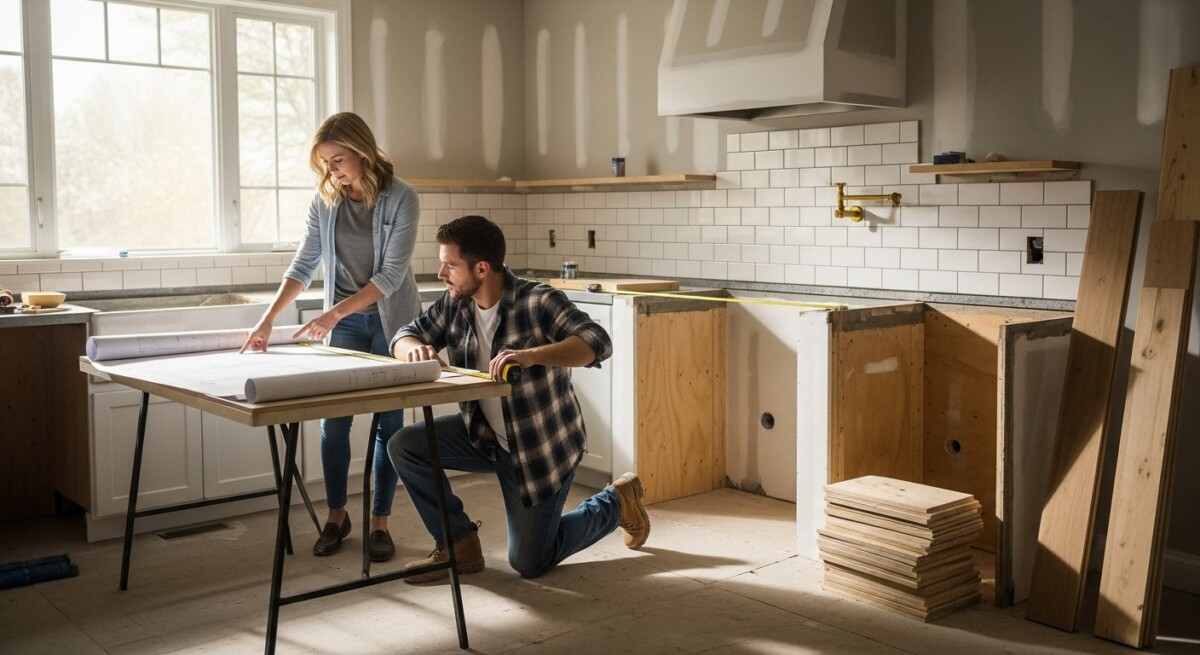
Full Home Remodeling Services: A Complete Guide for Homeowners
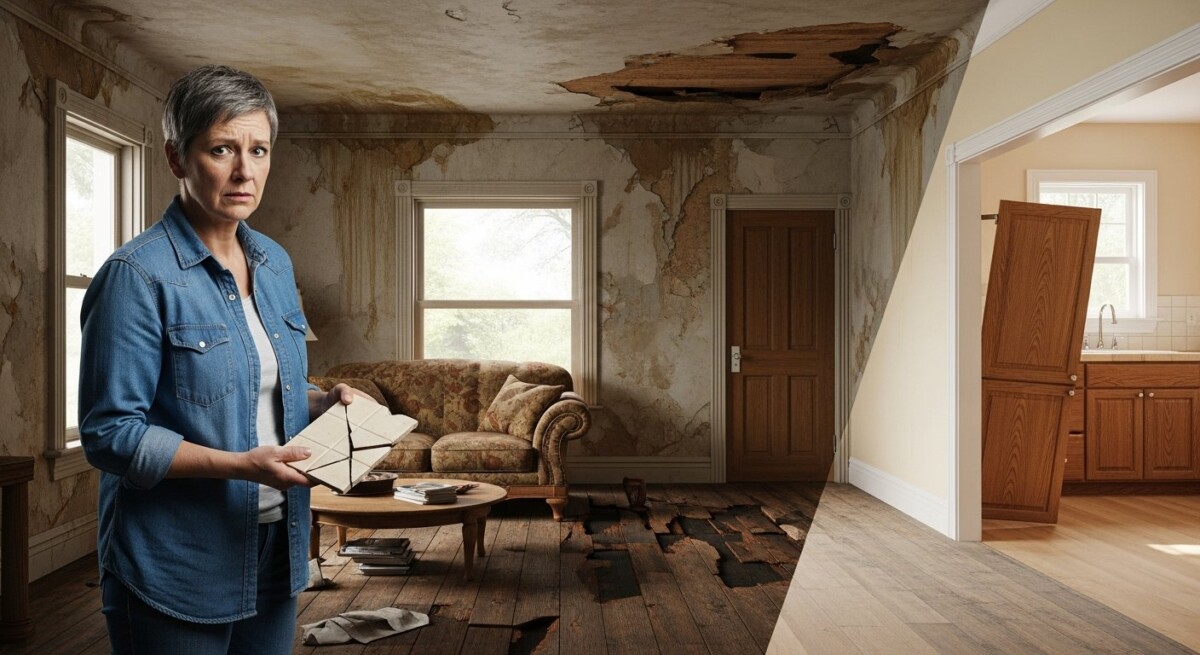
You walk into your living room and notice the paint is peeling near the ceiling. The kitchen cabinets are stuck, the bathroom tiles are cracked, and the floors are starting to warp. These small annoyances have been piling up for months, and now you wonder just how much work your whole house really needs. If this sounds familiar, you are likely considering full home remodeling services , a complete overhaul that fixes everything at once instead of patching one room at a time. Ignoring these issues can turn minor wear into major structural damage, costing you thousands more down the road.
Understanding Full Home Remodeling Services
Full home remodeling services cover the entire interior and sometimes exterior of your house. Instead of just updating one bathroom or repainting a single bedroom, a full remodel tackles the whole property , from flooring to fixtures, walls to windows. This approach is ideal for homeowners who want a cohesive design, improved functionality, and a fresh start without moving.
Why do homeowners choose a full remodel? Often because their home has aged significantly, or they purchased a fixer-upper. Older homes may have outdated electrical systems, inefficient insulation, or layouts that no longer fit modern living. Homes built 20 to 30 years ago are especially prone to needing updates, but any house can benefit from a complete refresh if maintenance has been neglected.
Why This Matters for Your Home
A full home remodel is not just about aesthetics , it protects your most valuable asset. When you address problems like leaky pipes, old wiring, or failing foundations all at once, you prevent small issues from turning into emergencies. Water damage, for instance, can spread silently behind walls, leading to mold and rot that compromise your family’s health and your home’s structure.
Safety is another critical reason. Outdated electrical panels, loose railings, or worn-out roofing can create hazards that put everyone at risk. By remodeling comprehensively, you bring your home up to current codes and standards. And from a comfort standpoint, a remodel allows you to improve heating, cooling, and insulation , making your home more enjoyable year-round.
Delaying a full remodel often backfires financially. A small leak today might only cost a few hundred dollars to fix, but after months of neglect, it can require entire wall replacements and mold remediation. The longer you wait, the more you pay. For a deeper look at what different projects typically cost, see our Home Remodeling Cost guide.
If you notice signs of this issue in your home, it may help to speak with a qualified contractor. Request a free quote or call to explore your repair or remodeling options.
Common Problems Homeowners Experience
Most homeowners begin noticing problems one room at a time. The kitchen counter is cracked, the bathroom vanity is peeling, and the bedroom carpet smells musty. These are often symptoms of a larger issue , aging materials, hidden moisture, or poor initial construction. Over time, these problems spread and compound.
Here are some of the most common issues that lead homeowners to seek full home remodeling services:
- Outdated or failing finishes , peeling paint, stained carpets, cracked tiles, and worn countertops.
- Poor energy efficiency , drafty windows, insufficient insulation, and high utility bills.
- Structural concerns , sagging floors, cracks in walls or ceilings, and doors that stick.
- Plumbing and electrical problems , frequent clogs, low water pressure, flickering lights, or outdated panels.
- Mold and water damage , musty odors, dark spots on walls, or soft spots in floors.
- Inefficient layouts , cramped rooms, poor traffic flow, or lack of storage space.
How Professionals Solve the Problem
Experienced contractors approach a full home remodel in phases. First, they perform a thorough inspection to identify all issues , visible and hidden. Then they create a detailed plan that covers demolition, structural repairs, mechanical upgrades, and finishing work. This systematic approach ensures nothing is overlooked.
The typical process follows these steps:
- Assessment and planning , Professionals evaluate your home’s condition, measure spaces, and discuss your goals.
- Demolition and removal , Old materials, fixtures, and debris are safely removed to expose the underlying structure.
- Structural and systems work , Repairs to framing, plumbing, electrical, and HVAC are completed to meet current codes.
- Installation of new materials , New drywall, flooring, cabinetry, countertops, and fixtures are installed.
- Finishing touches , Painting, trim work, lighting, and final inspections ensure everything works perfectly.
Professional work is almost always safer and more reliable than DIY attempts. A contractor carries insurance, has access to specialized tools, and knows how to handle unexpected problems , like finding rot behind a shower wall. Trying to do it yourself can lead to costly mistakes, safety hazards, and a project that drags on for months. If you are planning a large project, our Realistic Guide to Your Home Remodeling Timeline can help you set realistic expectations.
A professional inspection can reveal hidden issues before they become expensive repairs. Compare contractor quotes here or call to discuss your project.
Warning Signs You Should Not Ignore
Some problems are obvious, but others are subtle. Learning to recognize early warning signs can save you thousands of dollars. If you spot any of these indicators, it is time to start planning a full home remodel , before the damage spreads.
- Water stains on ceilings or walls , even small spots can indicate a slow leak that will worsen.
- Persistent musty odors , often a sign of mold or mildew behind walls or under floors.
- Cracks in foundation or walls , hairline cracks can widen over time, compromising structural integrity.
- Doors or windows that stick or won’t close properly , suggests shifting foundations or swelling frames.
- Frequent circuit breaker trips , indicates an overloaded or outdated electrical system.
- Peeling wallpaper or paint , may point to moisture problems or poor surface preparation.
- Uneven or bouncy floors , could mean joist damage or termite activity.
Addressing these signs early with a full remodel allows you to fix the root cause rather than just covering it up. For instance, repainting a water-stained ceiling without finding the leak only guarantees the stain will return , now with more damage.
What Affects the Cost of Repairs or Installation
The price of a full home remodel varies widely depending on several factors. Understanding these can help you budget realistically and avoid surprises. The size of your home is the most obvious factor , a 1,500-square-foot house costs less to remodel than a 3,000-square-foot home. But beyond square footage, the condition of your existing structure matters greatly.
Here are the main cost drivers:
- Scope of work , Are you updating finishes only, or replacing systems like plumbing and electrical?
- Materials , Luxury finishes like quartz countertops and hardwood floors cost more than laminate and vinyl.
- Labor , Skilled trades such as electricians and plumbers charge higher rates, especially in urban areas.
- Accessibility , Homes with tight crawl spaces, steep roofs, or limited driveway access may require extra labor.
- Age of home , Older homes often contain hazardous materials like lead paint or asbestos, which require special removal.
- Permits and inspections , Local building departments charge fees, and some areas require multiple inspections.
Because every home is different, the only way to know your exact cost is to get personalized estimates. For budget-friendly options, check out our article on Affordable Home Remodeling Services for Smart Upgrades.
Costs can vary depending on the condition of your home. The best way to know the price is to get a personalized estimate. Request free quotes from contractors or call today.
How to Choose the Right Contractor
Finding a trustworthy contractor is one of the most important steps in a full home remodel. The right professional will communicate clearly, stick to a timeline, and deliver quality work. The wrong one can turn your dream renovation into a nightmare. Start by asking friends and neighbors for recommendations, then expand your search online.
Here are five tips to help you choose wisely:
- Check licenses and insurance , Verify that the contractor is licensed in your state and carries liability insurance and workers’ compensation.
- Read customer reviews , Look for patterns in reviews, not just star ratings. Pay attention to comments about communication, timeliness, and problem-solving.
- Ask for detailed estimates , A good estimate breaks down labor, materials, permits, and timeline. Avoid vague quotes that lump everything together.
- Compare multiple quotes , Get at least three estimates to understand the market rate and identify outliers. The cheapest option is not always the best.
- Confirm experience with similar projects , Ask for photos of completed full home remodels, not just kitchen or bathroom jobs.
Long-Term Benefits of Professional Work
Investing in professional full home remodeling services pays off for years to come. First, you gain peace of mind knowing that every system in your home , from the roof to the foundation , has been inspected and brought up to standard. This reduces the likelihood of emergency repairs and unexpected expenses.
Energy efficiency is another major benefit. New windows, better insulation, and modern HVAC systems can cut your utility bills by 20,30 percent. Over time, these savings help offset the cost of the remodel. Additionally, a fully remodeled home is more comfortable , no more drafty rooms or uneven temperatures.
Finally, a comprehensive remodel significantly increases your home’s resale value. Buyers are willing to pay a premium for a move-in-ready home that doesn’t require immediate work. Even if you plan to stay for many years, knowing your home is in top condition is a rewarding feeling. Professional work also comes with warranties, so if something goes wrong, you are covered.
What is the difference between a full remodel and a renovation?
A renovation typically focuses on updating or repairing existing finishes , like painting, replacing countertops, or installing new flooring. A full remodel goes deeper, often involving structural changes, moving walls, and replacing major systems like plumbing and electrical. Remodeling transforms the function and layout of your home, while renovation refreshes its appearance.
How long does a full home remodel usually take?
For a typical single-family home, a full remodel can take anywhere from 3 to 6 months. Larger homes or projects that involve extensive structural work may take 8 to 12 months. The timeline depends on the scope of work, availability of materials, and contractor scheduling. Delays can occur if hidden problems , like mold or termite damage , are discovered during demolition.
Do I need to move out during a full home remodel?
In most cases, yes. A full remodel often involves dust, noise, and limited access to kitchens, bathrooms, and bedrooms. Living in the home during construction can be stressful and even unsafe. Many homeowners choose to rent a temporary apartment or stay with family for 2,4 months. Some contractors offer phased remodeling that allows you to stay in part of the home, but this usually extends the timeline.
Can I finance a full home remodel?
Yes. Many homeowners use home equity loans, personal loans, or specialized remodeling loans to fund their projects. Some contractors also offer financing options through third-party lenders. It is wise to compare interest rates and terms before committing. Be sure to get your financing in place before signing a contract so you know your budget upfront.
How do I know if my home needs a full remodel or just a few repairs?
A professional inspection is the best way to find out. If you have multiple issues across different rooms , like a leaking roof, outdated electrical, and failing plumbing , a full remodel may be more cost-effective than fixing each problem individually. A contractor can assess your home and help you decide whether a comprehensive approach or targeted repairs make more sense.
What should I look for in a remodeling contract?
A good contract should include a detailed scope of work, a payment schedule, start and completion dates, a list of materials, and warranty information. It should also specify how change orders (unexpected additions or changes) will be handled. Never sign a contract that is missing these details, and always read the fine print before committing.
Will a full remodel increase my property taxes?
Possibly. In many areas, significant home improvements that increase your home’s assessed value can lead to higher property taxes. However, the increase varies by location and the scope of the remodel. Check with your local tax assessor’s office to understand how your project might affect taxes. Some energy-efficient upgrades may qualify for tax credits that offset increases.
How much should I budget for unexpected costs?
Industry experts recommend setting aside 10,20 percent of your total budget for unexpected expenses. Hidden problems like mold, outdated wiring, or termite damage are common in older homes. Having a contingency fund ensures you won’t have to stop work mid-project if something unexpected comes up. Your contractor may uncover issues during demolition that require immediate attention.
A full home remodel is a big decision, but it is one of the smartest investments you can make in your property. By addressing problems early and hiring qualified professionals, you protect your home, improve your quality of life, and increase your home’s value. The best way to start is by comparing quotes from multiple contractors to understand your options and find a team you trust.