How to Budget Home Renovation: A Practical Guide for Homeowners
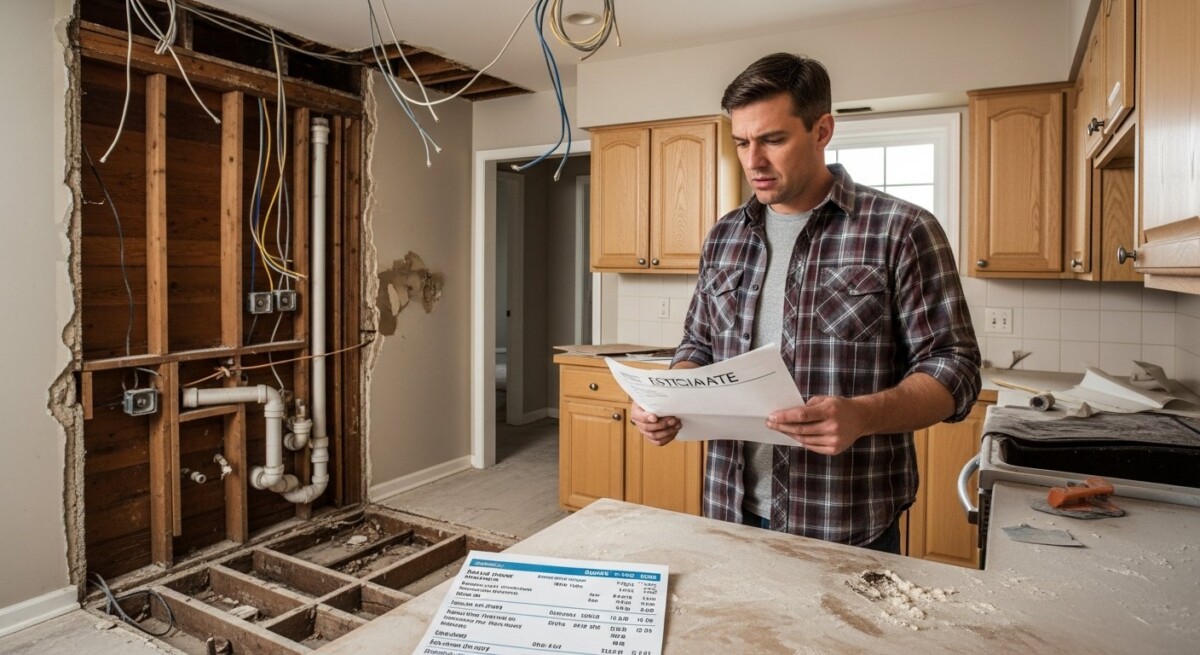
You finally saved enough to update your kitchen, but halfway through the demo, you realize the plumbing is outdated, the subfloor is rotted, and your budget is already blown. This scenario is all too common. Many homeowners start a renovation with a rough number in mind, only to discover hidden problems that drain their savings. Learning how to budget home renovation properly isn’t just about picking finishes,it is about protecting your finances and your home.
Understanding How to Budget Home Renovation
Budgeting for a home renovation means planning for every cost involved in updating or repairing your space. It goes beyond the price of materials and includes labor, permits, unexpected repairs, and a contingency fund. Without a clear budget, small projects can quickly spiral into financial stress.
Renovation costs vary widely based on your home’s age, condition, and location. Older homes often hide outdated wiring, asbestos, or water damage behind walls. Even newer homes can have unexpected issues like poor insulation or improper installations. The key is to prepare for surprises before they happen.
The 10,20% Rule for Contingency Funds
A common rule among contractors is to set aside 10,20% of your total budget for unforeseen expenses. If your renovation costs $30,000, plan for an extra $3,000 to $6,000. This buffer can cover structural repairs, permit delays, or material price increases without forcing you to pause the project.
Why This Matters for Your Home
Ignoring a proper budget can lead to incomplete projects, low-quality materials, and safety risks. When you run out of money mid-renovation, you might be tempted to cut corners on electrical work or plumbing. These shortcuts can cause fires, leaks, or mold growth that cost far more to fix later.
Your home’s value also depends on the quality of your renovation. A poorly planned budget often results in mismatched finishes or half-finished rooms. Future buyers will notice, and you may struggle to recoup your investment. On the other hand, a well-budgeted renovation can increase your home’s resale value by 10,15%.
If you notice signs of this issue in your home, it may help to speak with a qualified contractor. Request a free quote or call to explore your repair or remodeling options.
Common Problems Homeowners Experience
Many homeowners underestimate the cost of labor and materials. They also forget to budget for permits, dumpster rentals, and temporary housing if the renovation makes the home unlivable. These oversights can add thousands to the final bill.
Another common issue is changing your mind mid-project. You might decide to upgrade countertops or add a skylight after work has started. While these changes improve the final result, they also increase costs and timelines. Without a flexible budget, these upgrades become impossible.
- Underestimating material costs due to price fluctuations
- Discovering structural damage like rot or termite damage
- Running out of funds before finishing critical systems
- Choosing cheap materials that wear out quickly
- Paying for change orders that were not planned
- Failing to account for permits and inspection fees
How Professionals Solve the Problem
Experienced contractors start every project with a detailed scope of work and a line-item estimate. They know what materials cost in your area and can spot potential issues during the initial inspection. This reduces the chance of surprise expenses.
A professional process typically follows these steps:
- Initial consultation and walk-through , The contractor evaluates your home and discusses your goals.
- Detailed estimate , You receive a written breakdown of labor, materials, permits, and timeline.
- Pre-construction planning , The contractor orders materials and schedules subcontractors.
- Project execution , Work proceeds with regular updates and progress payments.
- Final inspection and punch list , Any remaining issues are fixed before final payment.
Professional work also includes warranties and insurance. If something goes wrong, you are protected. DIY fixes often void these protections and can lead to costly mistakes. Our guide on budget home renovation ideas explains how to prioritize upgrades without overspending.
A professional inspection can reveal hidden issues before they become expensive repairs. Compare contractor quotes here or call to discuss your project.
Warning Signs You Should Not Ignore
Some problems are obvious, like a leaking roof or cracked foundation. Others are subtle, such as rising energy bills or musty odors. Paying attention to these signs early can save you thousands and prevent structural damage.
Delaying repairs often makes them worse. A small plumbing leak can rot subfloors and attract mold within weeks. Ignoring drafty windows can triple your heating costs over a single winter. Addressing issues promptly keeps your renovation budget under control.
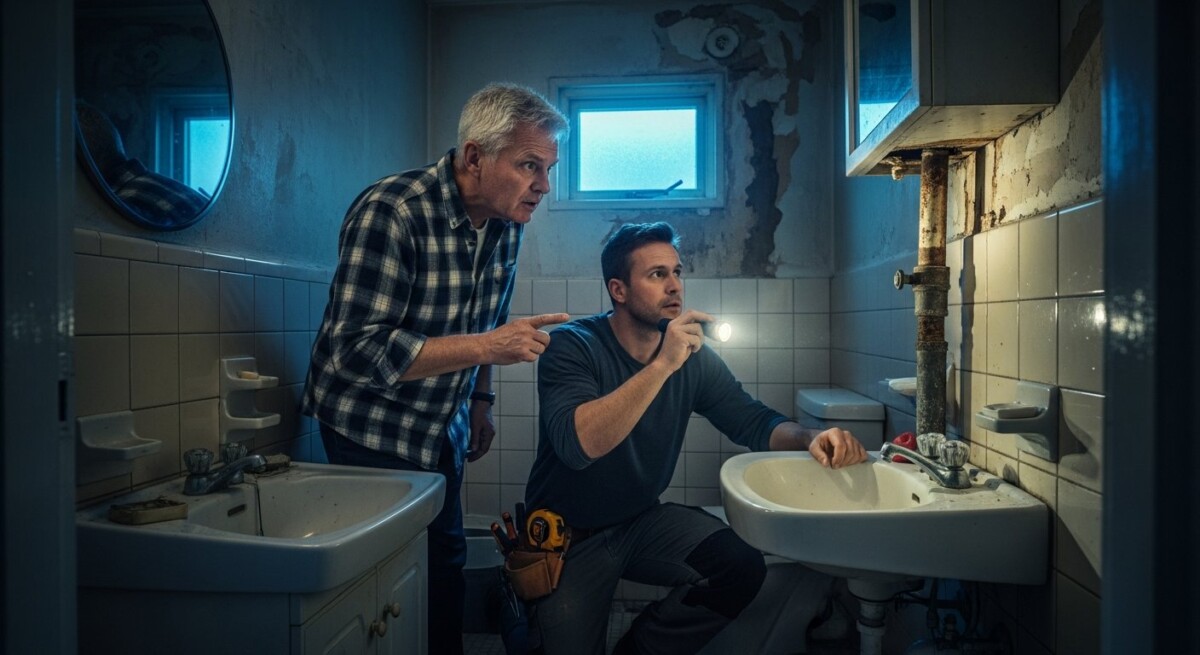
- Water stains on ceilings or walls
- Warped or squeaky floors
- Persistent musty smells or visible mold
- Higher utility bills without explanation
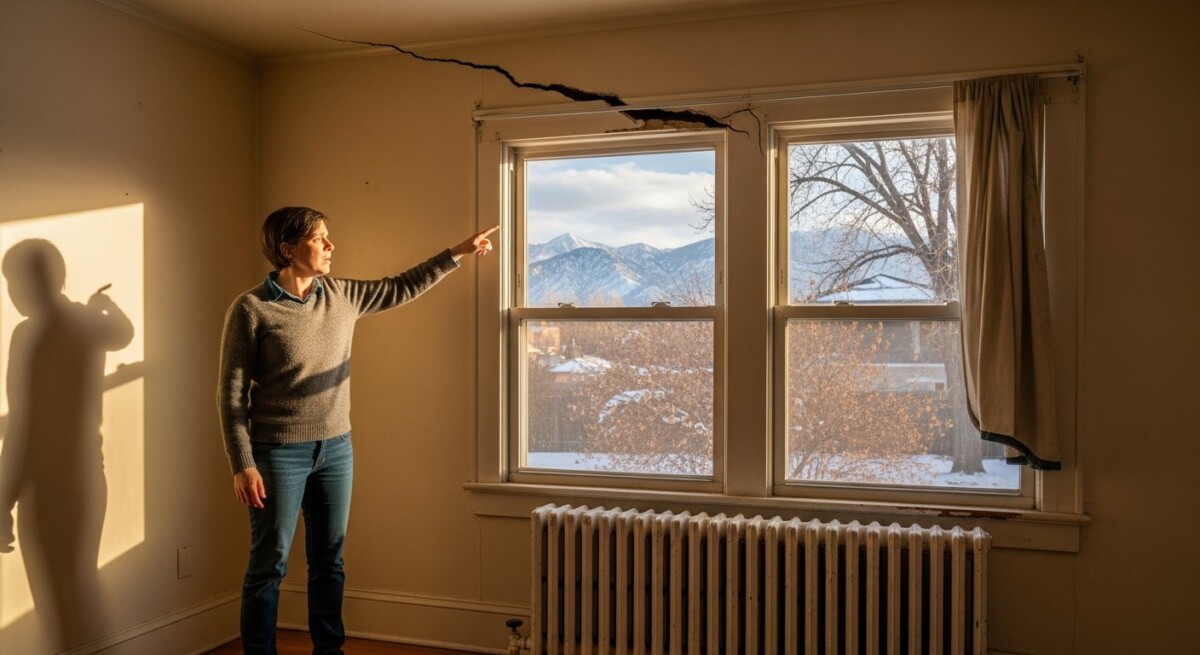
- Cracks in drywall or brickwork
- Doors or windows that stick or do not close properly
What Affects the Cost of Repairs or Installation
Several factors influence renovation costs, and understanding them helps you budget more accurately. The size of your project is the most obvious factor. A full kitchen remodel costs more than a bathroom refresh, but both can vary based on material choices.
Labor rates differ by region and trade. Electricians, plumbers, and structural contractors charge higher rates than painters or carpenters. Accessibility also matters,a bathroom on the third floor without an elevator costs more to renovate than a ground-floor room. Finally, the age of your home can increase costs if it contains outdated systems or hazardous materials like lead paint or asbestos.
Costs can vary depending on the condition of your home. The best way to know the price is to get a personalized estimate. Request free quotes from contractors or call today.
How to Choose the Right Contractor
Choosing the right contractor is as important as setting your budget. A reliable contractor provides accurate estimates, communicates clearly, and completes work on time. The wrong contractor can cause delays, cost overruns, and legal headaches.
Start by asking for recommendations from neighbors or local hardware stores. Then interview at least three contractors and compare their quotes. Do not automatically choose the lowest bid,sometimes a low price means cheap materials or rushed work. Instead, look for value and transparency.
- Verify licenses and insurance for your state
- Read online reviews on sites like Google and Yelp
- Ask for written estimates with itemized costs
- Request references from recent similar projects
- Confirm the contractor’s experience with your type of renovation
Long-Term Benefits of Professional Work
Hiring professionals may cost more upfront, but it pays off over time. Quality work lasts longer, requires fewer repairs, and improves energy efficiency. For example, properly installed insulation and windows can lower your energy bills by 20,30%.
Professional renovations also increase your home’s market value. A well-done kitchen or bathroom remodel can return 60,80% of its cost at resale. Additionally, professional contractors handle permits and inspections, ensuring your renovation meets local codes. This protects you from fines and liability if you sell the home later. Our homeowner’s guide to finding contractors near you provides tips for vetting professionals in your area.
Finally, professional work gives you peace of mind. You know the job is done right, with warranties backing the labor and materials. This reduces stress and lets you enjoy your renovated space sooner.
Frequently Asked Questions
What is the best way to budget for a home renovation?
Start by defining your project scope and getting at least three detailed quotes. Add a 10,20% contingency fund for unexpected issues. Track all expenses in a spreadsheet or budgeting app to stay on target.
How much should I save for a home renovation contingency?
Most experts recommend setting aside 10,20% of your total budget. For a $50,000 renovation, that means $5,000,$10,000 for surprises like hidden water damage or material price increases.
Can I renovate my home on a tight budget?
Yes, by focusing on high-impact areas like paint, lighting, and cabinet refacing instead of full replacements. Prioritize necessary repairs first, then cosmetic upgrades. Explore budget-friendly renovation ideas here.
What is the biggest mistake homeowners make when budgeting?
Underestimating labor costs and forgetting permits. Many homeowners focus on materials and ignore the cost of skilled tradespeople, which can account for 40,60% of the total project cost.
Do I need a contractor for a small renovation?
If the project involves plumbing, electrical, or structural changes, yes. Even small mistakes can lead to costly damage. A contractor ensures the work is safe and up to code.
How do I compare contractor quotes fairly?
Make sure each quote includes the same scope of work, materials, and timeline. Ask for itemized estimates so you can compare labor vs. material costs. This helps you choose the best value, not just the lowest price.
Will a renovation increase my property taxes?
Major renovations that add square footage or increase your home’s assessed value may raise property taxes. Check with your local tax assessor before starting to understand potential increases.
How long does a typical home renovation take?
Small projects like bathroom updates take 2,4 weeks. Full kitchen or basement remodels can take 6,12 weeks. Delays from permits, material orders, or unexpected repairs are common, so plan for extra time.
Budgeting for a home renovation does not have to be overwhelming. Start by understanding your home’s condition, setting a realistic budget with a contingency fund, and working with trusted professionals who provide clear estimates. The sooner you address potential issues, the more control you have over costs and outcomes. If you live in Miami, our practical renovation guide offers local insights. Compare contractor quotes before starting your project to ensure you get quality work at a fair price.