Home Renovation in Miami: A Practical Guide for Homeowners
You love your Miami home, but lately, you’ve noticed things aren’t quite right. The bathroom tiles are cracked and damp, the kitchen feels cramped for your growing family, or maybe the relentless South Florida humidity is making your home feel less comfortable than it should. You might be putting off dealing with it, thinking it’s just cosmetic or too expensive to tackle right now. However, in our unique climate, what starts as a small issue,like a minor leak or outdated wiring,can quickly escalate into serious water damage, mold growth, or safety hazards, costing you far more down the line.
Understanding Home Renovation in Miami Florida
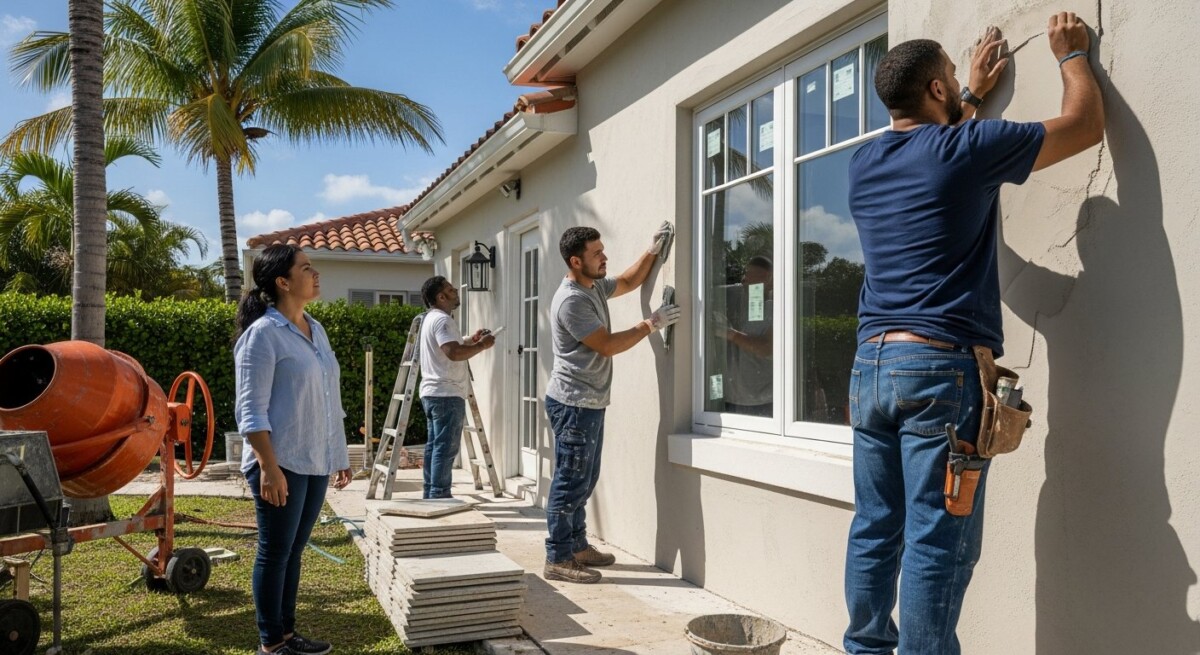
Home renovation in Miami is more than just a cosmetic update. It’s the process of restoring, updating, and improving your existing home to meet your current needs, enhance its functionality, and protect it from our specific environmental challenges. This can range from repairing storm-damaged siding to a full kitchen overhaul or adding impact-resistant windows.
Renovations here are often driven by necessity as much as desire. The combination of salt air, intense sun, heavy rainfall, and high humidity creates a harsh environment for any structure. Materials wear out faster, and building codes are stringent for good reason,to protect homes from hurricanes and flooding.
While any home can benefit from updates, older homes in neighborhoods like Coral Gables, Coconut Grove, or Miami Shores often need more attention to modernize systems and improve efficiency. Newer homes might need renovations to better withstand our climate or simply to reflect the owner’s personal style.
Why This Matters for Your Home
Ignoring needed renovations in Miami isn’t just about living with an outdated look. It can directly impact your safety, your wallet, and your home’s long-term value. A small leak behind a wall can lead to toxic mold, which is a health risk and incredibly costly to remediate. Outdated electrical systems can be a fire hazard, especially when combined with modern power demands.
Furthermore, your home is likely your largest investment. Proactive renovations protect that investment. They prevent minor issues from becoming major structural problems and can significantly boost your property’s market value. In a competitive market like South Florida, an updated, efficient, and storm-resilient home stands out.
If you notice signs of this issue in your home, it may help to speak with a qualified contractor. Request a free quote or call to explore your repair or remodeling options.
Common Problems Homeowners Experience
Miami homeowners face a distinct set of challenges that make renovation not just a luxury, but often a critical need. The problems often interconnect; for example, a failing roof can lead to water intrusion, which damages drywall and fosters mold.
These issues can disrupt daily life, create constant worry, and drain finances through high energy bills or emergency repairs. Addressing them systematically through a planned renovation brings peace of mind and long-term savings.
- Water Intrusion & Mold: From leaky windows during summer storms to poor bathroom ventilation, moisture is enemy number one.
- Outdated & Inefficient Systems: Old AC units struggling against the heat, insufficient insulation, and pre-1994 electrical panels that don’t meet modern safety codes.
- Storm Vulnerability: Windows and doors that aren’t impact-resistant, weak roof attachments, or deteriorating exterior siding.
- Salt Air Corrosion: Metal fixtures, railings, and even some structural elements near the coast can corrode surprisingly fast.
- Outdated Layouts & Finishes: Closed-off kitchens, small bathrooms, and materials that have faded or worn out from sun and humidity.
- Foundation & Drainage Issues: Soil movement or poor yard grading leading to cracks or water pooling against the foundation.
How Professionals Solve the Problem
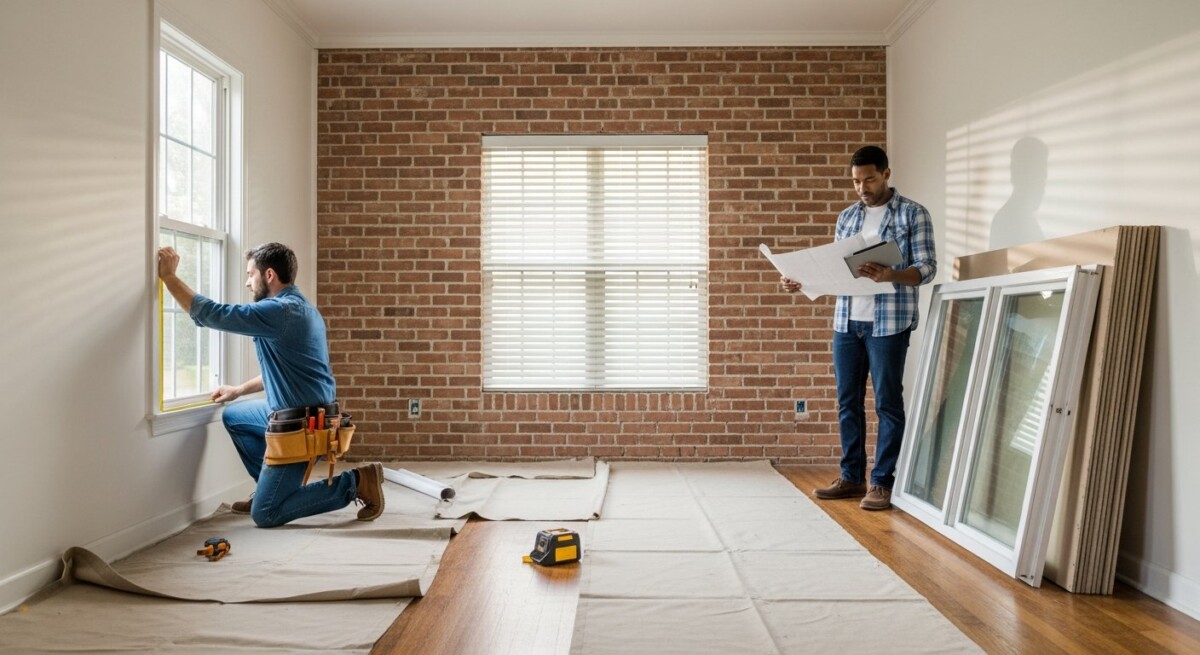
A professional Miami renovation contractor doesn’t just fix what you see; they diagnose the root cause. They understand local building codes, permit processes, and the specific materials and techniques required for durability in our climate. Their goal is to provide a solution that is safe, permitted, and built to last.
Attempting complex renovations as a DIY project can lead to incomplete fixes, code violations, and even voided insurance policies. Professionals bring efficiency, proper tools, and licensed tradespeople,like electricians and plumbers,to ensure the job is done correctly the first time. For a deeper look at what a renovation entails, our guide on renovation versus remodeling breaks down the key differences.
- Consultation & Planning: A detailed discussion of your goals, budget, and timeline, followed by a thorough inspection of your home’s condition.
- Design & Engineering: Creating plans that address both aesthetics and structural needs, often including hurricane-proofing elements.
- Permitting: Navigating the City of Miami or county permit office to ensure all work is legal and up to code.
- Professional Execution: Coordinating skilled crews, managing material delivery, and maintaining a clean, safe worksite.
- Final Inspection & Walkthrough: Ensuring every detail meets quality standards and you are completely satisfied with the result.
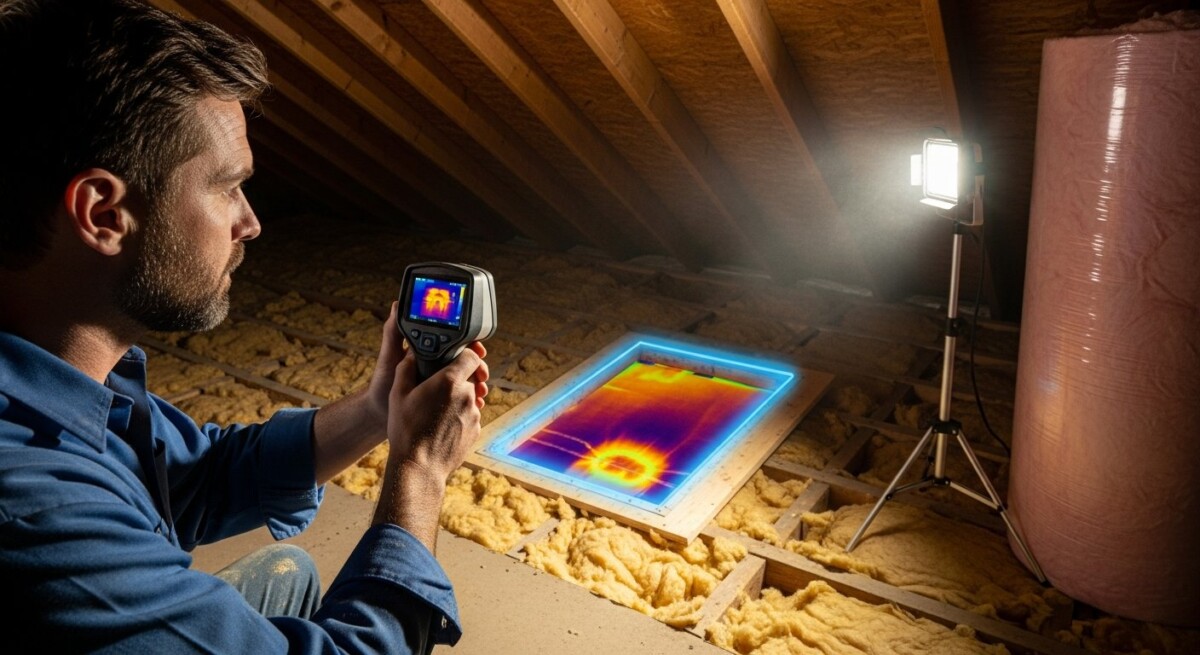
A professional inspection can reveal hidden issues before they become expensive repairs. Compare contractor quotes here or call to discuss your project.
Warning Signs You Should Not Ignore
Your home often gives you clear signals when it needs help. Paying attention to these early warnings is the key to preventing small, manageable projects from turning into overwhelming, budget-breaking emergencies. Acting quickly can save you thousands of dollars and protect your family’s well-being.
Don’t dismiss a musty smell as “just old house smell” or assume a crack is only cosmetic. In Miami, these are often symptoms of larger underlying issues that need professional assessment.
- Persistent Musty Odors: Often the first sign of hidden mold or mildew from moisture.
- Unexplained Spike in Energy Bills: Indicates poor insulation, air leaks, or an aging HVAC system.
- Water Stains on Ceilings or Walls: Signals an active or past leak that needs investigation.
- Cracks in Foundation or Interior Drywall: Can point to settling or drainage issues.
- Difficulty Opening/Closing Windows & Doors: May indicate foundation shift or water damage to frames.
- Frequent Electrical Issues: Breakers that constantly trip or outlets that feel warm to the touch.
What Affects the Cost of Repairs or Installation
The cost of a renovation in Miami can vary widely, and that’s normal. It depends on the unique conditions of your home and the scope of your vision. A clear, detailed estimate from a professional will break down these costs so you understand exactly what you’re paying for.
Key factors include the size and age of your home, the quality of materials selected (e.g., standard cabinets vs. custom, laminate vs. quartz countertops), and the complexity of the work. Structural repairs, moving plumbing lines, or upgrading electrical service will add cost but are critical investments. Specialty work for hurricane protection, like impact windows, is a significant line item but offers invaluable protection and potential insurance savings.
Costs can vary depending on the condition of your home. The best way to know the price is to get a personalized estimate. Request free quotes from contractors or call today.
How to Choose the Right Contractor
Selecting the right partner is the most important decision in your renovation journey. You need someone trustworthy, communicative, and deeply experienced with Miami’s specific building challenges. This choice will determine your stress level and the quality of the final result.
Take your time with this step. A trustworthy contractor will be transparent, answer all your questions, and provide clear documentation. They should view the project as a partnership. For a focused project like a bathroom update, you can find specific planning advice in our complete guide to successful bathroom renovation.
- Verify Licenses & Insurance: Always check for a valid Florida state license and current liability and workers’ compensation insurance.
- Read Reviews & Ask for References: Look at Google, BBB, and Houzz reviews. Speak to past clients about their experience.
- Review Detailed, Written Estimates: Compare quotes that break down labor, materials, and timeline. Beware of bids that seem unusually low.
- Meet the Team: Ensure you communicate well with the project manager or lead contractor who will be on-site.
- Check for Local Experience: Confirm they have completed projects in your area and are familiar with local codes and permit processes.
Long-Term Benefits of Professional Work
While the immediate benefit of a renovation is a more beautiful and functional space, the long-term advantages are what truly make it a wise investment. Professional work is designed and built to endure, providing value for years to come.
You’ll gain peace of mind knowing your home is safer and better protected from storms. You’ll enjoy lower utility bills thanks to improved efficiency. Most importantly, you’ll preserve and enhance the value of your property, ensuring it remains a source of pride and comfort. Just as homeowners in other major markets consider these factors, understanding the local context is key, similar to the considerations outlined in our guide for home renovation in Los Angeles.
From increased resilience against our climate to the daily joy of a space that works perfectly for your life, a well-executed renovation pays dividends long after the project is complete.
How long does a typical Miami home renovation take?
Timelines vary greatly by scope. A bathroom or kitchen might take 4-8 weeks, while a whole-home renovation can take 3-6 months or more. Permitting in South Florida can add several weeks to the start date. Your contractor should provide a detailed schedule.
Do I need a permit for my renovation project?
Almost always, yes. Structural, electrical, plumbing, and HVAC work require permits. A reputable contractor will handle this process for you. Working without a permit can lead to fines, problems selling your home, and unsafe conditions.
What is the best time of year to renovate in Miami?
While interior work can be done year-round, the dry season (November to April) is ideal for exterior projects. However, a good contractor will have protocols to protect your home and the worksite during summer rains.
How can I prepare my home for a renovation?
Clear the work areas of personal items, discuss access and storage with your contractor, and set up a temporary living space (like a makeshift kitchen). Good communication about daily schedules and dust control is also key.
Will I need to move out during the renovation?
For small, contained projects, you can often stay. For whole-home renovations or major kitchen/bath overhauls, temporary relocation is usually recommended for safety, sanity, and to allow the work to proceed efficiently.
How do renovations affect home insurance in Florida?
You must inform your insurer before work begins. Upgrades like a new roof, impact windows, or updated electrical systems may lower your premium. Your contractor should have builder’s risk insurance during the project.
What financing options are available for renovations?
Options include home equity loans, cash-out refinances, FHA 203(k) rehab loans, and personal loans. Some contractors also work with preferred lenders. It’s best to explore financing early in the planning process.
Taking the step to renovate your Miami home is a significant decision, but it’s one that protects your investment and improves your quality of life. By understanding the common challenges, recognizing the warning signs, and choosing a qualified professional, you can navigate the process with confidence. Addressing issues early is always more cost-effective than waiting for an emergency. Start by gathering information and comparing detailed quotes from trusted local contractors to understand your options and create a plan that works for your home and budget.