Bathroom Renovation Pricing: What Homeowners Need to Know
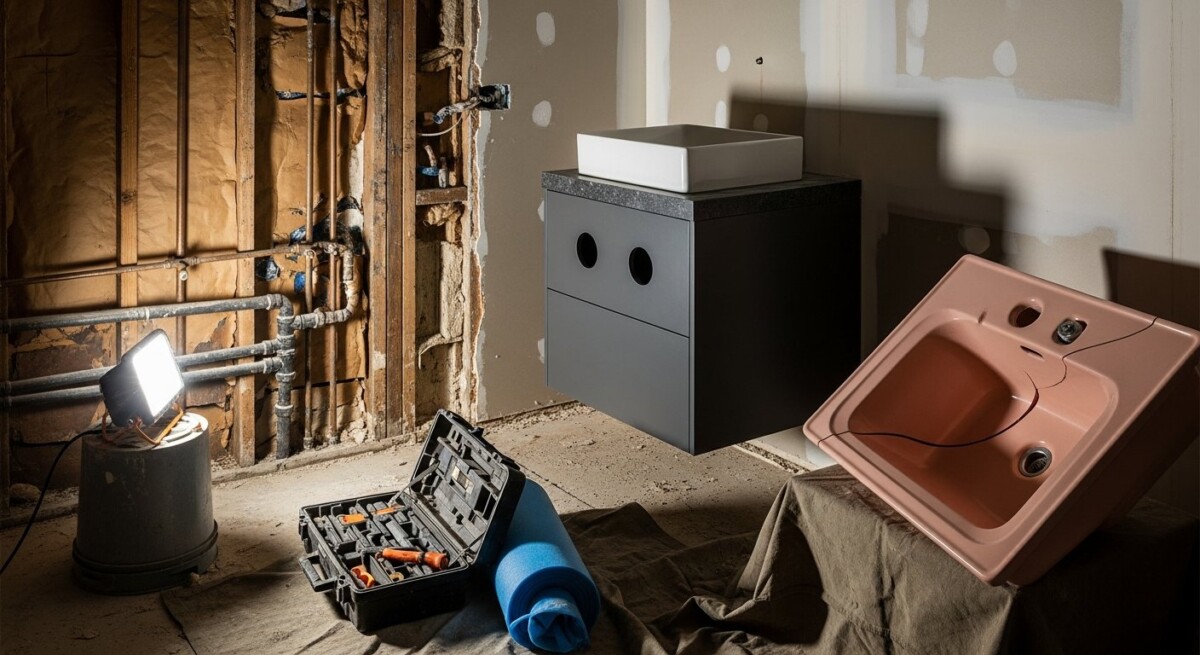
You walk into your bathroom one morning, and the floor tile is cracked. Or maybe the showerhead drips no matter how tight you turn it. Perhaps you’ve just decided that the 1980s pink sink and peeling wallpaper have to go. Whatever the trigger, you start wondering about bathroom renovation pricing,and whether you can afford the project. The truth is, most homeowners discover the need for a remodel gradually: first a small leak, then stubborn mold, then outdated fixtures that feel impossible to clean. What begins as a minor annoyance can quickly become a serious problem if ignored. Water damage spreads behind walls, old wiring poses safety risks, and a dysfunctional bathroom affects your entire home’s comfort and value. Understanding bathroom renovation pricing is the first step toward making a smart, confident decision for your home.
Understanding Bathroom Renovation Pricing
Bathroom renovation pricing refers to the total cost of updating or repairing a bathroom, including materials, labor, permits, and unexpected surprises. It isn’t a one-size-fits-all number. Prices vary based on your bathroom’s size, the scope of work, the quality of finishes you choose, and where you live. A simple cosmetic refresh,new paint, vanity, and lighting,might cost a few thousand dollars, while a full gut remodel with custom tile and high-end fixtures can run $15,000 to $30,000 or more.
Why do prices vary so much? Because every home is different. Older homes often have outdated plumbing or electrical systems that need upgrading to meet modern codes. Smaller bathrooms might seem cheaper, but tight spaces can make labor more challenging and expensive. Homes in regions with higher labor rates or stricter permit requirements also see higher quotes. The key is to understand that pricing reflects more than just shiny new surfaces,it covers the work needed to keep your home safe, functional, and beautiful for years to come.
Which Homes Are Most Affected
Homes built before 1990 are prime candidates for higher renovation costs. These bathrooms often contain asbestos in floor tiles or insulation, lead paint, galvanized steel pipes prone to corrosion, and outdated electrical systems that can’t handle modern fixtures like heated floors or smart toilets. If you own an older home, budget for potential remediation work during your remodel. Newer homes aren’t immune either,builder-grade materials from the early 2000s may already be failing, and poor original installation can hide problems behind the walls.
Why This Matters for Your Home
Ignoring bathroom issues can cost you far more than a remodel. A slow leak behind the toilet might seem harmless until it rots the subfloor and weakens the joists below. Mold thrives in damp bathrooms, triggering respiratory problems and damaging drywall, insulation, and framing. Outdated fixtures waste water, inflating your utility bills month after month. Meanwhile, a cramped, dysfunctional bathroom lowers your home’s resale value and makes daily life frustrating for your family.
Safety is another serious concern. Old wiring combined with water creates shock hazards. Slippery, cracked tile can cause falls,especially for children or elderly family members. A bathroom that doesn’t meet current building codes could even cause problems when you try to sell your home, as inspectors may flag violations that require expensive fixes. Addressing these issues early, through a planned renovation, protects your family and your investment.
If you notice signs of this issue in your home, it may help to speak with a qualified contractor. Request a free quote or call to explore your repair or remodeling options.
Common Problems Homeowners Experience
Homeowners encounter a range of problems that drive bathroom renovation pricing higher than expected. Water damage is the most common culprit,leaky faucets, cracked shower pans, or failed grout allow moisture to seep into walls and floors. You might notice peeling paint, soft spots in the floor, or a musty smell that never goes away. Once water gets behind the tile, it can destroy the waterproof membrane and require a complete tear-out.
Outdated layouts also frustrate homeowners. Maybe the vanity is too small, the shower stall feels claustrophobic, or the toilet is placed awkwardly. These issues reduce functionality and make your bathroom feel like a chore rather than a retreat. Aging fixtures like corroded pipes, inefficient toilets, and foggy windows add to the list of headaches. The cumulative effect is a space that feels tired, unsafe, and uninviting.
- Persistent mold or mildew on walls, ceilings, or grout lines
- Water stains or soft spots on the floor near the toilet or shower
- Outdated electrical outlets that lack GFCI protection (shock prevention)
- Low water pressure or temperature fluctuations during showers
- Broken or cracked tiles that create tripping hazards
- A toilet that rocks, leaks, or constantly runs
How Professionals Solve the Problem
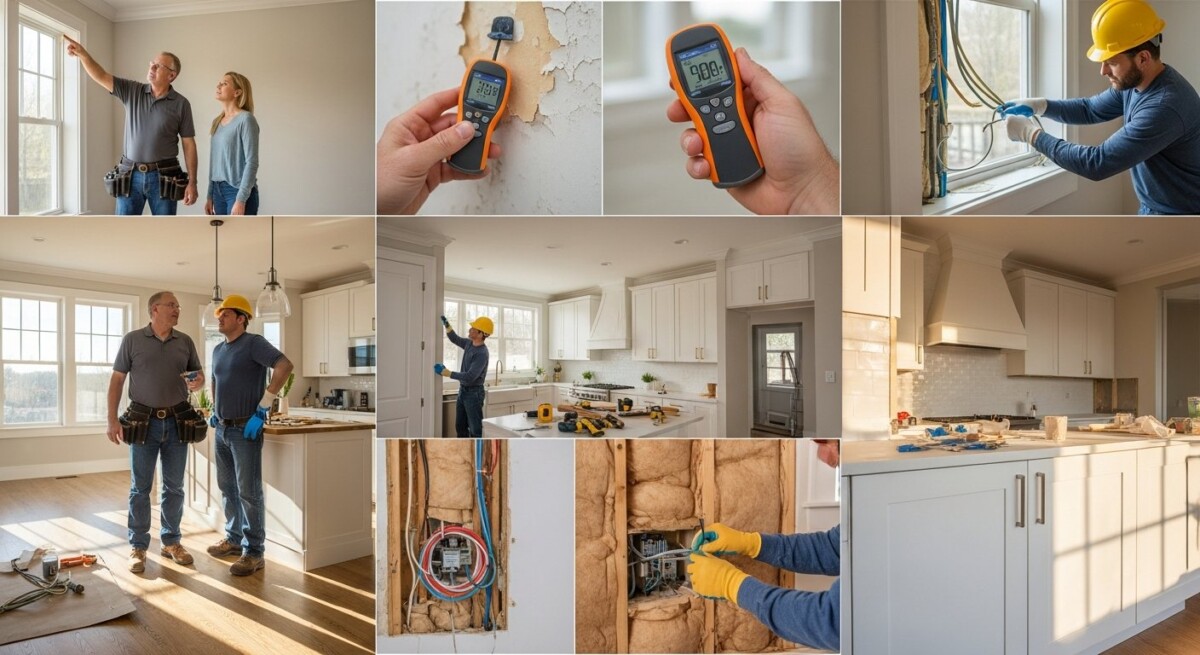
Experienced contractors bring order to the chaos of a bathroom renovation. They start with a thorough inspection to identify hidden issues like mold, rot, or outdated wiring that you might miss. Then they create a detailed plan that includes the scope of work, material selections, timeline, and a clear budget. Professional contractors handle all permits and code inspections, ensuring your renovation is legal and safe.
Here is the typical process a professional team follows for a full bathroom renovation:
- Demolition and removal of old fixtures, tile, and drywall, with careful handling of any hazardous materials.
- Rough-in work for new plumbing and electrical lines, including rerouting pipes and adding GFCI outlets.
- Waterproofing the shower and tub area with modern membranes to prevent future leaks.
- Installation of new drywall, cement board, and subfloor reinforcement as needed.
- Tile and flooring work, including precise cuts and proper sealing.
- Fixture installation for the vanity, toilet, showerhead, lighting, and accessories.
- Final finishing with caulk, paint, trim, and a thorough cleanup.
DIY renovations often seem cheaper, but mistakes can be costly. A poorly waterproofed shower can lead to thousands in water damage repairs. Incorrect electrical work creates fire or shock risks. Professionals carry insurance and warranties, so you’re protected if something goes wrong. They also have the tools and experience to finish the job in days, not months.
A professional inspection can reveal hidden issues before they become expensive repairs. Compare contractor quotes here or call to discuss your project.
Warning Signs You Should Not Ignore
Your bathroom gives you clues long before a major failure happens. Pay attention to subtle changes that signal deeper problems. A musty odor that persists after cleaning often means mold is growing inside walls or under flooring. Cracks in tile or grout let water seep through to the structure below. If you notice the floor feels spongy or uneven, the subfloor may already be rotting.
Another warning sign is water that pools around the base of the toilet or shower after use. This indicates a leaky seal or failed waterproofing. Peeling paint or wallpaper bubbles suggest high humidity and poor ventilation, which can lead to mold growth. If your bathroom feels drafty in winter or the exhaust fan barely works, moisture isn’t being removed properly,and that means damage is happening faster than you think.
- Water stains on the ceiling below the bathroom (from a second story leak)
- Visible rust on metal fixtures, pipes, or the water heater
- Loose or missing grout that lets water penetrate tile joints
- A toilet that wobbles or has a cracked base
- Frequent clogs or slow drainage in the sink, tub, or shower
- An exhaust fan that doesn’t vent outside or is noisy and weak
What Affects the Cost of Repairs or Installation
Several factors influence bathroom renovation pricing. The size of your bathroom is a major driver,a half-bath remodel costs less than a master suite with a soaking tub and double vanity. The scope of work matters too: a cosmetic update is cheaper than moving walls, relocating plumbing, or adding a new window. Material choices also swing the price significantly. Basic ceramic tile and laminate counters keep costs down, while natural stone, custom cabinetry, and designer fixtures add thousands.
Labor costs depend on your location and the complexity of the job. If your home has difficult access,like a bathroom on the second floor with narrow stairs,contractors may charge more for moving materials and equipment. The age of your home plays a role as well. Older homes often require extra work to bring plumbing, electrical, and structural systems up to current codes. Permits and inspection fees vary by city and can add several hundred dollars to your total. Finally, unexpected discoveries during demolition,like mold, rot, or outdated wiring,can increase costs, which is why a contingency fund of 10,20% of your budget is wise.
Costs can vary depending on the condition of your home. The best way to know the price is to get a personalized estimate. Request free quotes from contractors or call today.
How to Choose the Right Contractor
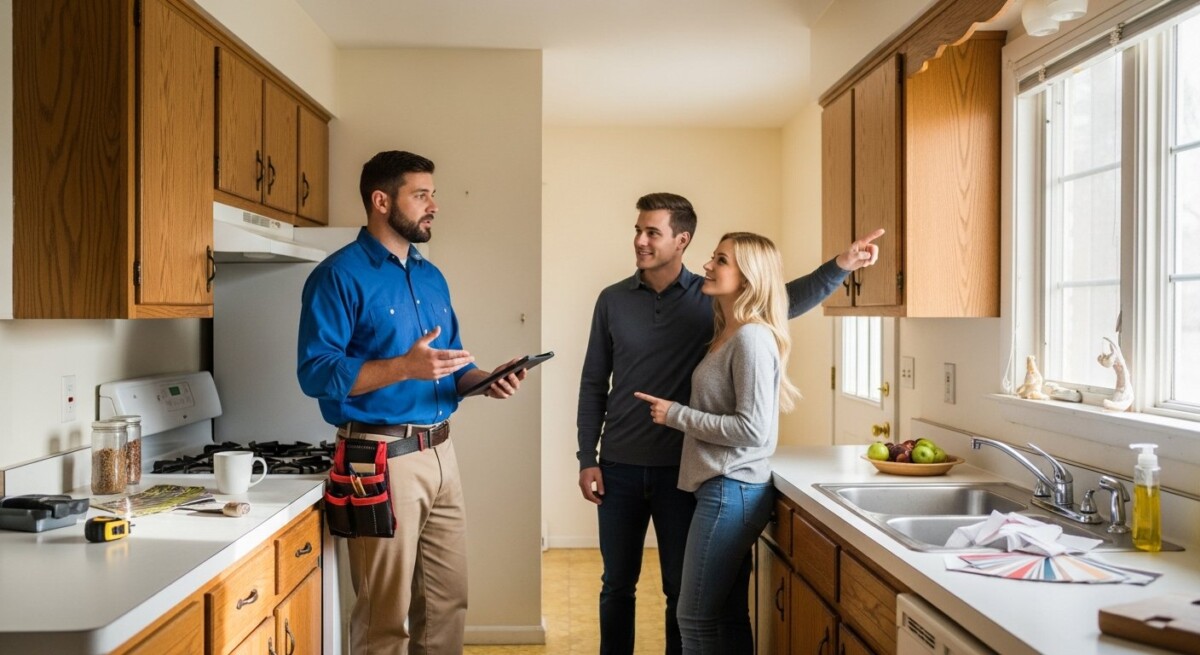
Choosing a contractor is one of the most important decisions you’ll make for your bathroom renovation. A good contractor delivers quality work on time and within budget, while a poor one can turn your dream remodel into a nightmare. Start by asking for recommendations from friends, family, or neighbors who have recently renovated. Then verify each candidate’s credentials.
When you meet with potential contractors, pay attention to how they communicate. Do they listen to your ideas and ask thoughtful questions? Do they provide a detailed written estimate that breaks down labor, materials, and timeline? Reliable contractors are transparent about pricing and won’t pressure you into signing immediately. They should also be willing to provide references from recent clients.
- Verify the contractor’s license with your state or local licensing board.
- Confirm they carry general liability insurance and workers’ compensation.
- Read online reviews on Google, Yelp, or the Better Business Bureau.
- Ask for at least three detailed estimates from different contractors to compare.
- Request proof of experience with bathroom renovations specifically, not just general remodeling.
Long-Term Benefits of Professional Work
Investing in a professional bathroom renovation pays dividends for years. A well-executed remodel improves safety by eliminating trip hazards, installing proper ventilation, and upgrading electrical systems. Durable materials and expert installation mean fewer repairs down the road,no more patching leaks or regrouting tile every year. Modern fixtures like low-flow toilets and LED lighting reduce water and energy bills, saving you money month after month.
Your home’s value also gets a significant boost. Real estate experts consistently rank bathroom renovations among the top projects for return on investment. A beautiful, functional bathroom can be the deciding factor for buyers if you ever decide to sell. Beyond dollars and cents, a renovated bathroom enhances your daily life. A warm, well-lit space with plenty of storage and a relaxing shower or tub makes your morning routine smoother and your evenings more enjoyable. Professional work ensures that your bathroom stays that way for decades.
Frequently Asked Questions
How much does a bathroom renovation cost on average?
Nationally, a mid-range bathroom remodel costs between $10,000 and $25,000. Small powder rooms can cost $5,000 to $10,000, while large master bathrooms with high-end finishes can exceed $40,000. The best way to get an accurate number for your home is to request quotes from local contractors.
What is the most expensive part of a bathroom renovation?
Labor and plumbing work are typically the biggest expenses. Moving plumbing lines, installing a new shower pan, and tiling are labor-intensive tasks that require skilled workers. Materials like custom cabinetry, stone countertops, and premium tile also add significant cost.
Can I save money by doing part of the renovation myself?
Yes, but only if you have experience. Demolition, painting, and installing accessories are tasks some homeowners handle safely. However, plumbing, electrical, and waterproofing are best left to professionals, as mistakes can cause expensive damage and safety hazards.
How long does a bathroom remodel usually take?
A complete bathroom renovation typically takes three to six weeks. Simple cosmetic updates may take one to two weeks. Delays can occur if hidden problems are found during demolition or if custom materials have long lead times.
Do I need a permit for a bathroom renovation?
Most jurisdictions require permits for work that involves plumbing, electrical, or structural changes. Even replacing a toilet or vanity may need a permit in some areas. Your contractor should handle permits as part of the project, but always confirm this upfront.
How can I get an accurate bathroom renovation quote?
Invite three to five contractors to visit your home and provide written estimates. Be clear about your desired finishes, layout changes, and budget range. Comparing multiple quotes helps you understand the market rate and avoid overpaying.
What is the difference between a quote and an estimate?
An estimate is an approximate cost based on the scope of work. A quote is a fixed price that the contractor agrees to for the project, assuming no changes. Always ask for a quote in writing before work begins.
Can I finance a bathroom renovation?
Yes. Options include home equity loans, personal loans, credit cards with promotional rates, or contractor financing plans. Some homeowners also use cash-out refinancing. Compare interest rates and terms to find the best option for your situation.
Getting your bathroom renovation right starts with understanding the costs and finding the right professional help. Whether you need a simple repair or a full transformation, addressing issues early saves money, protects your home, and improves your quality of life. The next step is simple: compare quotes from local contractors to see what’s possible within your budget. With the right team, you can turn your bathroom from a problem into one of your favorite rooms in the house.