
Hardwood Flooring Installation: A Complete Guide
A complete guide to professional hardwood flooring installation. Learn why it matters, how it’s done, and how to choose the right pro for lasting beauty and value.
By Alexia Mabel
Learn more about Floor Installation or Replacement for guides, costs, and what to expect.
Compare Floor Installation or Replacement Pros Near You

Enter your ZIP code to compare top-rated local professionals and request free quotes.
You’ve chosen the timeless beauty of hardwood floors for your home, but now comes the most critical part: the installation. A flawless installation protects your investment, enhances your home’s value, and ensures decades of beauty. A poor installation, however, can lead to a host of frustrating problems. This guide will walk you through everything you need to know about professional hardwood flooring installation, making the process clear and stress-free.
Protect your investment and ensure a flawless result. Call 📞833-700-4293 or visit Request Installation Quote to schedule your professional hardwood flooring consultation.
Understanding Hardwood Flooring Installation
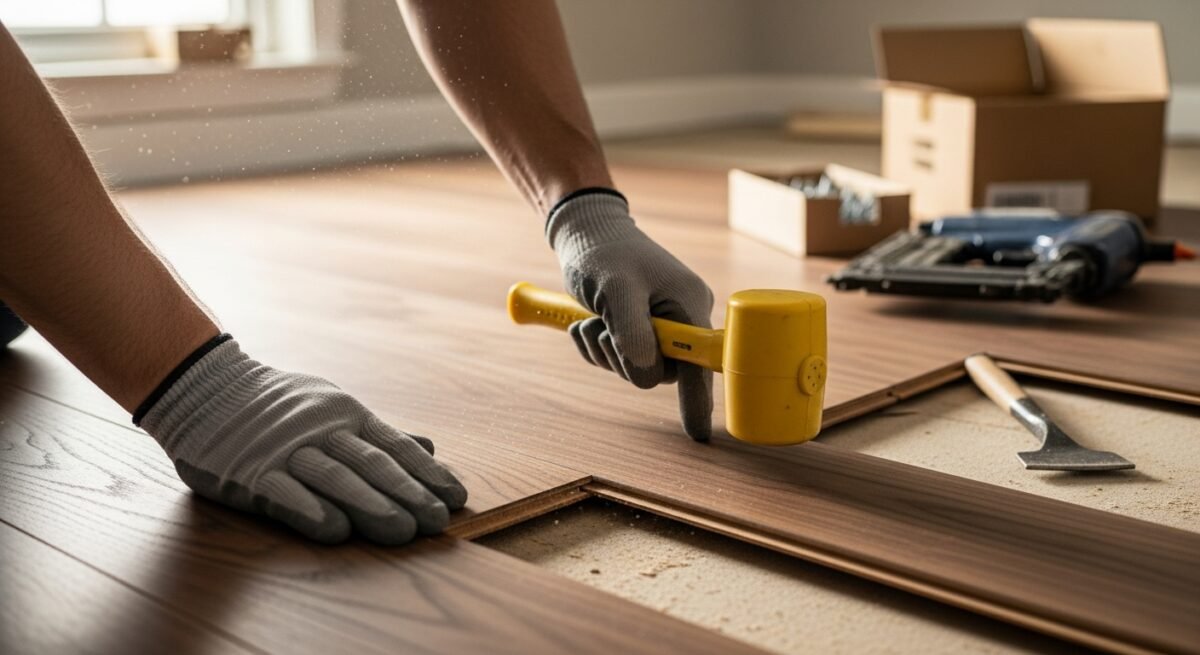
Hardwood flooring installation is the precise process of securing solid wood or engineered wood planks to your home’s subfloor. It’s far more than just laying boards down; it’s a skilled craft that involves careful preparation, precise fitting, and proper finishing to create a stable, level, and beautiful floor.
The process begins long before the first nail is driven. It starts with an assessment of your subfloor, checking for moisture, levelness, and structural integrity. The wood itself must also be acclimated to the temperature and humidity of your home. This crucial step prevents major issues like warping or gapping after installation.
The Three Main Installation Methods
There are three primary methods for installing hardwood: nail-down, glue-down, and floating. The best method depends on your subfloor type, the wood product, and your home environment. A professional will determine the right approach for your specific situation, ensuring a long-lasting result.
Why Professional Installation Matters for Homeowners
Investing in professional installation is investing in peace of mind. While DIY might seem tempting, the specialized tools, knowledge, and experience a pro brings are invaluable. They ensure your beautiful new floors perform as expected for years to come.
A proper installation prevents common headaches like squeaky floors, uneven boards, and premature wear. It also protects your manufacturer’s warranty, as many require professional installation to remain valid. Ultimately, the right installation maximizes the return on your investment and brings the vision for your home to life without the stress.
Ready to transform your home with expertly installed hardwood floors? visit our flooring installation service page for a professional consultation and quote.
Common Issues and Their Causes
When hardwood flooring is installed incorrectly, problems can arise quickly. Understanding these common issues helps you appreciate the importance of proper technique and can alert you to trouble in existing floors.
Many issues stem from improper subfloor preparation. If the subfloor isn’t level, clean, and dry, the hardwood above it cannot be stable. Moisture is the biggest enemy of wood, causing it to expand, cup, or buckle. Similarly, failing to acclimate the wood planks to your home’s environment before installation can lead to excessive shrinking or swelling.
- Gaps Between Planks: Often caused by wood installed during high humidity that later shrinks in drier conditions, or improper spacing during installation.
- Squeaking and Creaking: Usually due to movement between the floorboards and the subfloor or joists, often from insufficient nailing or an uneven subfloor.
- Cupping or Crowning: When the edges of a board are higher or lower than the center, typically indicating a moisture imbalance from the top or bottom of the plank.
- Buckling: A severe reaction where the floor pulls away from the subfloor, almost always due to excessive moisture exposure.
How Professionals Fix and Prevent Problems
A professional installer’s job is to execute a flawless installation that prevents the issues above. The process is methodical and detail-oriented, ensuring each step builds a solid foundation for the next.
First, they conduct a thorough site inspection and moisture test. They’ll ensure your subfloor is perfectly clean, dry, and level, making any necessary repairs. Next, they acclimate the wood boxes in your home for the manufacturer’s recommended time. The installation itself involves precise layout, cutting, and securing, using specialized tools like pneumatic nailers or moisture-resistant adhesives.
- Preparation: Inspect, clean, level, and moisture-test the subfloor. Acclimate the wood.
- Layout: Plan the starting point and direction of planks for the best visual appeal and structural integrity.
- Installation: Secure planks using the chosen method (nail, glue, or float), ensuring tight seams and proper expansion gaps at walls.
- Finishing: Install transitions, moldings, and conduct a final inspection for quality.
Signs You Should Not Ignore
If you have existing hardwood floors, certain signs indicate the installation may have been flawed or that underlying problems are developing. Catching these early can save you from costly repairs down the line.
Listen to your floors. Persistent squeaks or loud cracking sounds when you walk are not normal. Visually inspect for changes in the floor’s plane. Can you feel uneven boards underfoot? Do you see noticeable dips or humps? These are red flags.
- Major Seasonal Gapping: While small gaps in winter are normal, large, uneven gaps that don’t close in summer indicate an installation or moisture issue.
- Loose or Moving Boards: If planks feel bouncy or shift under pressure, they are not properly secured to the subfloor.
- Visible Fasteners: Nail heads popping up above the surface is a sign of improper nailing or wood movement.
- Mold or Water Stains: Any sign of moisture damage at the edges or on the surface requires immediate professional attention to prevent rot.
Cost Factors and What Affects Pricing
The cost of hardwood flooring installation varies, and understanding the factors helps you budget realistically. The final price is a combination of materials, labor, and site-specific preparation work.
Protect your investment and ensure a flawless result. Call 📞833-700-4293 or visit Request Installation Quote to schedule your professional hardwood flooring consultation.
The type of hardwood is the largest variable. Exotic solid hardwoods cost more than domestic species or quality engineered wood. The installation method also affects labor; a complex glue-down installation over concrete may cost more than a standard nail-down over plywood. Don’t forget to factor in the cost of removing and disposing of old flooring, which adds to the project scope.
Other key factors include the square footage and layout of the room (multiple corners and closets increase labor time), the condition of your subfloor, and any additional services like moving furniture or installing intricate custom borders. A transparent professional will provide a detailed quote that breaks down all these elements.
How To Choose the Right Professional or Service
Selecting the right installer is as important as choosing the wood itself. Look for a licensed, insured, and experienced contractor who specializes in hardwood floors. Always ask for and check references or online reviews to see examples of their past work.
A trustworthy professional will insist on a thorough in-home consultation. They should ask detailed questions, take measurements, check moisture levels, and discuss all your options clearly. They should also provide a written, detailed contract outlining the scope of work, materials, timeline, payment schedule, and warranty. For a broader perspective on choosing a flooring installer, our complete guide to flooring installation offers additional helpful tips.
- Verify licensing and insurance.
- Ask for a portfolio and references.
- Get a detailed, written estimate.
- Ensure they offer a workmanship warranty.
Long-Term Benefits for Your Home
A professionally installed hardwood floor is a long-term asset. It enhances the aesthetic appeal and atmosphere of your home, providing a warm and welcoming foundation for your decor. Beyond beauty, it’s a highly durable surface that, with proper care, can last for generations.
Hardwood floors are also a superb investment in your home’s financial value. They are consistently a top feature sought by homebuyers, offering an excellent return on investment. Unlike other flooring types that need frequent replacement, well-maintained hardwood can be refinished multiple times to look brand new, saving you money over the lifetime of your home.
Frequently Asked Questions
How long does hardwood flooring installation take?
For a typical room, professional installation usually takes 1-3 days, depending on size, method, and subfloor preparation. This does not include the time needed for wood acclimation (3-5 days) or the drying time for glue or finishes.
Can hardwood be installed over concrete?
Yes, but it requires specific methods. Engineered hardwood is often best, installed as a floating floor or glued down directly with a moisture barrier. Solid hardwood typically requires a wooden sleeper system to be built over the concrete first. A professional moisture test is absolutely critical.
What is the difference between solid and engineered hardwood installation?
Solid hardwood is typically nailed or stapled to a wood subfloor. Engineered hardwood, with its stable plywood core, offers more flexibility and can be nailed, glued, or floated over a variety of subfloors, including concrete. This makes it a versatile choice for many homes.
Do I need to move all my furniture before installation?
Yes. For the installers to work efficiently and safely, the room must be completely clear of all furniture, décor, and window treatments. Most professional services do not include moving furniture due to liability for damage.
How much expansion gap is needed?
Typically, a 1/2-inch gap is left around the entire perimeter of the room and any fixed objects like columns. This allows the wood to naturally expand and contract with humidity changes without buckling. The gap is later covered by baseboards and moldings.
Can I install hardwood flooring in a bathroom or kitchen?
It is possible but requires careful consideration. Engineered hardwood with a high-quality finish is more dimensionally stable for these areas. Spills must be wiped immediately, and area rugs are recommended in high-splash zones. For kitchens, many homeowners also explore durable options like professional vinyl flooring installation, which offers excellent water resistance.
How soon can I walk on my new floors after installation?
For nail-down or floating installations, you can walk on them immediately, but use caution. For glue-down installations, you must wait the full cure time specified by the adhesive manufacturer, usually 24-48 hours, before placing furniture.
What maintenance do new hardwood floors require?
Use felt pads under furniture legs, sweep/vacuum regularly with a soft brush, and clean with a manufacturer-recommended hardwood floor cleaner. Avoid water, steam mops, and harsh chemicals. Use area rugs in high-traffic zones and maintain consistent indoor humidity levels (30-50%).
Hardwood flooring is a beautiful and valuable addition to any home, and its performance hinges on the quality of the installation. By partnering with a skilled professional, you ensure your floors are not only stunning on day one but also built to last for decades, providing daily enjoyment and lasting value for your household.
Protect your investment and ensure a flawless result. Call 📞833-700-4293 or visit Request Installation Quote to schedule your professional hardwood flooring consultation.
Learn more about Floor Installation or Replacement for guides, costs, and what to expect.
Compare Floor Installation or Replacement Pros Near You
Enter your ZIP code to compare top-rated local professionals and request free quotes.