
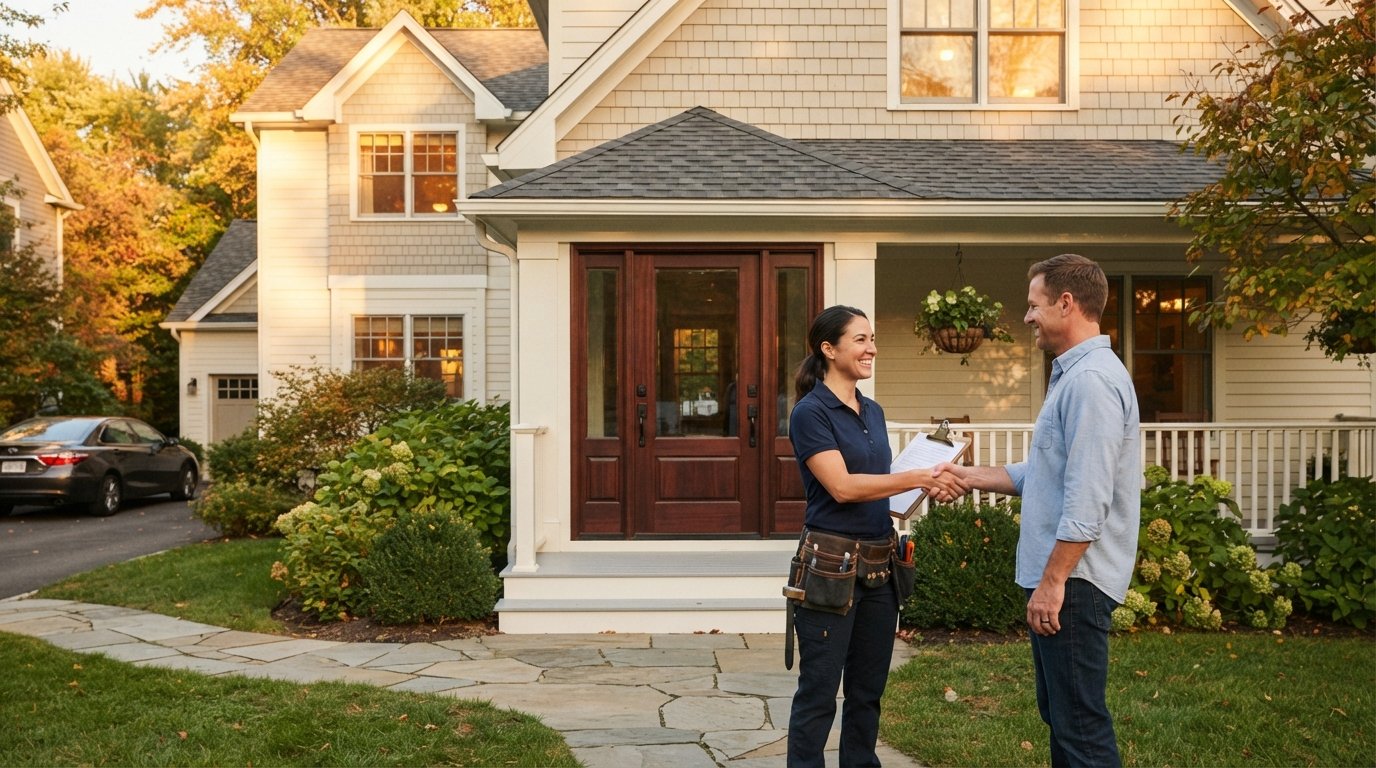
Entry Doors That Boost Curb Appeal and Home Value
Upgrade your entry doors to boost curb appeal, lower energy bills, and increase home value with this practical homeowner's guide.
By Jessica Reis
Learn more about Door Installation for guides, costs, and what to expect.
Compare Door Installation Pros Near You

Enter your ZIP code to compare top-rated local professionals and request free quotes.
Your entry door is more than a way in and out of your house. It is the first thing people see, the barrier between your family and the weather, and a key player in your home's energy efficiency. A worn, drafty, or outdated door can drag down your home's appearance and increase your utility bills. Replacing or upgrading your entry doors is one of the smartest investments you can make, offering a strong return when you sell and immediate comfort while you stay. This guide walks through the options, costs, and planning steps so you can choose the right door with confidence.
Why Your Entry Door Deserves Attention
Think about how often you use your front door. It opens for deliveries, guests, and your own comings and goings. It also faces harsh sun, rain, wind, and temperature swings all year. Over time, that wear shows. Fading paint, warped wood, stuck locks, and drafts become common problems. Ignoring these issues can lead to higher energy costs, water damage, and even security risks.
Beyond function, your entry door sets the tone for your entire home. A beautiful, well-maintained door creates a welcoming feel and increases curb appeal. According to real estate experts, a new steel entry door can recoup over 100 percent of its cost when you sell your home. That makes it one of the highest-returning home improvement projects you can do. Whether you plan to stay for years or sell soon, a quality door pays off.
Types of Entry Doors: Materials and Styles
Choosing the right material is the first big decision. Each option has trade-offs in cost, durability, maintenance, and appearance. Here is a breakdown of the most common choices for residential entry doors.
Steel Doors
Steel doors are a top pick for security and energy efficiency. They resist dents and warping better than wood, and they usually come with a foam core that insulates well. Steel is also one of the most affordable options, with prices starting around $200 to $500 for a basic door unit. The downsides include a tendency to dent from hard impacts and a finish that can chip or rust if scratched. Still, with proper care, a steel door can last 30 years or more.
Fiberglass Doors
Fiberglass doors offer the look of wood without the maintenance. They resist rot, warping, and insect damage, and they are excellent insulators. Many fiberglass doors are molded to mimic wood grain, so you get a rich, natural appearance that can be painted or stained. Prices range from $300 to $1,000 or more, depending on style and glass inserts. Fiberglass is a great middle-ground choice for homeowners who want beauty and durability.
Wood Doors
Wood doors bring timeless elegance and warmth. They can be custom carved, stained, or painted to match any architectural style. Solid wood doors are heavy and sturdy, offering good security and soundproofing. However, wood requires regular maintenance, including repainting or refinishing every few years, and it can warp, swell, or rot when exposed to moisture. High-quality wood doors start around $500 and can exceed several thousand dollars for custom designs.
Aluminum and Glass Doors
Aluminum frames with glass panels are common for modern or contemporary homes. They are lightweight, corrosion-resistant, and allow natural light to flood your entryway. The trade-off is lower energy efficiency compared to steel or fiberglass, unless you choose a thermal break model with insulated glass. These doors are often used as sidelights or full-view doors for patios and entryways.
Key Features to Look For
Once you pick a material, focus on the features that affect performance and comfort. Here are the most important ones to consider when shopping for entry doors.
- Energy efficiency: Look for a door with a high R-value (insulation rating) and a tight seal. A foam core in steel or fiberglass doors provides better insulation than hollow wood.
- Weatherstripping: Quality weatherstripping around the frame prevents drafts, water, and insects from entering. Check that it is durable and replaceable.
- Glass options: If you want glass, choose double or triple panes with low-E coating to reduce heat transfer. Decorative glass adds style but may reduce privacy and energy efficiency.
- Hardware and locks: Invest in a sturdy deadbolt and handle set. Smart locks add convenience and security, allowing you to lock and monitor your door remotely.
- Frame and threshold: A solid frame and a low-profile, adjustable threshold ensure a proper fit and prevent air and water leaks.
These features work together to keep your home comfortable and your energy bills low. A door that looks great but lacks proper insulation will still cost you money over time.
Door Styles and Design Trends
The style of your entry door should complement your home's architecture. A craftsman bungalow, a mid-century ranch, and a modern minimalist house all call for different designs. Here are popular styles to consider.
Traditional Paneled Doors
Classic paneled doors with raised or recessed panels work well with colonial, Victorian, and farmhouse homes. They offer a clean, timeless look that never goes out of style. You can add sidelights or a transom window for extra light and grandeur.
Craftsman and Mission Style
Craftsman doors feature a solid lower half and a large glass window on top, often with a distinctive horizontal division. They pair nicely with bungalows and cottages, emphasizing natural materials and simple craftsmanship. Wood or fiberglass with a wood-grain finish is a common choice.
Modern and Contemporary
Modern entry doors often use full-height glass panels, sleek metal finishes, and minimal ornamentation. They create a bold first impression and let in abundant natural light. Fiberglass or aluminum frames with wide glass panels are typical. For privacy, you can choose frosted or tinted glass.
Double Doors and French Doors
Double entry doors make a grand statement and are ideal for wider openings. They are common in Mediterranean, Spanish, and upscale traditional homes. French doors, which feature multiple glass panes, add elegance and light but may require more maintenance due to the glass.
Planning Your Entry Door Replacement
Replacing an entry door is a project that requires careful planning. Start by measuring your existing door opening. Standard sizes are 36 inches wide and 80 inches tall, but older homes may have custom sizes. Measure the width, height, and depth of the frame to ensure a correct fit. If you are unsure, a professional contractor can take exact measurements.
Next, decide whether you want a pre-hung door or a slab door. A pre-hung door comes with the frame and hinges attached, making installation easier. A slab door is just the door itself and requires fitting into an existing frame, which is more complex. For most homeowners, a pre-hung door is the safer choice.
You also need to consider the rough opening, the framed hole in your wall where the door sits. If you are replacing an existing door, the rough opening is already there. If you are installing a door where none existed, you will need to frame a new opening, which adds cost and complexity.
Installation Process and What to Expect
Professional installation ensures your door operates smoothly and seals correctly. Here is a general overview of what happens during a typical entry door replacement.
- Remove the old door: The contractor takes out the existing door, frame, and trim, then inspects the rough opening for damage or rot.
- Prepare the opening: Any needed repairs to the framing, sill, or floor are completed. The area is cleaned and leveled.
- Set the new door: The pre-hung unit is placed into the opening, checked for plumb and level, and shimmed as needed.
- Secure and insulate: Screws anchor the frame to the wall, and insulation is added around the edges to prevent drafts.
- Install trim and hardware: Exterior and interior trim are attached, and the lockset, deadbolt, and any accessories are installed.
- Final adjustments: The door is tested for smooth operation, and the weatherstripping is checked for a tight seal.
The entire process usually takes one to two days for a single door. Costs for installation vary based on your location, the door's complexity, and any structural repairs needed. On average, homeowners pay between $500 and $1,500 for professional installation, not including the door itself.
Cost Considerations and Budgeting
Entry door prices range widely. A basic steel door with a simple frame can cost as little as $300, while a high-end fiberglass or wood door with glass inserts and custom hardware can exceed $2,000. Here is a rough breakdown of what to expect.
- Basic steel door unit: $250 to $500
- Mid-range fiberglass or steel with glass: $500 to $1,200
- Premium wood or fiberglass with sidelights: $1,200 to $2,500 or more
- Professional installation: $500 to $1,500
- Additional costs: New lockset ($50 to $200), smart lock ($150 to $400), trim and paint ($100 to $300), and disposal of the old door ($50 to $100)
When budgeting, include a buffer of 10 to 20 percent for unexpected issues like rotten framing or a needed threshold replacement. Getting multiple quotes from contractors helps you find a fair price and compare services.
Energy Efficiency and Security Benefits
A new entry door can significantly improve your home's energy efficiency. Old doors, especially those with single-pane glass or poor seals, let conditioned air escape and outside air in. This forces your HVAC system to work harder, raising your energy bills. Modern doors with insulated cores and double-pane low-E glass reduce heat transfer, keeping your home warmer in winter and cooler in summer.
Security is another crucial benefit. Older doors can have weak frames, loose hinges, or outdated locks that are easy to bypass. New doors come with reinforced frames, multi-point locking systems, and durable materials that resist forced entry. Adding a smart lock gives you keyless entry, remote locking, and activity alerts, enhancing both convenience and safety.
Working with a Professional Contractor
While some handy homeowners attempt DIY door installation, a professional contractor ensures the job is done right. Improper installation can lead to air and water leaks, poor operation, and even structural issues. A licensed contractor has the tools and experience to handle unexpected problems, such as uneven subfloors or rotted framing.
When you hire a pro, you also get valuable advice on door selection, placement, and building codes. Many areas require permits for exterior door replacement, and a contractor can handle that paperwork. Using a service like USremodel connects you with vetted local contractors who can provide free, customized quotes for your entry door project. This saves you time and helps you compare options without pressure.
Maintenance Tips for Longevity
Proper maintenance extends the life of your entry door. Here are simple steps to keep it looking and functioning well.
- Clean the door and frame regularly with mild soap and water.
- Inspect weatherstripping annually and replace it if it is cracked or compressed.
- Lubricate hinges and locks with a silicone-based spray to prevent sticking.
- Repaint or refinish wood doors every few years to protect against moisture.
- Tighten screws on hinges and hardware as needed.
- Check for gaps around the door and add caulk or sealant if you find drafts.
These small tasks prevent minor issues from becoming costly repairs. A well-maintained door will serve you for decades.
Getting Started with Your Project
Ready to upgrade your entry door? Start by researching styles and materials that fit your home and budget. Take note of your door's dimensions and any special features you want, such as glass or a smart lock. Then, reach out to local contractors for quotes. Using a platform like USremodel simplifies this process. You fill out one form, and you receive multiple quotes from independent pros in your area. This lets you compare pricing, experience, and approach before making a decision.
Remember to ask about warranties on both the door and installation. Most quality doors come with a manufacturer's warranty, and a reputable contractor will offer a workmanship guarantee. With the right door and a skilled installer, you will enjoy improved comfort, curb appeal, and home value for years to come.
Your entry door is a gateway to your home and your family's safety. Investing in a high-quality door is a decision you will appreciate every day. Whether you choose steel, fiberglass, or wood, a professional installation ensures you get the full benefits. Take the first step today by exploring your options and getting free quotes from trusted contractors near you.
Learn more about Door Installation for guides, costs, and what to expect.
Compare Door Installation Pros Near You
Enter your ZIP code to compare top-rated local professionals and request free quotes.