Energy Efficient Renovations That Lower Bills and Boost Comfort
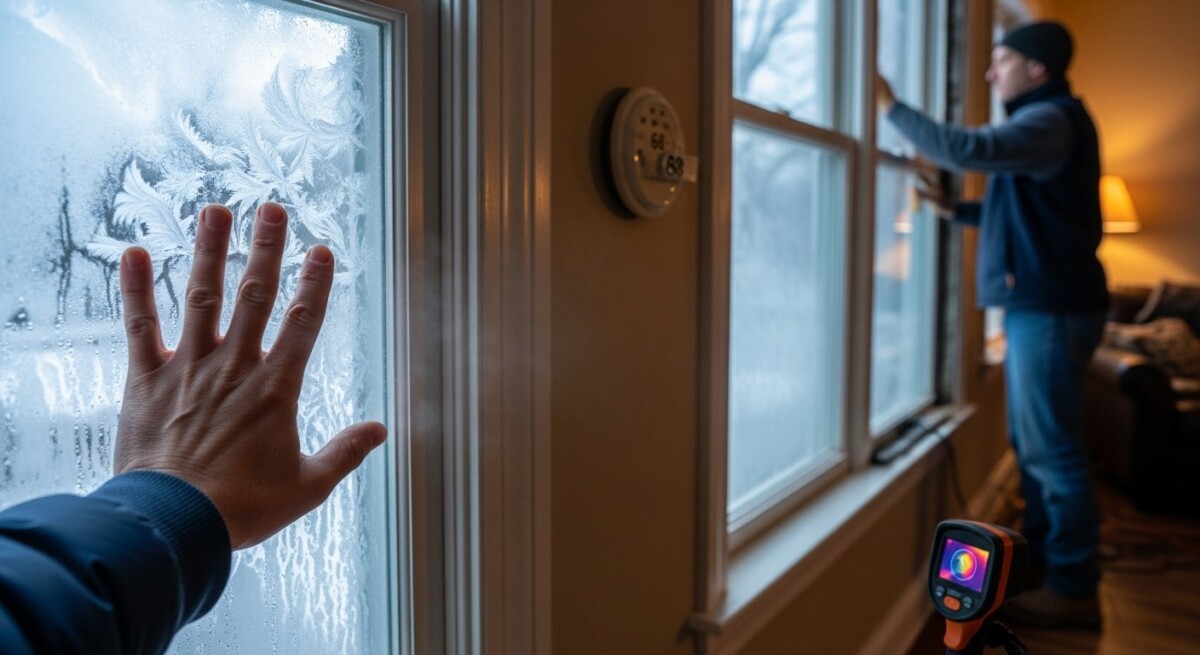
You walk into your living room on a cold winter morning and feel a draft near the window. The thermostat reads 68 degrees, but the floor feels like ice. You check your latest utility bill and notice it’s crept up again, even though you haven’t changed your habits. Many homeowners discover energy inefficiency the same way,through uncomfortable rooms, rising energy costs, or unexpected repairs. What starts as a small draft can point to larger issues like poor insulation, outdated windows, or an aging HVAC system. If left unaddressed, these problems can lead to higher monthly expenses, uneven temperatures throughout your home, and even structural damage over time. That’s where energy efficient renovations come in,a smart, practical way to improve your home’s performance while protecting your budget.
Understanding Energy Efficient Renovations
Energy efficient renovations are home improvement projects designed to reduce the amount of energy your home consumes while maintaining or improving comfort. These renovations target areas where heat or cool air escapes, such as attics, walls, windows, doors, and basements. By upgrading insulation, sealing air leaks, installing energy-efficient windows, or modernizing your HVAC system, you can keep your home comfortable year-round without wasting energy.
Homes built before 2000 are especially likely to benefit from these upgrades. Older construction often used less effective insulation, single-pane windows, and outdated heating and cooling equipment. Even newer homes can have gaps in air sealing or insufficient attic insulation. Energy efficient renovations address these weak points, helping your home perform better no matter its age.
Why This Matters for Your Home
Ignoring energy inefficiency doesn’t just mean higher utility bills,it can lead to real problems inside your home. Drafty rooms make it harder to stay comfortable, and your heating or cooling system has to work overtime to compensate. That extra strain can cause premature wear on your equipment, leading to expensive repairs or early replacement. Over time, moisture that enters through air leaks can damage insulation, promote mold growth, and even rot wood framing.
There are also safety considerations. An overworked furnace or air conditioner is more likely to malfunction, and in extreme cases, can create fire hazards or carbon monoxide risks. Energy efficient renovations reduce these risks by ensuring your home’s systems run properly and efficiently. They also increase your property’s resale value,buyers today actively look for homes with lower operating costs and modern, efficient features.
If you notice signs of this issue in your home, it may help to speak with a qualified contractor. Request a free quote or call to explore your repair or remodeling options.
Common Problems Homeowners Experience
Energy inefficiency shows up in many ways, and most homeowners notice the symptoms long before they identify the cause. You might feel cold drafts near windows or doors, even when they’re closed. Some rooms may be noticeably hotter or colder than others. Your heating or cooling system might run constantly without ever reaching the set temperature. These are signs that conditioned air is escaping and outside air is seeping in.
Other common issues include high energy bills that keep rising despite normal usage, ice dams forming on your roof in winter, or condensation on windows. In older homes, you may find that walls or attics have insufficient or deteriorated insulation. These problems aren’t just inconvenient,they cost you money every month and reduce your home’s overall comfort.
- Drafts around windows, doors, or electrical outlets
- Uneven room temperatures from room to room
- HVAC system running constantly or struggling to keep up
- Visible gaps or cracks in siding, foundation, or window frames
- Higher-than-expected utility bills with no change in usage
- Attic or basement spaces that feel extremely hot or cold
How Professionals Solve the Problem
Professional contractors bring experience, specialized tools, and knowledge of local building codes to energy efficient renovations. They start with a thorough assessment of your home’s current condition, often using tools like blower doors, thermal imaging cameras, and moisture meters. This allows them to pinpoint exactly where energy is being lost,not just guess based on symptoms. A professional can then recommend the most effective upgrades for your specific home and budget.
- Perform a home energy audit to identify leaks, insulation gaps, and equipment efficiency
- Seal air leaks around windows, doors, attic hatches, and plumbing penetrations
- Add or replace insulation in attics, walls, basements, and crawl spaces
- Install energy-efficient windows and doors that meet current standards
- Upgrade or replace HVAC systems, water heaters, and thermostats with high-efficiency models
Professional work is almost always safer and more reliable than DIY attempts. Contractors have the training to handle electrical, structural, and mechanical aspects correctly. They also ensure that new installations are properly sized for your home, which is critical for both performance and efficiency. Mistakes in DIY projects can lead to poor results, wasted materials, or even voided warranties on new equipment.
A professional inspection can reveal hidden issues before they become expensive repairs. Compare contractor quotes here or call to discuss your project.
Warning Signs You Should Not Ignore
Your home often gives you early warnings before major energy problems develop. Paying attention to these signs can save you hundreds or thousands of dollars in unnecessary costs. If you notice any of the following, it’s worth scheduling an inspection sooner rather than later. Early action typically means simpler, cheaper repairs and less disruption to your daily life.
- Sudden spikes in your heating or cooling bills
- Rooms that feel drafty or stuffy even when the HVAC is running
- Frost or ice buildup on windows during winter
- Attic insulation that looks flattened, damp, or missing in spots
- Doors or windows that stick, rattle, or have visible gaps
- Your HVAC system cycles on and off more frequently than usual
Ignoring these warning signs can lead to more severe consequences. Small air leaks can grow over time as materials shift and weather seals break down. Moisture intrusion from poor sealing can lead to mold growth and wood rot, which require costly remediation. In some cases, structural damage from long-term moisture exposure can compromise the safety of your home. Addressing energy efficiency early protects both your wallet and your home’s integrity.
What Affects the Cost of Repairs or Installation
The cost of energy efficient renovations varies widely depending on the scope of work and your home’s specific needs. A simple air sealing and attic insulation upgrade might cost a few hundred to a couple thousand dollars, while a full window replacement or HVAC system overhaul can run into the tens of thousands. The size of your home, the materials you choose, and local labor rates all play a role in the final price.
Accessibility also matters. If your attic is difficult to reach or your crawl space is cramped, the labor time increases. Older homes may require additional work to bring wiring or framing up to current code, which adds to the cost. However, many upgrades qualify for federal or state energy efficiency tax credits and rebates, which can offset a significant portion of the expense. A contractor can help you understand what incentives apply in your area.
Costs can vary depending on the condition of your home. The best way to know the price is to get a personalized estimate. Request free quotes from contractors or call today.
How to Choose the Right Contractor
Selecting the right contractor for your energy efficient renovation is just as important as choosing the right materials. A qualified professional will not only do the job correctly but also help you prioritize which upgrades offer the best return on investment. Start by gathering multiple quotes so you can compare pricing, timelines, and proposed approaches. Don’t automatically choose the lowest bid,evaluate each contractor’s experience and reputation.
- Verify the contractor is licensed, bonded, and insured in your state
- Read online reviews and ask for references from recent projects
- Request a detailed written estimate that lists materials, labor, and timeline
- Compare at least three quotes to understand the market rate
- Ask about experience with energy efficiency upgrades specifically, not just general remodeling
A good contractor will take the time to explain what they find during an inspection and why they recommend certain solutions. They should be willing to walk you through the process and answer your questions without pressure. If a contractor pushes a specific product or brand without explaining why it’s the right fit for your home, consider that a red flag. Trust your instincts and choose someone who communicates clearly and transparently.
Long-Term Benefits of Professional Work
Investing in energy efficient renovations with professional help pays off in multiple ways over the long term. The most immediate benefit is lower monthly utility bills,many homeowners see a 20% to 30% reduction after completing common upgrades. Over several years, those savings can more than cover the cost of the renovation. You also gain a more comfortable home with fewer drafts, more consistent temperatures, and better indoor air quality.
Durability is another major advantage. Professionally installed insulation, windows, and HVAC systems last longer and perform better than budget or DIY alternatives. Many products come with warranties that are only valid when installed by a certified professional. In our guide on energy efficient home upgrades that save money and add comfort, we explain how these improvements also increase your home’s resale value. Buyers are willing to pay more for a home with proven energy performance and modern systems.
Finally, professional renovations reduce future maintenance needs. A well-sealed home with efficient equipment experiences less wear and tear, meaning fewer emergency repairs and longer intervals between service calls. You also contribute to a smaller carbon footprint, which is an added benefit for environmentally conscious homeowners. For more on how heating and cooling improvements fit into an overall efficiency plan, check out our article on energy efficient HVAC systems for your home.
How long do energy efficient renovations take?
The timeline depends on the scope of the project. Simple air sealing and attic insulation can be completed in one to two days. Window replacement or HVAC upgrades typically take several days to a week. Major whole-home retrofits may last two to four weeks. Your contractor will provide a specific timeline during the estimate process.
Will energy efficient renovations really lower my utility bills?
Yes, most homeowners see noticeable savings. The exact amount depends on your home’s current condition and the upgrades you choose. On average, sealing air leaks and adding insulation reduces heating and cooling costs by 15% to 30%. Replacing old windows or an inefficient HVAC system can yield even greater savings.
Can I do energy efficient renovations myself to save money?
Some small tasks like caulking windows or adding weatherstripping are DIY-friendly. However, major projects like insulation installation, window replacement, and HVAC upgrades require professional expertise to be effective and safe. Improper DIY work can lead to poor performance, voided warranties, and even safety hazards.
What is the most cost-effective energy efficient renovation?
Air sealing and attic insulation typically offer the best return on investment. These upgrades are relatively low-cost and can dramatically reduce energy loss. Many homeowners recoup the cost within one to three years through lower utility bills. Your contractor can help identify which upgrade will have the biggest impact in your home.
Do energy efficient renovations qualify for tax credits or rebates?
Yes, many federal, state, and local incentives are available for energy efficient home improvements. The federal government offers tax credits for insulation, windows, doors, and qualified HVAC systems through programs like the Energy Efficient Home Improvement Credit. Your contractor or local utility company can provide information on current rebates in your area.
How do I know if my home needs energy efficient renovations?
Common signs include drafty rooms, high energy bills, uneven temperatures, and visible gaps around windows or doors. A professional home energy audit is the most accurate way to determine what your home needs. The audit will measure air leakage, insulation levels, and equipment efficiency to give you a clear picture.
Will energy efficient renovations increase my home’s resale value?
Yes, homes with energy efficient features often sell faster and at higher prices. Buyers are increasingly looking for properties with lower operating costs and modern, efficient systems. Upgrades like new windows, improved insulation, and high-efficiency HVAC are attractive selling points that can set your home apart in the market.
Should I replace all my windows at once or do them gradually?
Replacing all windows at once is usually more cost-effective because contractors can work more efficiently and materials can be purchased in bulk. However, if your budget is limited, you can prioritize the leakiest or most problematic windows first. A contractor can help you create a phased plan that still improves energy performance over time.
Energy efficient renovations are one of the smartest investments you can make in your home. They lower your monthly bills, improve comfort, protect your property, and increase its value. The key is to start with a professional assessment and compare quotes from qualified contractors. By acting early, you avoid bigger problems down the road and enjoy a more comfortable, efficient home year-round. Compare contractor quotes today to see what’s possible for your home.