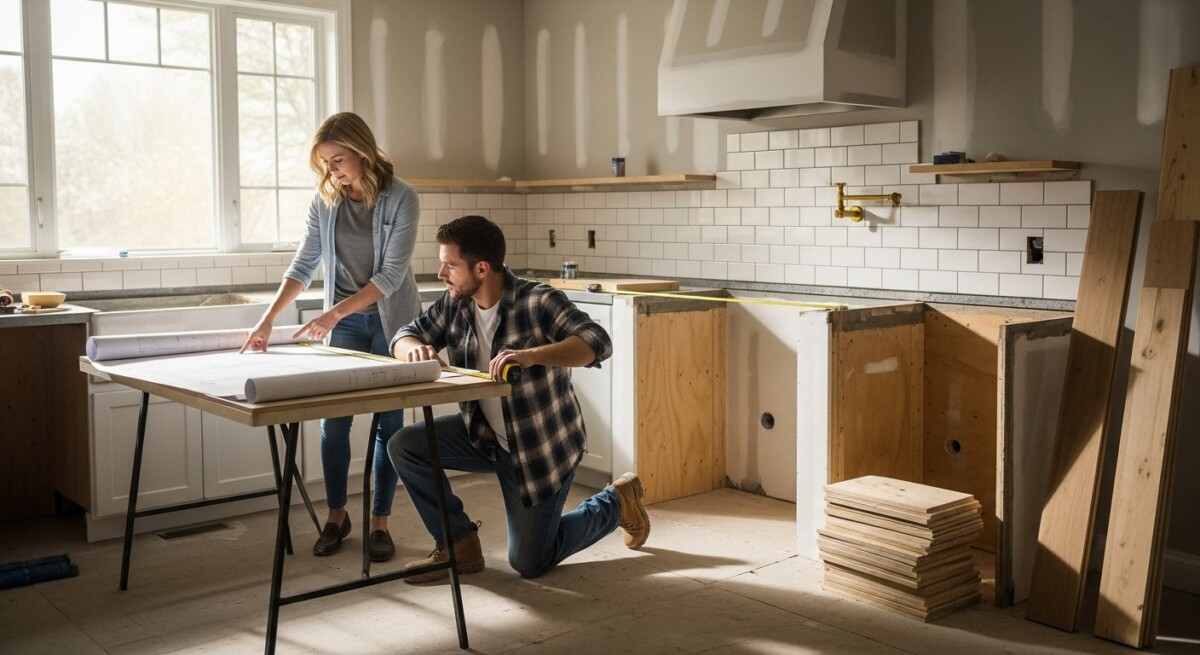
How Long Renovation Projects Take: A Realistic Homeowner Timeline
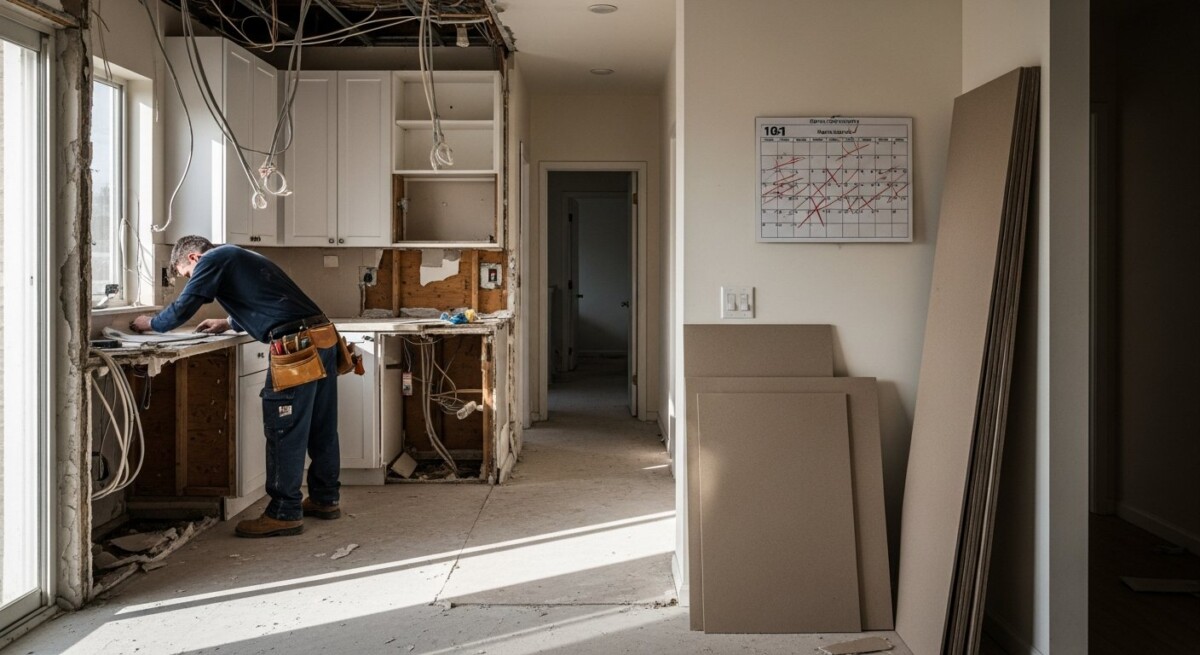
You finally saved up for that kitchen update. Or maybe the guest bathroom has needed new tile for years. You picture the work taking a week or two, tops. Then your neighbor mentions her own kitchen remodel dragged on for three months. Suddenly, you wonder: how long renovation projects take for a typical home , and whether you can handle the disruption.
Most homeowners discover this question the hard way. A quick “weekend project” turns into weeks of dust, delayed materials, and unexpected plumbing issues. The problem isn’t just inconvenience. When a renovation drags on, you face mounting costs, temporary living expenses, and even safety risks from half-finished work. Ignoring the planning phase often leads to budget overruns and contractor disputes.
The truth is, understanding how long renovation projects take before you start can save you money, stress, and protect your home’s value. Let’s break down what realistic timelines look like and how to avoid common pitfalls.
Understanding How Long Renovation Projects Take
A renovation timeline depends on the project’s scope, your home’s condition, and the availability of materials and labor. A simple bathroom refresh might take two to three weeks, while a whole-home remodel can stretch six months or longer. The key is knowing what your specific project requires , not what you hope it will take.
Why do timelines vary so much? Older homes often hide surprises like outdated wiring, asbestos, or water damage behind walls. Once demolition starts, contractors may need to stop work and address these issues before proceeding. Homes built before 1980 are especially prone to these delays.
Even newer homes can face setbacks. Supply chain disruptions, backordered fixtures, and permit delays regularly push projects past their original deadlines. The average kitchen remodel, for example, takes six to eight weeks from demolition to final touches , but that’s assuming everything goes smoothly. When you account for inspections and unforeseen repairs, many homeowners report timelines closer to ten weeks.
Which Rooms Take the Longest
Kitchens and bathrooms typically require the most time because they involve plumbing, electrical work, and custom cabinetry. A full kitchen remodel often takes eight to twelve weeks. A master bathroom remodel usually runs four to six weeks. By contrast, painting a room or installing new flooring might take only a few days.
Why This Matters for Your Home
Knowing realistic timelines isn’t just about planning your schedule. It directly affects your home’s safety and long-term value. A rushed renovation can lead to shoddy workmanship, code violations, and hidden damage that surfaces years later. On the flip side, an overly long project increases the risk of theft, weather damage, and contractor fatigue.
Delaying necessary repairs while you wait for a full renovation also compounds costs. A small leak behind a shower wall, left untouched for months, can cause mold growth and structural rot. What started as a $5,000 bathroom update becomes a $15,000 rebuild. Our guide on how long home remodeling takes explains how early planning helps you avoid these expensive surprises.
Comfort matters too. Living in a construction zone for months strains family routines and reduces your enjoyment of the home. Understanding the timeline upfront helps you decide whether to stay put, rent temporary housing, or phase the work in stages.
If you notice signs of this issue in your home, it may help to speak with a qualified contractor. Request a free quote or call to explore your repair or remodeling options.
Common Problems Homeowners Experience
Most timeline problems stem from a few predictable issues. The most common is underestimating how long permits and inspections take. Many homeowners don’t realize that pulling a permit for structural work can add two to four weeks to a project before a single hammer swings.
Material delays are another major frustration. Popular countertop slabs, specialty tiles, and custom cabinets often have lead times of four to eight weeks. If you order these items after demolition begins, your project sits idle while you wait. Seasonality also plays a role , contractors are busiest in spring and summer, so starting a large project in November might mean longer wait times for labor.
Here are common problems that stretch renovation timelines:
- Hidden water damage or mold found after opening walls
- Outdated electrical panels that need upgrading to meet code
- Asbestos or lead paint requiring specialized abatement
- Unlevel floors or crooked walls that need structural correction
- Backordered fixtures like faucets, vanities, or windows
- Permit inspection failures that require rework
How Professionals Solve the Problem
Experienced contractors don’t just swing hammers , they manage the entire process to keep your project on track. They start with a thorough site assessment to identify hidden issues before demolition. This upfront inspection often catches problems that would otherwise halt work mid-project.
A professional renovation typically follows this process:
- Initial consultation and measure , assessing scope, materials, and timeline
- Permit application and approvals , handling city paperwork
- Ordering materials with lead times , securing fixtures and finishes early
- Demolition and site preparation , removing old materials safely
- Rough-in work , plumbing, electrical, and HVAC changes
- Inspections , passing code checks before closing walls
- Finishes and trim , installing flooring, cabinets, paint, and fixtures
- Final walkthrough and punch list , addressing last details
Professional work reduces the risk of costly mistakes. A licensed contractor knows local building codes, has relationships with suppliers, and can troubleshoot problems without losing a week researching solutions. DIY renovations often take two to three times longer because homeowners learn as they go, make errors, and wait for tool rentals or parts.
A professional inspection can reveal hidden issues before they become expensive repairs. Compare contractor quotes here or call to discuss your project.
Warning Signs You Should Not Ignore
Your home often gives clues that a renovation will take longer than expected. Pay attention to these early indicators before you commit to a timeline. Ignoring them can turn a four-week project into a four-month ordeal.
For example, if you notice cracks in drywall near doors or windows, it may indicate foundation movement or structural settling. Similarly, musty smells in a basement or crawlspace often point to moisture problems that require remediation before you can finish a space. Addressing these issues early keeps your timeline realistic.
Watch for these warning signs:
- Water stains on ceilings or walls , likely roof or pipe leaks
- Persistent musty odors , hidden mold or moisture
- Doors that stick or don’t close properly , possible foundation shifts
- Cracks in brick or siding , potential structural issues
- Flickering lights or tripped breakers , outdated electrical systems
- Soft spots in flooring , water damage or rot
Catching these problems before you start demolition saves time and money. A contractor can include remediation in the initial quote rather than charging change orders mid-project. For a detailed bathroom remodel timeline, see our specific guide on what to expect room by room.
What Affects the Cost of Repairs or Installation
Timeline and cost go hand in hand. Longer projects almost always cost more because you’re paying for additional labor, materials, and often temporary housing or storage. Understanding the factors that drive both time and cost helps you budget realistically.
The size of the project is the biggest factor. A half-bath refresh costs less and finishes faster than a full master suite. Materials also matter , custom cabinetry and high-end tile require longer lead times and more skilled labor for installation. Accessibility is another variable: a third-floor bathroom with narrow stairs takes longer to remodel than a first-floor powder room.
Your home’s age plays a major role too. Homes built before 1970 often contain non-standard framing, plaster walls, and outdated systems that require careful handling. Each unexpected discovery adds both time and cost. The best way to know what your project will actually cost , and how long it will take , is to get multiple contractor estimates based on a site visit, not a phone call.
Costs can vary depending on the condition of your home. The best way to know the price is to get a personalized estimate. Request free quotes from contractors or call today.
How to Choose the Right Contractor
Picking the right contractor is the single most important decision you’ll make for your renovation timeline. A skilled professional sets realistic expectations, communicates delays early, and finishes on schedule. A poor choice leads to missed deadlines, budget overruns, and frustration.
Start by asking for recommendations from neighbors or local hardware stores. Then interview at least three contractors and compare their proposed timelines, not just their prices. Be wary of anyone who promises an impossibly fast completion , realistic contractors build in buffer time for unexpected issues.
Here are tips for choosing a contractor who respects your timeline:
- Verify licenses and insurance , protects you from liability
- Read recent online reviews , focus on comments about timeliness
- Ask for a detailed written estimate , should include timeline milestones
- Compare at least three quotes , helps you spot unrealistic promises
- Confirm experience with your specific project type , kitchen, bath, basement, etc.
Remember that the cheapest bid rarely delivers the fastest or best result. A contractor who bids significantly lower may cut corners or lack the resources to staff your project full-time. Investing in a reputable pro saves you headaches later. Learn more about kitchen remodel timelines to set clear expectations for your contractor.
Long-Term Benefits of Professional Work
When you hire a professional contractor and plan for a realistic timeline, the benefits extend far beyond the finished look. Your renovation will be safer, more durable, and add genuine value to your home. Professional work comes with warranties, code compliance, and peace of mind.
Durability is a major advantage. A properly installed bathroom or kitchen will last 15 to 20 years without major repairs. Energy-efficient windows, insulation, and appliances lower your utility bills every month. And because professional work meets building codes, you won’t face issues when you eventually sell your home , failed inspections during a home sale can kill a deal.
Finally, a well-planned renovation protects your home’s resale value. According to industry data, homeowners recoup 60 to 80 percent of renovation costs at resale when the work is done professionally. That return drops significantly for DIY work or projects that took too long and caused additional damage. By investing in the right pro and a realistic timeline, you’re protecting your biggest asset.
Frequently Asked Questions
How long does a typical kitchen remodel take?
A full kitchen remodel usually takes 6 to 12 weeks from demolition to completion. This includes cabinet installation, countertops, plumbing, electrical work, flooring, and painting. Delays from custom orders or hidden wall issues can extend the timeline.
Why do renovation projects always take longer than quoted?
Contractors often provide optimistic timelines based on ideal conditions. Real-world factors like permit delays, material backorders, and hidden damage in older homes add time. A good contractor builds in a 10 to 20 percent buffer, but surprises still happen.
How long does a bathroom remodel take?
A standard bathroom remodel typically takes 4 to 6 weeks. A simple refresh with new paint, vanity, and fixtures might take 2 to 3 weeks. A full gut renovation with tile, new tub, and relocated plumbing often runs 6 to 8 weeks.
Can I live in my house during a renovation?
Yes, but it depends on the scope. Kitchen remodels are the most disruptive since you lose cooking access for weeks. Bathroom remodels are manageable if you have a second bathroom. For whole-home renovations, many homeowners rent temporary housing.
What causes the longest delays in a renovation?
Permit approvals and material lead times cause the longest delays. Custom cabinets, specialty tiles, and imported fixtures can take 4 to 8 weeks to arrive. Structural surprises like rot or outdated wiring can halt work for weeks while you approve change orders.
How can I speed up my renovation timeline?
Order materials before demolition starts, especially items with long lead times. Choose standard sizes and finishes rather than custom options. Get multiple contractor bids and select one with availability to start immediately. Avoid making changes once work begins.
Is it cheaper to do a renovation in phases?
Phasing a renovation can spread costs over time, but it often increases the total price due to mobilization fees and inflation. It also stretches the overall timeline. For major projects, completing everything at once is usually more cost-effective.
Do I need a permit for a small renovation?
Most jurisdictions require permits for structural changes, electrical work, plumbing, and any work that alters the home’s footprint. Cosmetic updates like painting or replacing countertops typically don’t need permits. Always check with your local building department to avoid fines or inspection issues.
Understanding how long renovation projects take is the first step to a successful home improvement. A realistic timeline protects your budget, your sanity, and your home’s value. Before you pick up a hammer or sign a contract, take time to plan properly and compare your options. The best way to start is by getting professional quotes that account for your home’s unique condition. Request free estimates from trusted contractors here or call to begin your project with confidence.