
DIY Remodeling vs Contractor: A Homeowner’s Practical Guide
A practical guide for homeowners weighing DIY remodeling against hiring a contractor. Learn the risks, benefits, and how to make the right choice for your project and budget.
By Jessica Reis
Learn more about Exterior Painting for guides, costs, and what to expect.
Compare Exterior Painting Pros Near You

Enter your ZIP code to compare top-rated local professionals and request free quotes.
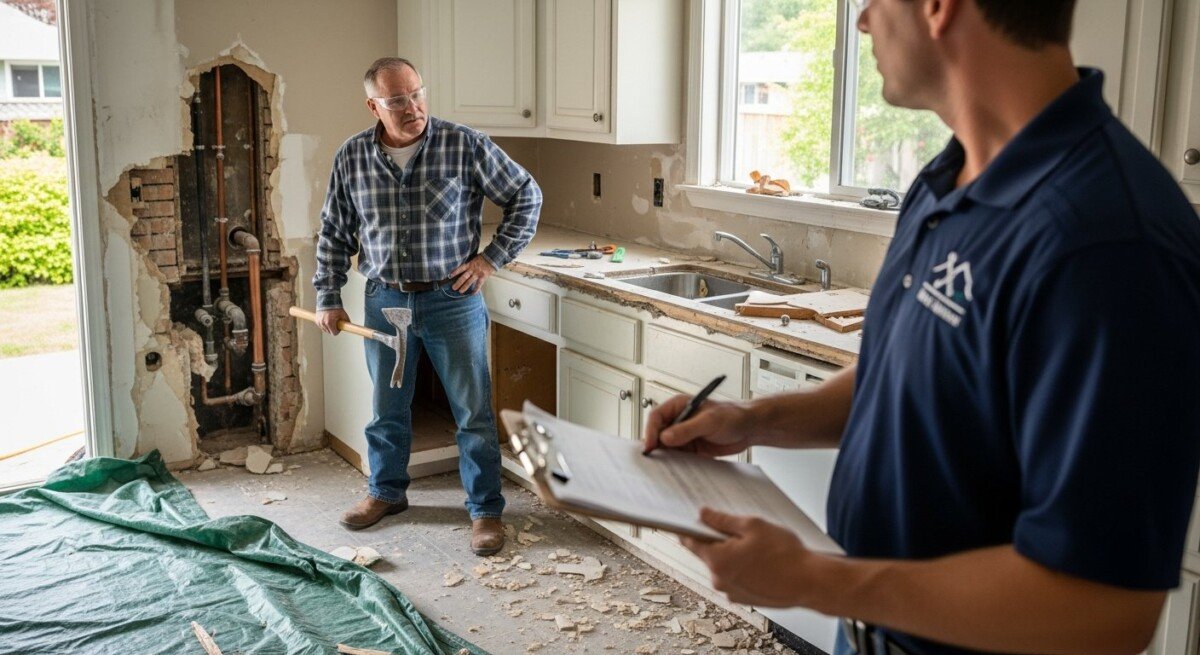
You’ve been dreaming of a new kitchen for years, and this weekend, you’re finally ready. You watch a few online tutorials, buy the supplies, and confidently start tearing out the old cabinets. But then you hit a snag,a pipe you didn’t know was there, an electrical wire that looks wrong, or a wall that isn’t as straight as it seemed. Suddenly, your exciting DIY project feels overwhelming, risky, and expensive. This moment, faced with the choice between pushing forward alone or calling a professional, is the core of the DIY remodeling vs contractor debate. Ignoring the complexity of a project can lead to costly mistakes, safety hazards, and a renovation that drains your budget and time instead of adding value to your home.
Understanding DIY Remodeling vs Contractor
At its heart, the decision between DIY and hiring a contractor is about balancing control, cost, and capability. DIY remodeling means you are the project manager, designer, and labor crew. You handle everything from planning and permits to purchasing materials and executing the work.
Hiring a contractor means bringing in a licensed professional who manages the entire process. They bring expertise, a network of trusted subcontractors (like electricians and plumbers), and assume responsibility for the project’s outcome. The right choice isn’t the same for every homeowner or every project.
It depends on the scope of work, your skill level, available time, and budget. A simple cosmetic update might be a perfect DIY task, while a full bathroom gut job typically requires a pro.
When DIY Can Make Sense
DIY projects are best suited for tasks that are low-risk, cosmetic, and within a homeowner’s proven skill set. Think painting walls, installing shelving, laying click-lock flooring, or refreshing cabinet hardware. These projects have a clear margin for error and don’t involve critical home systems.
Why This Matters for Your Home
Choosing the wrong path for your remodel can have serious consequences for your biggest investment. A DIY project gone wrong doesn’t just look bad,it can create hidden problems that compromise your home’s structure, safety, and efficiency.
For example, incorrectly wiring a new light fixture poses a fire risk. Improperly sealing a shower can lead to water damage inside your walls, fostering mold that’s expensive to remediate. These issues often aren’t discovered until much later, when repairs are far more extensive.
Beyond immediate damage, poor workmanship can significantly reduce your home’s resale value. Potential buyers and home inspectors will notice subpar renovations, which can lead to lower offers or demands for costly repairs before a sale closes. Protecting your investment means ensuring work is done correctly the first time.
If you notice signs of this issue in your home, it may help to speak with a qualified contractor. Request a free quote or call to explore your repair or remodeling options.
Common Problems Homeowners Experience
Even with the best intentions, DIYers often encounter predictable hurdles. These problems stem from a lack of specialized knowledge, tools, or experience managing complex, multi-stage projects.
What starts as a weekend project can stretch into months of living in a construction zone, causing daily stress and disruption. Without a contractor’s established workflow, tasks get out of sequence, leading to rework and wasted materials.
- Budget Blowouts: Underestimating material costs, encountering unforeseen problems (like rot or outdated wiring), and buying incorrect supplies can quickly double a projected budget.
- Time Sinks: Projects take 3-4 times longer than anticipated due to the learning curve, working only on evenings and weekends, and problem-solving delays.
- Code Violations: Unknowingly bypassing building permits and local codes can result in fines, forced re-dos, and problems during a future home sale.
- Safety Hazards: Risks from improper electrical work, structural modifications, or handling hazardous materials like asbestos or lead paint.
- Quality & Aesthetic Issues: Visible mistakes like uneven tile, poorly hung cabinets, or bad paint lines that diminish the finished look and functionality.
- System Integration Failures: Failing to correctly integrate new work with existing plumbing, electrical, or HVAC systems, leading to performance issues.
How Professionals Solve the Problem
A professional contractor brings a systematic, proven approach to remodeling. They see your project not as a series of isolated tasks, but as an interconnected whole. Their primary value is in foreseeing challenges you might not anticipate and navigating them efficiently.
They manage the complex dance of scheduling inspections, coordinating deliveries, and ensuring different trades complete their work in the correct order. This project management skill is often what DIYers find most overwhelming and is key to a timely, on-budget completion. For a deeper look at this process, our guide on house remodeling contractors breaks down what to expect from start to finish.
- Comprehensive Assessment & Planning: A good contractor starts with a detailed evaluation of the existing space, identifying potential hidden issues and creating a precise plan and timeline.
- Permitting & Code Compliance: They handle all necessary permits, ensuring the project meets local building codes,a critical step for safety and legality.
- Expert Material Sourcing: Contractors have trade relationships for better pricing on materials and know which products offer the best durability and value.
- Skilled Execution & Trade Coordination: They either possess the skills themselves or manage a team of licensed specialists (electricians, plumbers) to execute each phase correctly.
- Quality Control & Problem-Solving: They continuously inspect work, fix issues as they arise, and ensure the final product matches the plan and quality standards.
- Cleanup & Final Walkthrough: Professionals leave the site clean and conduct a final review with you to ensure complete satisfaction.
A professional inspection can reveal hidden issues before they become expensive repairs. Compare contractor quotes here or call to discuss your project.
Warning Signs You Should Not Ignore
How do you know if a project is beyond your DIY comfort zone? Certain red flags indicate a need for professional expertise. Ignoring these signs is the fastest way to turn a manageable renovation into a disaster.
Listen to your instincts. If you feel deep uncertainty about a step, if the tutorials you watch seem to contradict each other, or if you’re unsure about local regulations, it’s time to pause. Getting a professional opinion at this stage can save immense time and money.
- The project requires a permit. If your city requires a permit for the work, it’s almost always a job for a pro who understands code requirements.
- It involves structural walls, plumbing, or electrical systems. Mistakes here are costly and dangerous.
- You discover mold, asbestos, or major rot. These require specialized handling and disposal.
- The project has multiple interdependent phases (e.g., moving plumbing, then tiling, then installing fixtures).
- You lack the necessary specialized tools and the cost to rent or buy them is significant.
- The timeline is tight, such as needing a functional kitchen before a major family event.
What Affects the Cost of Repairs or Installation
Many homeowners choose DIY primarily to save money. However, it’s crucial to understand what goes into a contractor’s quote to make a fair comparison. A professional quote isn’t just for labor; it’s for risk management, expertise, and efficiency.
Key factors include the project’s size and complexity, the quality of materials selected, local labor rates, and the home’s age (older homes often have hidden surprises). Accessibility, like a small bathroom or a second-story addition, can also increase costs. A detailed quote from a reputable contractor will itemize these factors, providing transparency and helping you avoid the hidden costs of DIY, such as tool rentals, waste disposal, and multiple material runs.
Costs can vary depending on the condition of your home. The best way to know the price is to get a personalized estimate. Request free quotes from contractors or call today.
How to Choose the Right Contractor
Once you decide to hire a pro, selecting the right one is your most important task. A good contractor is a partner who communicates clearly, respects your budget, and delivers quality work. Start by getting multiple detailed estimates,not just bottom-line numbers, but itemized breakdowns of scope and materials.
Don’t automatically choose the lowest bid. A suspiciously low quote can indicate inexperience, cutting corners, or misunderstandings about the project scope. The goal is to find the best value: a fair price for reliable, high-quality work and peace of mind. For those with busy schedules, finding fast-turnaround remodeling contractors who balance speed with quality is a specific skill worth seeking.
- Verify Licenses, Insurance, and Bonding: This is non-negotiable. It protects you from liability and ensures they meet state standards.
- Check References and Online Reviews: Look at past work similar to your project and talk to former clients about their experience.
- Get a Detailed, Written Contract: It should outline the project scope, timeline, payment schedule, materials (including brands/model numbers), and how change orders are handled.
- Assess Communication: Choose someone who listens, answers questions clearly, and is responsive from the first meeting.
- Compare Multiple Quotes: Get at least three detailed estimates to understand the market rate and different approaches to your project. A great first step is finding and working with local remodeling contractors who know your area’s specific needs and codes.
Long-Term Benefits of Professional Work
Investing in professional remodeling work pays dividends long after the project is complete. The benefits extend far beyond the immediate visual upgrade to touch on safety, finances, and daily comfort.
Professionally installed systems and finishes last longer and perform better. A correctly waterproofed shower won’t leak. Properly installed windows improve energy efficiency. These quality outcomes reduce future maintenance costs and headaches.
Most importantly, professional work with proper permits adds documented value to your home. When it’s time to sell, a well-executed renovation is a strong selling point that appraisers and buyers recognize and reward, often providing a high return on your initial investment.
How long does a typical kitchen remodel take?
A professional kitchen remodel typically takes 6 to 12 weeks from start to finish, depending on the scope. A DIY project with similar scope can easily take 6 months or more due to part-time work and problem-solving delays.
Can I save money by doing some work myself and hiring for the rest?
Yes, this hybrid approach is common and can be effective. Homeowners often handle demo, painting, or final cleanup to save on labor costs. Be clear with your contractor about what you will do to ensure it fits their schedule and doesn’t complicate their work.
What questions should I ask a contractor before hiring?
Ask about their experience with projects like yours, who will be the on-site supervisor, the daily work schedule, how they handle unexpected issues, and for a list of recent references. Also confirm who is responsible for obtaining permits.
Is it ever too late to call a contractor after starting DIY?
No. Contractors are often called to fix or complete DIY projects. It may cost more to correct mistakes, but it’s almost always cheaper than continuing down a wrong path. Be upfront about what’s been done so they can assess properly.
How do I budget for unexpected costs in a remodel?
Professionals and financial advisors recommend adding a contingency of 10-20% of the total project budget for unforeseen issues, especially in older homes. A good contractor will help identify potential risks early.
What’s the biggest advantage of using a contractor?
Peace of mind. A reputable contractor assumes the risk, manages the complexity, and delivers a finished product you can enjoy for years. They turn a stressful process into a managed experience with a guaranteed outcome.
The choice between DIY and hiring a contractor is one of the most significant decisions in home improvement. By honestly assessing your skills, the project’s demands, and the long-term value, you can choose the path that protects your home, your safety, and your investment. If your project involves complexity, tight timelines, or critical systems, gathering a few detailed contractor quotes is a smart, low-risk first step toward a successful and stress-free remodel.
Learn more about Exterior Painting for guides, costs, and what to expect.
Compare Exterior Painting Pros Near You
Enter your ZIP code to compare top-rated local professionals and request free quotes.