
Crawl Space Encapsulation Benefits and Process Explained
Crawl space encapsulation benefits process seals out moisture, cuts energy bills, and improves air quality. Call 8337004293 for expert help.
By James Morgan
Learn more about Home Waterproofing for guides, costs, and what to expect.
Compare Home Waterproofing Pros Near You

Enter your ZIP code to compare top-rated local professionals and request free quotes.
A damp, musty crawl space is more than an inconvenience. It can quietly undermine your home's structural integrity, drive up energy bills, and create an unhealthy indoor environment. Many homeowners ignore this hidden zone until problems surface in the living space above: warped floors, high humidity, or lingering odors. Understanding crawl space encapsulation benefits and process gives you a clear path to solving these issues permanently.
Crawl space encapsulation is a comprehensive approach that seals the entire crawl space from ground to ceiling, creating a conditioned, dry environment. Unlike simple venting or partial fixes, encapsulation addresses the root causes of moisture and air infiltration. For homeowners dealing with chronic moisture, this solution offers lasting protection and measurable savings. In this guide, we will walk through what encapsulation involves, why it pays off, and how to plan the project with confidence.
What Is Crawl Space Encapsulation
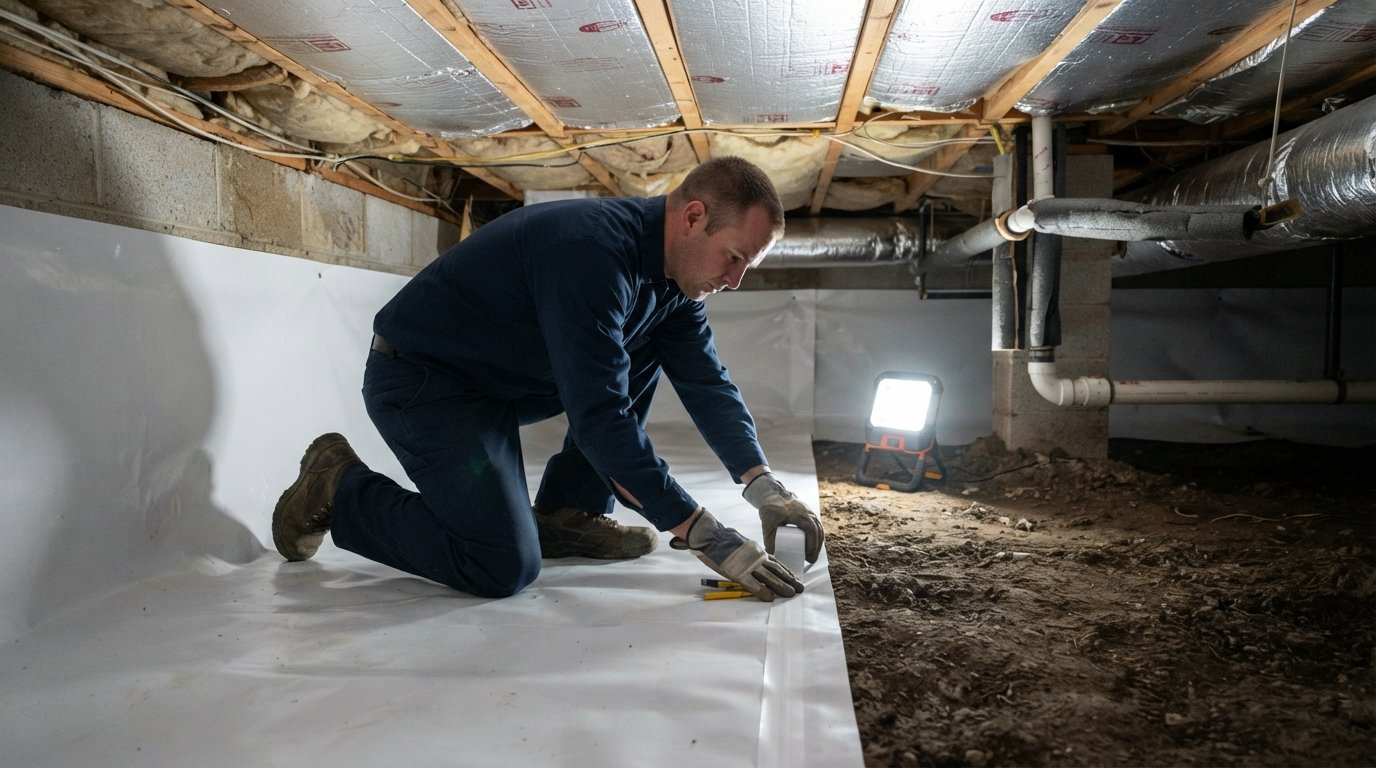
Crawl space encapsulation is the installation of a heavy-duty vapor barrier across the floor, walls, and sometimes the ceiling of your crawl space. This barrier is typically made from reinforced polyethylene, ranging from 6 to 20 mils thick. It is sealed at all seams and edges, and any gaps around pipes, piers, or foundation walls are carefully closed. The goal is to completely isolate the crawl space from ground moisture and outside air.
In a traditional vented crawl space, open vents allow humid outside air to enter. During summer, that warm, moist air condenses on cooler surfaces, leading to wood rot, mold growth, and rusted pipes. Encapsulation reverses this logic: it closes the vents and treats the crawl space as part of the conditioned home. A dehumidifier is often added to maintain ideal humidity levels year-round.
Homeowners often confuse encapsulation with simple waterproofing or a thin plastic liner. True encapsulation is a system: a sealed barrier, closed vents, drainage corrections if needed, and sometimes insulation. When installed correctly, it transforms a problematic area into a clean, dry, and usable space. This is why many contractors consider it the gold standard for crawl space moisture control.
Key Benefits of Crawl Space Encapsulation
The advantages of encapsulation extend far beyond a drier crawl space. They touch your health, your wallet, and your home's long-term value. Let us break down the most significant benefits.
- Improved indoor air quality: Up to 50 percent of the air you breathe on the first floor can come from the crawl space. Sealing it prevents mold spores, dust, and allergens from rising into living areas.
- Lower energy bills: A sealed crawl space reduces heat loss in winter and keeps cool air from escaping in summer. Many homeowners see a 10 to 20 percent reduction in heating and cooling costs.
- Structural protection: By keeping wood framing dry, encapsulation prevents rot, warping, and termite damage. It also protects metal pipes and HVAC components from rust.
- Elimination of musty odors: The earthy, damp smell that greets you in some homes often originates in the crawl space. Encapsulation removes the source.
- Increased home value: A dry, encapsulated crawl space is a selling point. It signals a well-maintained home and can justify a higher asking price.
These benefits compound over time. A one-time investment in encapsulation can prevent thousands of dollars in future repairs, from replacing rotted floor joists to remediating extensive mold. Moreover, a healthier home environment reduces allergy and asthma triggers, which is especially important for families with young children or elderly members.
It is worth noting that encapsulation also discourages pests. Rodents, insects, and spiders thrive in dark, damp spaces. Once the area is sealed and dry, it becomes far less inviting. This adds another layer of protection for your home and your peace of mind.
The Crawl Space Encapsulation Process Step by Step
Understanding the process helps you evaluate contractor proposals and set realistic expectations. While every home is different, a professional encapsulation project typically follows a similar sequence. Here is what you can expect.
- Inspection and assessment: The contractor examines the crawl space for moisture sources, structural issues, pest activity, and existing insulation. They may measure humidity levels and check for standing water or drainage problems.
- Preparation and cleanup: Any debris, old insulation, or organic material is removed. If mold is present, it is treated and remediated before encapsulation begins.
- Sealing and repairs: Cracks in the foundation, gaps around pipes, and other entry points are sealed. If needed, a sump pump or drainage system is installed to manage groundwater.
- Vapor barrier installation: A heavy-duty polyethylene liner is laid across the floor, up the walls, and sometimes across the ceiling. It is cut to fit around piers, pipes, and other obstructions, then sealed with specialized tape and adhesive.
- Vent closure and insulation: Foundation vents are sealed shut. Insulation may be added to walls or rim joists to improve thermal performance.
- Dehumidifier installation: A crawl space dehumidifier is often installed to maintain humidity between 45 and 55 percent, preventing condensation and mold growth.
- Final inspection: The contractor verifies that the barrier is airtight, the dehumidifier is functioning, and all work meets local codes.
Depending on the size and condition of your crawl space, the entire process can take one to three days. Larger or more problematic spaces may require additional time. After installation, you should check the dehumidifier periodically and keep the crawl space free of debris. With proper maintenance, an encapsulated crawl space can last 20 years or more.
It is important to hire a qualified professional for this work. DIY encapsulation kits are available, but they often lack the thickness, sealing quality, and structural repairs needed for a lasting solution. A professional contractor will also ensure that any underlying issues, such as poor drainage or foundation cracks, are addressed before the barrier goes down. If you are planning a larger renovation, you might also consider services like those offered by comprehensive bathroom remodeling in Dover, which can complement your moisture-control efforts and improve your home's overall comfort.
Cost Factors and What to Expect
The cost of crawl space encapsulation varies widely based on several factors. On average, homeowners can expect to pay between $1,500 and $15,000, with most projects falling in the $3,000 to $8,000 range. The price depends on the size of the crawl space, the thickness of the vapor barrier, the extent of repairs needed, and whether a dehumidifier is included.
Additional factors include the presence of mold or pests, the need for drainage systems, and local labor rates. It is wise to get multiple quotes to compare pricing and scope of work. A detailed proposal should outline the materials to be used, the thickness of the liner, sealing methods, and any ancillary services like mold remediation or insulation. Be wary of unusually low bids, as they may cut corners on materials or skip critical steps.
Financing options are often available for home improvement projects, including encapsulation. Some contractors partner with lenders to offer monthly payment plans. If you are considering other upgrades, such as roofing or window replacement, you can explore 180 Remodel for additional home renovation ideas and professional contractor connections. Combining projects can sometimes reduce overall costs and streamline the work.
From a return-on-investment perspective, encapsulation is a smart move. It can lower energy bills, prevent costly structural repairs, and improve indoor air quality. While it may not have the visual appeal of a kitchen remodel, it protects the bones of your home. Many real estate agents highlight a dry crawl space as a sign of a well-maintained property, which can speed up a sale and attract better offers.
Is Crawl Space Encapsulation Right for Your Home?
Not every home needs encapsulation, but if you notice signs of moisture problems, it is worth considering. Common indicators include musty odors, high humidity on the first floor, condensation on windows or pipes, and visible mold or mildew in the crawl space. You might also see sagging floors, which can result from moisture-damaged joists.
Homes in humid climates or areas with high water tables benefit most from encapsulation. If your crawl space has a dirt floor, it is a prime candidate. Even if you have a concrete floor, encapsulation can still help control humidity and improve air quality. A professional inspection can determine whether encapsulation is the best solution or if simpler measures, like a partial vapor barrier, would suffice.
It is also wise to consider encapsulation if you are planning to sell your home or if you have family members with respiratory issues. The health benefits alone can justify the investment. For homeowners looking to enhance their property, addressing crawl space moisture is a foundational step that supports other renovations and improvements.
Maintaining Your Encapsulated Crawl Space
Once encapsulation is complete, maintenance is minimal but important. Check the dehumidifier regularly to ensure it is draining properly and set to the correct humidity level. Inspect the vapor barrier annually for tears or gaps, especially around pipes and piers. If you notice any damage, repair it promptly to maintain the seal.
Keep the crawl space clean and free of stored items that could block airflow or damage the liner. Avoid using the space for storage unless it is properly conditioned. If you notice a musty smell returning, it could indicate a new moisture source or a breach in the barrier. Addressing issues early prevents bigger problems down the road.
Finally, consider scheduling a professional inspection every few years. A contractor can verify that the encapsulation system is functioning as intended and make any necessary adjustments. This small ongoing effort ensures that your investment continues to protect your home for decades.
Encapsulating your crawl space is a decision that pays dividends in comfort, savings, and peace of mind. By understanding the benefits and process, you can move forward with confidence and enjoy a healthier, more efficient home.
Learn more about Home Waterproofing for guides, costs, and what to expect.
Compare Home Waterproofing Pros Near You
Enter your ZIP code to compare top-rated local professionals and request free quotes.