How Home Remodeling Works: A Simple Guide for Homeowners
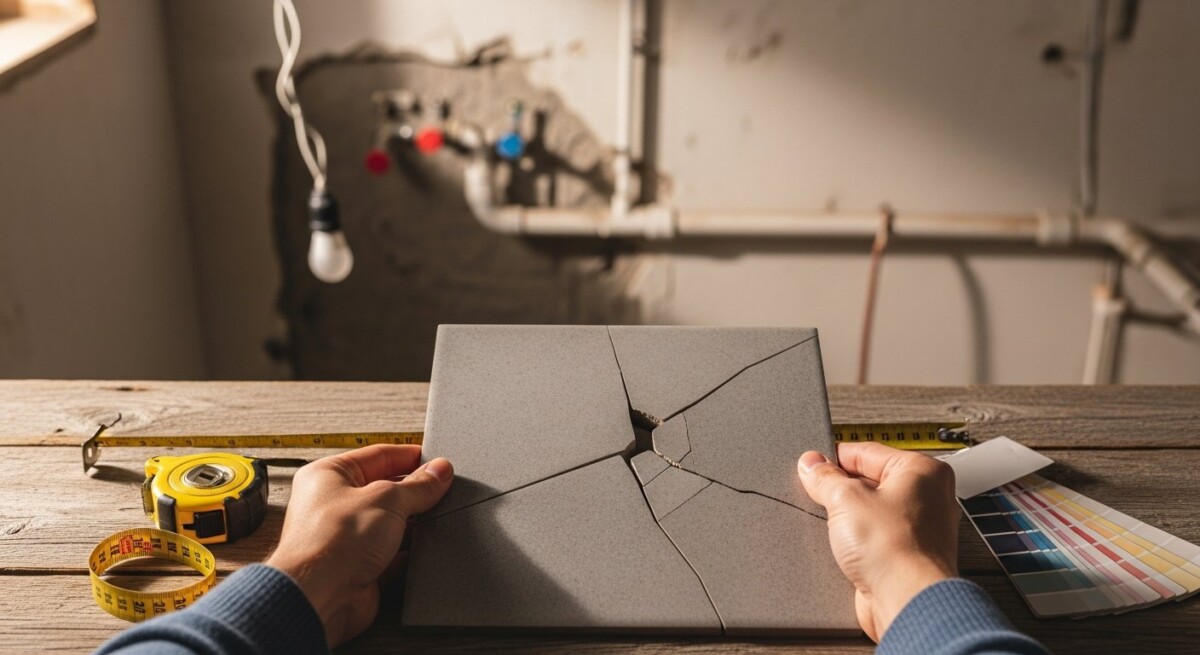
You walk into your kitchen one morning and notice a small water stain on the ceiling. Or perhaps your bathroom tile is starting to crack, and the grout has turned a questionable shade of gray. These moments often mark the beginning of a homeowner’s journey into remodeling,a process that can feel overwhelming, expensive, and confusing. The problem is that most homeowners discover issues like these gradually, and without a clear plan, small nuisances can turn into major disruptions. Understanding how home remodeling works is the first step toward protecting your investment and creating a space you truly enjoy.
Understanding How Home Remodeling Works
At its core, home remodeling is the process of updating, repairing, or transforming part of your home to improve its function, appearance, or value. It can range from a simple bathroom refresh,new vanity, paint, and lighting,to a full gut renovation of an entire floor. The key difference between remodeling and a simple repair is that remodeling involves intentional changes that go beyond just fixing what is broken.
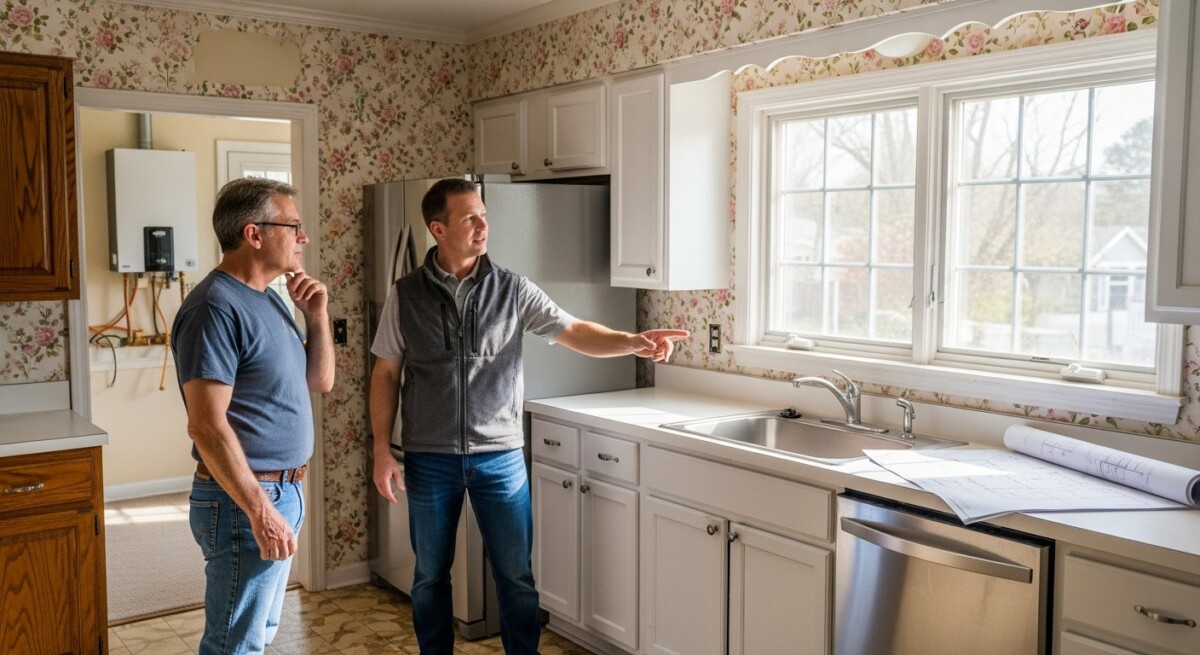
Remodeling projects typically happen for a few common reasons: your home is aging and needs updates, your family’s needs have changed, or you simply want a more modern or efficient space. Older homes, especially those built before the 1990s, often require remodeling to address outdated systems, materials, or layouts. However, even newer homes can benefit from remodeling when the original construction used budget materials or when your lifestyle evolves.
The Typical Remodeling Process
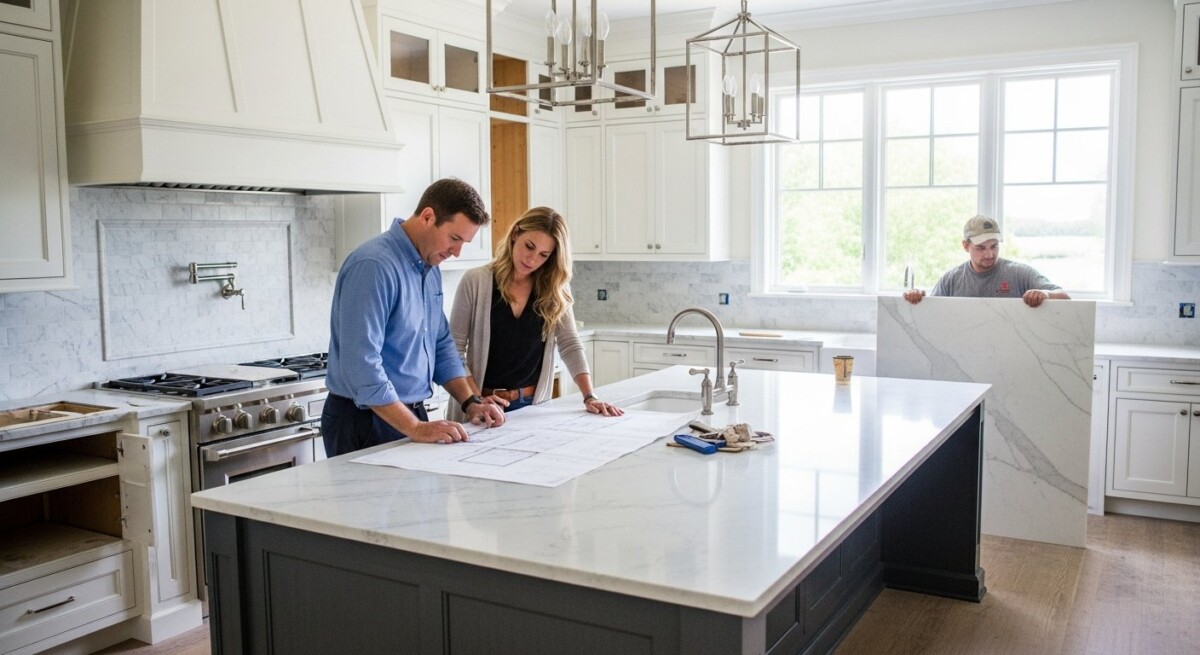
Most remodeling projects follow a similar structure. It starts with identifying your goals and budget, then moves to planning and design, followed by hiring a contractor, and finally the construction phase. While every project is unique, understanding this general flow helps you stay organized and confident throughout the process. Professional contractors bring structure to each step, which reduces surprises and keeps the project on track.
Why This Matters for Your Home
Ignoring needed remodeling work can lead to serious consequences. A small leak behind a wall, for example, can cause mold growth, wood rot, and even structural damage over time. What might have been a $2,000 bathroom repair can easily become a $15,000 full renovation if water damage spreads. Your home is likely your largest financial asset, and protecting it should be a priority.
Beyond financial risks, there are safety and comfort concerns. Outdated electrical systems, worn flooring, or inefficient windows can make your home less safe and less comfortable. Remodeling allows you to address these issues proactively, creating a healthier environment for your family. Additionally, many remodeling projects improve energy efficiency, which lowers your utility bills and reduces your carbon footprint.
Delaying remodeling also affects your daily quality of life. A cramped kitchen, a dark living room, or a bathroom with poor ventilation can be a constant source of frustration. Professional remodeling solves these problems by rethinking the space to better suit how you actually live. The longer you wait, the more you miss out on the comfort and enjoyment a well-designed home provides.
If you notice signs of this issue in your home, it may help to speak with a qualified contractor. Request a free quote or call (555) 123-4567 to explore your repair or remodeling options.
Common Problems Homeowners Experience
Homeowners often encounter a handful of recurring issues that signal the need for remodeling. These problems can appear suddenly or develop slowly over years, but they almost always get worse if left unaddressed. Recognizing them early is the best way to avoid costly emergency repairs.
One of the most common issues is outdated or failing finishes. Cracked tiles, peeling paint, worn countertops, and old fixtures not only look bad but can also indicate underlying problems like moisture intrusion or poor installation. Another frequent problem is poor layout or inadequate storage, which makes daily life harder than it needs to be. Homeowners in older homes also face issues with outdated electrical, plumbing, and HVAC systems that are inefficient or even unsafe by modern standards.
- Visible water stains, peeling paint, or bubbling drywall on ceilings or walls
- Cracked, loose, or missing tiles in bathrooms, kitchens, or entryways
- Drafty windows or doors that make rooms uncomfortable and raise energy bills
- Outdated fixtures, cabinets, or countertops that look worn or function poorly
- Poor ventilation leading to mold, mildew, or musty odors in bathrooms or basements
- Inadequate storage or awkward room layouts that waste valuable square footage
How Professionals Solve the Problem
When you hire an experienced contractor, they bring a systematic approach to your remodeling project that saves time, money, and stress. Professionals begin with a thorough inspection to understand the full scope of the work, including any hidden issues that might not be visible to the untrained eye. They then create a detailed plan, secure necessary permits, and coordinate the various trades,plumbers, electricians, carpenters,needed to complete the job correctly.
Here is a typical step-by-step process that professional remodelers follow:
- Initial consultation and inspection , The contractor visits your home, discusses your goals, and assesses the existing conditions.
- Design and material selection , Together, you finalize the layout, finishes, and fixtures, often with the help of 3D renderings or samples.
- Detailed estimate and contract , You receive a written quote outlining costs, timeline, and scope of work.
- Permitting and preparation , The contractor pulls any required permits and protects your home with dust barriers and floor coverings.
- Demolition and rough-in work , Old materials are removed, and new electrical, plumbing, or structural work is completed.
- Installation of finishes , New flooring, cabinetry, countertops, fixtures, and paint are installed.
- Final inspection and cleanup , The contractor walks through the completed project with you and addresses any punch-list items.
Professional work is almost always safer and more reliable than DIY remodeling. Contractors carry insurance, follow building codes, and have the experience to handle unexpected problems,like finding rotted wood behind a wall,without derailing the project. They also have access to higher-quality materials and tools that most homeowners do not. While DIY might save money upfront, the risk of costly mistakes, injuries, or subpar results often makes professional help a better long-term investment.
A professional inspection can reveal hidden issues before they become expensive repairs. Compare contractor quotes here or call (555) 123-4567 to discuss your project.
Warning Signs You Should Not Ignore
Some home issues are obvious, like a leaky roof or a broken window. Others are subtle and easy to dismiss,until they become emergencies. Learning to spot early warning signs can save you thousands of dollars and a lot of headaches. Pay attention to changes in your home’s appearance, smell, and performance, especially in older properties.
One of the most overlooked signs is a sudden increase in your utility bills without a clear explanation. This often indicates poor insulation, air leaks, or an aging HVAC system that needs replacement. Similarly, strange sounds,creaking floors, dripping water, or humming appliances,can point to underlying problems that remodeling can address. If your home feels uncomfortable in certain rooms or seasons, that is another sign that your home may need upgrades.
- Unexplained spikes in heating, cooling, or water bills
- Persistent musty odors, especially in basements, bathrooms, or crawl spaces
- Floors that feel uneven, squeak excessively, or show signs of sagging
- Doors or windows that stick, are hard to open, or have visible gaps
- Frequent tripping of circuit breakers or flickering lights
- Wall cracks that widen over time or appear around door frames
What Affects the Cost of Repairs or Installation
Remodeling costs vary widely depending on several key factors. The size and scope of your project are the most obvious,a full kitchen remodel will cost significantly more than a bathroom refresh. But beyond square footage, the condition of your existing home plays a huge role. If your home has outdated wiring, asbestos tiles, or water damage, those issues must be addressed before any cosmetic work can begin, adding to the total cost.
Material choices also drive pricing. Premium countertops like quartz or marble, custom cabinetry, and high-end fixtures can double or triple the cost compared to budget-friendly alternatives. Labor rates vary by region and by the complexity of the work. Projects that require structural changes, such as removing a load-bearing wall, will be more expensive due to the need for engineering and permits. Accessibility matters too,a second-story bathroom remodel costs more than a ground-floor one because of material transport and safety considerations.
The age of your home is another critical factor. Homes built before 1980 may contain lead paint, asbestos, or outdated plumbing that requires special handling and disposal. These hidden costs can add 10,20% to your project budget. The best way to understand what your specific project will cost is to get multiple quotes from qualified contractors who can assess your home in person.
Costs can vary depending on the condition of your home. The best way to know the price is to get a personalized estimate. Request free quotes from contractors or call (555) 123-4567 today.
How to Choose the Right Contractor
Selecting a contractor is one of the most important decisions you will make during your remodeling project. A good contractor communicates clearly, shows up on time, and delivers quality work that meets your expectations. A bad contractor can turn your dream renovation into a nightmare of delays, budget overruns, and shoddy workmanship. Taking the time to vet candidates properly is worth every minute.
Start by asking for recommendations from friends, family, or neighbors who have recently completed similar projects. Online platforms and review sites can also provide useful insights, but be sure to read both positive and negative reviews to get a balanced picture. Always request at least three detailed quotes for your project, and compare not just the price but the scope of work, materials specified, and timeline proposed.
- Verify the contractor’s license and insurance, including workers’ compensation and liability coverage
- Read online reviews on platforms like Google, Yelp, and the Better Business Bureau
- Ask for a written estimate that breaks down labor, materials, permits, and any other fees
- Compare at least three quotes to understand market pricing and avoid overpaying
- Confirm the contractor has direct experience with projects similar to yours in size and complexity
Long-Term Benefits of Professional Work
Investing in professional remodeling pays dividends for years to come. First and foremost, professionally completed work is safer. Licensed contractors follow building codes that are designed to protect your family from fire, electrical hazards, and structural failure. They also use proper techniques to prevent moisture issues, which can lead to mold and rot. You gain peace of mind knowing that the work was done right.
Durability is another major benefit. Professional remodelers use high-quality materials and proven installation methods that last. A professionally installed bathroom, for example, can look great and function perfectly for 15,20 years with minimal maintenance. In contrast, a DIY or low-budget job may need repairs or replacement within just a few years. Over time, professional work actually costs less because you avoid repeated fixes and premature replacements.
Finally, professional remodeling significantly increases your home’s resale value. Updated kitchens, bathrooms, and energy-efficient features are among the top factors buyers look for when purchasing a home. According to industry data, a mid-range kitchen remodel recovers roughly 60,80% of its cost in increased home value. Beyond financial returns, you get to enjoy a more comfortable, beautiful, and functional home every single day. That is a benefit that no price tag can fully capture.
What is the first step in a home remodeling project?
The first step is to clearly define your goals and budget. Write down what you want to change, why you want to change it, and how much you are willing to spend. Then, schedule consultations with a few contractors to get professional opinions and rough estimates.
How long does a typical home remodeling project take?
Timelines vary widely by project size. A bathroom remodel usually takes 2,4 weeks, a kitchen remodel 4,8 weeks, and a full home renovation 3,6 months or more. Factors like material availability, permit approvals, and unexpected structural issues can extend the timeline.
Do I need a permit for home remodeling?
Most significant remodeling projects require permits, especially those involving electrical, plumbing, or structural changes. Your contractor should handle the permit process as part of their service. Skipping permits can lead to fines, insurance issues, and problems when selling your home.
How much does home remodeling cost on average?
Costs vary dramatically based on project scope, materials, and location. A small bathroom remodel might cost $5,000,$15,000, while a full kitchen remodel can range from $15,000,$50,000 or more. The best way to get an accurate number is to request quotes from local contractors.
Can I live in my home during a remodel?
It depends on the scope of the project. For smaller renovations like a single bathroom or room, you can usually stay in your home with some adjustments. For major renovations involving the kitchen, multiple rooms, or structural work, it may be more practical to temporarily relocate.
What is the difference between remodeling and renovation?
Renovation typically means restoring something to good condition, like repainting or replacing a countertop. Remodeling involves changing the structure, layout, or function of a space, such as knocking down a wall or adding a new bathroom. Remodeling is usually more complex and expensive.
How do I find a reliable contractor?
Start by asking for referrals from people you trust. Then, check online reviews, verify licenses and insurance, and interview at least three candidates. Always get written estimates and ask for references from recent projects. Platforms like USremodel can help connect you with pre-screened professionals.
What should I include in my remodeling budget?
Your budget should cover materials, labor, permits, and a contingency fund of 10,20% for unexpected issues. Also include costs for temporary storage, meals if your kitchen is out of commission, and any necessary accommodations if you need to move out during construction.
Understanding how home remodeling works puts you in control of your home improvement journey. By recognizing problems early, hiring qualified professionals, and planning your budget carefully, you can transform your home without unnecessary stress or expense. Do not wait until a small issue becomes a major crisis,explore your options today by comparing contractor quotes and taking the first step toward a better home.