What Upgrades Increase Home Value: A Practical Homeowner Guide
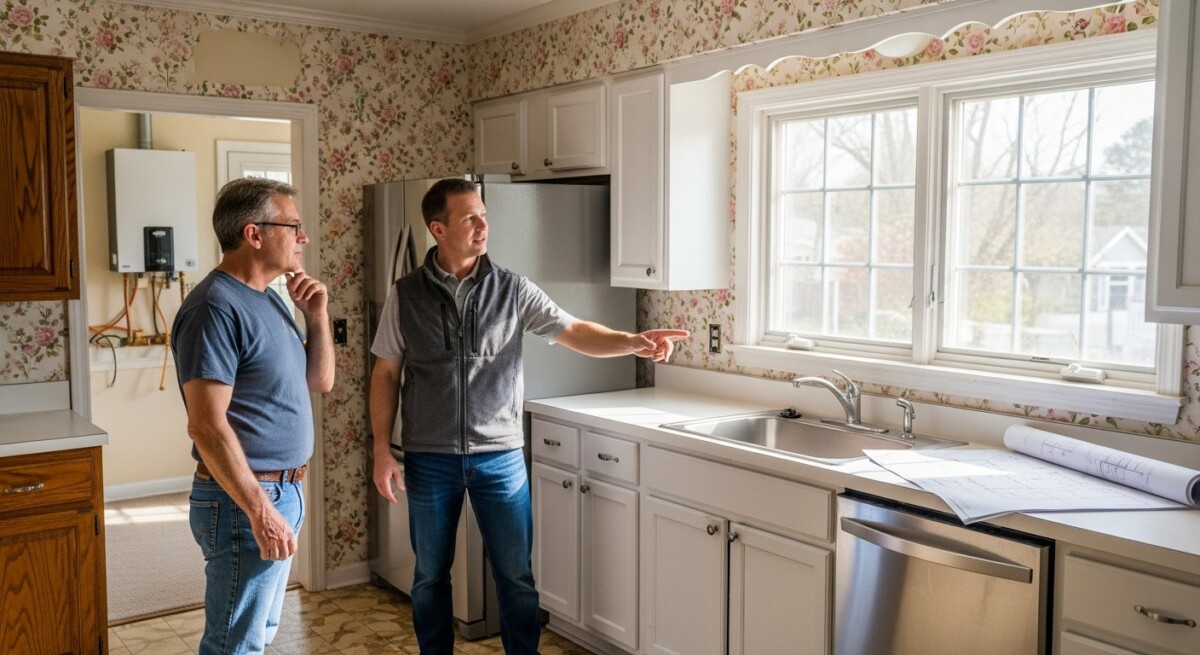
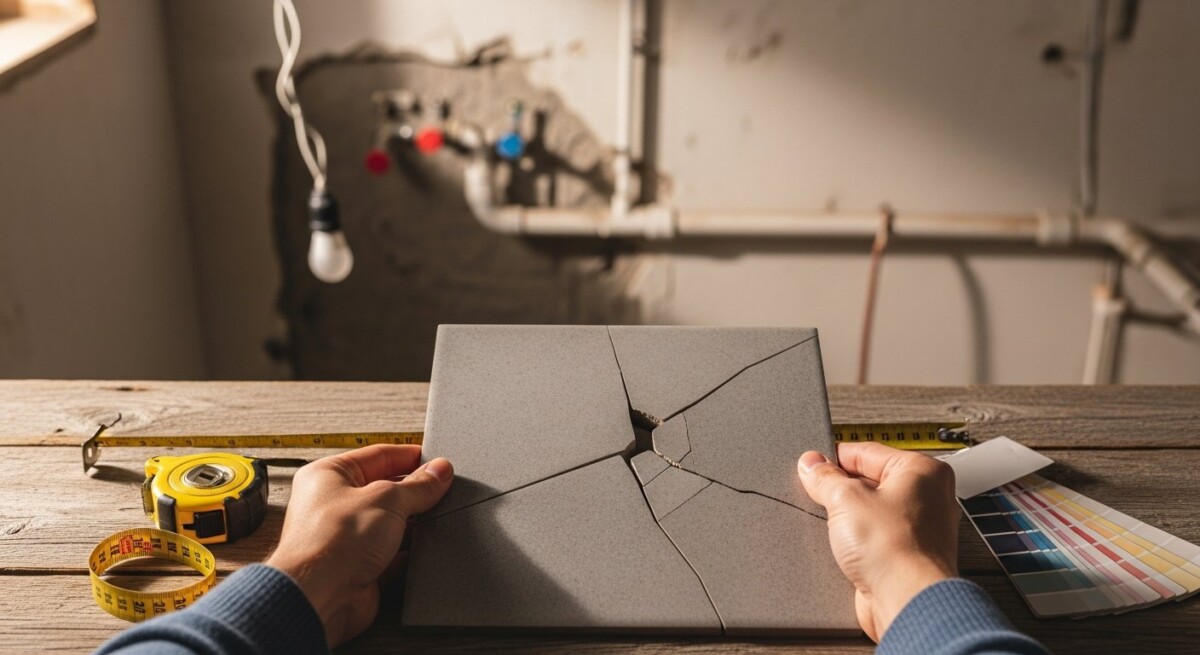
You walk into your living room and notice the wallpaper is peeling. The kitchen cabinets look like they belong in a 1980s time capsule. The bathroom tile is cracked, and you wonder if a remodel is worth the trouble. Every homeowner faces this moment,when you start asking yourself, “what upgrades increase home value?” The answer isn’t always obvious, and making the wrong choice can waste thousands of dollars. But when you pick the right projects, you can boost your home’s resale value, improve your daily comfort, and avoid costly emergency repairs down the road.
Understanding What Upgrades Increase Home Value
Home value upgrades are renovations or repairs that raise your property’s market price or make it more appealing to future buyers. Not every remodel adds value equally. Some projects, like a kitchen refresh or new siding, typically offer a strong return on investment. Others, like a high-end pool in a cold climate, may not pay off when you sell.
Why do some upgrades matter more than others? Buyers and appraisers look for functional, energy-efficient, and visually appealing features. A modern bathroom, updated flooring, or a finished basement can tip the scales in your favor. The key is focusing on projects that solve real problems,like outdated wiring, drafty windows, or worn-out roofing,rather than cosmetic changes that don’t address underlying issues.
Homes that benefit most from value-boosting upgrades are typically older properties (20+ years), homes in competitive real estate markets, or houses with obvious deferred maintenance. If your home has original 1970s plumbing or single-pane windows, you’re a prime candidate for upgrades that increase both comfort and resale potential.
Why This Matters for Your Home
Ignoring necessary upgrades doesn’t just lower your home’s value,it can lead to serious property damage. A small roof leak today becomes a major structural repair next year. Outdated electrical systems pose fire risks. Old windows waste energy, driving up your utility bills month after month. In our guide on home value improvement, we explain how proactive upgrades protect your investment.
Safety is another critical factor. Faulty wiring, mold from hidden leaks, or unstable decks can injure your family or guests. Delaying repairs also increases costs. A $500 plumbing fix can turn into a $5,000 water damage restoration if ignored. By acting early, you save money and keep your home safer.
Comfort matters too. A well-insulated attic keeps your home warmer in winter and cooler in summer. Updated bathrooms and kitchens make daily life more enjoyable. When you invest in the right upgrades, you don’t just build equity,you build a better place to live.
If you notice signs of this issue in your home, it may help to speak with a qualified contractor. Request a free quote or call to explore your repair or remodeling options.
Common Problems Homeowners Experience
Homeowners often discover the need for upgrades through everyday annoyances. Maybe your shower water pressure drops when someone flushes a toilet. Perhaps your heating bills spike every winter despite turning down the thermostat. Or you notice cracks forming in your foundation walls. These are signs that your home’s systems are aging or failing.
Another common scenario: you’re preparing to sell, and the real estate agent suggests you update certain rooms to attract buyers. Suddenly, you’re faced with a list of potential projects and no clear priority. Without guidance, homeowners often choose cosmetic upgrades over structural ones,and end up disappointed when the appraisal comes in lower than expected.
- Outdated kitchens and bathrooms that look worn and function poorly
- Old windows and doors that let in drafts and raise energy costs
- Aging roofing with missing shingles or leaks
- Worn flooring like stained carpet or scratched hardwood
- Inefficient HVAC systems that struggle to maintain comfortable temperatures
- Dated exterior siding that reduces curb appeal
How Professionals Solve the Problem
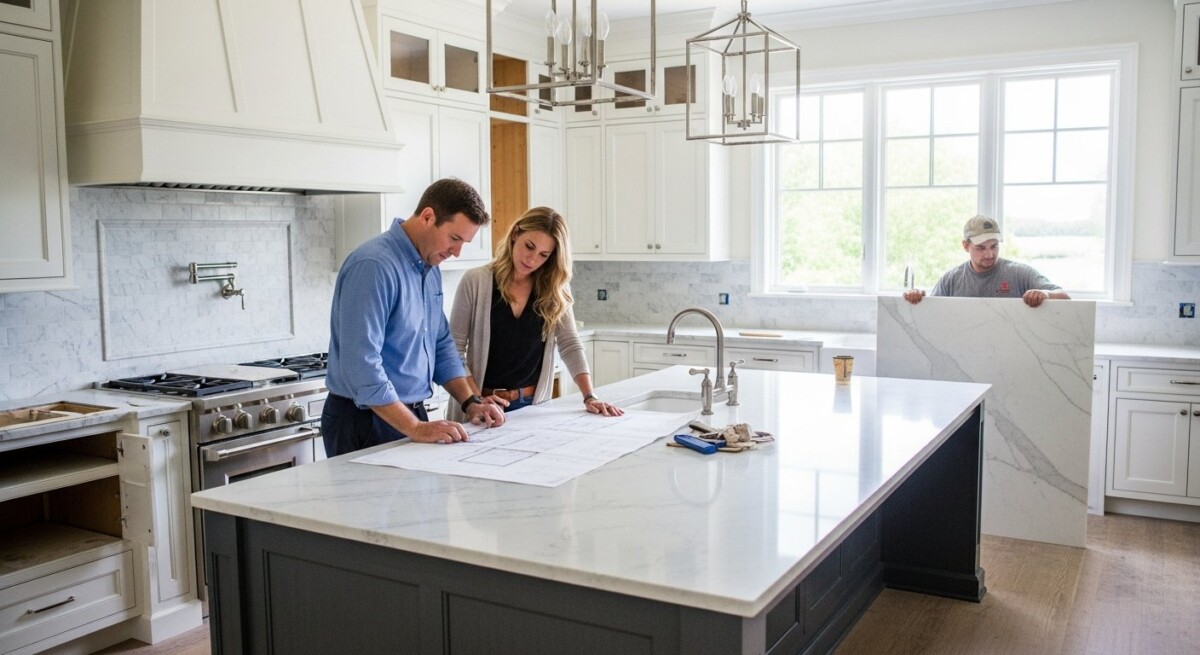
Experienced contractors bring more than tools,they bring knowledge. A professional can assess your home’s condition, recommend upgrades that truly add value, and complete the work safely and efficiently. They also handle permits, inspections, and disposal of old materials, saving you time and stress.
Here is the typical process a contractor follows for a major upgrade like a kitchen remodel or window replacement:
- Initial consultation and measurement , The contractor inspects the space, discusses your goals, and identifies any hidden issues (like water damage behind walls).
- Design and material selection , You choose finishes, fixtures, and materials that fit your budget and style. The contractor provides cost estimates for each option.
- Permitting and scheduling , The contractor secures necessary permits and sets a timeline for the project.
- Demolition and preparation , Old materials are removed safely, and the work area is prepped for new installation.
- Installation and construction , The contractor completes the upgrade, following building codes and manufacturer guidelines.
- Final inspection and cleanup , The work is inspected (often by a city inspector), and the crew cleans up thoroughly before you move back in.
Professional work is almost always safer and more reliable than a DIY approach. Contractors carry insurance, warranties, and years of hands-on experience. They also know how to spot problems that untrained eyes miss,like mold behind drywall or corroded pipes inside walls.
A professional inspection can reveal hidden issues before they become expensive repairs. Compare contractor quotes here or call to discuss your project.
Warning Signs You Should Not Ignore
Some home problems are obvious, like a leaking roof or a broken window. Others are subtle and easy to overlook,until they become emergencies. Recognizing early warning signs helps you address issues before they damage your home’s value or your family’s safety.
Pay attention to changes in your home’s performance or appearance. If you notice any of the following, it’s time to call a professional for an inspection:
- Water stains on ceilings or walls , These often indicate roof leaks or plumbing issues behind the surface.
- Musty odors or visible mold , Signs of moisture buildup or poor ventilation, which can affect indoor air quality.
- Cracks in foundation or drywall , May signal settling, structural shifts, or water damage.
- Higher-than-normal utility bills , Often caused by drafty windows, poor insulation, or an aging HVAC system.
- Doors or windows that stick , Could mean foundation movement or swelling from moisture.
- Peeling paint or wallpaper , May indicate humidity problems or water intrusion.
What Affects the Cost of Repairs or Installation
Project costs vary widely based on several factors. Understanding these can help you budget realistically and avoid surprises. The size of the repair or remodel is the biggest factor,a full kitchen renovation costs far more than replacing countertops alone. Materials also play a major role; quartz countertops and hardwood flooring cost more than laminate or tile.
Labor costs depend on the complexity of the work and your location. Specialty trades like electrical or plumbing typically charge higher rates. Accessibility matters too,a bathroom on the second floor may require more labor than one on the ground level. Older homes often have non-standard sizes or outdated systems that increase both time and cost.
Finally, the age and condition of your home influence pricing. A house built in 1950 may need electrical upgrades before you can install new lighting. Permits and inspections add fees as well. For a detailed breakdown of returns, check our article on how much remodel can increase home value.
Costs can vary depending on the condition of your home. The best way to know the price is to get a personalized estimate. Request free quotes from contractors or call today.
How to Choose the Right Contractor
Selecting a contractor is one of the most important decisions you’ll make during a home upgrade. A skilled professional delivers quality work on time and within budget. A poor choice can lead to shoddy results, legal disputes, or unfinished projects. Take the time to vet contractors carefully before signing any agreement.
Start by asking for recommendations from neighbors or friends who have completed similar projects. Then, interview at least three contractors and request detailed written estimates. Compare not just the price, but the scope of work, materials specified, and timeline. A lower bid may cut corners, while a higher one might include premium materials or better warranties.
- Verify licenses and insurance , Make sure the contractor is licensed in your state and carries liability insurance and workers’ compensation.
- Read online reviews , Check Google, Yelp, or the Better Business Bureau for recent feedback from past clients.
- Ask for references , Speak with homeowners who had similar work done, and ask about the contractor’s communication, timeliness, and problem-solving.
- Get multiple quotes , Comparing at least three estimates helps you understand fair pricing and avoid overpaying.
- Confirm experience , Choose a contractor who specializes in the type of upgrade you need (e.g., kitchen remodeling, roofing, or window installation).
Long-Term Benefits of Professional Work
Investing in professional upgrades delivers benefits that last for years. First, you get peace of mind knowing the work meets building codes and manufacturer standards. Properly installed windows, roofs, and HVAC systems last longer and perform better. You also reduce the risk of future repairs caused by poor workmanship.
Energy efficiency is another major advantage. Upgrading to energy-efficient windows, insulation, or appliances can lower your monthly utility bills by 10,30%. Over time, those savings offset the initial cost of the upgrade. Plus, energy-efficient homes often qualify for tax credits or rebates, putting more money back in your pocket.
Finally, professional upgrades increase your home’s resale value. A remodeled kitchen, finished basement, or modern bathroom can boost your asking price by thousands of dollars. Buyers are willing to pay more for a home that’s move-in ready and free of deferred maintenance. In our comprehensive home value improvement guide, we break down which projects offer the highest returns.
What is the best home upgrade for resale value?
Minor kitchen remodels and bathroom renovations typically offer the highest return on investment, often recouping 70,80% of the cost at resale. New siding, garage door replacements, and energy-efficient windows also rank high. Focus on projects that improve functionality, curb appeal, and energy efficiency.
Do new windows increase home value?
Yes. Energy-efficient windows can increase home value by improving curb appeal and lowering utility costs. Buyers appreciate the savings on heating and cooling. On average, new windows recoup about 70% of their cost when you sell, depending on your market.
How much does a kitchen remodel add to home value?
A mid-range kitchen remodel can add $20,000,$40,000 to your home’s resale value, depending on your region and the quality of finishes. Minor updates like new countertops, cabinet fronts, and energy-efficient appliances often deliver the best return.
Does a finished basement add value?
Yes, a finished basement adds usable living space, which increases square footage and appeal. Buyers value extra bedrooms, home offices, or entertainment areas. Expect a return of 50,75% of the cost, though this varies by market and basement condition.
What home upgrades are not worth the money?
Highly personalized upgrades like luxury pools, home theaters, or elaborate landscaping often don’t add value equal to their cost. Over-improving the home beyond the neighborhood standard can also hurt resale. Stick to upgrades that appeal to a broad range of buyers.
Should I remodel before selling my home?
If your home has obvious deferred maintenance or outdated finishes, a targeted remodel can help you sell faster and at a higher price. Focus on kitchens, bathrooms, flooring, and curb appeal. Get a pre-listing inspection to identify issues that buyers might negotiate down.
How do I know if a contractor is reliable?
Look for valid licenses, insurance, positive reviews, and a solid track record of similar projects. Ask for references and check their work in person. A reliable contractor provides a detailed written estimate, clear timeline, and contract with payment milestones.
Can I finance home upgrades?
Yes. Many homeowners use home equity loans, personal loans, or credit cards with 0% introductory offers. Some contractors offer financing through third-party lenders. Compare interest rates and terms before committing. Upgrades that increase home value can offset the cost over time.
Understanding what upgrades increase home value helps you make smarter decisions for your property. Whether you’re planning to sell soon or simply want a more comfortable home, addressing issues early prevents bigger problems later. The best first step is to get a professional opinion and compare quotes from multiple contractors. Request free estimates today or call to start planning your next upgrade.