
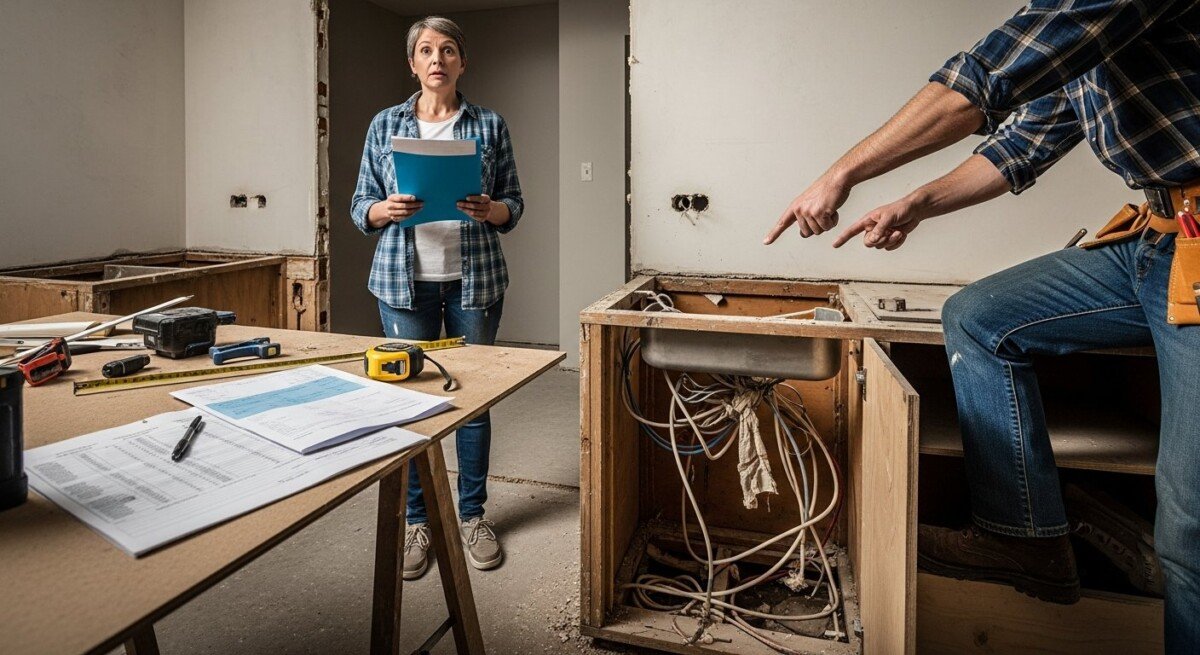
What Happens When a Remodel Goes Over Budget
A practical guide for homeowners on why remodels go over budget, the risks involved, and how professional planning and contractors provide the best solution.
By Chelsea Kris
Learn more about Exterior Painting for guides, costs, and what to expect.
Compare Exterior Painting Pros Near You

Enter your ZIP code to compare top-rated local professionals and request free quotes.
You started your remodel with excitement and a carefully planned budget. But now, you’re halfway through, and the contractor has just mentioned “unforeseen issues” that will add thousands to the final bill. Your stomach drops. This scenario is more common than you think, and the stress of a project spiraling beyond its financial limits can feel overwhelming. Ignoring this budget overrun doesn’t make it go away; it forces difficult choices that can compromise your project’s quality, your home’s integrity, or your family’s financial well-being.
Understanding What Happens If a Remodel Goes Over Budget
A budget overrun means your remodeling project will cost more than you initially planned and agreed to spend. It’s the gap between your original budget and the final, higher cost. This isn’t just about spending a little extra on fancy fixtures; it’s a fundamental shift in your project’s financial reality.
This happens for many reasons. Sometimes, hidden problems like rotten wood or outdated wiring are discovered behind walls. Other times, material costs rise, or the project scope quietly expands through “while we’re at it” changes. Almost any home can be affected, but older homes are particularly prone to surprise issues that weren’t visible during the initial walk-through.
The Domino Effect of Budget Creep
One small overage can start a chain reaction. For example, going over budget on cabinets might mean you have to cut corners on flooring or lighting later. This piecemeal compromise often leads to a finished project that doesn’t meet your original vision or quality standards, which is a disappointing outcome after such a significant investment.
Why This Matters for Your Home
When a remodel goes over budget, the immediate pressure is financial. But the consequences extend far beyond your bank account and can directly impact your home itself. The decisions you make under financial strain can have lasting effects on your property’s safety, function, and value.
To cut costs, homeowners or pressured contractors might be tempted to use inferior materials, skip important steps, or hire less experienced labor. These compromises can lead to premature wear, functional failures, or even safety hazards. Your home is your largest investment; protecting its value and safety should always be the priority.
If you notice signs of this issue in your home, it may help to speak with a qualified contractor. Request a free quote or call to explore your repair or remodeling options.
Common Problems Homeowners Experience
The stress of a budget overrun manifests in several tangible ways. You might find yourself constantly arguing with your contractor about change orders or feeling forced to make rushed decisions about materials. The project’s momentum can stall completely if funds run out, leaving you with a half-finished space that’s unusable.
These problems create a frustrating cycle. The longer a project is stalled, the more likely it is that other parts of your home suffer from lack of access or from temporary fixes becoming permanent. It’s a situation that rarely improves on its own.
- Project Abandonment: Running out of money can force you to stop work entirely, leaving rooms unfinished and unusable.
- Compromised Quality: Switching to cheaper materials or less skilled labor to save money often results in poor craftsmanship that fails quickly.
- Increased Debt: Relying on credit cards, loans, or draining savings can create long-term financial strain.
- Relationship Stress: Financial pressure and living in a construction zone can create significant tension within the household.
- Reduced Home Value: A poorly executed or incomplete remodel can actually decrease your home’s market value instead of increasing it.
- Legal Disputes: Disagreements with contractors over unforeseen costs can lead to liens, lawsuits, and prolonged conflict.
How Professionals Solve the Problem
A reputable professional doesn’t just swing a hammer; they manage risk. Their experience is your best defense against runaway costs. They know how to plan for contingencies, source materials efficiently, and identify potential problems before they become budget-busting surprises.
When an overage does occur, a trustworthy contractor will guide you through your options clearly. They can present alternative materials, suggest phased approaches to complete the project over time, or help you revise the scope to align with your budget without sacrificing critical quality or safety. This proactive management is the key to regaining control.
- Transparent Assessment: A good contractor will conduct a thorough pre-construction inspection to uncover hidden issues, much like the process outlined in our guide on what happens when a home remodel goes over budget, providing a more accurate baseline estimate.
- Detailed Contracting: They use fixed-price or clearly defined cost-plus contracts with allowances, so you understand exactly what is included and how changes are handled.
- Contingency Planning: Professionals build a contingency fund (typically 10-20% of the budget) into the plan from the start for true unforeseen issues.
- Value Engineering: If costs rise, they can suggest smart alternatives,comparable materials or design tweaks,that save money without compromising the outcome.
- Phased Execution: They can structure the project into clear phases, allowing you to complete critical portions now and save other elements for later when finances allow.
A professional inspection can reveal hidden issues before they become expensive repairs. Compare contractor quotes here or call to discuss your project.
Warning Signs You Should Not Ignore
Catching budget issues early gives you the most options to correct course. The warning signs often start small, like a vague comment from your contractor about “potential complications.” Dismissing these early signals is the fastest way to lose control of your project’s finances.
Pay close attention to the flow of communication and documentation. A lack of detailed invoices or reluctance to discuss the budget in detail are red flags. Your proactive attention is the first and most important line of defense for your wallet and your home.
- Your contractor frequently mentions “we might run into” extra costs without specifics.
- Change orders are presented verbally, not in written form with costs detailed.
- The initial estimate was surprisingly low compared to others you received.
- Work begins before a detailed, signed contract and project scope are finalized.
- You’re making frequent “just this once” upgrades or additions to the original plan.
- Material deliveries don’t match what was selected or specified in your agreements.
What Affects the Cost of Repairs or Installation
Understanding what drives costs helps you have smarter conversations with your contractor. The age and condition of your home are primary factors. A 1950s home will likely have more hidden surprises than one built in the 2000s. The complexity of your design choices also plays a huge role; custom, non-standard items almost always cost more and take longer.
Market conditions are often outside anyone’s control. Fluctuations in lumber, metal, and fuel costs can impact your budget. Labor availability in your area also affects pricing. A professional can help you navigate these variables by locking in material prices early or suggesting readily available alternatives.
Costs can vary depending on the condition of your home. The best way to know the price is to get a personalized estimate. Request free quotes from contractors or call today.
How to Choose the Right Contractor
Your choice of contractor is the single biggest factor in staying on budget. It’s not just about the lowest bid. It’s about choosing a partner who communicates clearly, plans thoroughly, and has a proven track record of completing projects within the agreed financial framework. Taking time here saves immense stress later.
Look for a professional who listens to your budget constraints and respects them. They should offer creative solutions to achieve your vision within your means, not just present a single, take-it-or-leave-it plan. This collaborative approach is the hallmark of a true partner.
- Verify Credentials: Always check for a valid state license, insurance, and bonding. This protects you from liability and subpar work.
- Review Past Work: Ask for references and photos of completed projects, specifically ones similar in scope and budget to yours.
- Get Detailed Bids: Compare itemized quotes from at least three contractors. The cheapest bid is often the most expensive in the long run.
- Assess Communication: Choose someone who answers questions patiently and explains costs clearly from the first meeting.
- Understand the Contract: Ensure the contract includes payment schedule, project timeline, scope of work, and a clear process for change orders.
Long-Term Benefits of Professional Work
Investing in a well-managed, professionally executed remodel pays dividends for years. First and foremost, it ensures the work is done safely and to code, protecting your family. Quality materials and craftsmanship last longer, meaning you won’t face costly repairs or replacements just a few years down the line.
A completed project that meets your goals also enhances your daily life and your home’s market value. You get to enjoy the space as intended, and should you sell, a properly permitted and finished remodel is a strong asset. It’s a reminder that smart planning, as we discuss in our article on budget overruns, is an investment in your future comfort and financial security.
Furthermore, professional planning often incorporates energy-efficient solutions and durable materials that reduce your ongoing maintenance and utility costs. This creates lasting savings that help offset the initial investment, making the project financially sensible over the long term.
How Can I Prevent My Remodel from Going Over Budget?
Prevention starts with thorough planning and honest communication. Get multiple detailed quotes, not just estimates. Set aside a contingency fund of 10-20% of your total budget for true unforeseen issues. Most importantly, stick to the plan once work begins and avoid making changes after construction starts, as these change orders are a primary cause of overruns.
What Should I Do If I’m Already Over Budget Mid-Project?
First, don’t panic. Have an immediate, honest conversation with your contractor. Review the remaining scope of work and identify areas where you can scale back without compromising structural integrity or safety. Consider phasing the project to complete essentials now and non-essentials later. A reputable contractor will work with you to find solutions.
Is a Fixed-Price Contract Better Than Cost-Plus?
For homeowners, a fixed-price (or lump-sum) contract is generally safer as it sets a firm maximum price for the defined scope. Cost-plus contracts (where you pay for materials + labor + a percentage fee) offer more flexibility but less budget certainty. The best choice depends on the project’s complexity and how well-defined your plans are from the start.
How Much Contingency Should I Budget?
For a major remodel, especially in an older home, a 15-20% contingency is prudent. For newer homes or smaller projects, 10% may be sufficient. This isn’t “extra money” to spend; it’s a safety net for genuine surprises like hidden water damage or structural issues that couldn’t be seen during the initial inspection.
Can I Save Money by Sourcing My Own Materials?
Sometimes, but it can be risky. While you might find a deal, contractors often get trade discounts you can’t access. If you supply materials, you typically assume responsibility for their delivery, condition, and suitability. If something is wrong or late, it can delay the project and you may be liable for additional labor costs.
What Questions Should I Ask a Contractor About Budget?
Ask: “What is included in this quote?” “What is NOT included?” “What is your process for handling unforeseen issues and change orders?” “Can you provide a payment schedule tied to project milestones?” “What is your typical project contingency percentage?” Their answers will reveal their approach to budget management.
Are Financing Options Available for Over-Budget Projects?
Yes, but explore options carefully. Some contractors offer financing. You can also look into home equity loans or lines of credit (HELOCs), which often have lower interest rates than credit cards. The key is to understand the full cost of borrowing and how it fits your long-term finances, a topic we explore further in our resource on managing remodel finances.
Should I Ever Just Stop the Project If It’s Over Budget?
Stopping should be a last resort, as it often leaves you with a useless space and may involve penalties. Before stopping, exhaust all other options: revising scope, phasing, or financing. If you must stop, ensure you have a legally binding agreement outlining what work is completed and what obligations remain for both parties.
Facing a remodel that’s exceeding its budget is a challenging but manageable situation. The key is to address it head-on with clear communication and professional guidance. By understanding the causes, recognizing the warning signs, and partnering with a trustworthy contractor, you can navigate back to solid ground. Protect your investment and your peace of mind by exploring your options with qualified professionals before making any drastic decisions.
Learn more about Exterior Painting for guides, costs, and what to expect.
Compare Exterior Painting Pros Near You
Enter your ZIP code to compare top-rated local professionals and request free quotes.