Smart Energy Saving Remodeling Ideas for Your Home
Rising utility costs and environmental concerns are pushing more homeowners to rethink how their homes consume energy. The good news is that you do not need a complete gut renovation to see meaningful results. Strategic, targeted remodeling projects can slash your monthly bills, increase comfort, and boost your property’s resale value. Whether you are planning a single room update or a whole-house transformation, these energy saving remodeling ideas will help you prioritize investments that pay back for years to come.
Upgrade Your Home’s Thermal Envelope First
Before you install any new appliances or systems, focus on the building shell itself. The thermal envelope includes your walls, attic, foundation, windows, and doors. If this barrier is leaky or poorly insulated, no amount of efficient equipment will perform optimally. Sealing air leaks and adding insulation are among the most cost-effective energy saving remodeling ideas you can pursue.
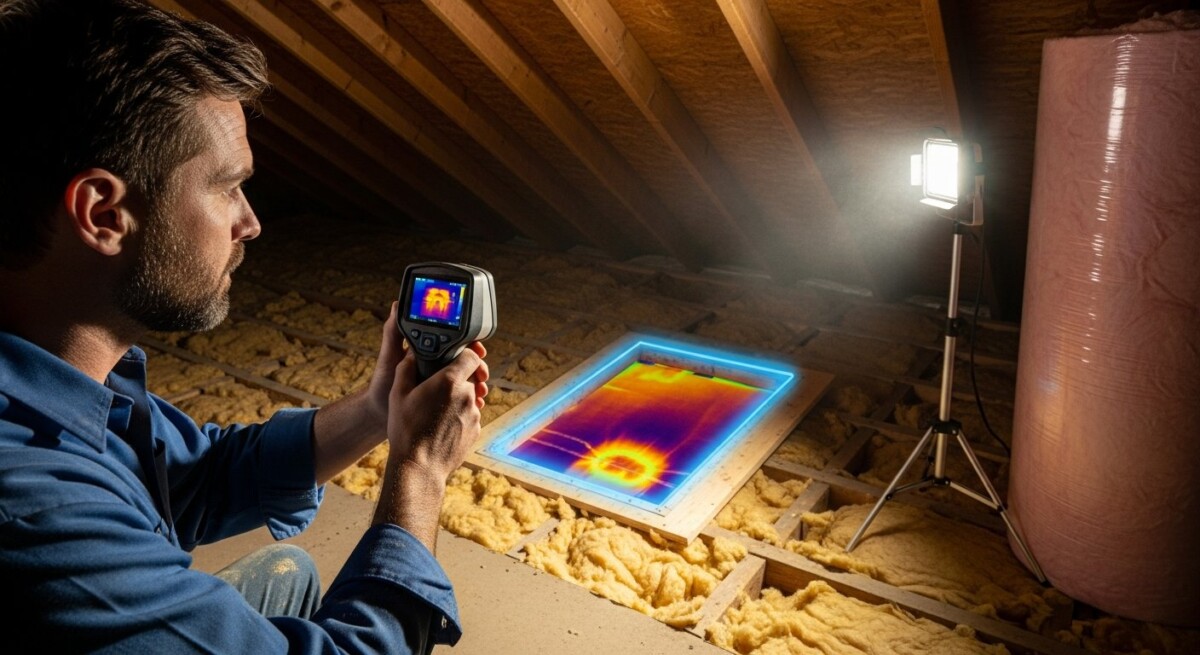
Start with an energy audit. Many utility companies offer free or discounted assessments. A professional auditor will use a blower door test and thermal imaging to pinpoint exactly where your home is losing conditioned air. Common problem areas include attic hatches, recessed lighting, plumbing penetrations, and the rim joist in the basement. Once you have a clear picture, you can prioritize the fixes that offer the fastest return on investment.
For insulation, focus on the attic first. Heat rises, and an under-insulated attic can account for up to 25 percent of your home’s heat loss in winter. The U.S. Department of Energy recommends R-49 to R-60 for most climates. If your attic has less than 10 to 14 inches of fiberglass or cellulose, adding more is a straightforward DIY project or a quick job for a professional. While you are up there, seal every gap with caulk or spray foam, and install an attic stair cover to stop air from leaking around the pull-down ladder.
Windows and Doors: Replace or Retrofit
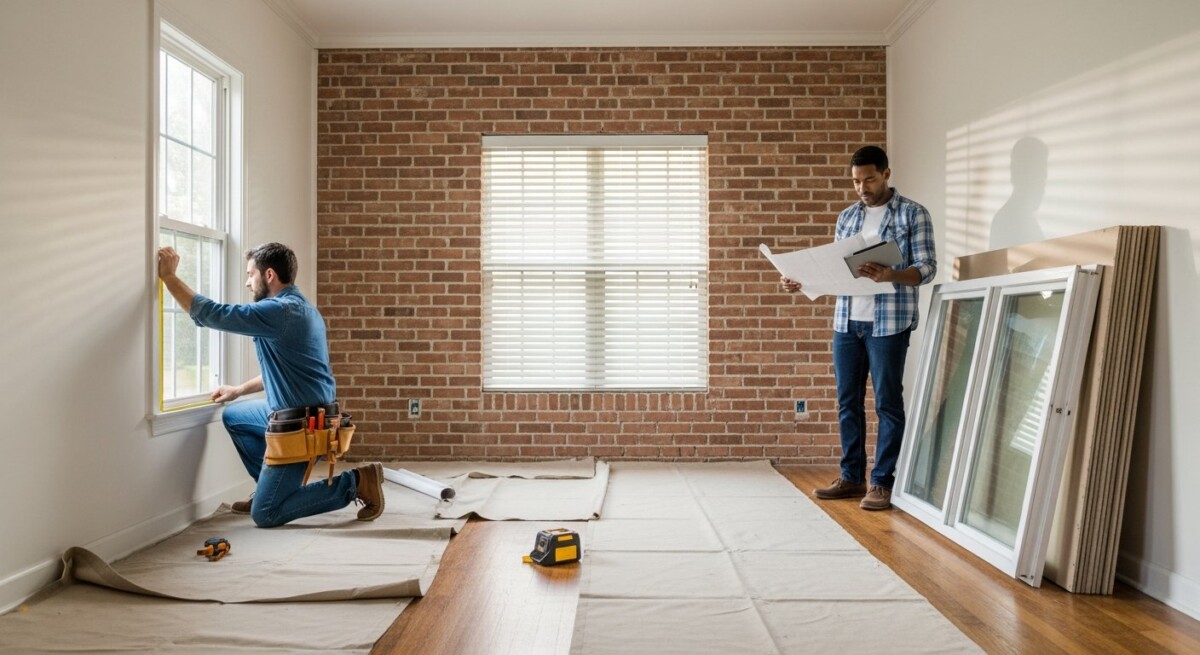
Old, single-pane windows are a major source of energy loss. Replacing them with double- or triple-pane low-E glass units can reduce heating and cooling loads significantly. However, new windows are expensive. If your budget is tight, consider less costly alternatives: interior storm windows, exterior storm panels, or heavy cellular shades. Weatherstripping around doors and windows is a low-cost fix that stops drafts immediately.
When you are ready to replace windows, look for ENERGY STAR certified products that match your climate zone. Proper installation is just as important as the window itself. A poorly sealed window will leak air no matter how efficient the glass. Work with a qualified contractor who understands flashing, caulking, and framing details. In our guide on modern home remodeling ideas, we discuss how window upgrades can also improve natural light and aesthetics while saving energy.
Invest in High-Efficiency HVAC Systems
Heating and cooling account for nearly half of a typical home’s energy use. If your furnace or air conditioner is more than 15 years old, replacing it with a high-efficiency model can cut your energy bills by 20 to 40 percent. Look for units with a high Annual Fuel Utilization Efficiency (AFUE) for furnaces and a high Seasonal Energy Efficiency Ratio (SEER) for air conditioners. Heat pumps, which provide both heating and cooling, are an increasingly popular option for mild to moderate climates.
Beyond replacing the main equipment, consider zoned systems. A zoned HVAC setup allows you to heat or cool only the rooms you are using, rather than conditioning the entire house. This is especially useful for homes with unused bedrooms, a finished basement, or a large open-plan living area. Duct sealing and insulation are critical here too. Leaky ducts can waste up to 30 percent of the air moving through them, so have a technician test and seal your ductwork with mastic or aerosol-based sealants.
Programmable or smart thermostats are a low-cost complement to any HVAC upgrade. These devices learn your schedule and adjust temperatures automatically. Some models even integrate with home automation systems and provide energy usage reports. Combined with a well-maintained system, a smart thermostat can save you about 10 percent on annual heating and cooling costs.
Upgrade to Energy-Efficient Lighting and Appliances
Lighting accounts for about 5 percent of an average home’s energy bill. Switching from incandescent bulbs to LEDs can reduce that amount by up to 75 percent. LEDs last 25 times longer than traditional bulbs, so you will save on replacement costs too. For maximum impact, replace the bulbs you use most often first: kitchen, living room, and outdoor fixtures. Motion sensors and dimmer switches further reduce waste by ensuring lights are on only when needed.
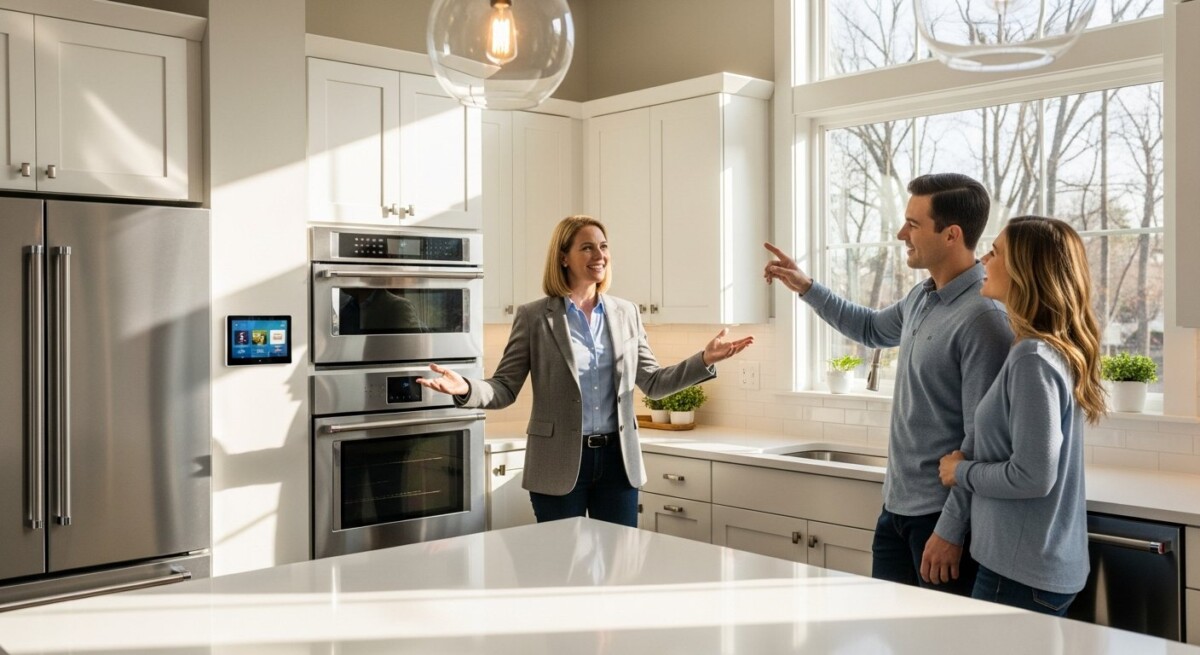
When remodeling a kitchen or laundry room, choose ENERGY STAR certified appliances. Refrigerators, dishwashers, washing machines, and dryers with the ENERGY STAR label use 10 to 50 percent less energy than standard models. Look for the yellow EnergyGuide label to compare annual operating costs. A high-efficiency refrigerator, for example, can save you $100 or more per year compared to a model from the early 2000s.
For a deeper dive into high-end upgrades that combine luxury with efficiency, check out our article on luxury home remodeling ideas for modern living, where we cover premium appliance packages and integrated smart home systems.
Harness Solar Energy and Smart Home Technology
Solar panels have become more affordable and efficient than ever. A typical residential solar system can offset 50 to 100 percent of your electricity usage, depending on your location, roof orientation, and system size. Federal tax credits and local incentives can reduce the upfront cost by 26 to 30 percent. If a full rooftop array is not in your budget, consider smaller steps: solar-powered attic fans, solar water heaters, or solar landscape lighting.
Smart home technology goes hand in hand with energy efficiency. Smart power strips eliminate phantom loads from electronics that draw power even when turned off. Smart irrigation controllers adjust watering schedules based on weather data, saving water and the energy used to pump it. Smart blinds and shades can be programmed to close during the hottest part of the day, reducing cooling demand. These devices integrate with voice assistants and smartphone apps, giving you real-time control over your home’s energy profile.
Battery storage systems, such as the Tesla Powerwall or LG Chem RESU, allow you to store excess solar energy for use during peak hours or power outages. When paired with a solar array, a battery system can make your home nearly self-sufficient. If you are planning a major renovation, now is the ideal time to have an electrician run conduit and wiring for future solar and battery installations, even if you are not ready to buy the equipment yet.
Here is a quick checklist of high-impact energy saving remodeling ideas you can discuss with your contractor:
- Complete a professional energy audit before starting any work
- Seal all air leaks in the attic, basement, and around windows and doors
- Add insulation to meet or exceed current DOE recommendations for your zone
- Replace old windows with ENERGY STAR rated models or add storm windows
- Upgrade HVAC equipment to high-efficiency models and seal ductwork
- Install a programmable or smart thermostat
- Switch all lighting to LEDs and add motion sensors in low-traffic areas
- Choose ENERGY STAR appliances for kitchen and laundry renovations
- Evaluate solar panel feasibility and explore available incentives
- Incorporate smart home controls for lighting, HVAC, and water heating
Water Heating and Plumbing Efficiency
Water heating is the second-largest energy expense in most homes, accounting for about 18 percent of utility bills. If your water heater is more than 10 years old, consider replacing it with a high-efficiency model. Tankless (on-demand) water heaters heat water only when you need it, eliminating standby losses. They are more expensive upfront but can save 24 to 34 percent on water heating energy compared to a standard storage tank.
Heat pump water heaters are another excellent option. They use electricity to move heat from the air into the water, making them two to three times more efficient than conventional electric resistance heaters. They work best in warm, humid spaces like a basement or garage. If you are remodeling a bathroom, install low-flow faucets, showerheads, and toilets. These fixtures reduce hot water usage without sacrificing performance, cutting both your water and energy bills.
Pipe insulation is a simple but often overlooked upgrade. Insulating exposed hot water pipes reduces heat loss as water travels from the heater to your faucet. This means you get hot water faster and waste less while waiting for it to arrive. Foam pipe sleeves are inexpensive and easy to install yourself. For new construction or major remodels, consider a home-run plumbing system with a central manifold, which reduces pipe runs and improves water delivery efficiency.
Flooring and Finishes That Improve Efficiency
Flooring choices can affect your home’s thermal comfort. Radiant floor heating, installed beneath tile, stone, or engineered wood, provides even, efficient warmth that eliminates the drafts associated with forced-air systems. Electric radiant systems are ideal for small areas like bathrooms and kitchens. Hydronic (water-based) systems are more efficient for whole-house applications but require a boiler or heat pump.
For flooring materials themselves, choose products that work with your climate. In colder regions, carpet with a thick pad adds insulation value and feels warm underfoot. In warmer climates, tile and stone stay cool and can be paired with radiant cooling systems. Cork and bamboo are renewable materials that offer natural insulation properties. When selecting paint, look for low-VOC or zero-VOC options that improve indoor air quality, especially in tightly sealed, energy-efficient homes.
If you are planning a major layout change, consider how open floor plans affect HVAC efficiency. Large, open spaces can be harder to heat and cool evenly. For tips on balancing openness with energy performance, read our piece on open floor plan remodeling ideas for better flow. Strategic placement of ceiling fans, return air grilles, and zoning dampers can help maintain comfort without wasting energy.
Finally, remember that the most efficient home is one that is properly sized and oriented. If you are adding a room or building an addition, work with a designer or architect who understands passive solar principles. South-facing windows, thermal mass (like concrete floors or masonry walls), and overhangs that block summer sun while admitting winter light can dramatically reduce heating and cooling loads. These passive strategies require little to no ongoing energy input and can be integrated into almost any remodeling project.
Whether you tackle one project at a time or plan a whole-house overhaul, these energy saving remodeling ideas will help you create a home that is more comfortable, more affordable to operate, and more resilient for the future. Start with a thorough energy assessment, prioritize the measures that offer the best return, and work with qualified professionals to ensure every upgrade is installed correctly. Your wallet and the planet will thank you.