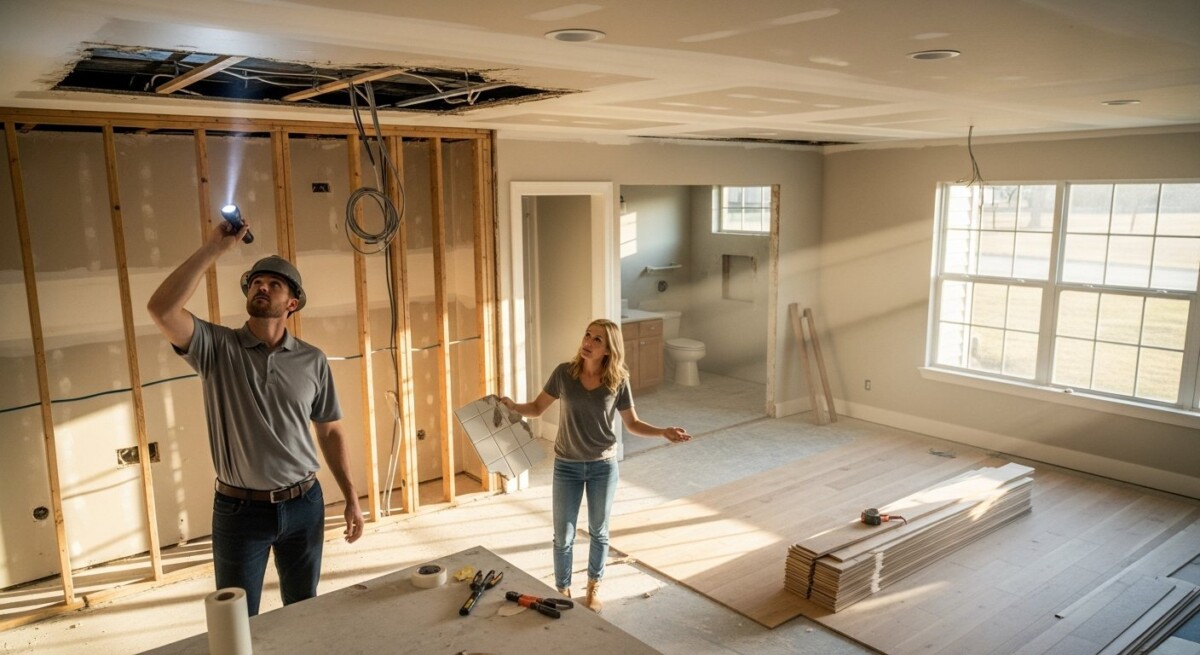
Room Addition Services: Expand Your Home With Confidence

You open the closet and a stack of boxes tumbles out. The home office is now in the dining room, and the kids share a bedroom that barely fits two beds. You love your neighborhood, your yard, and your commute,but your house is starting to feel like a storage unit with walls. This is the moment many homeowners realize they need more space. Room addition services exist to solve exactly this problem: giving you the square footage you need without the stress of moving.
Homeowners often discover the need for a room addition during daily life,when guests sleep on the couch, when a new baby arrives, or when remote work turns the kitchen table into a permanent desk. At first, the lack of space is just an annoyance. But over time, cramped living can lead to clutter, strained family relationships, and even decreased property value. Ignoring the problem won’t make it go away; it only makes your home feel smaller and less functional.
Room addition services are the professional solution that transforms your existing house into the home you actually want. Instead of packing boxes and shopping for a new mortgage, you can add a bedroom, expand your living room, or build that sunroom you have always dreamed of. The key is understanding what this process involves and why working with experienced contractors makes all the difference.
Understanding Room Addition Services
Room addition services cover the planning, design, permitting, and construction of new living space attached to your existing home. This can be a ground-floor family room, a second-story master suite, a bump-out for a larger kitchen, or even a fully finished bonus room over the garage. The goal is always the same: increase usable square footage while maintaining the architectural integrity of your house.
Why do homeowners choose room additions over moving? The reasons are practical. You already know your neighbors, your school district, and the quirks of your property. Moving costs,realtor fees, closing costs, moving trucks, and higher interest rates on a new loan,can easily exceed the price of a well-planned addition. A room addition also lets you customize the space exactly to your needs, which is impossible with a pre-built house.
Homes most suited for room additions typically have available land around the foundation, a roof structure that can support a second story, or a layout that allows for a seamless bump-out. Older homes with unfinished attics or garages are also prime candidates. However, every property is unique, which is why a professional evaluation is the first step.
Why This Matters for Your Home
Adding a room isn’t just about having more space,it directly impacts your home’s value, safety, and comfort. A well-designed addition can increase your property’s resale value by tens of thousands of dollars, especially if you add a bedroom or a bathroom. On the flip side, a poorly planned or unpermitted addition can create safety hazards and make your home harder to sell.
Safety is another critical factor. Structural issues like improper load-bearing support, faulty electrical work, or inadequate insulation can lead to costly problems down the road. Water leaks, mold, and even foundation damage can result from corners cut during construction. Professional contractors follow local building codes to ensure your addition is safe, durable, and energy-efficient.
Comfort matters too. A room addition that is too hot in summer, too cold in winter, or acoustically connected to the rest of the house can become a space nobody wants to use. Professional room addition services focus on proper insulation, HVAC integration, and soundproofing so your new room feels like a natural part of your home.
If you notice signs of this issue in your home, it may help to speak with a qualified contractor. Request a free quote or call to explore your repair or remodeling options.
Common Problems Homeowners Experience
Homeowners who attempt room additions without professional help often run into the same frustrating issues. The most common is underestimating the complexity of the project. What seems like a simple bump-out can quickly turn into a structural nightmare when you discover hidden plumbing, electrical lines, or an unexpected foundation issue.
Another frequent problem is failing to secure the proper permits. Unpermitted additions can cause major headaches when you try to sell your home. Buyers’ lenders may refuse to finance a house with unapproved square footage, and you could be forced to tear down the addition or pay for expensive retroactive permits. This is a risk that professional room addition services are designed to avoid.
Here are some common issues homeowners face when adding a room without expert guidance:
- Budget overruns due to unexpected structural repairs or material cost increases
- Delays caused by weather, subcontractor scheduling, or permit holdups
- Poor integration with existing HVAC, plumbing, or electrical systems
- Roof leaks or water damage from improper flashing or sealing
- Uneven floors or cracking drywall from foundation settling
- Disappointing final results that don’t match the original vision
How Professionals Solve the Problem
Experienced contractors bring order to the chaos of a room addition. They start with a thorough site assessment, checking your foundation, roof structure, and utility connections. This upfront evaluation catches potential problems before construction begins, saving you time and money. Professionals also handle the permit process, ensuring every aspect of the build meets local codes.
The typical room addition process follows a clear sequence:
- Design and planning: Work with an architect or designer to create blueprints that match your vision and budget.
- Permitting: The contractor submits plans to your local building department and secures all required approvals.
- Site preparation: The team clears the area, marks utility lines, and prepares the foundation.
- Framing and structural work: Walls, roof, and floor systems are built to code.
- Utility installation: Electricians, plumbers, and HVAC technicians run lines to the new space.
- Interior finishing: Drywall, flooring, trim, paint, and fixtures complete the room.
- Final inspection: The building department signs off on the work, confirming it meets all safety standards.
Professional work is safer and more reliable than DIY because contractors carry insurance, use proper safety equipment, and have years of experience solving unexpected problems. They also offer warranties on their labor, giving you peace of mind long after the project ends. In our guide on kitchen remodel vs bathroom remodel, we explain how to prioritize home improvements, but the same principle applies here: professional execution protects your investment.
A professional inspection can reveal hidden issues before they become expensive repairs. Compare contractor quotes here or call to discuss your project.
Warning Signs You Should Not Ignore
You don’t need to wait until you are tripping over furniture to consider a room addition. Certain signs suggest that your home is ready for more space,or that an existing addition may need attention. Paying attention to these early indicators can help you plan ahead and avoid last-minute, rushed decisions.
If you already have an addition from a previous owner, watch for warning signs of poor construction. Cracks in the walls where the addition meets the original house, doors that stick, or floors that slope are red flags. These issues often indicate foundation movement or improper structural connections that require professional repair.
Here are warning signs that it is time to explore room addition services:
- You regularly use a bedroom as a home office, leaving no guest space
- Your family has grown, and children are sharing cramped bedrooms
- You have an unfinished basement, attic, or garage that could be converted
- You find yourself avoiding certain rooms because they feel too small
- Your home’s layout no longer supports your daily routine
- You have considered moving but love your current location
What Affects the Cost of Repairs or Installation
The cost of a room addition varies widely based on several factors. The size of the addition is the most obvious,a 200-square-foot bump-out costs less than a 600-square-foot master suite. But size alone doesn’t tell the whole story. The complexity of the design, the quality of materials, and the condition of your existing home all play a role.
Labor costs depend on your location and the scope of work. Regions with higher construction demand or stricter building codes tend to have higher labor rates. Accessibility also matters: if your contractor needs to work around tight spaces, protect landscaping, or deal with limited parking, the project may take longer and cost more. The age of your home can also drive up costs if unexpected issues like knob-and-tube wiring or outdated plumbing are discovered during construction.
Materials are another major cost driver. Standard finishes like vinyl flooring and stock cabinets are budget-friendly, while hardwood, custom cabinetry, and high-end fixtures increase the price. Your contractor can help you balance your wish list with your budget by suggesting cost-effective alternatives that still look great.
Costs can vary depending on the condition of your home. The best way to know the price is to get a personalized estimate. Request free quotes from contractors or call today.
How to Choose the Right Contractor
Selecting the right contractor is the most important decision you will make during a room addition. A good contractor communicates clearly, shows up on time, and delivers quality work. A bad one can turn your dream project into a financial and emotional nightmare. Take your time with this step,it is worth the effort.
Start by asking for recommendations from neighbors, friends, or local home improvement groups. Online review platforms can also help, but don’t rely solely on star ratings. Read recent reviews to understand how the contractor handles challenges, communicates with clients, and sticks to budgets. Once you have a shortlist, interview each candidate and ask specific questions about their experience with room additions.
Here are tips for choosing a qualified contractor:
- Verify that the contractor is licensed and insured for your state and local jurisdiction
- Ask for references from recent room addition projects and follow up with those homeowners
- Get at least three detailed written estimates that break down materials, labor, and timeline
- Confirm the contractor pulls all required permits and schedules inspections
- Review the contract carefully before signing, including payment schedule and warranty terms
For more insight on hiring experts, our guide on choosing expert bathroom remodel contractors offers tips that apply equally to room additions,always check credentials and compare multiple bids.
Long-Term Benefits of Professional Work
A professionally executed room addition pays dividends for years to come. The most immediate benefit is improved quality of life: you finally have the home office, guest room, or playroom you need. But the advantages go far beyond daily convenience. A well-built addition increases your home’s resale value, often recouping 50,70% of the construction cost when you sell.
Durability is another long-term benefit. Professional contractors use high-quality materials and proven techniques that stand up to wear and tear. Your addition will not develop squeaky floors, drafty windows, or peeling paint a few years after completion. Proper insulation and energy-efficient windows also reduce your heating and cooling bills, saving you money month after month.
Safety and peace of mind round out the list. When your addition is built to code, you never have to worry about electrical fires, structural collapse, or mold from hidden moisture. You can enjoy your new space fully, knowing it was built by professionals who stand behind their work. If you are also considering other upgrades, living room remodeling services can complement your addition and create a cohesive flow throughout your home.
How long does a room addition typically take?
Most room additions take between 2 and 4 months from start to finish. The timeline depends on the size of the project, weather conditions, permit processing times, and material availability. Your contractor can give you a more accurate estimate after the initial consultation.
Do I need a permit for a room addition?
Yes, almost all room additions require building permits from your local municipality. Permits ensure the work meets safety codes for structure, electrical, plumbing, and energy efficiency. A professional contractor handles the permit application and scheduling of inspections on your behalf.
Can I add a room above my garage?
Yes, adding a room above a garage is a popular option if the existing garage structure and foundation can support the additional weight. This type of addition often requires reinforcing the floor joists and adding proper insulation and HVAC. A structural engineer can assess your garage’s suitability.
What is the most cost-effective room addition?
Bump-out additions, which extend an existing room by a few feet, are often the most budget-friendly. Converting an unfinished attic, basement, or garage is also cost-effective because the basic structure already exists. A professional can help you compare options based on your home and budget.
Will a room addition increase my property taxes?
Yes, a room addition that increases your home’s square footage will likely raise your assessed value and property taxes. The exact increase varies by location and the size of the addition. Check with your local tax assessor’s office for an estimate before starting the project.
How do I finance a room addition?
Common financing options include home equity loans, home equity lines of credit (HELOCs), cash-out refinancing, and personal loans. Some contractors also offer financing plans. Compare interest rates and terms to find the option that works best for your financial situation.
Should I stay in my home during construction?
It depends on the scope of the project. For small additions that are separate from the main living area, you can usually stay at home. Larger additions that involve major structural work, utility disruptions, or dust throughout the house may make it more comfortable to temporarily relocate. Discuss this with your contractor during planning.
What is the difference between a room addition and a sunroom?
A sunroom is typically a lighter structure with lots of windows and minimal insulation, designed for seasonal use. A room addition is fully insulated, heated, and cooled, making it usable year-round. Sunrooms are often less expensive but may not add as much resale value as a true addition.
Adding space to your home is one of the most rewarding investments you can make. Whether you need a home office, an extra bedroom, or a larger family room, professional room addition services turn your vision into reality. The key is to start early, work with qualified contractors, and get multiple quotes to compare options. Do not wait until your home feels unlivable,explore your possibilities today and take the first step toward the home you deserve.