Residential Remodeling Services: Transform Your Home

You walk into your kitchen and feel a familiar pang of frustration. The cabinets are worn, the layout feels cramped, and you can’t imagine hosting another holiday meal in this space. Or perhaps you’ve noticed a persistent draft from your windows, watched your bathroom tile slowly crack, or simply feel your home no longer fits your family’s life. These aren’t just minor annoyances; they’re signs your home needs attention. Ignoring them can lead to bigger problems, from wasted energy and water damage to a house that feels less like a sanctuary and more like a burden. This is where professional residential remodeling services come in, offering a practical path to a home that works better for you.
Understanding Residential Remodeling Services
Residential remodeling services involve updating, renovating, or transforming parts of your home. It’s more than just a fresh coat of paint; it’s about improving the function, safety, and enjoyment of your living space. This work can range from updating a single room, like a kitchen or bathroom, to reconfiguring an entire floor plan or adding new space.
These services happen for many reasons. Families grow and need more room. Styles and technologies evolve, making older features inefficient. Materials wear out over time, needing replacement. Ultimately, remodeling is about adapting your house to your current life, not the other way around.
While any home can benefit, older homes often have the most immediate needs for updates to plumbing, electrical systems, or layouts. However, even newer homes might need changes to better suit the owner’s lifestyle or to fix builder-grade materials that have worn out.
Why This Matters for Your Home
Postponing needed remodeling can cost you more in the long run. A small leak behind a shower wall can lead to major structural rot and mold remediation. Outdated wiring isn’t just inconvenient; it can be a fire hazard. An inefficient kitchen layout wastes your time and energy every single day.
Beyond preventing damage, remodeling protects your investment. Your home is likely your most valuable asset. Well-planned, professional updates maintain and increase its market value. They also enhance your daily quality of life, bringing comfort, efficiency, and pride of ownership. A home that functions well reduces stress and creates a better environment for your family.
If you notice signs of this issue in your home, it may help to speak with a qualified contractor. Request a free quote or call to explore your repair or remodeling options.
Common Problems Homeowners Experience
Most remodeling projects start with a problem the homeowner wants to solve. These issues are often interconnected. For example, a lack of storage in a kitchen leads to cluttered countertops, which makes the space harder to use and clean.
You might recognize your own home in one of these common scenarios:
- Outdated and Inefficient Kitchens: Poor workflow, limited counter space, old appliances that hike up energy bills, and cabinetry that’s falling apart.
- Cramped or Dated Bathrooms: Leaky fixtures, poor ventilation causing mildew, insufficient storage, and layouts that feel unsafe or impractical.
- Underutilized or Awkward Spaces: A formal dining room never used, a dark basement full of boxes, or a closed-off floor plan that isolates the family.
- Failing Systems and Materials: Drafty windows, worn-out flooring, aging roofs, or siding that no longer protects your home.
- Lack of Functional Space: No home office, inadequate laundry area, or not enough bedrooms for a growing family.
- Deteriorating Interior Elements: Cracked tiles, peeling paint, worn carpet, or popcorn ceilings that date the home.
How Professionals Solve the Problem
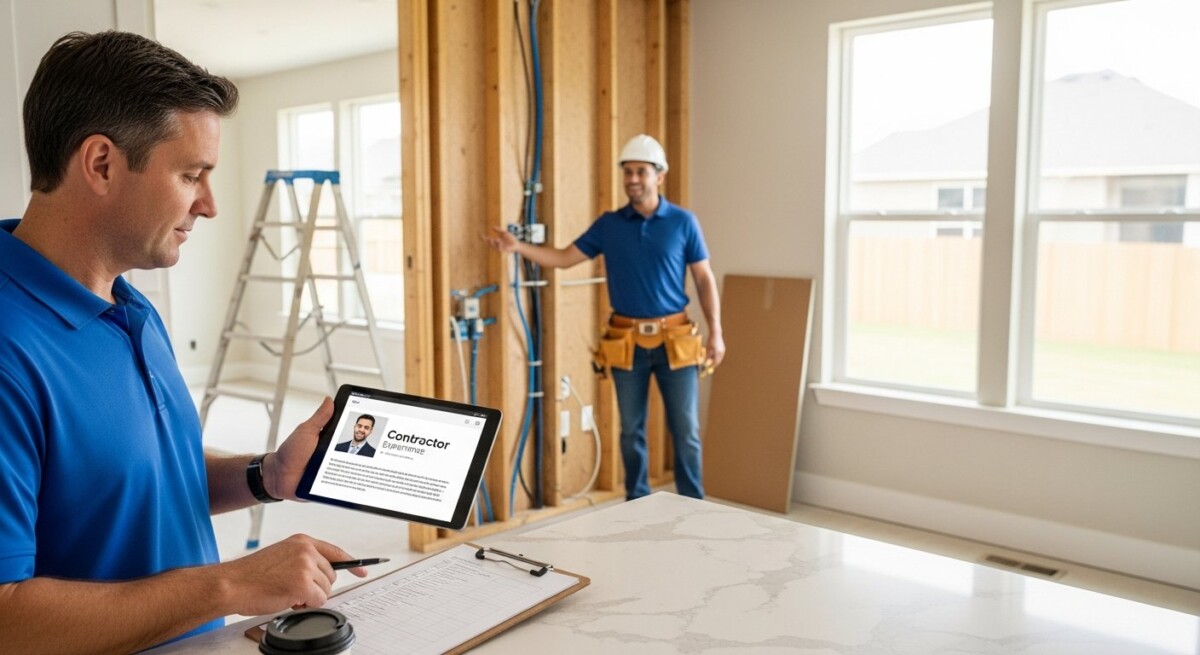
A professional remodeling contractor brings order, expertise, and efficiency to what can feel like an overwhelming project. They don’t just execute your ideas; they help refine them, foresee challenges, and manage the complex process from start to finish. Their experience allows them to solve problems you might not have even considered.
The typical process ensures a smooth transformation:
- Consultation and Planning: You discuss your goals, budget, and ideas. A good contractor listens and offers solutions.
- Design and Estimation: Plans are drawn up, materials are selected, and a detailed quote is provided, so you know exactly what to expect.
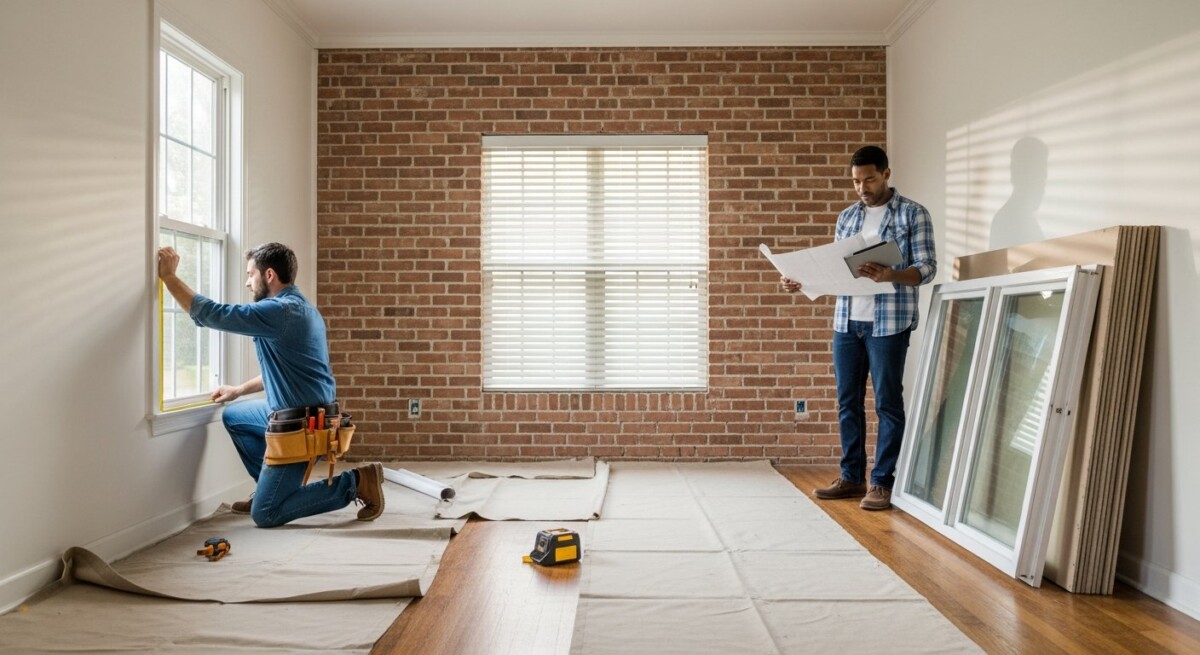
- Permitting and Preparation: The contractor handles necessary building permits and prepares the work area to protect the rest of your home.
- Demolition and Construction: The old space is carefully removed, and the new construction begins, following the agreed-upon plans.
- Installation and Finishing: New fixtures, cabinets, and finishes are installed. This phase brings the vision to life.
- Final Inspection and Cleanup: The work is reviewed for quality, the site is thoroughly cleaned, and you are shown how to use and care for your new space.
A professional inspection can reveal hidden issues before they become expensive repairs. Compare contractor quotes here or call to discuss your project.
Warning Signs You Should Not Ignore
Your home often gives you clues that a remodel is needed. Paying attention to these signs can help you address issues before they escalate into emergencies or require much more extensive repairs.
Acting on these warnings early can save you money and hassle. For instance, regrouting a shower is far less expensive than replacing rotted subflooring and wall studs.
- Water Stains or Persistent Moisture: On ceilings, walls, or under sinks. This indicates leaks that can cause mold and structural damage.
- Consistently High Energy Bills: Often a sign of poor insulation, drafty windows, or an outdated HVAC system.
- You Avoid Using a Room: If your bathroom is too small or your kitchen is too frustrating, you’re losing valuable living space.
- Cracks, Sagging, or Sticking: Cracks in walls/ceilings, doors that won’t close, or sagging floors can signal settling or structural issues.
- Outdated or Unsafe Electrical: Frequently tripped breakers, overloaded outlets, lack of GFCI outlets in wet areas, or flickering lights.
- Visible Wear and Tear: Severely cracked tiles, peeling laminate, cabinets with broken hinges, or countertops with deep stains and burns.
What Affects the Cost of Repairs or Installation
The cost of a remodeling project isn’t a one-size-fits-all number. It’s a reflection of your specific goals, your home’s condition, and the quality of materials you choose. Understanding the key factors helps you plan a realistic budget and make informed decisions.
Major factors include the scope and size of the project (a full kitchen remodeling service versus updating fixtures), the quality of materials (standard laminate vs. quartz countertops), and labor intensity (moving plumbing lines is more complex than painting). The age and condition of your home also play a huge role, as older homes often reveal unexpected issues once walls are opened.
Costs can vary depending on the condition of your home. The best way to know the price is to get a personalized estimate. Request free quotes from contractors or call today.
How to Choose the Right Contractor
Your contractor is your partner in this significant investment. Choosing the right one is the single most important decision you’ll make for a successful remodel. Look for a communicator who understands your vision and has a proven track record of bringing similar projects to life.
Follow these practical tips to find a reliable professional:
- Verify Licenses and Insurance: Always ask for proof of current liability insurance and worker’s compensation. A state-issued license is non-negotiable.
- Check References and Reviews: Read online reviews and, crucially, ask for past client references. Call them and ask about their experience.
- Review Detailed, Written Estimates: A quote should be itemized, listing costs for materials, labor, and permits. Vague estimates lead to surprises.
- Compare Multiple Quotes: Get at least three detailed bids for comparison. The lowest price isn’t always the best value if it cuts corners.
- Assess Communication and Professionalism: Are they prompt, clear, and respectful? Your entire experience will hinge on this relationship.
Long-Term Benefits of Professional Work
While the immediate result of a remodel is a beautiful new space, the true value lies in the lasting benefits. Professional work is an investment that pays dividends for years, both in your daily life and in your home’s financial worth.
You gain improved safety through updated electrical and structural integrity. You enjoy better durability because quality materials and proper installation last longer. Modern updates often bring increased energy efficiency, lowering utility bills. Most importantly, a well-executed remodel significantly boosts your home’s resale value and appeal, far more than a series of quick DIY fixes ever could. For larger projects, like adding a new room, exploring home addition remodeling services can provide a structured approach to expanding your living space.
What is the difference between remodeling and renovating?
Renovating typically means restoring something to a good state, like refinishing floors or repainting. Remodeling involves changing the structure or form, like knocking down a wall to create an open-concept layout. Remodeling services are more transformative.
How long does a typical kitchen or bathroom remodel take?
A minor bathroom update might take 1-2 weeks, while a full kitchen remodel can take 6-12 weeks. Timelines depend on the project’s complexity, material availability, and any unforeseen issues found during demolition. Your contractor should provide a projected schedule.
Do I need to move out during a major remodel?
For large, whole-house projects, moving out is often easier. For kitchen or bathroom remodels, many families stay home but plan for disruption. Your contractor can help you set up a temporary kitchenette or bathroom to make living through the project manageable.
How do I budget for a home remodeling project?
Start by defining your priorities and getting quotes from several contractors. A good rule is to add a 10-20% contingency fund to your budget for unexpected issues. Be clear with your contractor about your budget ceiling from the start so they can suggest appropriate materials and solutions.
Will a remodel increase my property taxes?
It might. A significant improvement that increases your home’s market value can lead to a higher property tax assessment. Check with your local tax assessor’s office to understand how improvements are evaluated in your area.
How can I ensure my remodel stays on schedule?
Clear communication and decisions are key. Delays often happen when material selections are delayed or plans change mid-project. Work with your contractor to select all materials early and be available to answer questions promptly to keep the project moving smoothly.
Your home should be a source of comfort and joy, not stress. Addressing its needs with professional residential remodeling services is a practical step toward protecting your investment and enhancing your daily life. By understanding the process, recognizing the warning signs, and choosing the right partner for the job, you can transform your living space with confidence. The best first step is an informed one: consider reaching out to a few qualified contractors for quotes to understand your options and start planning the home you deserve.