
Repair vs Remodel: A Homeowner’s Guide to Smart Choices
A practical guide for homeowners comparing repairs and remodels. Learn when to fix, when to transform, and how to make the best choice for your home’s value and safety.
By Jessica Reis
Learn more about Exterior Painting for guides, costs, and what to expect.
Compare Exterior Painting Pros Near You

Enter your ZIP code to compare top-rated local professionals and request free quotes.
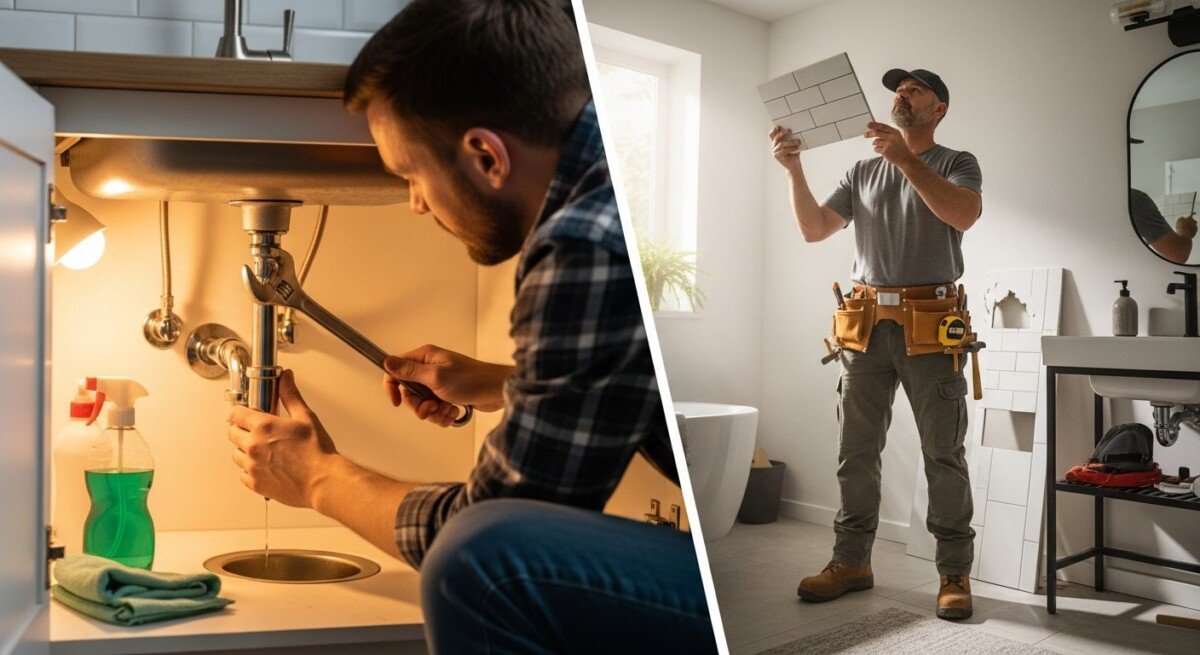
You notice a persistent drip under the kitchen sink, or perhaps the bathroom tiles are cracked and outdated. As a homeowner, you’re faced with a familiar dilemma: do you simply fix the leak, or is it time to finally update that entire bathroom? This decision between a repair and a remodel is more than just a choice about cost; it’s about the long-term health, value, and enjoyment of your home. Ignoring it can lead to minor annoyances turning into major, expensive problems, while making the wrong choice can waste your investment. Understanding the repair vs remodel home comparison is the first step to making a confident, financially sound decision for your property.
Understanding Repair vs Remodel Home Comparison
At its core, a repair is about restoration. It’s fixing something that’s broken to bring it back to its original, working condition. Think of patching a roof leak, replacing a broken window, or fixing a faulty electrical outlet. The goal is to stop damage, ensure safety, and maintain functionality.
A remodel, on the other hand, is about transformation. It involves changing the structure, layout, or design of a space. This could mean knocking down a wall to create an open floor plan, completely gutting a kitchen, or adding a new bathroom. The goal is to improve, upgrade, or repurpose an area to better suit your lifestyle.
This comparison matters in every home, but it’s especially critical in older properties where aging systems meet modern living needs. The right choice balances immediate needs with future goals and your home’s overall value.
Why This Matters for Your Home
Choosing incorrectly can have real consequences. A quick fix on a recurring problem might save money now but lead to a catastrophic failure later. Conversely, embarking on a full remodel for a simple issue is an unnecessary financial strain.
The impacts are tangible. A neglected repair can cause water damage, mold growth, or electrical hazards, risking your family’s safety and the structural integrity of your home. A well-planned remodel, however, can increase your home’s market value, improve energy efficiency, and significantly enhance your daily comfort and enjoyment. The key is to assess the situation holistically, considering not just the symptom but the root cause and your long-term plans for the house.
If you notice signs of this issue in your home, it may help to speak with a qualified contractor. Request a free quote or call to explore your repair or remodeling options.
Common Problems Homeowners Experience
Homeowners often grapple with issues that blur the line between a simple fix and a major project. A leaking pipe might be a straightforward repair, but if it’s caused by outdated plumbing throughout the house, a larger-scale update might be the wiser investment. Similarly, a single cracked tile is a repair, but if the entire floor is uneven or the subfloor is damaged, a remodel becomes necessary.
These decisions become even clearer when you consider your goals. Are you preparing to sell, planning to stay for decades, or just tired of an inefficient layout? For example, our guide on before and after remodeling shows how transformative these projects can be for both home value and lifestyle.
- Visible Damage: Water stains, cracked foundations, peeling paint, or warped floors.
- Performance Problems: Inefficient heating/cooling, poor water pressure, outdated electrical systems that can’t handle modern loads.
- Structural Concerns: Sagging roofs, settling foundations, or load-bearing walls that limit your desired layout.
- Aging Materials: 30-year-old roofing, original single-pane windows, or galvanized steel pipes that are at the end of their lifespan.
- Layout & Function Frustrations: A closed-off kitchen, a lack of storage, or a bathroom that doesn’t meet your family’s needs.
- Recurring Issues: A leak that “gets fixed” every year or a circuit that constantly trips.
How Professionals Solve the Problem
A professional contractor brings a critical eye to your situation. They don’t just see the drip or the cracked tile; they diagnose the underlying cause. Their experience allows them to advise whether a repair will be a lasting solution or merely a temporary bandage that masks a larger issue requiring a remodel.
This expert assessment saves you time, money, and stress in the long run. They ensure work is done to code, which is crucial for safety and resale. For any significant remodel, understanding the permit process is essential, and a professional will navigate this complex requirement for you.
- Comprehensive Inspection: The contractor assesses the visible problem and investigates potential related issues you may not see.
- Root Cause Analysis: They determine if the issue is isolated or a symptom of systemic failure.
- Solution Presentation: You receive clear options, outlining the pros, cons, and ballpark costs for both repair and remodel scenarios.
- Detailed Planning: If a remodel is chosen, they create a plan covering design, materials, timeline, and permits.
- Quality Execution: Skilled tradespeople perform the work efficiently and correctly the first time, with proper cleanup.
A professional inspection can reveal hidden issues before they become expensive repairs. Compare contractor quotes here or call to discuss your project.
Warning Signs You Should Not Ignore
Your home often sends signals before a minor issue becomes a major crisis. Learning to recognize these signs can help you act proactively, saving thousands of dollars. A small water stain on the ceiling today could be a roof leak that leads to rotted framing tomorrow.
Listen to your home. Persistent problems, even small ones, are rarely truly isolated. They indicate wear, aging systems, or underlying flaws that need addressing. Early action is almost always less disruptive and more affordable than emergency repairs after a failure.
- Water Intrusion Anywhere: Stains, drips, pooling water, or a persistent musty smell.
- Electrical Issues: Frequently tripped breakers, flickering lights, outlets that are warm to the touch, or a burning smell.
- Foundation Shifts: New or widening cracks in walls, floors, or the foundation itself; doors and windows that stick or won’t close properly.
- Roof Problems: Missing or curling shingles, granules in gutters, or daylight visible through roof boards in the attic.
- Inefficiency & High Bills: Dramatic spikes in heating/cooling or water bills, indicating failing systems.
- General Deterioration: Widespread peeling paint, rotting wood trim, or outdated systems (like knob-and-tube wiring).
What Affects the Cost of Repairs or Installation
The cost difference between a repair and a remodel can be significant, but so can the value derived from each. A repair cost is typically driven by the price of parts and a few hours of labor. A remodel cost encompasses design, materials, labor, permits, and often involves multiple skilled trades.
Several key factors influence the final price. The scope of work is the biggest driver,replacing a faucet versus re-piping the entire house. Material choices also create a wide range, from builder-grade basics to high-end custom finishes. Labor intensity, such as working in a tight crawl space or a highly detailed tile pattern, adds to the cost. Finally, the age and condition of your home can introduce unforeseen challenges once walls are opened up, which is why contingency budgets are wise for remodels.
Costs can vary depending on the condition of your home. The best way to know the price is to get a personalized estimate. Request free quotes from contractors or call today.
How to Choose the Right Contractor
Your contractor is your partner in this decision-making process. The right professional will be honest about whether a repair is sufficient or if a remodel is the better long-term investment. They should have no vested interest in selling you more work than you need.
Take your time in the selection process. A trustworthy contractor will be transparent, communicative, and happy to provide references. They will view your home as you do,a valuable asset and the center of your family’s life. For those concerned about budget, exploring options for affordable home remodeling strategies with your contractor can reveal smart ways to achieve your goals.
- Verify Credentials: Always check for a valid state license, liability insurance, and workers’ compensation coverage.
- Review Past Work: Look at online portfolios and read reviews on third-party sites. Ask for references for projects similar to yours.
- Get Detailed Estimates: Quotes should be in writing, itemizing costs for materials, labor, permits, and a project timeline.
- Compare Multiple Quotes: Get at least three detailed estimates to understand the market rate and different approaches to your project.
- Assess Communication: Choose someone who listens, answers your questions clearly, and makes you feel comfortable.
Long-Term Benefits of Professional Work
Investing in the right solution,whether a quality repair or a thoughtful remodel,pays dividends for years. Professionally executed work provides peace of mind. You know the job was done correctly, safely, and in compliance with building codes, which protects your family and your investment.
Beyond immediate fixes, professional work enhances your home’s durability and efficiency. A proper repair stops the cycle of recurring issues. A well-planned remodel can modernize systems, improve insulation, and introduce water-saving fixtures, lowering your utility bills. Ultimately, this care maintains and often increases your home’s market value, ensuring it remains a source of pride and financial security.
Should I repair or remodel before selling my home?
This depends on the issue and your local market. Minor repairs to fix glaring problems are almost always necessary. For larger items, consult a real estate agent. Often, strategic minor remodels, like updating a kitchen or bathroom, offer a high return on investment, while major structural remodels may not be recouped in the sale price.
How do I know if a repair is just a temporary fix?
If the same problem recurs, if the materials are obsolete and failing elsewhere, or if a professional advises that the entire system is near the end of its lifespan, a repair is likely temporary. A trustworthy contractor will tell you if a fix is a short-term solution versus a permanent one.
Can I do parts of a remodel myself to save money?
Some homeowners handle demolition, painting, or finish work. However, critical structural, electrical, and plumbing work should always be done by licensed professionals for safety, insurance, and code compliance reasons. Be clear with your contractor about what you plan to DIY.
What is the most common mistake in the repair vs. remodel decision?
The most common mistake is treating a symptom instead of the disease. Homeowners often opt for the cheapest, quickest repair without investigating the root cause, leading to the same expense again and again. Getting a professional diagnosis first can prevent this.
How long does a typical remodel take compared to a repair?
A repair can often be completed in a few hours to a couple of days. A remodel involves multiple phases,planning, demolition, construction, and finishing,and can take several weeks to months, depending on the scope and complexity of the project.
Will a remodel always increase my home’s value?
Not all remodels provide a 100% return on investment. Kitchen and bathroom updates typically offer the best return, while highly personalized projects (like adding a specialty room) may not appeal to future buyers. Focus on improvements that enhance functionality and appeal to a broad audience.
Navigating the choice between a repair and a remodel is a fundamental part of responsible homeownership. By understanding the differences, recognizing the warning signs, and seeking professional guidance, you can protect your investment and create a home that is safe, functional, and aligned with your life. The most important step is the first one: assessing your situation. Comparing detailed quotes from qualified contractors is the best way to understand your options, costs, and the smartest path forward for your unique home.
Learn more about Exterior Painting for guides, costs, and what to expect.
Compare Exterior Painting Pros Near You
Enter your ZIP code to compare top-rated local professionals and request free quotes.