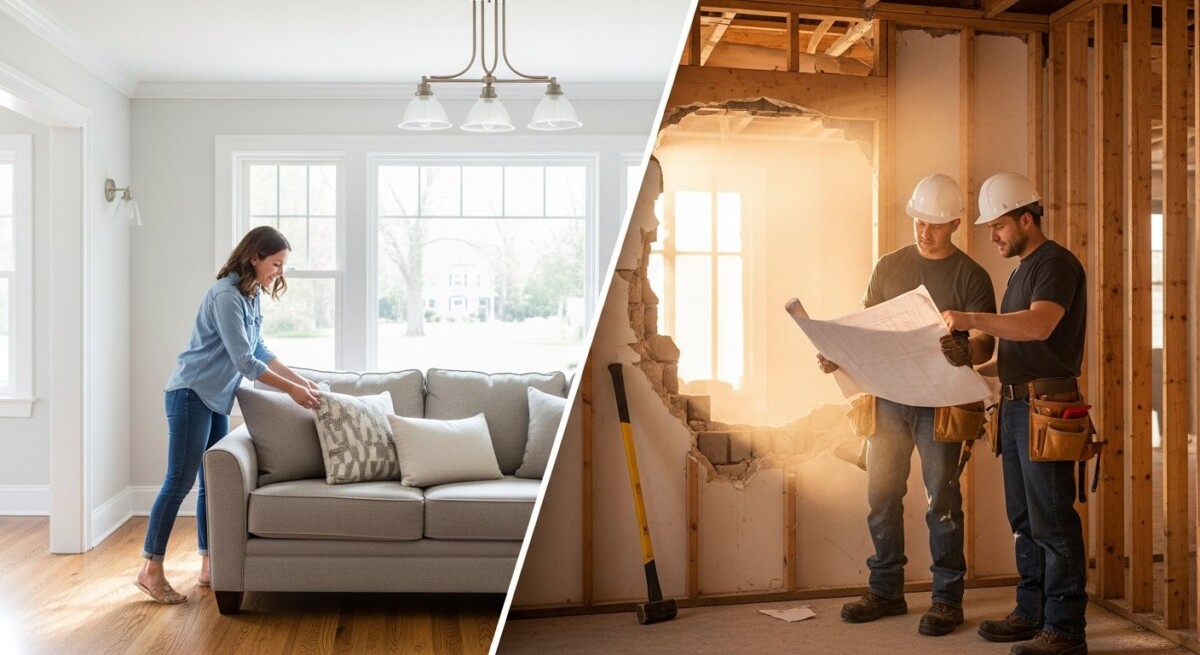
Open Floor Plan Remodeling Ideas for Better Flow
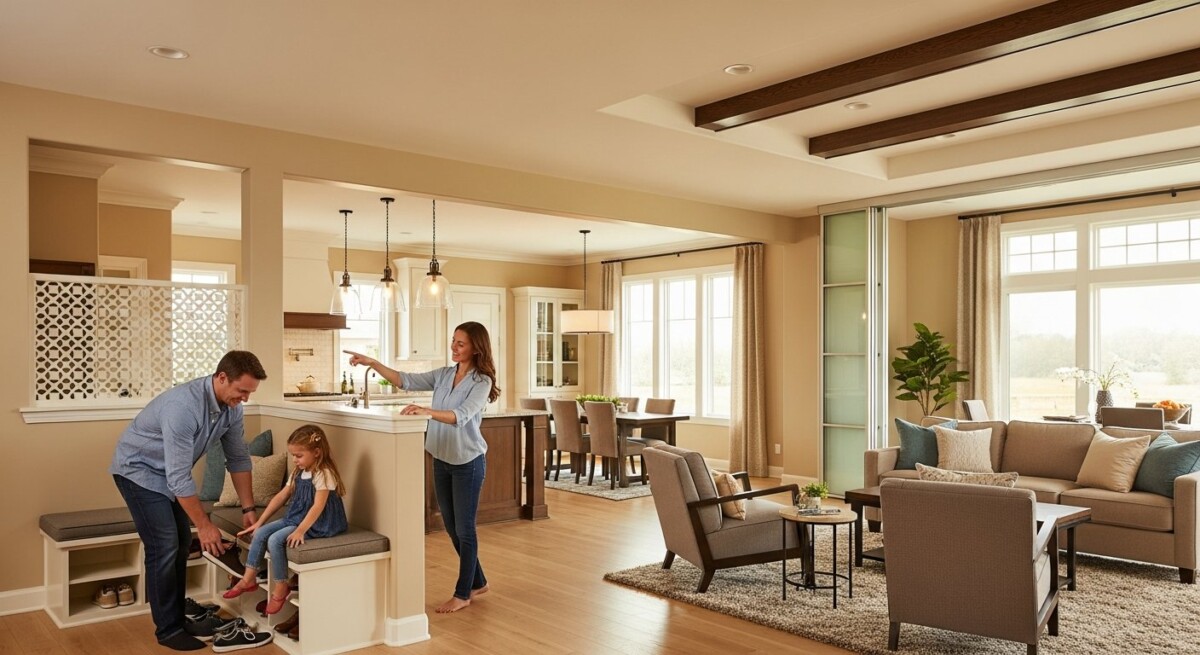
You stand in your kitchen and can see straight through the living room to the back wall. That wide-open space once felt modern and airy. Now it feels cluttered, noisy, and hard to use. The furniture never seems to sit right. The cooking smells drift into every corner. And you have no idea where to put a coat rack or a pair of shoes without it being visible from every angle. If this sounds familiar, you are not alone. Many homeowners love the concept of an open floor plan but struggle to make it work day to day. That is why smart open floor plan remodeling ideas can transform your home from a cavernous echo chamber into a comfortable, functional living space.
Understanding Open Floor Plan Remodeling Ideas
An open floor plan is a layout that removes interior walls between the kitchen, dining, and living areas. This design became popular in the 1990s and early 2000s because it makes homes feel larger and more connected. But the reality is that many of these spaces lack defined zones, storage, and privacy. Homeowners often discover that the open concept creates problems with noise, clutter, and energy efficiency.
Open floor plan remodeling ideas focus on solving these issues without closing off the entire space. The goal is to create visual and functional separation while keeping the sense of openness. Homes built before 2010 are most likely to have this layout, but even newer construction can suffer from poor flow. The key is to add structure, texture, and purpose to the large room without making it feel smaller.
Why Open Floor Plans Need a Refresh
The original open floor plan trend emphasized square footage over livability. Builders removed walls to save costs and create a selling point. But homeowners quickly realized that a single giant room is hard to furnish, hard to heat, and hard to keep tidy. Remodeling adds back the missing elements: defined areas, smart storage, and visual anchors that make the space feel intentional.
Why This Matters for Your Home
Ignoring the challenges of your open floor plan can lead to real problems over time. The lack of defined zones often causes homeowners to pile furniture against walls, which wastes space and creates awkward traffic patterns. Clutter accumulates because there is no dedicated spot for mail, keys, or pet supplies. The open layout also makes it harder to control heating and cooling, since air moves freely from the kitchen to the living room. This can increase your energy bills by 10 to 20 percent.
Safety is another concern. Without proper separation, kitchen hazards like hot pans and sharp knives are visible to children playing nearby. And if you ever need to isolate noise for remote work or study, an open floor plan offers no relief. Delaying a remodel only compounds these issues. The longer you wait, the more you adapt to a space that does not serve you, and the harder it becomes to enjoy your home fully.
If you notice signs of this issue in your home, it may help to speak with a qualified contractor. Request a free quote or call 555-123-4567 to explore your repair or remodeling options.
Common Problems Homeowners Experience
Open floor plans come with a predictable set of complaints. The most common is the echo. Without walls to absorb sound, conversations, TV noise, and kitchen clatter bounce around the room. Another frequent issue is the lack of wall space for furniture. You cannot place a sofa against a glass sliding door, and floating furniture often looks out of place.
Storage is almost always inadequate. Open layouts usually have fewer cabinets and closets because the walls are gone. This forces every item to be on display, which makes the room feel messy even when it is clean. Lighting is another headache. A single overhead fixture rarely provides enough light for cooking, reading, and watching TV all in the same space.
- Echo and noise that carry throughout the entire home
- No defined zones for cooking, relaxing, or dining
- Limited wall space for art, shelves, or furniture placement
- Poor lighting that leaves corners dark and tasks difficult
- Clutter that is always visible because there is no hidden storage
- Drafts and uneven temperatures due to the large open volume
How Professionals Solve the Problem
Professional contractors approach open floor plan remodeling with a clear strategy. They start by understanding how your family uses the space. Then they design solutions that add structure without closing off the room entirely. For example, a half-wall or a set of open shelves can define the kitchen from the living area while still allowing light and sight lines to pass through.
Experienced remodelers also know how to use flooring, ceiling treatments, and furniture placement to create zones. A change in floor material,like tile in the kitchen and hardwood in the living room,visually separates the areas without a wall. Similarly, a dropped ceiling or a large area rug can anchor each zone. The process typically follows these steps:
- On-site consultation to measure the space and discuss your needs
- Design phase that includes layout options, material selection, and budget estimates
- Demolition and preparation, including moving electrical and HVAC if needed
- Installation of new walls, shelving, flooring, or lighting
- Finishing touches like painting, trim work, and final cleanup
Professional work is safer and more reliable than DIY because contractors have the tools and experience to handle hidden issues like load-bearing walls, electrical wiring, and ductwork. They also ensure that permits are pulled and inspections are passed, which protects your home value and your safety.
A professional inspection can reveal hidden issues before they become expensive repairs. Compare contractor quotes here or call 555-123-4567 to discuss your project.
Warning Signs You Should Not Ignore
Your open floor plan may be sending signals that it needs help. Pay attention to how you feel when you walk into the room. Do you immediately want to turn around and leave? That is a sign that the space is not working for you. Other warning signs include furniture that never feels right, a room that is always too loud, or a kitchen island that becomes a dumping ground.
Another red flag is when you find yourself avoiding certain areas of the open space. Maybe you never sit on the sofa because it feels exposed, or you eat all your meals at the kitchen counter because the dining table feels too far away. These behavioral clues indicate that the layout is not supporting your daily life.
- You feel overwhelmed or anxious when entering the main living area
- Furniture is pushed against walls instead of arranged for conversation
- You cannot hear someone speaking from across the room without shouting
- Storage is overflowing because there are no cabinets or closets
- The room feels cold in winter and hot in summer despite running HVAC
- You have given up trying to decorate because nothing looks right
What Affects the Cost of Repairs or Installation
The cost of an open floor plan remodel varies widely based on several factors. The size of the project is the biggest driver. Adding a single half-wall with shelving may cost a few thousand dollars, while a full reconfiguration that moves plumbing and electrical can run $15,000 to $30,000 or more. Materials also play a major role. Custom cabinetry, hardwood flooring, and designer lighting will push the price higher than standard options.
Labor costs depend on the complexity of the work and your location. If your home has a load-bearing wall that needs to be reinforced, structural engineering may be required. Accessibility matters too. A ground-floor room is easier to work on than a second-story space that requires scaffolding. Older homes often have outdated wiring or plumbing that must be updated to meet current code, adding to the total.
Costs can vary depending on the condition of your home. The best way to know the price is to get a personalized estimate. Request free quotes from contractors or call 555-123-4567 today.
How to Choose the Right Contractor
Selecting a contractor for your open floor plan remodel is one of the most important decisions you will make. Start by asking for recommendations from neighbors or friends who have done similar work. Then verify that each contractor is licensed, insured, and bonded. This protects you if something goes wrong during the project.
Read online reviews on trusted platforms like the Better Business Bureau or Houzz. Look for contractors who have completed open floor plan projects specifically,not just general remodeling. Request detailed written estimates from at least three contractors so you can compare scope, materials, and timeline side by side. In our guide on small home remodeling ideas to maximize space and value, we explain how to apply similar principles to open layouts.
- Check for a valid contractor license and liability insurance
- Read at least 10 recent customer reviews on multiple sites
- Ask for a written estimate that includes materials, labor, and timeline
- Compare quotes from at least three contractors before deciding
- Confirm they have experience with open floor plan remodeling specifically
Long-Term Benefits of Professional Work
Investing in a professional open floor plan remodel pays off in many ways. A well-designed space improves your daily comfort by reducing noise, controlling temperature, and giving every activity its own zone. You will use more of your home instead of avoiding certain areas. The remodel also increases your property value. Real estate agents consistently report that homes with defined, functional layouts sell faster and for higher prices.
Durability is another long-term benefit. Professional contractors use quality materials and proper installation techniques that last for decades. They also address underlying issues like insufficient insulation or outdated wiring, which reduces future maintenance costs. If you are interested in sustainable materials, our article on eco-friendly remodeling ideas for modern homes covers options that work well in open layouts.
Finally, a professional remodel gives you peace of mind. You know the work was done right, with permits and inspections, so you can enjoy your home without worrying about hidden problems. The space will feel intentional, comfortable, and uniquely yours.
How do I make my open floor plan feel cozy?
Use area rugs, curtains, and furniture groupings to define zones. Add warm lighting with floor lamps and dimmers. Incorporate soft textures like throw pillows and upholstered chairs to absorb sound and create intimacy.
What is the cheapest way to separate an open floor plan?
The most affordable solution is furniture placement. A large sofa or bookcase can act as a room divider. You can also use curtains hung from a ceiling track for a soft, temporary separation that costs under $200.
Can I add a wall to my open floor plan without a permit?
Most interior wall additions require a building permit, especially if the wall is load-bearing. Check with your local building department. Skipping the permit can lead to fines and problems when you sell your home.
How long does an open floor plan remodel take?
A minor remodel like adding shelving or a half-wall can take one to two weeks. A full reconfiguration that includes new flooring, lighting, and structural changes may take four to eight weeks. Your contractor will provide a timeline during the estimate.
Will an open floor plan remodel increase home value?
Yes, if done well. Homes with defined functional zones and improved storage typically sell for 5 to 10 percent more than comparable open layouts. Focus on quality materials and professional installation to maximize return.
What flooring is best for an open floor plan?
Use different flooring materials to define zones. Tile in the kitchen and hardwood in the living room works well. Luxury vinyl plank is a budget-friendly option that mimics wood and handles moisture well.
Do I need an architect for an open floor plan remodel?
You may need an architect if you are removing or adding load-bearing walls. For cosmetic changes like shelving or lighting, a skilled contractor can handle the design. Always ask your contractor if an architect is recommended for your specific project.
How do I reduce noise in an open floor plan?
Add soft surfaces like rugs, upholstered furniture, and curtains. Install acoustic panels behind artwork or TV screens. Bookshelves filled with books also absorb sound effectively. For a more permanent solution, consider adding a partial wall with soundproofing insulation.
Your open floor plan has the potential to be your favorite room in the house. But getting there requires thoughtful planning and skilled execution. Do not settle for a space that feels chaotic or uncomfortable. Start by speaking with a qualified contractor who can show you what is possible. Best kitchen remodeling ideas for modern homes often integrate seamlessly with open layouts, and a professional can help you create a cohesive design. Request quotes from multiple contractors to compare options and find the right fit for your budget and vision. Your home deserves to work for you, and the right remodel can make that happen.