Interior Remodeling Services: Transform Your Home the Right Way
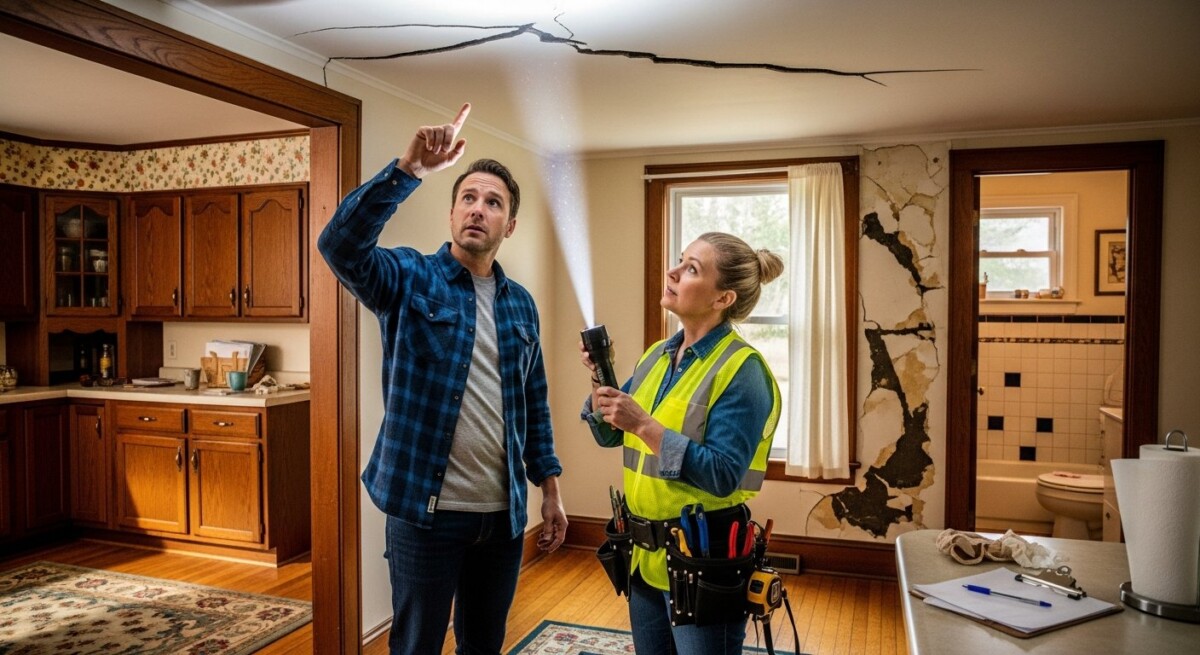
You walk into your living room and notice the paint is peeling near the ceiling. The kitchen cabinets are starting to sag, and the bathroom tile has a crack you keep meaning to fix. These small imperfections might seem like cosmetic annoyances, but they often point to deeper issues that affect your home’s safety and value. Interior remodeling services can turn these problem areas into spaces you love again, but many homeowners put off the work until a small leak becomes a major repair.
Understanding interior remodeling services
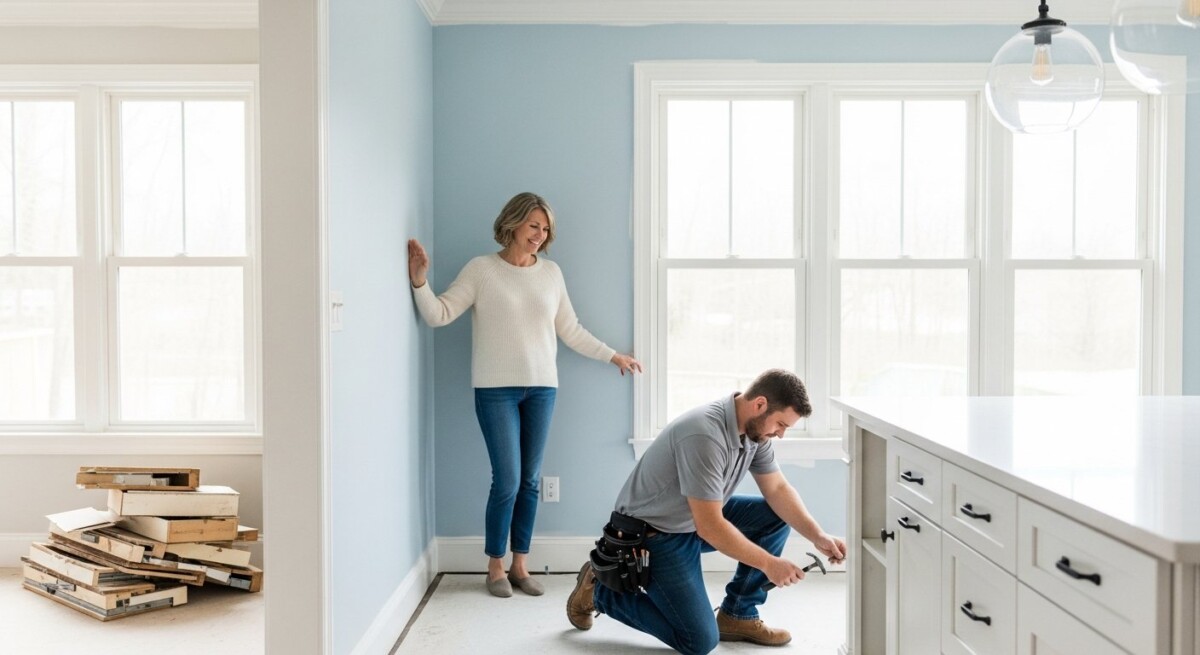
Interior remodeling services cover any work done inside your home to update, repair, or improve a space. This includes kitchen and bathroom renovations, basement finishing, room additions, flooring replacement, drywall repair, and even full-home makeovers. The goal is to make your home more functional, comfortable, and visually appealing.
Homes of any age can benefit from remodeling. Older homes often have outdated materials, worn-out fixtures, or inefficient layouts. Newer homes may need customization to fit a growing family or changing lifestyle. No matter when your home was built, interior remodeling helps you adapt your space to your needs.
Why homes need remodeling over time
Every house naturally ages. Paint fades, flooring wears down, plumbing fixtures leak, and walls develop cracks. Regular use takes a toll on every surface and system. Interior remodeling addresses these signs of wear and prevents them from turning into costly structural problems.
Why This Matters for Your Home
Ignoring needed interior updates can lead to real damage. A small water stain on the ceiling might hide a slow pipe leak that rots the wood framing above. Outdated electrical wiring can become a fire hazard. Cracked tiles in the bathroom let moisture seep into the subfloor, causing mold and decay. What starts as a simple fix can grow into a thousand-dollar repair if left too long.
Your home is likely your biggest investment. Protecting that investment means keeping the interior in good condition. Professional interior remodeling services not only fix current problems but also prevent future ones. They improve energy efficiency, boost comfort, and increase your home’s resale value. Delaying work often costs more in the long run.
If you notice signs of this issue in your home, it may help to speak with a qualified contractor. Request a free quote or call to explore your repair or remodeling options.
Common Problems Homeowners Experience
Every homeowner faces interior issues at some point. Some are obvious, like a leaky faucet or a cracked window. Others are subtle, such as doors that stick or floors that feel uneven. These problems often appear gradually, making them easy to ignore until they become urgent.
Understanding the most common interior remodeling needs helps you spot issues early. Many homeowners discover problems during routine cleaning or when preparing to sell their home. By then, the damage may already be significant.
- Outdated or damaged kitchen cabinets and countertops
- Bathrooms with cracked tile, mold, or poor ventilation
- Worn, stained, or buckling flooring
- Peeling paint or wallpaper that hides moisture damage
- Drafty windows or doors that increase energy bills
- Basements with moisture problems or unfinished, underused space
How Professionals Solve the Problem
Experienced contractors approach interior remodeling with a clear process. They start by inspecting the area to identify all issues, including hidden ones. Then they create a plan that addresses both the visible problems and the underlying causes. This ensures repairs last and the finished space looks great.
- Assessment and planning: The contractor evaluates the space, measures dimensions, and discusses your goals and budget.
- Design and material selection: You choose finishes, colors, and materials that fit your style and needs.
- Demolition and preparation: Old fixtures, flooring, or cabinets are removed carefully to avoid damaging surrounding structures.
- Installation and construction: New materials are installed according to code, with attention to detail and quality.
- Finishing and cleanup: Final touches like painting, caulking, and trim work are completed, and the area is cleaned thoroughly.
Professional work is almost always safer and more reliable than DIY. Contractors have the right tools, training, and experience to handle unexpected issues like rot, asbestos, or faulty wiring. They also carry insurance, so you are protected if something goes wrong. In our guide on finding reliable remodeling services near your home, we explain how to connect with qualified pros in your area.
A professional inspection can reveal hidden issues before they become expensive repairs. Compare contractor quotes here or call to discuss your project.
Warning Signs You Should Not Ignore
Your home often gives early warnings before a problem becomes serious. Learning to recognize these signs helps you act quickly and avoid bigger headaches. Walk through each room and look for anything that seems off.
- Water stains on ceilings, walls, or near plumbing fixtures
- Musty odors or visible mold growth
- Warped, buckling, or squeaky floors
- Doors or windows that stick, are hard to open, or have gaps
- Flickering lights or outlets that feel warm to the touch
- Cracks in walls, especially around doors, windows, or corners
If you spot any of these signs, it is wise to call a professional for an inspection. Early action often means a simpler fix and lower cost. Waiting can turn a minor repair into a full renovation. For example, a small bathroom leak caught early might only need a new seal, while a delayed repair can require tearing out the entire shower and replacing rotted subflooring.
What Affects the Cost of Repairs or Installation
Interior remodeling costs vary widely based on several factors. Understanding these helps you budget realistically and compare quotes fairly. No two homes are exactly alike, so a price that seems high for one project may be reasonable for another.
The size of the project is the biggest cost driver. A full kitchen remodel costs more than replacing countertops alone. Materials also play a major role,solid hardwood flooring costs more than laminate, but it lasts longer and adds more value. Labor rates vary by region and by the complexity of the work. Older homes often require extra work to bring systems up to current building codes.
Accessibility matters too. A bathroom on the second floor with limited space costs more to remodel than a ground-floor powder room. The age and condition of your home can reveal surprises like lead paint or outdated wiring that add to the cost. In our detailed guide on kitchen remodeling services, we break down typical pricing and what to expect.
Costs can vary depending on the condition of your home. The best way to know the price is to get a personalized estimate. Request free quotes from contractors or call today.
How to Choose the Right Contractor
Finding the right contractor for your interior remodeling project is just as important as the design itself. A good contractor delivers quality work, stays on schedule, and communicates clearly. A bad choice can lead to delays, budget overruns, and subpar results.
Start by asking for recommendations from friends, neighbors, or online community groups. Then research each candidate thoroughly. Most reputable contractors are happy to provide references and proof of insurance. Take the time to compare at least three quotes before making a decision.
- Check that the contractor is licensed and insured in your state
- Read online reviews on Google, Yelp, and the Better Business Bureau
- Ask for a detailed written estimate that lists materials, labor, and timeline
- Get at least three quotes to compare pricing and scope
- Confirm they have experience with projects similar to yours
Choosing the right contractor protects your investment and ensures the job is done correctly. If you are considering a larger project like adding living space, our article on garage remodeling services offers additional insights on transforming underused areas.
Long-Term Benefits of Professional Work
Hiring a professional for interior remodeling delivers benefits that last for years. The work is done correctly the first time, so you avoid frequent repairs. Quality materials and proper installation improve safety, especially with electrical, plumbing, and structural work.
Updated interiors also improve energy efficiency. New windows, insulation, and appliances lower your utility bills. Modern layouts make your home more functional for daily life. When it comes time to sell, a well-remodeled home commands a higher price and sells faster than one with outdated or damaged interiors.
Professional remodeling reduces future maintenance. New flooring, paint, and fixtures are easier to clean and more durable. You spend less time patching, painting, and repairing. The peace of mind that comes from knowing your home is in good condition is priceless.
What is the difference between remodeling and renovation?
Remodeling changes the structure or layout of a room, such as knocking down a wall to create an open floor plan. Renovation focuses on restoring or updating existing elements, like replacing countertops or refinishing cabinets. Both improve your home, but remodeling is more involved and typically costs more.
How long does a typical interior remodeling project take?
Timelines depend on the scope of work. A bathroom remodel usually takes 2 to 4 weeks. A kitchen remodel can take 4 to 8 weeks. A full home remodel may take several months. Your contractor can provide a more accurate timeline after assessing your project.
Do I need a permit for interior remodeling?
Most significant remodeling projects require permits, especially those involving plumbing, electrical, or structural changes. Your contractor should handle the permitting process. Always verify that permits are obtained to ensure the work meets local building codes.
Can I stay in my home during a remodel?
It depends on the scope. Small projects like flooring or painting are easy to live through. Major remodels, especially kitchen or bathroom work, can be disruptive. Many homeowners choose to stay but set up a temporary kitchen or use a different bathroom. Talk to your contractor about what to expect.
How do I finance an interior remodeling project?
Options include cash savings, home equity loans, personal loans, or contractor financing plans. Some homeowners also use credit cards for smaller projects. Compare interest rates and terms before choosing a financing method. A clear budget helps you avoid overspending.
What is the best way to save money on a remodel?
Keep the existing layout to avoid moving plumbing and electrical lines. Choose mid-range materials that offer good durability without premium prices. Do your own demolition if it is safe and simple. Get multiple quotes to find competitive pricing. Avoid changing your mind mid-project, as change orders increase costs.
How do I know if a contractor is trustworthy?
Look for valid licensing and insurance, positive reviews, and a physical business address. Ask for references and call them. A trustworthy contractor provides a detailed written contract and does not demand full payment upfront. Trust your instincts,if something feels off, keep looking.
Your home deserves care that protects its value and keeps your family safe. Interior remodeling services address the problems that every homeowner faces over time, from worn finishes to hidden damage. By acting early and choosing a qualified professional, you save money, avoid stress, and create a space you truly enjoy. The first step is simple: compare contractor quotes to understand your options and find the right fit for your project.