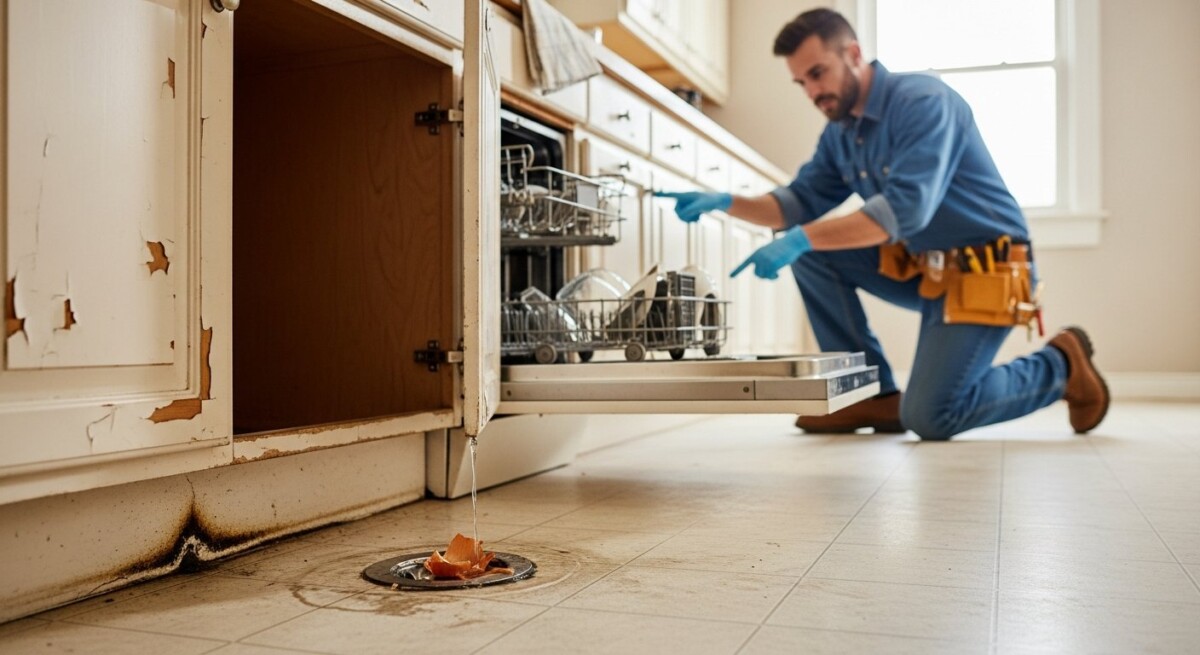
How to Modernize Older Homes Without Losing Their Charm
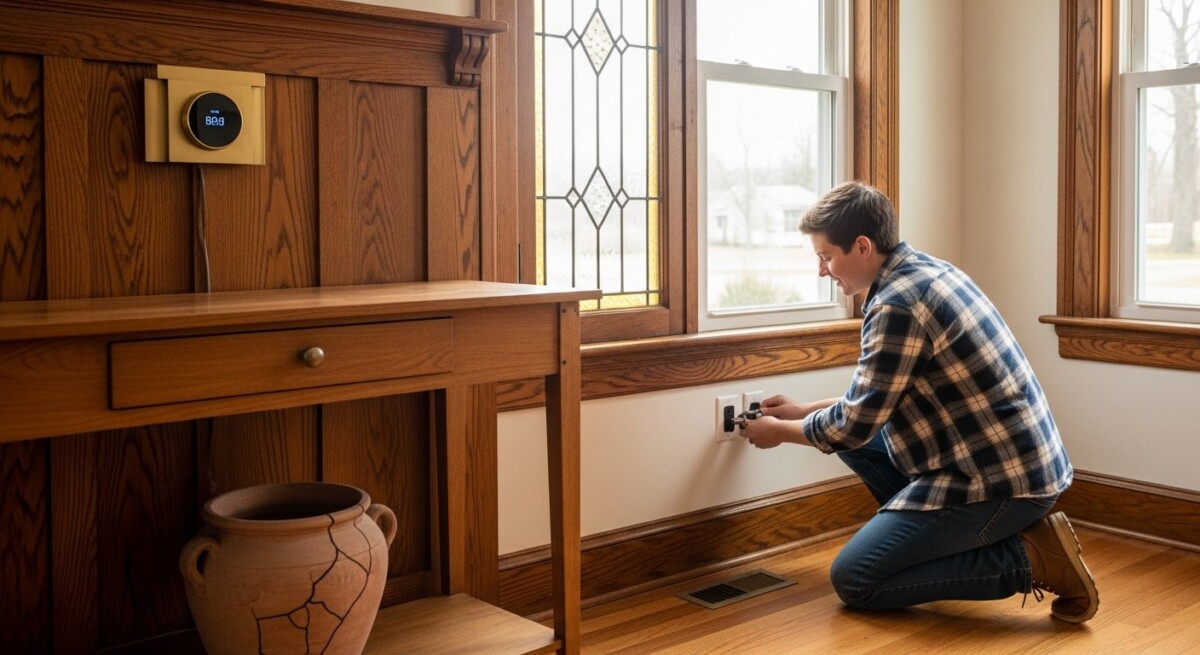
You love the character of your older home,the crown molding, the hardwood floors, the solid wood doors. But lately, you’ve noticed the kitchen feels cramped, the bathroom tile is cracked, and the living room has exactly one outlet. You’re not alone. Many homeowners discover that their beloved older home doesn’t quite work for modern life. The good news is that learning how to modernize older homes doesn’t mean stripping away their soul. It means making smart, strategic updates that improve comfort, safety, and daily function.
Ignoring outdated systems or awkward layouts can lead to larger problems. A drafty window becomes a rotting frame. An old fuse box can’t handle your appliances. What starts as a minor inconvenience can turn into a costly repair. By understanding the right approach, you can protect your investment and enjoy your home for years to come.
Understanding how to modernize older homes
Modernizing an older home means updating its systems, layout, finishes, and technology to meet today’s standards,without erasing its historic character. It’s a balance between preservation and improvement. For example, you might keep original hardwood floors while adding energy-efficient windows and a smart thermostat.
This process happens for three main reasons: changing family needs (more space, better flow), outdated infrastructure (old wiring, lead pipes), and a desire for better energy efficiency or comfort. Homes built before 1980 are most affected, especially those with original plumbing, electrical, or single-pane windows. Even mid-century homes often need updates to wiring and insulation.
Which areas need modernization most
The kitchen, bathrooms, and mechanical systems (HVAC, electrical, plumbing) are usually the top priorities. These are the spaces where daily life happens and where safety and efficiency matter most. A modern home also includes updated lighting, accessible storage, and improved indoor air quality.
Why This Matters for Your Home
Delaying modernization can quietly damage your home. Old wiring is a fire hazard. Leaky pipes can rot subfloors and attract pests. Inefficient windows and insulation drive up your energy bills month after month. What feels like a cosmetic issue often hides deeper structural or safety concerns.
Comfort also suffers. An older home without proper insulation feels drafty in winter and stuffy in summer. Rooms may be poorly lit, and outlets may be scarce. Over time, these issues reduce your quality of life and can lower your home’s resale value. Modernizing protects both your family and your property.
If you notice signs of this issue in your home, it may help to speak with a qualified contractor. Request a free quote or call to explore your repair or remodeling options.
Common Problems Homeowners Experience
Many homeowners in older homes share similar frustrations. The layout may feel chopped up, with small rooms and narrow hallways. Storage is often scarce,closets were an afterthought in many vintage floor plans. Finishes like Formica countertops, linoleum floors, and dated light fixtures can make the home feel stuck in time.
Beyond appearances, functional problems are common. Outlets are few and far between, and they’re often ungrounded. Plumbing may be galvanized steel or even lead, which affects water quality. Heating and cooling systems struggle to keep up because ductwork was never designed for modern HVAC efficiency.
- Inadequate electrical outlets (especially two-prong, ungrounded outlets)
- Drafty windows and doors that waste energy
- Outdated kitchen layouts with poor counter and cabinet space
- Small, inefficient bathrooms with limited ventilation
- Old plumbing that leaks, rusts, or reduces water pressure
- Lack of insulation in walls and attics, leading to high utility bills
How Professionals Solve the Problem
Experienced contractors approach older homes with respect and expertise. They understand the building methods of the past and know how to integrate modern systems safely. A professional will start with a thorough inspection to identify hidden issues,like knob-and-tube wiring or asbestos tiles,before any work begins.
The typical modernization process follows a clear sequence. First, the team addresses structural and safety issues: upgrading the electrical panel, replacing old plumbing, and adding insulation. Next, they tackle layout changes, such as removing a non-load-bearing wall to create an open-concept kitchen and living area. Finally, they install new finishes, fixtures, and technology that match your style.
- Inspection and planning: Identify code violations, safety hazards, and structural needs.
- Systems upgrade: Replace wiring, plumbing, and HVAC to meet modern codes.
- Structural modifications: Remove or add walls, update windows, reinforce floors if needed.
- Finishes and fixtures: Install new flooring, cabinetry, countertops, lighting, and hardware.
- Final walkthrough: Test all systems, ensure safety, and review results with the homeowner.
Professional work is safer and more reliable than DIY fixes. Contractors carry insurance, know local building codes, and have the tools to handle unexpected problems,like discovering termite damage behind a wall. In our guide on best kitchen remodeling ideas for modern homes, we explain how professional upgrades can transform your space while preserving its character.
A professional inspection can reveal hidden issues before they become expensive repairs. Compare contractor quotes here or call to discuss your project.
Warning Signs You Should Not Ignore
Some signs that your home needs modernization are obvious. Others are subtle but just as important. Pay attention to how your home feels and performs. If you notice flickering lights, warm spots on walls, or a persistent musty smell, those are red flags. They often point to electrical or moisture problems that require immediate attention.
Early action saves money and prevents damage. A small plumbing leak, if caught early, costs a few hundred dollars to fix. If ignored, it can lead to mold remediation and floor replacement costing thousands. The same is true for outdated wiring, poor insulation, and failing windows.
- Frequent circuit breaker trips or blown fuses
- Water stains on ceilings or walls
- Drafts near windows and doors even when closed
- Rooms that are noticeably colder or hotter than others
- Musty odors or visible mold growth
- Outdated outlets (two-prong, no ground fault protection near water)
What Affects the Cost of Repairs or Installation
The cost to modernize an older home varies widely based on the scope of work. A full kitchen and bathroom remodel with systems upgrades will cost more than replacing windows and painting. However, even small projects can have unexpected expenses if hidden problems are uncovered.
Key factors include the size of the project (square footage, number of rooms), the materials you choose (stock vs. custom cabinets, laminate vs. quartz countertops), and labor rates in your area. Accessibility matters too,homes with tight crawlspaces or limited attic access take longer to work on. The age of the home also plays a role; homes built before 1950 often require more extensive electrical and plumbing updates.
Costs can vary depending on the condition of your home. The best way to know the price is to get a personalized estimate. Request free quotes from contractors or call today.
How to Choose the Right Contractor
Finding the right contractor is essential for a successful modernization project. You want someone who understands older homes and respects their construction methods. Start by asking for recommendations from neighbors or local historical societies. Then, vet each candidate thoroughly.
A good contractor will be transparent about timelines, costs, and potential challenges. They will also help you prioritize projects so you can stay within budget. For example, they might suggest tackling electrical and plumbing first, then saving cosmetic updates for later. When you compare quotes, look for detail,a vague estimate often leads to surprise costs.
- Verify that the contractor is licensed, bonded, and insured for your state.
- Read online reviews and ask for references from recent projects on older homes.
- Request a detailed written estimate that breaks down materials, labor, and timeline.
- Compare at least three quotes to understand market rates and avoid overpaying.
- Confirm the contractor has experience with projects similar to yours (e.g., knob-and-tube replacement, plaster repair).
If you’re planning masonry work, California’s masonry experts: modern and classic homes highlight how specialized professionals can blend old-world craftsmanship with modern techniques. For roof-related upgrades, our guide on choosing the best roofing materials for Downey homes provides practical tips for matching durability with style.
Long-Term Benefits of Professional Work
Investing in professional modernization pays off in several ways. First, your home becomes safer. Updated wiring, plumbing, and structural repairs reduce the risk of fire, water damage, and accidents. Your family can relax knowing the home meets current safety codes.
Second, you’ll enjoy better comfort and lower energy bills. Modern insulation, windows, and HVAC systems keep your home at a consistent temperature. Smart thermostats and LED lighting add convenience while cutting monthly costs. Over time, these savings help offset the initial investment.
Finally, professional work protects and often increases your home’s value. Buyers appreciate a home that blends historic charm with modern functionality. A well-executed modernization can make your property stand out in the market and command a higher price when it’s time to sell.
Frequently Asked Questions
How much does it cost to modernize an older home?
Costs vary widely, but a full modernization often ranges from $50,000 to $150,000 depending on the home’s size, age, and the extent of updates. Smaller projects like upgrading a single bathroom or replacing windows cost less. Getting multiple quotes helps you find a price that fits your budget.
Can I modernize an older home without losing its character?
Yes. The key is to preserve original features like moldings, doors, and hardwood floors while updating systems and finishes. Many homeowners choose period-appropriate fixtures and materials that match the home’s original style. A good contractor can help you strike the right balance.
What is the first thing I should update in an older home?
Start with safety and systems. Upgrade the electrical panel, replace old wiring, and fix any plumbing leaks or lead pipes. Next, address insulation and windows for energy efficiency. After that, focus on kitchens and bathrooms, which add the most value.
Do I need permits to modernize an older home?
Most modernization projects require permits, especially for electrical, plumbing, and structural work. A reputable contractor will pull the necessary permits and schedule inspections. This protects you from legal issues and ensures the work meets current safety codes.
How long does a home modernization project take?
A full home modernization can take 3 to 6 months, depending on the scope. Smaller projects like a single bathroom remodel might take 2 to 4 weeks. Delays can happen if hidden problems are found, so it’s wise to plan for extra time.
Can I live in my home during renovations?
It depends on the scope. For partial renovations like a bathroom or kitchen, you can often stay in the home. For whole-house modernizations, it may be more practical to move out temporarily. Discuss this with your contractor so you can plan accordingly.
What is the best way to finance a home modernization?
Options include home equity loans, personal loans, or cash-out refinancing. Some homeowners use credit cards for smaller projects, but interest rates can be high. Compare loan terms and choose one that fits your budget. Many contractors also offer payment plans or financing partnerships.
How do I find a contractor who specializes in older homes?
Ask for referrals from local historical societies or real estate agents. Search for contractors who list “historic home restoration” or “older home modernization” on their websites. During the interview, ask about their experience with older construction methods and any certifications they hold.
Modernizing an older home is one of the best ways to honor its history while making it work for your life. By addressing problems early, working with experienced professionals, and comparing contractor quotes, you can transform your home into a safe, comfortable, and valuable space. Don’t wait until small issues become big headaches,reach out for quotes today and take the first step toward a home that truly serves you.