
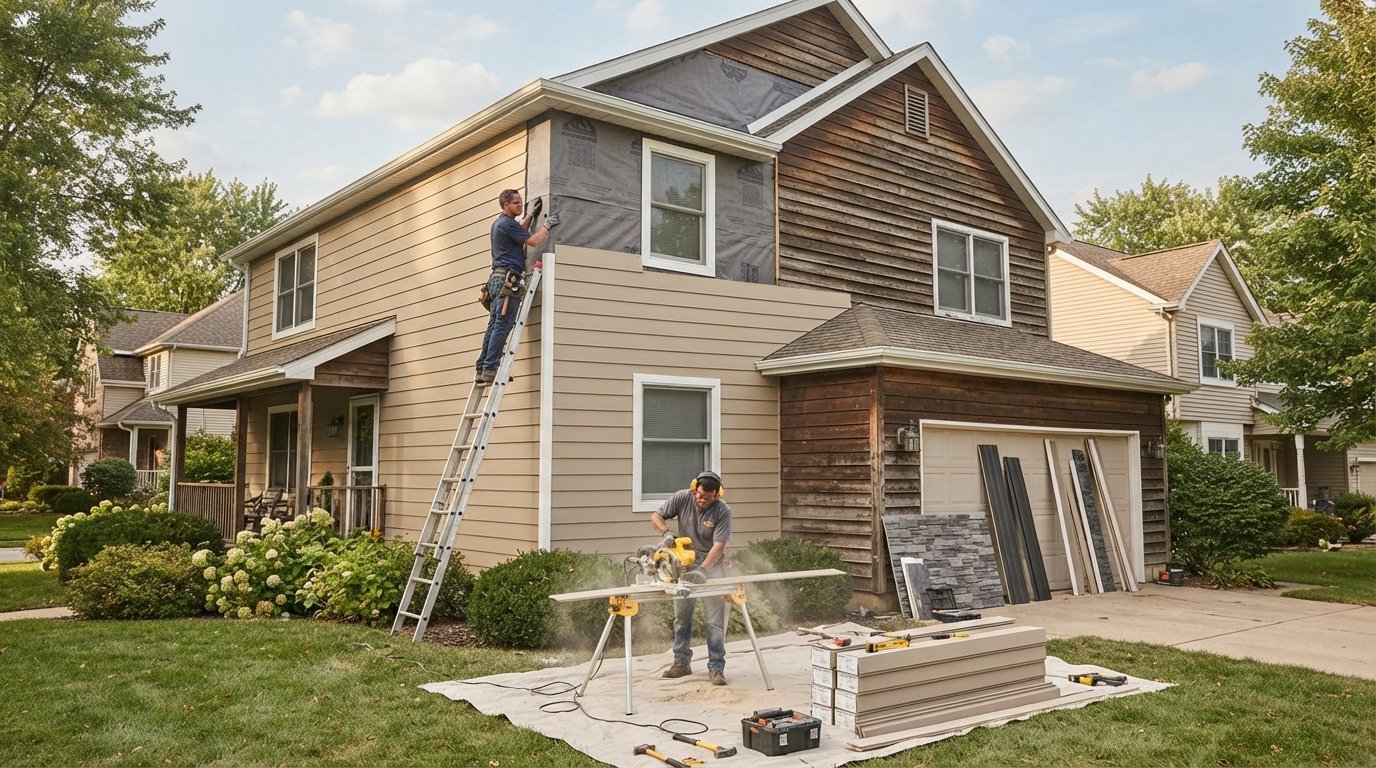
How to Choose Siding Material for Durability and Curb Appeal
Learn how to choose siding material for durability and curb appeal. Call 8337004293 to get matched with local siding pros.
By Peter Hubert
Learn more about Siding Installation for guides, costs, and what to expect.
Compare Siding Installation Pros Near You

Enter your ZIP code to compare top-rated local professionals and request free quotes.
Your siding does more than define your home's look. It shields the structure from rain, wind, hail, and sun, and it plays a major role in energy efficiency and resale value. Choosing the wrong material can mean repainting every few years, patching cracks, or facing premature replacement. Choosing the right one can mean decades of low maintenance and a facade that makes neighbors slow down when they drive past. This guide walks you through how to choose siding material for durability and curb appeal, with a practical framework covering climate, budget, maintenance, and style.
Start With Your Climate and Exposure
Durability begins with the environment. A siding that performs beautifully in a mild, dry region may fail quickly in a coastal zone with salt spray and driving rain. Before you compare colors or textures, assess what your home faces each year. Wind-driven rain, freeze-thaw cycles, intense UV radiation, humidity, and salt air all stress siding in different ways. Homes in the Pacific Northwest deal with constant moisture and moss growth, while homes in the Southwest battle blistering sun and temperature swings. Coastal properties must resist corrosion, and homes in hail-prone regions need impact resistance.
You should also look at how your home is oriented. Walls that face the prevailing weather take a harder beating than sheltered sides. Roof overhangs, nearby trees, and drainage patterns all affect how much moisture reaches the siding. If your home has known moisture issues, such as poor grading or clogged gutters, no siding material will perform well until those problems are corrected. A professional assessment can reveal hidden vulnerabilities before you invest.
Here is a quick way to match climate challenges to material strengths:
- High moisture and rain: Vinyl, fiber cement, and engineered wood handle wet climates well when installed with proper flashing and drainage.
- Intense sun and heat: Fiber cement and stucco resist UV fading better than vinyl, which can warp in extreme heat.
- Coastal salt air: Vinyl and fiber cement outperform aluminum and steel, which can corrode without special coatings.
- Hail and impact: Fiber cement and engineered wood offer better impact resistance than thin vinyl panels.
- Freeze-thaw cycles: Materials that absorb little water, such as vinyl and fiber cement, resist cracking better than natural wood.
Once you understand your climate profile, you can narrow the field quickly. A siding that is durable in your specific environment will save you money on repairs and replacement over time, and it will maintain its appearance with far less effort.
Compare the Most Common Siding Materials
Each siding material comes with a distinct mix of cost, longevity, maintenance, and visual character. Understanding these trade-offs is central to how to choose siding material for durability and curb appeal. Below is an overview of the most popular options for U.S. homeowners.
Vinyl siding is the most common choice because it is affordable, easy to install, and available in a wide range of colors and profiles. Modern vinyl is far more durable than older versions, with thicker panels and better UV resistance. It never needs painting, and it can last 20 to 40 years depending on quality and climate. However, extreme heat can cause warping, and very cold temperatures can make it brittle. Vinyl is a strong contender for budget-conscious homeowners who want low maintenance.
Fiber cement siding is made from cement, sand, and cellulose fibers. It mimics wood or stucco, resists rot, fire, and insects, and holds paint for 10 to 15 years. It can last 30 to 50 years or more. Fiber cement is heavier than vinyl and requires professional installation, but its durability and dimensional stability make it a top pick for homeowners who plan to stay long term. It performs well in harsh climates, including coastal and hail-prone areas.
Engineered wood siding is made from wood strands and resin, offering the warm look of real wood with better resistance to moisture and insects. It takes paint well and can last 20 to 30 years with proper maintenance. It is more expensive than vinyl but less costly than some premium options. Engineered wood is a good fit for homeowners who want a natural appearance without the upkeep of traditional wood.
Natural wood siding (cedar, redwood, pine) delivers unmatched curb appeal and can last decades if maintained. However, it requires regular painting or staining, and it is vulnerable to rot, insects, and moisture. Wood is best for homeowners who love its authentic look and are willing to commit to ongoing care.
Stucco is a cement-based finish that is extremely durable in dry and warm climates. It can last 50 years or more, resists fire, and offers a seamless, textured look. In wet or freezing climates, stucco can crack and trap moisture, so it requires careful installation and maintenance. It is also difficult to repair without visible patches.
Metal siding (aluminum and steel) is lightweight, fire-resistant, and long-lasting. It reflects heat, which can improve energy efficiency, and it comes in many colors. However, it can dent, and lower grades may corrode in coastal areas. Metal is a good choice for modern or industrial designs.
Brick and stone veneer offer unmatched durability and timeless curb appeal. They are heavy, expensive, and typically installed by masons, but they can last the life of the home with minimal maintenance. They are best for homeowners who want a permanent, high-end look and are willing to pay upfront.
To summarize the durability and maintenance profiles:
- Vinyl: 20-40 years, low maintenance, low cost, moderate impact resistance.
- Fiber cement: 30-50+ years, low maintenance, higher cost, high impact and fire resistance.
- Engineered wood: 20-30 years, moderate maintenance, moderate cost, good moisture resistance.
- Natural wood: 20-40 years with care, high maintenance, moderate to high cost, high curb appeal.
- Stucco: 50+ years in dry climates, low maintenance, high cost, excellent durability in right conditions.
- Metal: 30-50 years, low maintenance, moderate cost, dents and corrosion possible.
- Brick/stone veneer: 50+ years, very low maintenance, high cost, unmatched durability.
Your choice should reflect how long you plan to stay in the home, your tolerance for upkeep, and your budget. If you are planning to sell soon, you may prioritize curb appeal and resale value over maximum longevity. If this is your forever home, investing in a more durable material can pay off.
Weigh Durability Against Maintenance and Cost
Durability is not just about how long a material lasts. It is also about how much work and money it takes to keep it looking good. A material that lasts 30 years but needs repainting every five years may cost more over time than a material that lasts 40 years with occasional washing. When comparing options, calculate the total cost of ownership: initial installation, ongoing maintenance, repairs, and eventual replacement.
Vinyl is the clear winner for low maintenance, but it can fade or crack over time. Fiber cement holds paint longer than wood and resists rot, but it still needs repainting every 10 to 15 years. Natural wood requires the most care, with staining or painting every three to five years. Stucco and brick are low maintenance but costly to repair if damaged. Metal siding needs little upkeep but can dent and may need touch-ups.
Consider your own willingness to climb a ladder or hire a handyman. If you prefer a hands-off approach, prioritize vinyl, fiber cement, or metal. If you enjoy annual maintenance and want the authenticity of wood, you can accept the extra work. Also factor in the cost of installation: fiber cement and stucco require specialized labor, while vinyl can be installed by a wider range of contractors. If you are comparing quotes, our guide on Vancouver siding specialists quality repairs explains how professional installation protects your investment.
Another cost consideration is insurability. Some insurers offer discounts for impact-resistant or fire-resistant siding, such as fiber cement or metal. In hail-prone states, choosing a Class 4 impact-rated siding can lower your premiums and reduce the risk of storm damage claims. Check with your insurance provider before you commit, and ask about any credits for specific materials.
Evaluate Curb Appeal and Style Compatibility
Durability alone will not make you love your home. Curb appeal drives pride of ownership and resale value. The right siding should complement your home's architecture, neighborhood character, and landscape. A modern farmhouse may look best with board-and-batten fiber cement, while a Craftsman bungalow shines with cedar-look engineered wood. A coastal cottage often pairs well with shake-style vinyl or fiber cement. A contemporary home may suit smooth stucco or metal panels.
Color and texture matter as much as material. Vinyl offers the widest color range with minimal fading, but colors can look flat up close. Fiber cement can be painted any color and has a realistic wood grain. Engineered wood provides deep, natural textures. Stucco offers a seamless, monolithic look. Metal can be sleek or corrugated for an industrial vibe. Brick and stone bring permanence and texture that no other material can match.
Before you decide, drive around your neighborhood and note which siding styles look best on homes similar to yours. Look at homes with mature landscaping and see how different materials age. Take photos of colors you like, and ask contractors for samples you can hold against your exterior in natural light. Remember that darker colors absorb more heat and can fade faster in sunny climates, while lighter colors stay cooler and hide dust. The goal is a facade that feels intentional and harmonious, not just durable.
Check Local Codes, HOA Rules, and Warranty Terms
Before you fall in love with a material, confirm that it is allowed in your area. Some municipalities restrict certain sidings for fire safety, especially in wildfire-prone zones. Homeowners associations (HOAs) often have strict rules about materials, colors, and textures. You may need approval before installation. Ignoring these rules can lead to fines or forced removal, so check first.
Warranties also vary widely. Vinyl siding often carries a lifetime limited warranty, but coverage may prorate and exclude labor. Fiber cement warranties can last 30 years or more, but they may require professional installation and specific maintenance. Paint warranties on fiber cement and wood are separate from the siding warranty. Always read the fine print and keep your receipts. A reputable contractor will explain warranty terms and help you register your product.
Finally, think about resale. If you plan to sell within a few years, choose a material that appeals to a broad range of buyers and matches the neighborhood. Vinyl and fiber cement are safe bets in most markets. If you plan to stay for decades, you can invest in premium materials like brick or stucco. Either way, proper installation is critical: even the best siding will fail if moisture gets behind it. That is why hiring a qualified contractor matters. Platforms like 180Remodel connect homeowners with vetted professionals for roofing, windows, siding, and more, so you can get multiple quotes and choose the right installer for your project.
A Step-by-Step Framework for Choosing Siding
To make the decision manageable, follow a structured process. This framework helps you balance durability, curb appeal, and budget without getting overwhelmed.
- Assess your climate and exposure. Identify the main threats: moisture, sun, wind, hail, salt, or temperature swings. Note which sides of your home take the most abuse.
- Set a realistic budget. Include materials, labor, permits, and potential repairs to the underlying wall. Remember that the cheapest upfront option may cost more over time.
- Shortlist 2-3 materials. Based on climate and budget, pick a few options that fit. For example, vinyl and fiber cement for a wet climate, or stucco and brick for a dry one.
- Compare maintenance and lifespan. Estimate how often you will need to paint, clean, or repair each option, and how long it will last before replacement.
- Evaluate curb appeal. Look at samples, photos, and neighborhood examples. Consider color, texture, and how the material complements your architecture.
- Check codes and HOA rules. Confirm that your chosen material is allowed and that you understand any approval process.
- Get multiple quotes from licensed contractors. Ask about installation methods, flashing, drainage, and warranty. A good contractor will explain why proper installation is as important as the material itself.
- Review warranty and insurance implications. Confirm coverage and ask your insurer about discounts for impact or fire resistance.
Following these steps will help you avoid impulse decisions and ensure that your siding performs well for years. It also makes it easier to compare contractor bids, because you will know exactly what you want and why.
Choosing siding is a balance of art and science. The science is durability: how well the material resists weather, impact, and time. The art is curb appeal: how it makes your home feel and how it fits your style. By starting with climate and exposure, comparing materials honestly, and planning for maintenance and cost, you can find a siding that protects your home and turns heads. Take your time, ask questions, and work with professionals who understand your local conditions. The result will be a home that looks great and stands strong for decades.