
How to Avoid Remodeling Mistakes: A Homeowner’s Guide
A practical guide to avoiding common and costly remodeling mistakes, from planning and budgeting to hiring the right contractor for your home project.
By Eric Andrew
Learn more about Exterior Painting for guides, costs, and what to expect.
Compare Exterior Painting Pros Near You

Enter your ZIP code to compare top-rated local professionals and request free quotes.
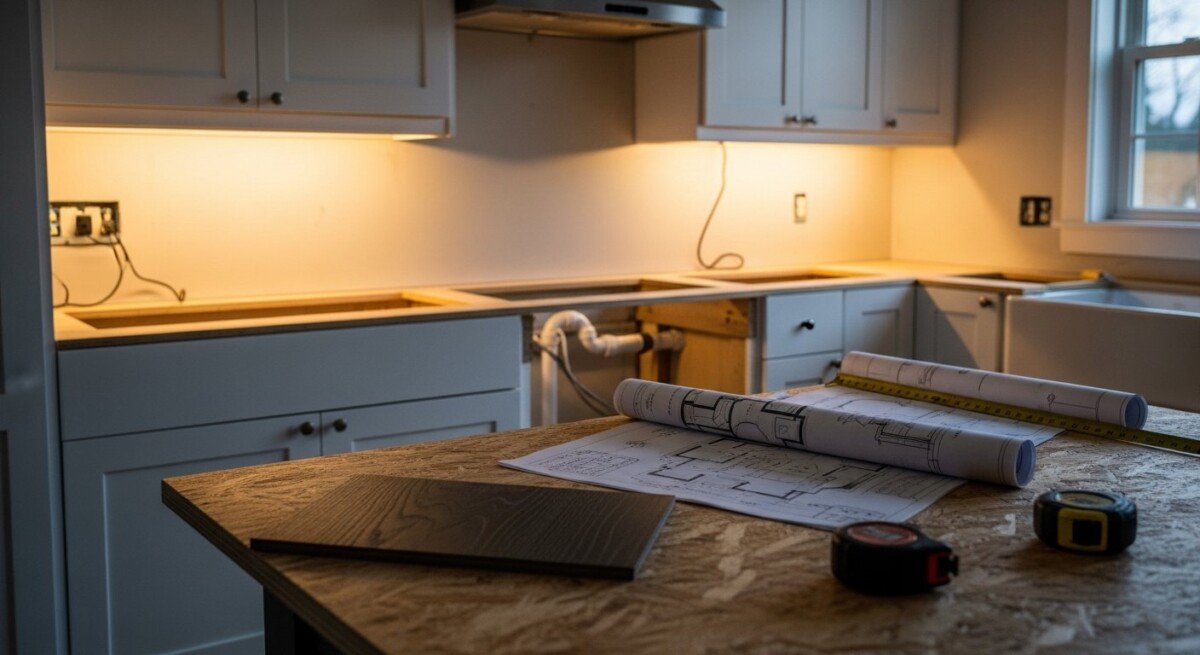
You’ve saved for years, poured over design magazines, and finally decided to take the plunge on your kitchen remodel. The demo is exciting, but a few weeks in, you notice the new cabinets don’t quite align with the plumbing. The flooring you chose looks beautiful but is already showing wear in high-traffic areas. The budget you carefully set is now a distant memory. This stressful, costly scenario is more common than you think, and it often starts with small, avoidable planning mistakes.
Discovering these issues mid-project can bring your dream renovation to a grinding halt. What begins as a simple oversight can lead to delays, unexpected expenses, and results that don’t match your vision. Ignoring the fundamentals of good planning doesn’t just risk your budget; it can compromise the safety, function, and long-term value of your most important investment,your home.
Understanding How to Avoid Remodeling Mistakes
Remodeling mistakes aren’t just about choosing the wrong paint color. They are fundamental errors in planning, budgeting, hiring, and execution that derail a project’s success. These missteps happen when the process feels overwhelming, and homeowners rush in without a clear roadmap.
They occur because remodeling involves dozens of interconnected decisions. It’s easy to focus on the aesthetic finishes without considering the hidden infrastructure behind the walls. Any home can be affected, but older homes often present more unforeseen challenges, like outdated wiring or structural surprises, that require flexible planning.
The Mindset for a Successful Remodel
Avoiding mistakes starts with a shift in perspective. View your remodel not as a single event, but as a detailed project requiring management. This means prioritizing preparation over speed and valuing expertise over guesswork. The goal is to control the process so the process doesn’t control you.
Why This Matters for Your Home
Getting your remodel right protects more than just your savings. A well-executed project enhances your daily life, providing comfort, functionality, and joy for years to come. Conversely, cutting corners or poor planning can have serious consequences.
Structural errors can create safety hazards. Improper electrical or plumbing work risks fire or water damage. Low-quality installations lead to constant repairs, draining your time and money. Perhaps most importantly, a botched remodel can actually decrease your home’s value, making it harder to sell in the future.
If you notice signs of poor planning or execution in your project, it may help to speak with a qualified contractor. Request a free quote or call to explore your repair or remodeling options.
Common Problems Homeowners Experience
Many remodeling pitfalls are predictable and, therefore, avoidable. They often stem from a lack of experience in managing complex projects with multiple tradespeople and timelines. Homeowners frequently encounter issues that go beyond simple inconveniences.
These problems can strain finances and turn an exciting update into a source of constant stress. Understanding these common traps is the first step in steering clear of them.
- Unrealistic Budgeting: Forgetting to allocate 10-20% for unexpected issues, leading to frantic cost-cutting mid-project.
- Poor Space Planning: Choosing fixtures or furniture that don’t fit the room’s scale or flow, making spaces feel awkward or unusable.
- Ignoring the Home’s Structure: Removing walls without professional advice, potentially compromising the building’s integrity.
- Following Trends Blindly: Investing heavily in a fleeting design fad that looks dated in a few years and doesn’t appeal to future buyers.
- Underestimating Timeline: Assuming a project will take weeks when material delays and inspections often mean months.
- Choosing the Wrong Materials: Selecting beautiful but delicate surfaces for high-use areas, resulting in quick damage and disappointment.
How Professionals Solve the Problem
Experienced contractors bring a system to the chaos. They’ve navigated these challenges countless times and have processes to prevent them. Their value isn’t just in swinging a hammer; it’s in foresight, coordination, and risk management.
They act as your project manager, identifying potential conflicts between design and reality before construction begins. This professional approach transforms a list of dreams into a feasible, well-sequenced plan, saving you from costly mid-stream changes and ensuring the job is done safely and to code.
- Comprehensive Assessment: They start by evaluating your existing space, identifying hidden issues like mold, faulty wiring, or structural weaknesses that must be addressed first.
- Detailed Planning & Specifications: They create clear blueprints and material lists, leaving no room for ambiguity about what will be installed, where, and with what products.
- Accurate Estimating: Using their knowledge of material costs and labor hours, they build a realistic budget that includes contingencies for the unexpected.
- Expert Coordination: They schedule and manage all subcontractors (plumbers, electricians, etc.) in the correct order, preventing costly delays and work conflicts.
- Quality Assurance: They oversee the installation to ensure it meets building codes, manufacturer specifications, and their own quality standards, providing you with peace of mind.
A professional inspection can reveal hidden issues before they become expensive repairs. Compare contractor quotes here or call to discuss your project.
Warning Signs You Should Not Ignore
Sometimes, problems arise even with planning. Catching them early is key to minimizing damage and cost. If you’re already in the middle of a remodel, or if a past renovation is showing issues, pay close attention to these red flags.
Ignoring these signs can allow minor issues to evolve into major, structural problems. Trust your instincts,if something feels off, it probably is, and getting a professional opinion quickly can save you thousands.
- Vague or Constantly Changing Estimates: A contractor who won’t provide a detailed, written quote or who frequently asks for more money for “unforeseen” basics.
- No Permits Being Pulled: For many projects, permits are legally required. Skipping them can lead to fines, unsafe work, and problems when you sell your home.
- Poor Communication: Your contractor is consistently unreachable, doesn’t show up as scheduled, or fails to explain the process and next steps.
- Subpar Workmanship in Early Stages: If the initial work (like framing or plumbing) looks sloppy or uneven, it’s a strong indicator of deeper quality issues.
- Unexpected Dust or Debris Patterns: Excessive dust from one area can indicate work is affecting systems (like ductwork) it shouldn’t be.
- Water Stains or Moisture After Plumbing Work: Any sign of water where it shouldn’t be demands immediate attention to prevent mold and rot.
What Affects the Cost of Repairs or Installation
Understanding what drives remodeling costs helps you set a realistic budget and evaluate quotes fairly. The price isn’t arbitrary; it reflects the project’s scope, complexity, and quality. A surprisingly low bid is often a warning sign of cut corners or future add-on charges.
Key factors include the size of the area, the quality of materials (from builder-grade to luxury), and the cost of skilled labor for trades like plumbing and electrical. The age of your home also plays a huge role, as older properties often require extensive updates to bring hidden systems up to code before new finishes can be installed.
Costs can vary depending on the condition of your home. The best way to know the price is to get a personalized estimate. Request free quotes from contractors or call today.
How to Choose the Right Contractor
Your contractor is the most critical factor in your remodel’s success. Taking the time to vet them thoroughly is the single best way to avoid mistakes. This step is about finding a trustworthy partner, not just the lowest price.
Look for a professional who listens to your goals, communicates clearly, and demonstrates a track record of similar projects. A good contractor will welcome your questions and provide verifiable references, seeing your diligence as a sign of a good client.
- Verify Licenses and Insurance: Always ask for proof of current liability insurance and worker’s compensation, as well as any required state or local licensing.
- Check References and Online Reviews: Speak to past clients about their experience. Look at finished project photos and read reviews on multiple platforms.
- Get Detailed, Written Estimates: Compare quotes that break down costs for materials, labor, profit margin, and payment schedule. Beware of estimates that are vague or given only verbally.
- Interview Multiple Candidates: Meet with at least three contractors. Pay attention to how they communicate and whether they understand your vision.
- Review the Contract Thoroughly: Ensure the contract includes the project timeline, payment schedule, specific materials (brand, model, color), and a process for handling change orders.
Long-Term Benefits of Professional Work
Investing in a well-planned, professionally executed remodel pays dividends long after the project is complete. It’s an investment in your quality of life and your home’s financial future. Quality work stands the test of time, performing beautifully for decades.
Beyond daily enjoyment, professional remodeling enhances safety through proper electrical and structural work. It improves energy efficiency with better insulation and windows, lowering utility bills. Most importantly, it significantly boosts your home’s resale value and marketability, ensuring you recoup a large portion of your investment if you ever decide to sell.
How Much Does a Typical Kitchen Remodel Cost?
Costs vary dramatically by scope and location. A minor refresh with new countertops and paint might cost $15,000, while a full-scale, high-end renovation with layout changes can exceed $75,000. The national average often falls between $25,000 and $45,000. The only way to get an accurate number for your home is through detailed, itemized quotes from local contractors.
Do I Always Need a Permit for a Remodel?
Not always, but usually for structural, electrical, plumbing, or mechanical changes. Simple cosmetic updates like painting or flooring typically don’t require one. Your contractor should know local codes and pull all necessary permits. If they suggest skipping permits to save time or money, consider it a major red flag.
How Long Should a Bathroom Remodel Take?
A standard bathroom remodel with a professional crew typically takes 3 to 4 weeks from demo to completion. Complex projects involving layout changes, custom tile work, or unexpected repairs can extend to 6-8 weeks. A clear timeline should be outlined in your contract.
What’s the Biggest Budget Mistake Homeowners Make?
The most common mistake is failing to set aside a contingency fund of 10-20% of the total project budget. Remodeling often uncovers hidden issues once walls are opened. A contingency fund ensures these surprises don’t derail your project or force you to choose cheaper, inferior solutions.
Can I Live in My Home During a Major Remodel?
It depends on the project. For kitchen remodels, you’ll need a temporary kitchen setup. For whole-house renovations, you may need to relocate for a period. Discuss this upfront with your contractor. They can help you plan for disruptions, seal off work areas, and establish dust-control measures.
How Do I Handle Disagreements With My Contractor?
Clear communication is key. Address concerns immediately and directly with the project lead. Refer to your contract’s specifications. If a resolution can’t be reached, mediation is a next step. This is why a detailed contract and good rapport during the selection process are so important.
What Questions Should I Ask Before Hiring?
Key questions include: “How many projects like mine have you completed?” “Who will be my on-site project manager?” “What is your daily cleanup procedure?” “Can you provide a list of references from the last year?” and “How do you handle unexpected problems or delays?”
A successful remodel is defined not by the absence of challenges, but by how they are anticipated and managed. By understanding common pitfalls, valuing professional expertise, and choosing your team carefully, you transform a potentially stressful process into a rewarding journey. Your home is worth the careful planning. Start by gathering information and comparing detailed quotes from qualified professionals,it’s the most important first step you can take to protect your investment and realize your vision.
Learn more about Exterior Painting for guides, costs, and what to expect.
Compare Exterior Painting Pros Near You
Enter your ZIP code to compare top-rated local professionals and request free quotes.