Home Remodeling Cost Guide: What Homeowners Need to Know

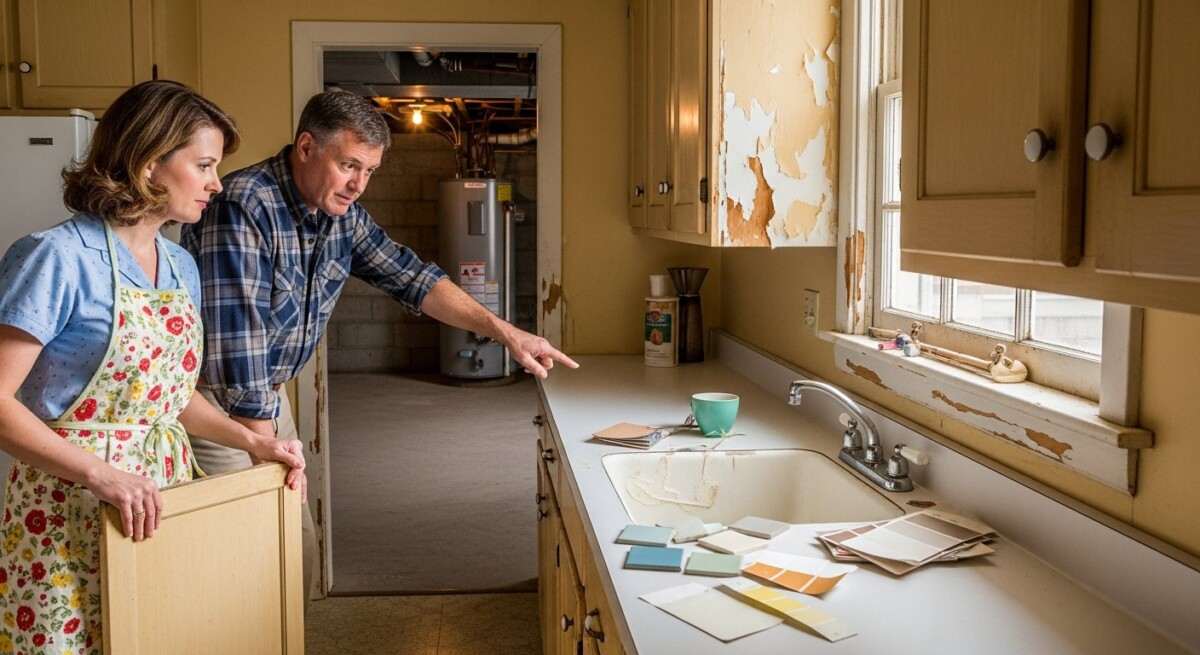
You walk into your kitchen one morning and notice the cabinet door is hanging crooked. Then you spot a small water stain on the ceiling. Your first thought is, “How much is this going to cost?” That moment of uncertainty is familiar to almost every homeowner. Whether it’s a dated bathroom, a cracked foundation, or an outdated floor, the question always comes back to budget. A home remodeling cost guide helps you understand what to expect before you commit to a project. Without one, you risk overspending, delaying work, or choosing the wrong contractor.
Ignoring repairs or putting off a remodel can turn a small issue into a major expense. A leaky pipe behind a wall can lead to mold and structural damage. An old roof can cause interior water damage and higher energy bills. The longer you wait, the more you pay. This guide will walk you through common remodeling costs, what affects pricing, and how to make smart decisions for your home.
Understanding home remodeling cost guide
A home remodeling cost guide is simply a resource that breaks down the typical expenses for different types of projects. It covers materials, labor, permits, and unexpected extras. No two homes are exactly alike, so costs vary based on your location, the size of the project, and the condition of your home. This guide helps you set a realistic budget and avoid surprises.
Cost estimates are not just for large renovations. Even small updates, like painting a room or replacing a faucet, benefit from a clear budget. Knowing the average price range for a project helps you decide whether to move forward or save a little longer. It also gives you a baseline when comparing contractor quotes.
Who needs a remodeling cost guide?
Any homeowner planning a repair or upgrade should start with a cost guide. First-time homeowners often underestimate expenses. Experienced homeowners may need updated numbers because material prices change. If you are considering a major project like a kitchen remodel or a room addition, a cost guide helps you prioritize what matters most.
Why This Matters for Your Home
Your home is likely your biggest investment. Every repair or remodel affects its value, safety, and comfort. When you understand costs upfront, you avoid two common mistakes: paying too much or putting off necessary work. Both can cost you more in the long run.
Delaying a remodel because of cost fears can lead to bigger problems. For example, a small bathroom leak left untreated can rot the subfloor and require a full replacement. That repair could cost three times more than fixing the leak early. Similarly, an outdated electrical system can be a fire hazard. Professional work brings your home up to code and protects your family.
On the flip side, overspending on a remodel can strain your finances. Without a cost guide, you might agree to a contractor’s price without knowing if it’s fair. Comparing multiple quotes and understanding market rates helps you spend wisely. In our home remodeling cost guide, we explain how to evaluate estimates and avoid common pitfalls.
If you notice signs of this issue in your home, it may help to speak with a qualified contractor. Request a free quote or call to explore your repair or remodeling options.
Common Problems Homeowners Experience
Home remodeling projects rarely go exactly as planned. Unexpected issues pop up, and that can stress both your timeline and your budget. Knowing the common problems ahead of time helps you prepare.
Many homeowners discover hidden damage once work begins. For example, removing old tile might reveal water-damaged drywall. Opening a wall might show outdated wiring or pest damage. These surprises add cost, but they also make the project safer and more durable in the end.
- Outdated plumbing or electrical systems that need replacement
- Water damage behind walls, under sinks, or around windows
- Asbestos or lead paint in older homes that requires special removal
- Uneven floors or foundation cracks that need structural repair
- Mold or mildew caused by long-term moisture
- Permit delays or code violations that require rework
How Professionals Solve the Problem
Experienced contractors follow a structured process to handle remodeling projects efficiently. They start with a thorough inspection to identify all issues, not just the visible ones. This prevents surprises during construction and keeps the project on track.
- Inspection and assessment , The contractor examines the area, checks for hidden damage, and measures the space.
- Detailed estimate , You receive a written quote that includes materials, labor, permits, and a timeline.
- Preparation , The team protects your furniture, floors, and other areas. They order materials and schedule subcontractors.
- Demolition and removal , Old materials are safely removed and disposed of.
- Repair and installation , Structural fixes, plumbing, electrical, and new materials are installed.
- Finishing and cleanup , Paint, trim, fixtures, and final touches are completed. The job site is cleaned.
Professional work is safer and more reliable than most DIY attempts. Contractors carry insurance, know local building codes, and have the right tools. They also offer warranties on their work, giving you peace of mind. If something goes wrong, they fix it at no extra cost.
A professional inspection can reveal hidden issues before they become expensive repairs. Compare contractor quotes here or call to discuss your project.
Warning Signs You Should Not Ignore
Some home problems are obvious, like a leaky roof or a broken window. Others are subtle and easy to overlook. Paying attention to early warning signs can save you thousands of dollars and prevent safety hazards.
Walk through your home regularly and look for changes. Small cracks, stains, or sounds often indicate a bigger problem underneath. If you catch issues early, you can address them with a smaller, less expensive repair.
- Water stains on ceilings or walls, even if dry
- Musty odors that suggest mold or mildew
- Doors or windows that stick or won’t close properly
- Cracks in tile, grout, or drywall that grow over time
- Higher-than-normal utility bills from poor insulation or old windows
- Bouncing or squeaky floors that indicate structural weakness
What Affects the Cost of Repairs or Installation
Remodeling costs vary widely depending on several key factors. Understanding these helps you budget accurately and compare quotes fairly.
The size of the project is the biggest cost driver. A full kitchen remodel costs more than a bathroom update because it involves more square footage, more materials, and more labor. The quality of materials also matters. Custom cabinetry, natural stone countertops, and premium flooring cost more than stock options.
Labor rates depend on your location and the complexity of the work. Major cities often have higher rates. Projects that require specialized skills, like electrical or plumbing, add to the total. Accessibility also plays a role. A second-floor bathroom costs more to remodel than a ground-floor one because materials need to be moved upstairs and waste taken down.
Costs can vary depending on the condition of your home. The best way to know the price is to get a personalized estimate. Request free quotes from contractors or call today.
How to Choose the Right Contractor
Finding a trustworthy contractor is just as important as setting a budget. A good contractor delivers quality work on time and within budget. A bad one can turn your dream remodel into a nightmare.
Start by asking for recommendations from friends, neighbors, or your local hardware store. Then research each candidate online. Look for contractors who specialize in the type of work you need. A general handyman might not have the skills for a complex kitchen remodel.
- Verify the contractor’s license and insurance before signing anything
- Read online reviews on Google, Yelp, and the Better Business Bureau
- Ask for at least three written estimates from different contractors
- Request references from recent projects similar to yours
- Confirm the contractor’s experience with your specific type of remodel
If you are unsure where to start, a platform like USremodel can connect you with pre-screened contractors in your area. This saves time and helps you compare multiple quotes easily. For a step-by-step approach, read our guide on how to plan a home remodeling project.
Long-Term Benefits of Professional Work
Hiring a professional contractor costs more upfront than doing it yourself. But the long-term benefits often make it the smarter choice. Professional work lasts longer, performs better, and adds more value to your home.
Safety is a major advantage. Contractors follow building codes and safety standards that protect your family. They also use proper techniques to prevent future problems, like moisture barriers in bathrooms or proper ventilation in kitchens. This reduces the risk of mold, rot, and structural failure.
Energy efficiency is another benefit. New windows, insulation, and HVAC systems reduce your monthly bills. Professional installation ensures these upgrades work as intended. Over time, the savings on utilities can offset the cost of the remodel. Plus, a well-maintained home sells faster and at a higher price when you decide to move.
Finally, professional work saves you time and stress. Remodeling is disruptive, but contractors manage the timeline, coordinate subcontractors, and handle permits. You don’t have to spend your weekends on a construction site. To learn more about realistic timelines, check out our article on how long home remodeling takes.
How much does a typical kitchen remodel cost?
A typical kitchen remodel ranges from $15,000 to $50,000, depending on the size and materials. Minor updates like painting cabinets and replacing countertops cost less. Full renovations with new cabinets, appliances, and flooring cost more. Get at least three quotes to compare prices in your area.
What is the most expensive part of a home remodel?
Labor is usually the most expensive part, accounting for 20 to 35 percent of the total cost. Materials like cabinetry, countertops, and flooring are also major expenses. Structural changes, such as moving walls or rerouting plumbing, add significant cost.
Can I remodel my home on a tight budget?
Yes, you can remodel on a budget by focusing on high-impact, low-cost updates. Painting, new hardware, and lighting fixtures make a big difference. You can also phase your project, doing one room at a time. Prioritize repairs over cosmetic upgrades to protect your home’s value.
How do I know if a contractor’s quote is fair?
Compare quotes from at least three contractors for the same scope of work. Check that each quote includes the same materials, labor, and timeline. Research average costs for your area online. If one quote is much lower or higher than the others, ask for an explanation.
Should I get permits for my remodel?
Most major remodels require permits, especially if you change structural elements, plumbing, or electrical systems. Permits ensure the work meets safety codes. Contractors usually handle the permit process. Skipping permits can lead to fines and problems when you sell your home.
How long does a bathroom remodel usually take?
A standard bathroom remodel takes 3 to 6 weeks. Simple updates like replacing a vanity and toilet take less time. Full renovations with new tile, shower, and plumbing take longer. Delays can happen if hidden damage is found during demolition.
What is the best way to save money on a remodel?
The best way to save money is to keep the existing layout. Moving walls, plumbing, and electrical lines adds significant cost. Choose mid-range materials instead of premium options. Do your own demolition if it is safe and simple, but leave complex work to professionals.
How do I finance a home remodel?
You can finance a remodel with savings, a home equity loan, a personal loan, or a credit card. Some contractors offer financing plans, but compare interest rates. A home equity loan often has lower rates for larger projects. Plan your budget before you start to avoid overspending.
Every home has its quirks, and every remodel has its challenges. But with the right information and the right team, you can turn your house into the home you’ve always wanted. Start by understanding the costs, then compare quotes from trusted contractors. Taking action early saves money, protects your investment, and gives you peace of mind. Don’t wait until a small problem becomes a big one. Get your free quotes today and take the first step toward a better home.